Sofa Armrest Problems: Diagnose and Fix Them
Sofa armrest problems usually come from loose frame joints, compressed padding, or torn upholstery; tighten the frame first, then repair padding or cover damage, and replace the arm only if the structure is cracked or sagging badly. If you miss the source, wobble can spread, the seat edge can wear faster, and a small repair can turn into a full replacement bill.
Quick triage: 1) identify the symptom, 2) run one fast test, 3) choose the lowest-cost repair that matches the failure, and 4) replace only when the arm is structurally compromised or no longer matches the sofa system. If the arm moves, the problem is usually structural; if it feels flat, the padding has likely compressed; if the surface is split, repair the upholstery; if the module no longer fits, replacement may be the only clean fix.
- Wobble or rocking: check the frame, joints, and fasteners first.
- Flat, hard, or uneven top: rebuild the padding before replacing the whole arm.
- Split seam or small tear: use localized upholstery repair, not full reupholstery.
- Worn edge or shiny surface: cover or patch the damage if the structure is still sound.
- Cracked, sagging, or mismatched module: replace the arm only when repair is no longer durable or compatible.
Sofa armrest basics
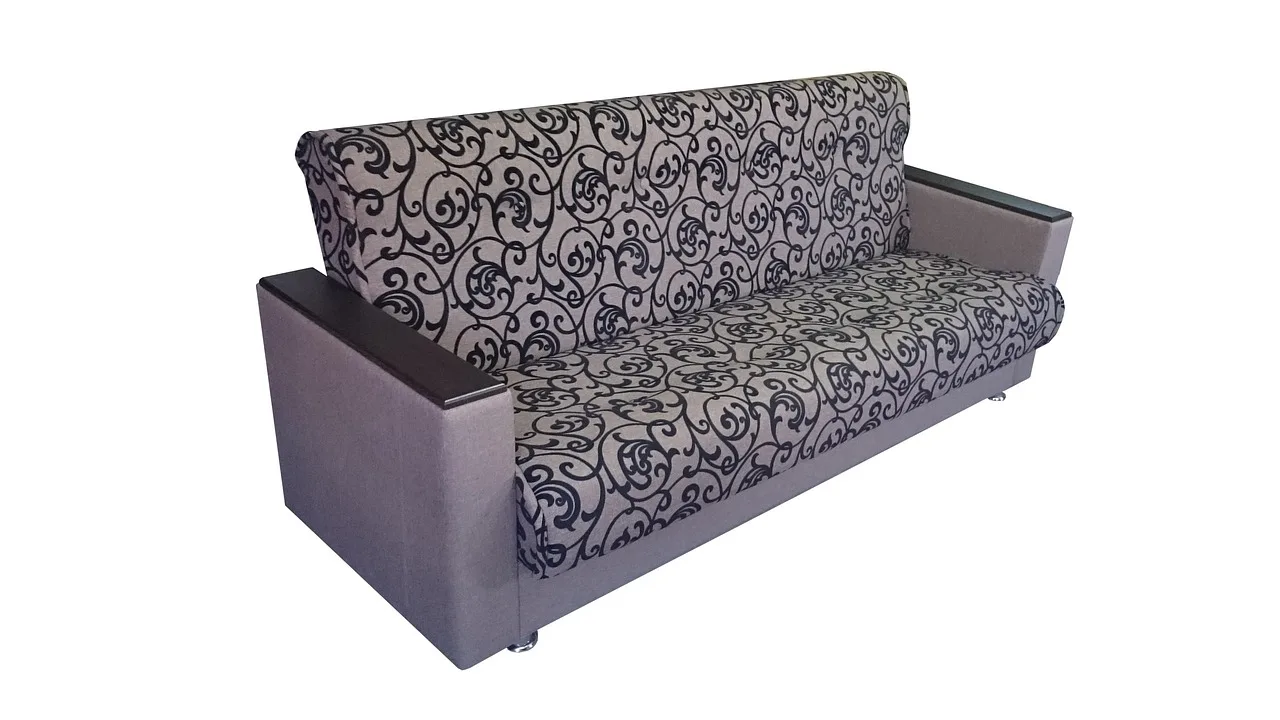


Start by locating the damage on the left or right side, then check whether the arm is fixed or removable. That matters more than style. A sofa armrest can be a structural part of the frame, a padded surface, or a removable module, and each version can fail in a different way.
Left vs right armrest
Stand facing the sofa from the front. The armrest on your left is the sofa’s left arm; the armrest on your right is the sofa’s right arm. That label matters when you shop for a replacement module, a cover, or a matching sectional piece, because many modular sofas are built with side-specific arms.
Some modular systems sell separate left and right arm modules, and the orientation affects both the fit and the cover layout. That split is why side identification comes first, not last.
Fixed and removable designs
A fixed armrest is part of the sofa body. A removable armrest module bolts or hooks on to the frame, often with a cover that can be swapped. Modular sofas and one-arm layouts need closer checking, because a part that looks similar may still have the wrong orientation, connector pattern, or cover fit.
In many modular sofa systems, a warranty applies to the original frame and specified components, but coverage can differ for covers, wear items, and altered configurations. Check the product system notes before assuming a replacement piece is covered or compatible.
Why arm height and width matter
Sofa arm height is the measurement from floor to the top of the armrest. That measurement affects comfort, function, and visual scale. Higher arms can support forearms better for reading or tablet use. Lower arms suit lounging or napping. Low-profile or armless sofas can also make smaller rooms feel more open.
Arm width and padding depth change how the arm feels under pressure. A narrow, firm arm reads as crisp and modern, but it may feel unforgiving. A wider, softer arm gives more resting space, yet it can hide frame damage until the padding compresses enough to expose the problem. Prolonged pressure on a poorly supported arm can also encourage slouching and shoulder strain, so arm height and firmness affect posture as well as appearance.
Armrest problem triage table
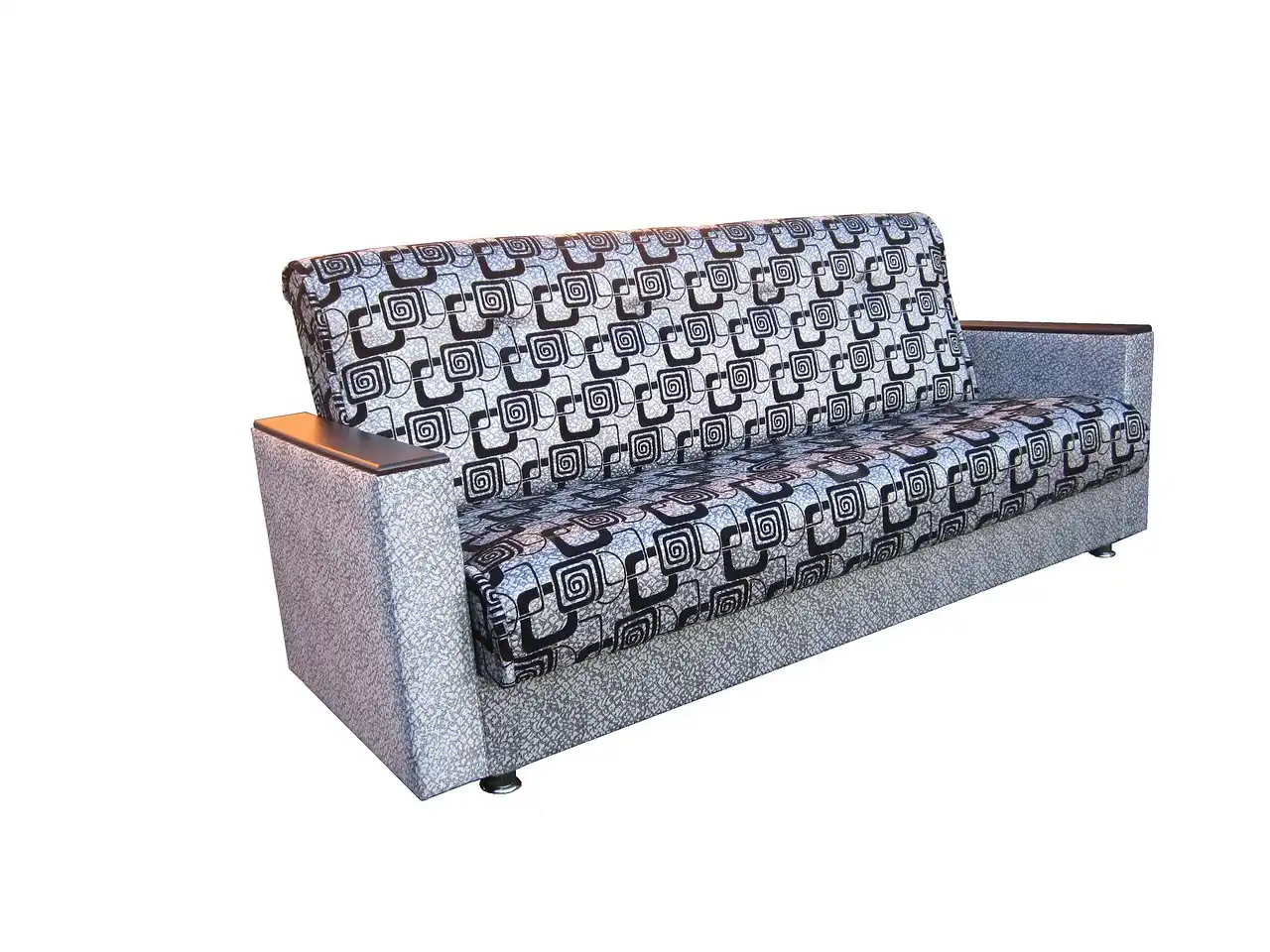
Use the symptom first, not the finish. The table below helps you separate frame failure from padding loss, seam damage, and removable-module mismatch so you do not spend on reupholstery when a fastener tighten is enough.
| Symptom | Likely cause | Quick test | Repair option | Estimated difficulty | When replacement is smarter |
|---|---|---|---|---|---|
| Loose arm that shifts or rocks | Frame joint looseness, missing fastener, bracket movement | Press down on the arm and watch for side-to-side motion at the base and back corner | Tighten screws, bolts, or brackets; add new hardware if holes are worn | Moderate | Replacement is often the better option if the wood or composite frame is cracked, split, or crushed at the joint. |
| Collapsed padding | Foam or fiber fill compressed at the top or front edge | Feel for a hard ridge, flat spot, or hollow area compared with the other arm | Add new foam, wrap with batting, or rebuild the pad under the cover | Moderate | Replace if the frame shape is deformed or the padding has no stable anchor point |
| Torn seam | Stitch failure from stress, abrasion, or dry leather | Pull the seam lightly and check whether the opening follows the stitch line | Sew, patch, or use an upholstery repair kit for localized damage | Easy to moderate | Replace if the tear runs through a load-bearing seam or covers a wide worn area |
| Worn corner | Repeated contact, abrasion, discoloration, or exposed piping | Look for thinning fabric, color loss, or a shiny patch at the front edge | Use an armrest cover, patch, or reupholster the corner panel | Easy | Replace if the wear has reached the frame padding and the edge keeps tearing again |
| Removable armrest mismatch | Wrong left/right module, incompatible connector, or missing cover | Compare connector shape, side orientation, and cover cut to the existing module | Swap for the correct armrest module or order the matching cover | Moderate | Replace if the module is discontinued or the connector pattern no longer matches the sofa |
A common mistake is choosing a cushion cover before confirming whether the sofa armrests are loose, cracked, or misshapen. If the arm is wobbling, a cover only hides the symptom. If the arm is stable but the top is thin and shiny, a cover may be the smartest low-cost fix.
Why is my sofa armrest wobbly?

A wobbly armrest usually points to frame or joint failure, not fabric wear. Check the wood or composite frame first, then look for loose fasteners, brackets, or screws at the base, back rail, and side panel. If the wobble comes from a load-bearing stress point, tightening alone may not hold for long.
Check the frame and joints
Push the arm from the outside, then from the top. If the movement comes from the base, the problem is structural. If the top flexes but the base stays firm, the issue may be padding or a loose panel cover rather than the frame itself.
Many armrests fail where the arm meets the sofa body. That joint takes repeated force from sitting, standing, and leaning. A small crack there can grow quickly if you keep using the sofa the same way.
Look for loose fasteners or brackets
Remove any accessible dust cover panel and inspect for screws, bolts, or metal brackets that have backed out. Tighten only if the holes still grip well. If the screw spins without biting, the joint may need a filler repair, a new bracket, or a replacement side panel.
Suppose the left arm shifts only when someone pushes up from the front edge. That often means the front fastener is failing while the rear attachment still holds. Repairing the weak point early can prevent the frame from racking out of square.
Decide between tightening and rebuilding
If the frame is sound and the hardware is the issue, tightening is the least costly durable repair. If the arm post is cracked, split, or loose inside the casing, a rebuild may require opening the upholstery and replacing structural parts. At that point, the labor can approach the cost of a replacement module or a new sofa section.
Can a sofa armrest be replaced?
Yes, but only if the sofa design allows it. Fixed arms can sometimes be repaired, but not cleanly replaced without opening the whole structure. Removable armrest modules are more practical, especially on modular sofas where left/right configuration, connector style, and cover availability all need to match.
Fixed armrest replacement limits
On a fixed sofa, the armrest is often tied into the seat frame, back rail, and side panel. Replacement may be possible in a workshop, but it is usually a furniture repair job rather than a simple part swap. The more integrated the arm, the less likely it is to be a drop-in replacement.
Check for visible seams, hidden staples, and the path of the frame rails. If the arm is part of a single shell or fully upholstered side panel, replacement becomes a structural project. In many cases, repairing the joint or recovering the surface is the smarter path.
Modular and removable arm swaps
Removable armrest modules are easier to swap because the arm is built as a separate part. Confirm the left or right orientation, connector pattern, and cover availability before buying. Some brands list spare covers separately, which matters when the frame is fine but the fabric is worn out.
That is also where warranty language matters most: modular systems may support specific replacement parts for a defined period, but only if the configuration matches the original design. If a connector pattern changes or the module has been discontinued, the replacement can stop being a simple swap.
What to confirm before you buy parts
- Measure the arm height from floor to top.
- Check whether the damaged arm is left or right when facing the sofa.
- Compare connector shape, bolt spacing, and bracket placement.
- Confirm whether the arm is fixed, removable, or a one-arm sectional module.
- Match the cover cut to the arm shape and seam placement.
How do you fix padding and seam damage?
Padding problems and surface damage often need different repairs. A collapsed arm can usually be rebuilt with foam or batting. A torn seam needs stitching, patching, or a repair kit. If the structure is sound, these fixes are often cheaper than replacing the whole armrest.
Collapsed padding repair options
When the top of the arm feels flat, hard, or sunken, the padding has likely compressed. Add new foam, rebuild the edge with batting, or open the cover and pack the top back to shape. The goal is to restore the arm profile without forcing the cover to wrinkle or split again.
If the armrest still feels uneven after new padding goes in, inspect the frame below it. Padding cannot hide a bent support rail or a broken corner block. That kind of failure will press through the new fill.
Torn seam and split cover fixes
Seam splitting is common where the arm gets rubbed by elbows, pet claws, or repeated sliding. Fabric can fray along the stitch line; leather can split if the finish dries out; synthetic covers can tear at stress points if the backing fails. Clean the area first so repair material adheres well.
For small tears, an upholstery repair kit can help. These kits work best on localized damage, where the tear is short and the surface around it is still stable. Color matching matters. A patch that is the wrong shade can call more attention to the repair than the tear did.
When an upholstery repair kit fits the job
Use a repair kit for a small tear, a split seam end, or a spot where the cover has thinned but not failed everywhere. Patch adhesive, filler, and a color-matched top layer can hold localized damage in place. If the tear runs across a fold or load-bearing edge, a simple kit will usually be temporary.
Fabric, leather, and synthetic upholstery behave differently. Fabric accepts patches and stitched repairs more easily. Leather often needs a matched patch and careful edge preparation. Synthetic covers may clean well, but some coatings resist adhesive, so test in an unseen area before committing.
How do you cover a worn armrest?
Covering a worn armrest is a good choice when the frame is solid and the damage is surface-level. Choose a stretch cover for quick coverage or a tailored cover for a cleaner fit. For edges that wear first, a guard, patch, or slipcover can protect the same spot from failing again too soon.
Stretch covers versus tailored covers
Stretch covers fit more easily over irregular shapes and can work well when the arm has only light wear. Tailored covers look neater and stay in place better on straight, predictable arms. If the armrest has a pronounced top edge or a wide flare, tailored coverage usually looks more controlled.
Look for washable or wipeable materials if the arm gets heavy use. That matters on family sofas and in homes where the armrest doubles as a landing spot for drinks, remotes, or backpacks. A cover that cannot be cleaned easily becomes another maintenance problem.
Patch, slipcover, or guard options
A patch works best for one damaged spot. A slipcover works better when the whole arm is worn or discolored. A guard or wrap helps protect the front edge and can be a smart stopgap while you decide whether to reupholster later.
Cleaning compatibility matters too. Fabric covers usually tolerate more frequent washing if the label allows it. Leather and synthetic surfaces often need wipeable protection rather than repeated machine washing, because moisture and friction can change the finish.
Armrest height and replacement fit
Measure floor to top of armrest before you buy a replacement part or cover. Compare that number with the arm width and the amount of padding left on the existing piece. Those dimensions affect comfort, shopping accuracy, and whether the new part will sit flush with the seat and back.
Measure floor to top of armrest
Use a straight ruler or tape measure from the floor to the highest comfortable point on the arm top. Repeat on both sides if the sofa seems uneven. A side that sits higher than the other may point to frame sag, compressed padding, or leg damage rather than a true armrest design difference.
That measurement also helps you judge room scale. Higher arms can look heavier and more upright; lower arms tend to feel lighter in a room and easier for lounging. The best choice depends on both comfort and how much visual mass you want the sofa to carry.
Check arm width and padding depth
Arm width tells you how much sitting or leaning surface the sofa offers. Padding depth tells you how much cushion remains before you reach the frame. If the padding is thin, the arm may need rebuild work even if the outside cover still looks acceptable.
Use these measurements when shopping for a replacement module or arm cover. A cover sized for a slim arm can pull too tight over a wide padded arm, while a loose cover can wrinkle and wear faster at the edges.
Match comfort with room scale
Higher arms can support forearms and shoulders in a more upright posture. Lower arms make it easier to recline, nap, or stretch out. In a small room, a lower profile can help the sofa feel less heavy. In a reading corner, a taller arm may feel more useful.
Picture a compact apartment sofa with a left arm that has gone flat and shiny at the top, while the frame stays steady. In that case, a padding rebuild plus a fitted cover may solve the problem more efficiently than replacing the whole sofa section.
Frequently asked questions
Which armrest in a couch is damaged?
Face the sofa from the front and identify the side by your own left and right. Then compare the damaged side with the undamaged one. If only one side wobbles, feels flat, or shows seam wear, the problem is likely local to that arm rather than the whole frame.
Which armrest in a sofa is removable?
Look for exposed connectors, bolts, brackets, or a visible module seam at the arm base. In modular sofas, the removable arm is usually a separate left or right piece. If the arm is fully built into the side frame and covered as one shell, it is probably fixed.
Arm rest vs armrest
Both forms mean the same furniture part. In repair work, use the single word armrest so you can match product labels, replacement listings, and modular part names more easily. That helps when comparing left and right modules, covers, or frame pieces.
How to repair a sofa arm
Start by diagnosing the failure mode: wobble, padding loss, seam split, or surface wear. Tighten hardware for a loose frame, rebuild compressed padding, stitch or patch a split seam, and use a cover for worn edges. Replace the arm only when the structure is cracked or badly deformed.
Why is my sofa armrest wobbly: a wobbly armrest usually means?
A wobbly armrest usually means a loose joint, weak bracket, or cracked frame member. Press the arm from different angles to see where the movement starts. If the wobble comes from the base or back corner, the repair needs to focus on the structure, not the upholstery.
How do I cover a torn sofa armrest?
For a small tear, use an upholstery repair kit or patch material that matches the surface. For broader wear, choose a washable stretch cover or a tailored cover that follows the arm shape. If the tear sits on a corner or seam line, repair the surface first so the cover does not fail again.
What armrest height is most comfortable on a sofa
There is no single best height for every sofa, but the right arm height depends on how you sit. Higher arms suit upright reading or tablet use. Lower arms fit lounging and napping. Measure floor to top of armrest before shopping so comfort and fit line up.
Should I repair or replace a damaged sofa armrest?
Repair when the frame is sound and the damage is limited to hardware, padding, or upholstery. Replace when the arm is cracked, sagging badly, or incompatible with the rest of the sofa. If the sofa is modular, a correct arm module is often more practical than rebuilding a failed fixed arm.
Products related to this article
Sponsored / affiliate links. As an Amazon Associate I earn from qualifying purchases. I may earn additional commission from eligible campaigns.