How to Clean Sofa Armrests Safely by Material
Clean sofa armrests by blotting dry soil first, then use a lightly damp cloth with the correct cleaner for the material. For fabric, spot-clean only. For leather, wipe with a pH-safe cleaner and dry right away. Left untreated, sweat, oil, and grime can darken the fabric, stiffen leather, and move into the padding. This guide shows how to clean sofa armrests by material and stain type without soaking the cushion or frame.
What you’ll need

- Vacuum with brush attachment
- Microfiber cloths
- Mild soap cleaner, diluted as directed
- Baking soda
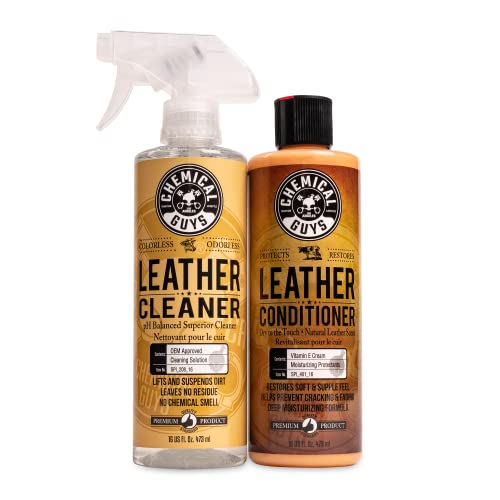
- Leather conditioner
- Soft brush attachment, if your vacuum includes one
How do you prep sofa armrests?
Start by removing loose dust, crumbs, and hair from the armrest surface and seams, then check the upholstery code tag before any liquid touches the fabric. If the armrest is only dusty, vacuuming may be enough. If you have a cleaner, test it on a hidden spot first and wait 10–15 minutes before you continue.
Prep in this order
- Vacuum the top, sides, seam lines, and front edge of the armrest with a brush attachment.
- Find the cleaning code tag and match the material to the listed cleaning code, such as W, S, WS, or X.
- Apply the chosen cleaner to a hidden spot first.
- Wait 10–15 minutes and check for color change, rings, stiffness, or texture change.
A common first-timer mistake is cleaning only the top surface. The front edge usually gets the most hand contact, so that is where sweat, hair products, and body oils often build up first.
Which cleaner should you use?
Use the cleaner that matches the code and the material. W and many WS fabrics can take water-based cleaner; S fabrics typically need solvent-based cleaner only; X fabrics should stay dry and be vacuumed only. Leather and faux leather need separate care, since leather can dry out and crack if you use the wrong product.
Code and material guide
| Material or code | Best cleaner choice | What to avoid |
|---|---|---|
| W | Water-based cleaner or diluted mild soap cleaner | Heavy soaking and harsh chemicals |
| S | Solvent-based cleaner only | Water-heavy cleaning and wet cloths |
| WS | Water-based or solvent-based cleaner after spot testing | Skipping the hidden-area test |
| X | Vacuum only | Any liquid cleaner |
| Leather | Leather cleaner, then leather conditioner | Ammonia-based or alkaline cleaners |
| Faux leather | Lightly damp microfiber cloth with a mild cleaner | Scrubbing and oversaturation |
| Velvet | Very light surface cleaning after spot test | Rubbing that crushes the pile |
Say your left armrest has a dark front edge from daily hand contact. If the tag says W or WS, a lightly damp microfiber cloth with mild soap cleaner is usually the safest first pass. If the tag says S, switch to a solvent cleaner instead and keep the cloth barely damp.
What is the best way to clean sofa arms by hand?
The best hand-cleaning method is a light, controlled wipe with the right cleaner and a microfiber cloth. Work in short passes, blot instead of rubbing, and stop before the padding feels wet. That approach removes surface grime without pushing liquid into the armrest foam or the frame.
Hand-cleaning steps
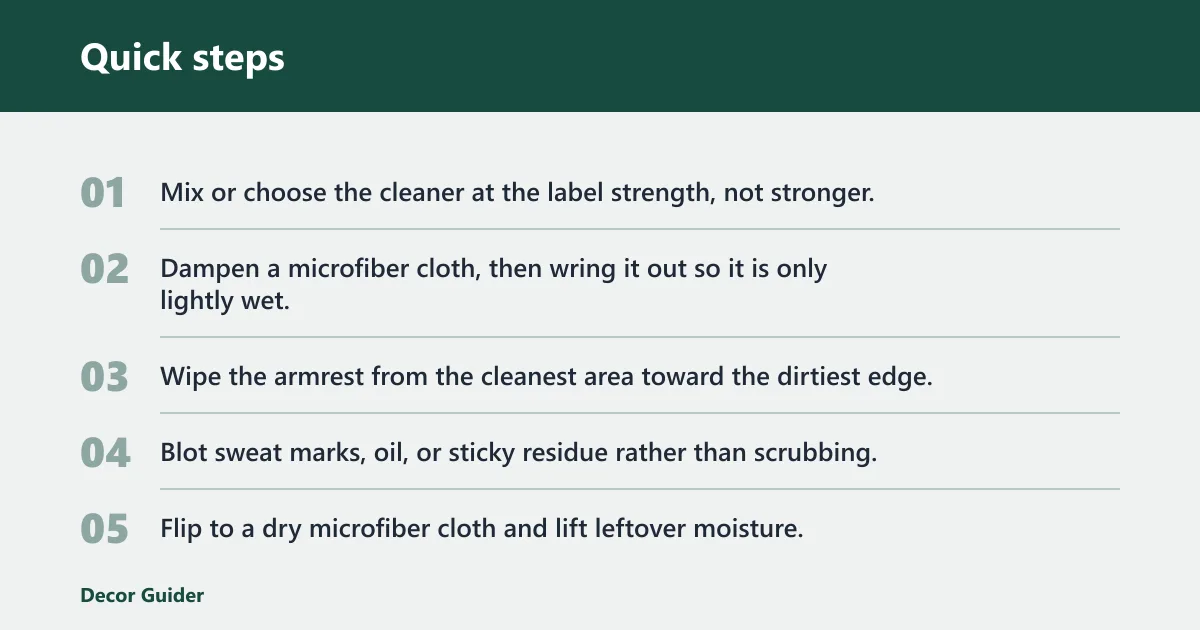
- Mix or choose the cleaner at the label strength, not stronger.
- Dampen a microfiber cloth, then wring it out so it is only lightly wet.
- Wipe the armrest from the cleanest area toward the dirtiest edge.
- Blot sweat marks, oil, or sticky residue rather than scrubbing.
- Flip to a dry microfiber cloth and lift leftover moisture.
- Let air move across the armrest until it is fully dry.
Use a vacuum with brush attachment first if the fabric has crumbs or hair in the seam. That keeps grit from grinding into the weave while you wipe.
How do you remove sweat and oil?
Sweat and body oil are the armrest soils most likely to darken the front edge. On many fabrics, baking soda can help with odor and some grease, but it must be vacuumed off after its dwell time. On leather, clean gently first, then apply conditioner so the surface does not dry out.
Targeted soil fixes
- For fabric, sprinkle a light layer of baking soda only on the oily zone if the material can handle dry powder.
- Wait 15 minutes, then vacuum it off with a brush attachment.
- If the spot still feels tacky, wipe it with the correct cleaner on a microfiber cloth.
- For leather, wipe with a slightly damp cloth and leather cleaner, then dry at once.
- Finish with leather conditioner once the surface is fully dry.
Suppose the armrest has a sticky patch from hand lotion at the front corner. Start with a hidden-area test, then use the mildest cleaner that matches the code. If the stickiness remains after one pass, repeat once with a fresh cloth rather than pouring on more liquid.
Armrest cleaning decision table
| Material | Visible soil type | Safest cleaner | Dwell time | Tool choice | Risk warning | When to stop and call a professional |
|---|---|---|---|---|---|---|
| W fabric | Dust, hand oil, light grime | Diluted mild soap cleaner or water-based upholstery cleaner | 5–10 minutes on the cloth, not the armrest | Microfiber cloth and vacuum with brush attachment | Do not soak the padding or seam line | If the area darkens, rings appear, or the weave feels stiff after drying |
| S fabric | Body oil, sunscreen, sticky residue | Solvent-based cleaner only | Follow the product label; keep contact brief | Microfiber cloth | Water can set some marks or leave rings | If the finish changes, the color transfers, or residue remains after two light passes |
| WS fabric | Mixed grime, sweat, light stains | Water-based or solvent-based cleaner after spot test | 10–15 minutes after the spot test | Microfiber cloth and soft brush attachment | Test first; some dyes shift when wet | If the test spot changes color or texture, stop and switch to a pro cleaner |
| X fabric | Dust, crumbs, hair | No liquid cleaner | None | Vacuum with brush attachment only | Any liquid can damage the fabric or backing | If the armrest is stained or oily, a professional upholstery cleaner is the safer path |
| Leather | Sweat, hand oils, dullness | Leather cleaner, then leather conditioner | Wipe dry immediately | Microfiber cloth | Avoid alkaline, varnish, or ammonia-based cleaners | If the leather cracks, peels, or the finish feels tacky after cleaning |
| Velvet | Flattened pile, light grime | Very light spot cleaning only after test | Short contact only | Microfiber cloth and soft brush attachment | Heavy rubbing can crush the pile | If the nap stays flattened or the dye lifts |
Common mistakes
Most armrest failures come from too much liquid, the wrong cleaner, or too much friction. The front edge is small, so errors show up fast. Catch them early and stop before the moisture reaches the foam.
| Mistake | Exact symptom it causes | What to do instead |
|---|---|---|
| Overwetting the arm padding | Water ring, dark halo, slow drying | Use a lightly damp microfiber cloth and blot dry after each pass |
| Using the wrong cleaner for the code | Color change, stiffness, finish damage | Check W, S, WS, or X before any liquid cleaner |
| Rubbing in body oil or color transfer | Smear marks and a larger stain edge | Blot, lift, and switch to a fresh cloth often |
| Drying in direct sunlight | Fading, dryness, or brittle fabric on the outer edge | Use indoor airflow and keep the piece out of direct sunlight |
Direct sunlight can damage upholstery during drying, and a hairdryer can do the same by drying the surface too quickly. Let the armrest dry at room temperature with air moving around it instead.
How often should sofa armrests be cleaned?
Armrests usually need more frequent cleaning than seat cushions because they collect body oils each day. A practical routine is weekly vacuuming of seams and monthly light wiping for visible grime, with deeper cleaning on a regular basis for high-use seating. Clean sooner if you see darkening at the front edge.
Quick maintenance rhythm
- Vacuum the armrests during regular room cleaning.
- Wipe with a dry microfiber cloth when the surface looks dusty.
- Spot-clean fresh marks before they set.
- Recheck high-contact edges every few weeks on family sofas or office seating.
A clean armrest often starts with prevention. Use clean hands when possible, keep lotions and hair products off the fabric, and vacuum seams before grime settles into the weave.
Frequently asked questions
How do I clean sofa armrests without damaging the fabric?
Match the cleaner to the code, test it in a hidden area, and keep the cloth only lightly damp. Wipe in short passes, blot dry, and stop if the fabric darkens or the weave feels stiff. For X-coded fabrics, skip liquids entirely and vacuum only.
What is the best thing to clean sofa arms?
A microfiber cloth and a vacuum with brush attachment are the safest starting tools for most armrests. Add a mild soap cleaner for W and many WS fabrics, solvent cleaner for S fabrics, and leather cleaner followed by conditioner for leather. Do not use one product on every material.
Can I use baking soda on sofa armrests?
Yes, on some fabrics, baking soda can help with odor and light grease, but it should never stay on the surface permanently. Sprinkle it lightly, wait 15 minutes, then vacuum it off with a brush attachment. Do not use it on leather or as a substitute for cleaning.
How do I remove sweat and body oil from sofa armrests?
Vacuum first, then blot the area with the correct cleaner for the material. On fabric, a lightly damp microfiber cloth and a short dwell time are usually enough for fresh oil. On leather, clean gently and finish with leather conditioner to guard against dryness and cracks.
Should I use water-based or solvent-based cleaner on armrests?
Use water-based cleaner on W fabrics and on WS fabrics only after a spot test. Use solvent-based cleaner on S fabrics, and keep X fabrics dry. If the tag is missing, treat the armrest as sensitive and test the least aggressive option in a hidden area first.
Products related to this article
Sponsored / affiliate links. As an Amazon Associate I earn from qualifying purchases. I may earn additional commission from eligible campaigns.