Sofa Fabric Pilling Troubleshooting
Treat sofa fabric pilling by checking fiber content first: short-staple fabrics and many blends are often more prone to pilling, and shave only surface pills on intact upholstery. Ignore the cause, and a cosmetic fix can turn into thinning, snags, or a ruined cushion cover. This guide shows how to identify the fabric, judge wear, remove pills safely, and keep them from returning.
What pilling on a sofa means


Fabric pilling is the fuzzy, bobbled surface that forms when short fibers break away from the yarn and tangle on top of the upholstery. It often shows up first where friction is highest: seat fronts, armrests, cushion tops, and the spots that rub against clothing, blankets, and pets.
It is often more visible on short-staple yarns and loose-knit or loose-weave constructions. Tight weaves usually resist abrasion better, while knit surfaces and slack weaves tend to shed and ball sooner.
What you’ll need
- Soft brush vacuum attachment
- Vacuum with low-suction setting
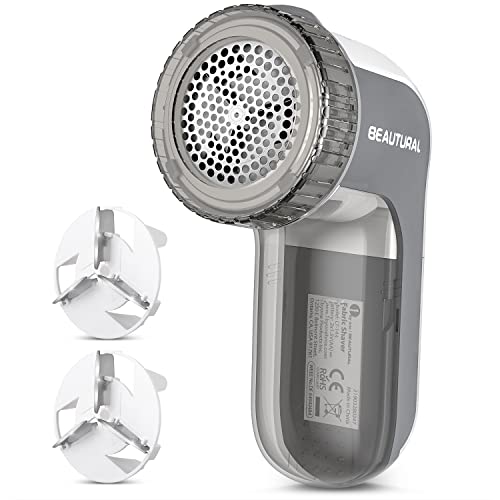
- Manual sweater shaver or fabric shaver with blade guard
- Lint roller or adhesive lint remover
- Clean white microfiber cloth
- Scissors for catching loose snags, if needed
- Sofa care label or manufacturer cleaning code
- Small hidden test area, such as the back edge of a cushion
- Optional: sofa cover, throw blanket, or panel protector
What kind of pilling is this?
The safest fix depends on fabric composition, construction, and where the wear appears. Polyester and microfiber often pill on the surface but can usually tolerate careful shaving if the weave is stable. Velvet, textured weave, and some performance fabrics need more caution because the nap, loops, or finish can change with the wrong tool.
Fabric type and construction
Blends often pill differently than 100% fibers because one fiber may abrade faster than the other. Loose weaves and knits usually need more care than tight weaves. A fabric that feels soft and stretchy can be more prone to snagging, while a denser upholstery weave usually handles brushing and vacuuming better.
Wear zone and usage pattern
Daily sit-and-stand friction, pet contact, and blanket abrasion all raise pill risk. Family seating tends to wear the front edge of cushions first. Armrests often show bobbling where hands rub and sleeves drag. If pills appear across one high-contact area only, that points to friction rather than a full-fabric defect.
When pilling may be a defect
Some pilling is normal during early break-in. It becomes a concern when it returns quickly after removal, appears on low-use zones, or comes with yarn pulls, thinning, or broken seams. If the care label was followed and the cover is still within warranty, document the pattern before you try more aggressive cleaning.
Sofa pilling troubleshooting matrix
Use this matrix to match the safest fix to the fabric and wear zone. Start with the least aggressive option that fits the symptom. If the fabric is delicate, loose, or heat-sensitive, stop at vacuuming or a cover rather than moving straight to a shaver.
| Pilling severity | Fabric type | Wear zone | Safest fix | Do | Don’t | Escalate when |
|---|---|---|---|---|---|---|
| Light fuzz | Tight weave, performance fabric | Seat top, arm edge | Vacuum | Use soft brush attachment on low suction once weekly. | Do not use a stiff brush or strong suction. | Fuzz stays after two vacuum passes. |
| Light to moderate bobbling | Polyester, microfiber | Seat front, armrest | Fabric shaver | Test on a hidden area, then use light pressure and short passes. | Do not press hard or shave over seams. | Yarns lift, snag, or the nap looks uneven. |
| Moderate fuzz | Velvet, textured weave | High-friction zones | Gentle brush | Brush in the fabric grain, then vacuum away loosened lint. | Do not scrub across the surface. | Brush marks remain or the pile shifts. |
| Moderate to heavy pilling | Loose weave, knit, short-staple blend | Seat front, cushion top | Cover or protector | Use a sofa cover or throw on the highest-wear panel. | Do not keep shaving if the fabric is thinning. | Pills return quickly after cleaning. |
| Heavy pilling with damage | Any fabric | Deep wear, snagged yarns | Professional cleaning or repair | Stop if heat damage, broken loops, or open seams appear. | Do not use heat, aggressive brushing, or a dull blade. | Padding shows through or the cover is distorting. |
How to remove pilling safely
Use the least aggressive method that matches the fabric. A fabric shaver can remove surface pills from stable upholstery, but it should never be the first move on loose knits, fragile velvet, or anything with visible yarn pulls. Check the care code, then test a hidden spot first.
-
Read the care label first. Find the manufacturer cleaning code and any spot-clean guidance. If the label warns against heat or dry abrasion, skip powered shaving until you know the fabric can tolerate it.
-
Vacuum loose grit. Fit a soft brush attachment, switch to the lowest suction level, and make one slow pass per section. Grit acts like sandpaper, so removing debris first reduces fresh abrasion during the next step.
-
Test in hidden space. Try the shaver or brush on the back hem or under a cushion edge. If the fabric catches, frays, or changes texture, stop and move to a cover or professional cleaning.
-
Shave only the pills. Hold the fabric taut with one hand and glide the shaver lightly in one direction across the surface. Use the blade-guard depth setting that removes fuzz without digging into the weave, then empty the lint chamber after each panel.
-
Recheck after each pass. Work in short sections of about 12 inches, then look for lifted yarns or thin spots. A common first-timer mistake is making repeated passes in the same place, which can turn surface fuzz into a worn patch.
Handle delicate or loose fabrics with care
Velvet, loose weaves, and knits need a lighter touch than polyester or microfiber. Use a gentle fabric brush only in the direction of the pile or weave. If the surface looks flattened instead of cleaner, stop there and switch to a protector or cover.
Say your sofa is a loose-knit blend and the pills sit mostly on the seat front. One light vacuum pass removes grit, but a shaver starts lifting loops. Stop there, because the construction is more likely to snag than to recover neatly.
Know when cleaning should stop
Stop immediately if you see heat damage, broken yarns, a rough hole starting, or pills that return within a few days. Those signs mean the surface is wearing through rather than merely fuzzing. At that point, more shaving usually removes useful fibers along with the pills.
How do you keep pilling from coming back?
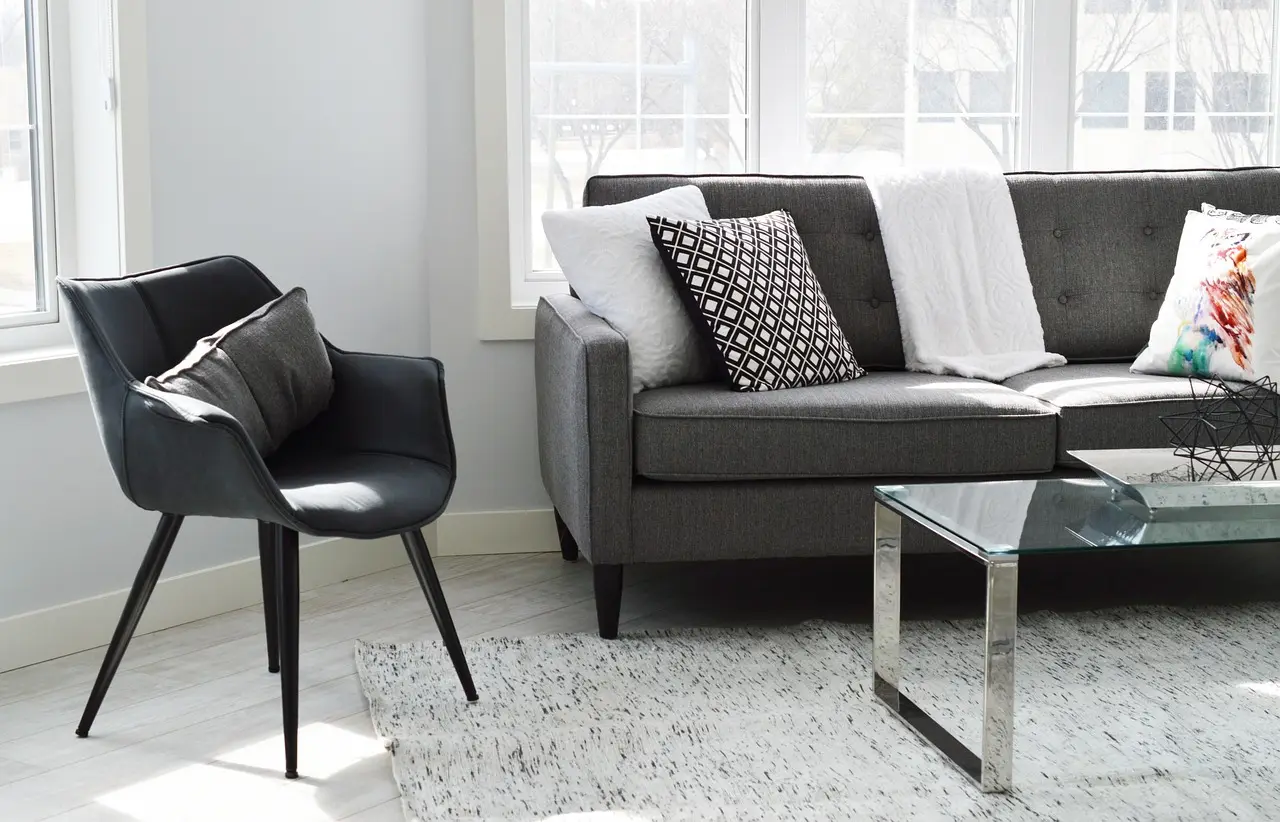
Prevention works best when you lower friction and keep grit off the fabric. Vacuuming, better seat rotation, and simple covers matter more than any one tool. For homes with pets, children, or heavy daily use, the most practical fix is often protecting the highest-wear panels instead of chasing pills after they form.
Vacuum dust and grit the right way
Use a soft brush attachment on low suction about once a week, and more often on seat fronts and armrests if the sofa sees heavy use. Vacuuming removes dirt that rubs against fibers, which slows the abrasion that leads to pilling. Skip stiff brushes and turbo heads.
Reduce friction from pets, blankets, and clothing
Blankets with rough weaves, denim, and dry synthetic clothing all add abrasion. Keep a throw blanket on top of the most used seat panel if that panel gets daily wear. If pets claim one cushion, use a washable cover there first instead of treating the whole sofa as equally exposed.
Suppose a family room sofa pills fastest on the middle cushion because everyone sits there after school. A cover over that single panel can reduce rubbing far more than shaving the whole sofa every month. That is especially useful when the rest of the upholstery still looks even.
Use covers or protect high-wear panels
A sofa cover, throw blanket, or high-wear panel protector makes sense when the fabric is already vulnerable or when the household use pattern is hard on upholstery. Performance fabric and tight weaves often need less help, but loose weaves and many blends benefit from extra protection in the main contact zone.
Common mistakes
- Using a shaver before removing grit. Dirt makes the tool drag and can roughen the surface.
- Skipping the hidden test area. Some fabrics look sturdy but snag easily once the blade touches them.
- Brushing across velvet or pile fabrics. That can flatten the surface and leave a worn stripe.
- Using heat to “fix” pills. Heat can damage synthetic fibers and set in distortion.
- Shaving over seams, piping, or loose yarns. Those spots catch blade edges and can open a run.
- Quick recurrence usually points to ongoing abrasion or deeper wear, not a one-time cleaning problem.
Frequently asked questions
What is pilling on a couch?
Pilling is the cluster of small fuzz balls that forms when upholstery fibers rub, break, and mat together on the surface. It usually appears first on seat fronts, armrests, and cushion tops. The safest first move is to remove loose grit, then choose a tool that matches the fabric type.
How to remove pilling from couch
Start with a soft brush vacuum attachment on low suction, then test a fabric shaver on a hidden area. If the fabric is stable, make short, light passes in one direction and empty the lint chamber often. Stop if yarns lift, seams catch, or the surface thins.
How to fix polyester pilling
Polyester often responds well to careful shaving because the pills are usually surface-level. Check the care label, test on a hidden area, then use a fabric shaver with a guarded blade on the lowest practical setting. If the pills return quickly, the fabric may be under constant friction or nearing wear-out.
What causes pilling on fabric?
Friction is the main cause. Sit-and-stand motion, pet contact, blanket rubbing, and clothing abrasion all push fibers against each other until they break loose. Short-staple fibers, loose weaves, and knit constructions tend to show the problem sooner than tighter upholstery weaves.
How do you know if the fabric is prone to pilling?
Check the weave, the fiber content, and the wear pattern. Loose weaves, knits, and many short-staple blends tend to pill more easily than tight weaves. If the sofa already fuzzes on armrests or cushion fronts after light use, that construction is likely more vulnerable and should be protected early.
Products related to this article
Sponsored / affiliate links. As an Amazon Associate I earn from qualifying purchases. I may earn additional commission from eligible campaigns.