How to Fluff Sofa Cushions: Easy Tricks for a Plush Look
Sinking into a cozy sofa is one of life’s simple pleasures. But over time, even the best sofa cushions can lose their bounce and look flat. This doesn’t just affect comfort, it changes how your whole living room feels. Many people don’t realize that with the right steps, you can bring tired cushions back to life.
Fluffing sofa cushions can make your couch look newer, feel better, and even extend the life of your furniture. Whether you have feather, foam, or fiber cushions, there are practical techniques you can use at home. This guide will walk you through everything you need to know, from understanding the types of cushions to expert tricks for keeping them soft and supportive.
Why Sofa Cushions Go Flat
Sofa cushions go flat for a few common reasons. The most frequent cause is simple wear and tear. Every time you sit, the filling inside the cushion compresses. Over months or years, this compression becomes permanent. The materials inside your cushion matter, too. Foam tends to hold its shape longer, but it can break down and become stiff. Feather and fiber fillings often shift and clump, leading to lumps or thin spots.
Humidity, temperature, and even how often you rotate the cushions also play a role. Cushions in homes with kids or pets typically flatten faster due to frequent use and bouncing. Many people don’t know that sunlight can also weaken cushion materials, causing them to degrade and lose their shape more quickly.
Pro Tip: Fluffing your cushions regularly prevents deep compression and keeps the filling distributed evenly.
Types Of Sofa Cushions And How They Affect Fluffing
Not all sofa cushions are created equal. The method you use to fluff depends on the type of filling inside.
Foam Cushions
Foam cushions are popular because they provide firm support and last longer. However, cheap or low-density foam can break down and lose its resilience. Foam cushions need physical manipulation, pushing, pulling, and sometimes even replacing the core when they get too soft.
Feather And Down Cushions
Feather and down cushions are known for their plush feel. But they need more regular fluffing, as the filling tends to migrate to the edges or clump together. You can restore these by shaking, kneading, and occasionally adding new feathers.
Fiber-fill Cushions
Fiber-fill cushions use polyester or other synthetic fibers. They’re lightweight and affordable but can compress quickly. The fluffing process usually involves shaking and separating the fibers by hand.
Memory Foam And Hybrid
Memory foam and hybrid cushions mix foam with other materials. Memory foam is slow to return to its shape, so you need to give it time after fluffing. Hybrid types may need a combination of methods.
Here’s a quick comparison of cushion types and how easy they are to fluff:
| Cushion Type | Fluffing Difficulty | Best Method |
|---|---|---|
| Foam | Medium | Manual manipulation |
| Feather/Down | Easy | Shaking and kneading |
| Fiber-Fill | Medium | Shaking, separating fibers |
| Memory Foam | Hard | Patting, resting period |
Essential Tools And Supplies
You don’t need fancy equipment to fluff sofa cushions, but a few simple items can make the job easier.
- Vacuum cleaner (with upholstery attachment): Removes dust and helps lift fibers.
- Spray bottle with water: Lightly misting cushions can help relax fibers.
- Tennis balls or dryer balls: Useful for machine fluffing.
- Upholstery brush: Helps restore the surface nap and texture.
- Sewing kit: For fixing small rips or tears before they get worse.
Pro Tip: For feather cushions, a pillow protector or tightly woven cover keeps feathers from poking out and makes fluffing more effective.
Step-by-step Guide: How To Fluff Sofa Cushions
Fluffing sofa cushions isn’t hard, but doing it right makes a big difference. Here’s a practical, step-by-step approach.
Step 1: Remove The Cushions
Take all loose cushions off your sofa. This gives you access to both sides and lets you check the condition of the cushion and the support underneath.
Step 2: Check For Damage
Look for any tears, loose seams, or holes. If you find damage, fix it before fluffing, or the filling could escape and make things worse.
Step 3: Shake And Pat
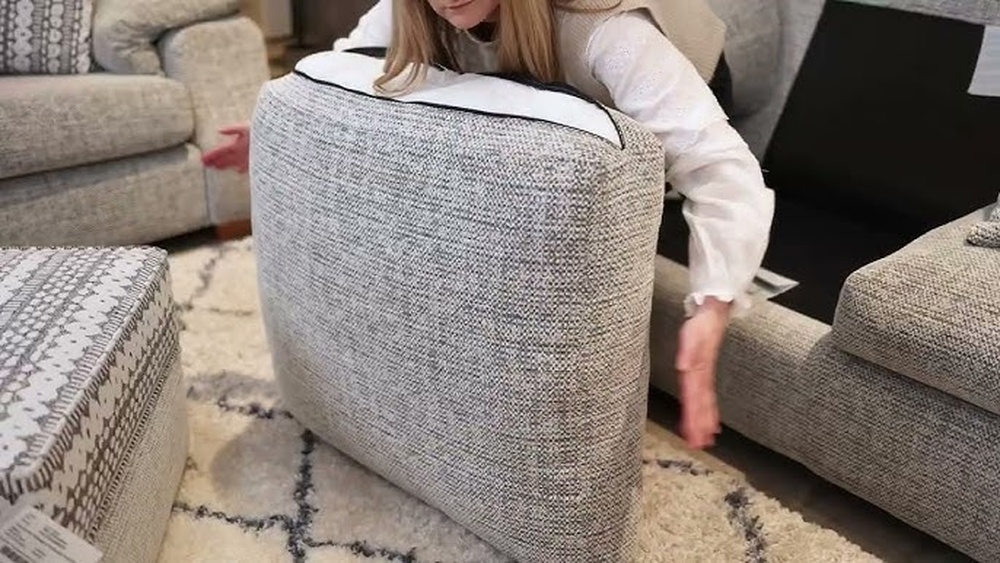
Hold each cushion at the corners and give it several firm shakes. This helps redistribute any clumped filling. Then, use the sides of your hands to pat the surface in quick, even motions.
Step 4: Knead And Manipulate
For foam and fiber-fill cushions, use your hands to knead and squeeze the cushion, almost like working bread dough. This helps break up compressed areas and brings air back inside.
Example: When I tested kneading versus just shaking, cushions I kneaded stayed fluffier for several days longer.
Step 5: Use A Vacuum (optional)
If your cushions are very flat, use a vacuum’s upholstery tool on a low setting. Light suction can pull up the fibers and remove dust, making the cushion feel lighter and fresher.
Step 6: Mist With Water (if Needed)
Lightly spray the cushion with clean water. Do not soak it, just a fine mist. Water helps relax fibers, especially in polyester or feather cushions. After misting, repeat the shaking and kneading process.
Step 7: Air Out The Cushion
Set the cushion in a well-ventilated area for about 1, 2 hours. This lets the filling expand and any moisture evaporate. Avoid direct sunlight for more than 15 minutes, as UV can damage fabrics and fillings.
Step 8: Rotate And Flip
Return the cushions to the sofa, but swap their positions. Flip each one over so the side that was on the bottom is now on top. This helps wear the filling evenly.
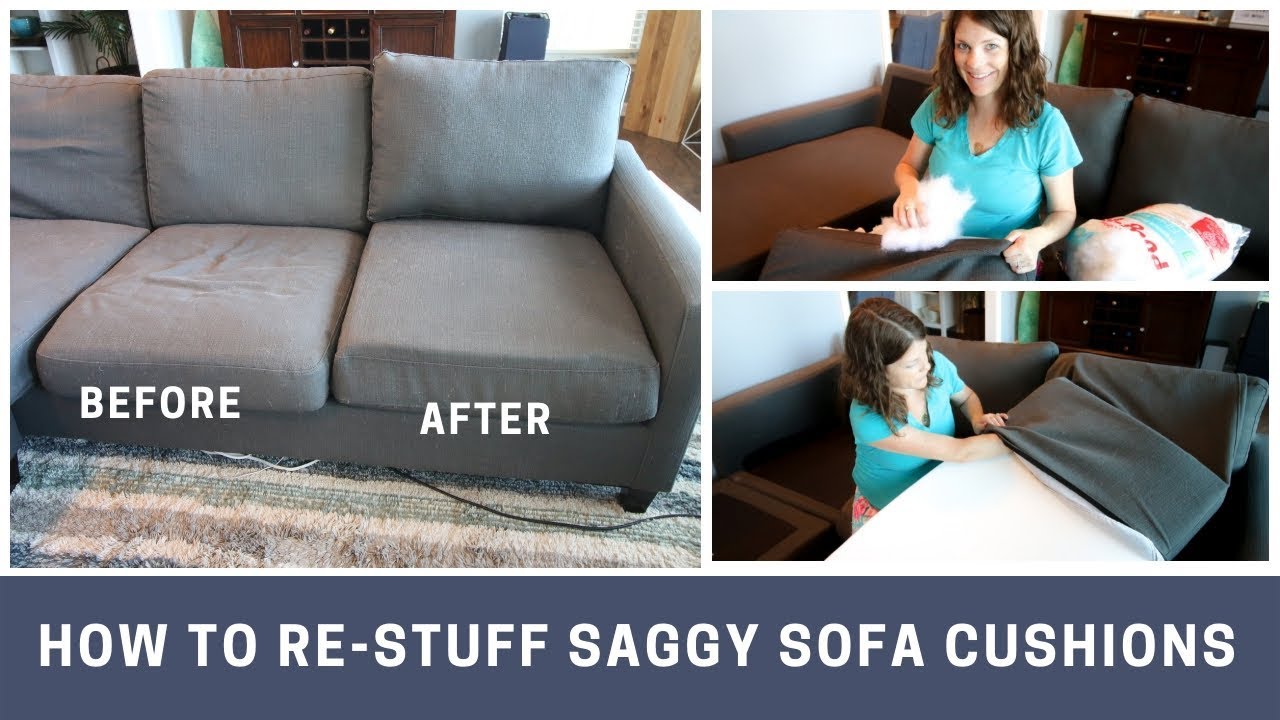
Credit: www.youtube.com
Machine Fluffing: Using Your Dryer
Some cushions (especially small or medium-sized ones with removable covers) can be fluffed using a clothes dryer. This method is quick and surprisingly effective.
- Check the label: Only use the dryer if the cushion is marked as machine-safe.
- Remove covers: Washable covers can be washed separately. Put the cushion insert in the dryer.
- Add tennis balls or dryer balls: These bounce around and beat the cushion, loosening the filling.
- Use low heat or air fluff: High heat can damage synthetic fibers or shrink covers.
- Dry for 15, 20 minutes: Check every 10 minutes. Stop if you see any warping.
Pro Tip: Adding a clean, dry towel speeds up the process and absorbs moisture.
Advanced Fluffing Techniques
If your cushions are still flat after standard fluffing, try these advanced methods.
Replacing Or Supplementing Filling
Sometimes, old cushions need more than fluffing, they need extra filling. You can buy loose fiber, foam chips, or feathers online or at upholstery stores. Open a small seam, add filling, and sew it closed.
Steaming
A handheld fabric steamer can help relax and expand fibers, especially in polyester-filled cushions. Hold the steamer 3, 4 inches away and move it slowly across the surface. Fluff by hand as you go.
Warning: Do not over-wet the cushion, as trapped moisture can lead to mold.
Sun And Air Method
For feather or down cushions, placing them outside on a dry, breezy day can help restore loft. The moving air fluffs the filling, and sunlight kills dust mites. Limit exposure to direct sun to avoid fading.
Professional Fluffing
For high-end or antique sofas, consider professional upholstery services. They can restuff, refoam, or even rebuild cushion interiors. This is more expensive but can make an old sofa feel brand new.
Common Mistakes And How To Avoid Them
Many people make simple mistakes when fluffing cushions. Here are a few to watch out for:
- Over-wetting: Too much water can soak the filling, causing mold and odors.
- Forgetting to rotate: Using the same cushion spot every time leads to uneven wear.
- Ignoring small tears: Even tiny holes let filling escape, making cushions flat faster.
- Using high heat: Dryers set too hot can melt synthetic fibers or shrink covers.
- Skipping regular maintenance: Waiting until cushions are very flat makes them harder to revive.
Pro Tip: Fluffing your cushions once a week keeps them in better shape than waiting until they look bad.
How Often Should You Fluff Sofa Cushions?
The answer depends on cushion type and usage. For a family sofa used daily, fluffing once a week is ideal. For guest room furniture, once a month is enough. Feather and down cushions need more frequent attention, sometimes every few days.
This table summarizes the recommended frequency:
| Cushion Type | Recommended Fluffing |
|---|---|
| Foam | Once per week |
| Feather/Down | Every 2, 3 days |
| Fiber-Fill | Once per week |
| Memory Foam | Every 2 weeks |
Credit: www.povison.com
When Fluffing Isn’t Enough: Signs It’s Time To Replace
Even the best care can’t save a cushion forever. If you notice any of these signs, it may be time to replace the filling or buy new cushions:
- The cushion stays flat after every fluffing.
- You feel the sofa frame when sitting.
- The fabric is stretched or saggy.
- Visible lumps that cannot be smoothed out.
- Persistent odors or stains that won’t come out.
Some cushions allow you to replace just the filling; others need a full replacement. Upgrading to higher-density foam or better-quality filling can make a big difference.
Keeping Sofa Cushions Fluffy: Preventative Maintenance
A little care goes a long way in keeping your cushions plump and comfortable.
- Rotate cushions regularly: Swap their positions to prevent uneven wear.
- Vacuum weekly: Remove dust and debris that can break down filling.
- Protect from sunlight: Move your sofa or close curtains to avoid UV damage.
- Use covers: Removable covers are easier to clean and help protect the filling.
- Discourage jumping: Kids and pets add extra wear, set rules if you want cushions to last.
Example: In homes with dogs, putting a washable throw on the sofa helps protect the cushion’s surface and keeps fluffing effective longer.
Credit: www.homezada.com
Choosing The Right Filling For Long-term Fluff
If you’re buying new cushions or considering replacement, the right filling makes a difference.
| Filling Type | Comfort | Durability | Maintenance |
|---|---|---|---|
| High-density Foam | Firm | High | Low |
| Feather/Down | Plush | Medium | High |
| Fiber-Fill | Soft | Low | Medium |
| Memory Foam | Supportive | High | Low |
Pro Tip: If you want cushions that stay fluffy with minimal effort, look for high-resilience foam cores wrapped in a thin layer of feather or fiber.
Environmental And Health Considerations
Some cushion fillings, especially older foam, can release chemicals into the air over time, a process called off-gassing. Choosing newer, certified foam or natural fillings can reduce this. If you have allergies, feather cushions may not be the best choice, as they can trap dust mites.
Look for hypoallergenic covers and fillings, and wash covers regularly.
For more on safe furniture materials, check resources like EPA’s Indoor Air Quality guide.
Frequently Asked Questions
How Do You Fluff Sofa Cushions That Are Attached To The Sofa?
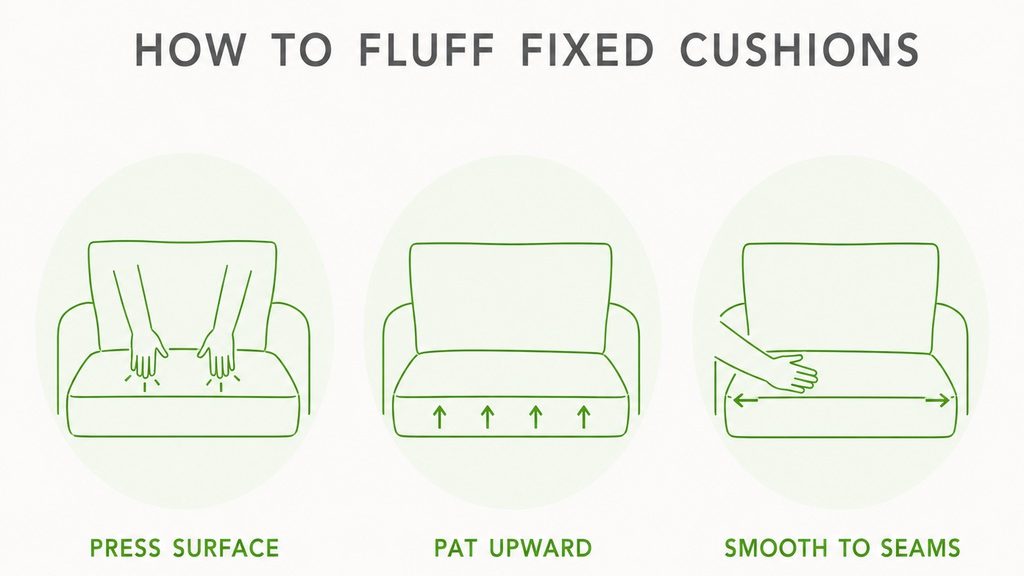
For attached cushions, use your hands to push, pat, and knead from the edges toward the center. You can also gently punch the surface with your fists to lift the filling. Try sliding a hand between the cushion and the frame to help redistribute the filling.
Can You Add Extra Filling To Old Cushions?
Yes, you can add more filling if the cushion has a zipper or you can open a seam. For foam cushions, add a layer of fiber wrap or new foam. For feather or fiber cushions, add loose material until it reaches the desired firmness, then sew it closed.
Is There A Way To Make Cushions Stay Fluffy Longer?
Using a cushion protector and rotating cushions every week helps maintain even wear. Avoid sitting in the same spot and keep cushions out of direct sunlight. Choose higher-quality filling if you’re replacing or upgrading.
Why Do My Cushions Smell After Fluffing?
Cushions may develop odors if they’re damp, have absorbed sweat, or contain old filling. Always let cushions air out after misting or steam cleaning. For persistent smells, sprinkle baking soda on the cushion, let it sit for 15 minutes, then vacuum it off.
What’s The Best Way To Clean Sofa Cushions Before Fluffing?
Vacuum the surface thoroughly with an upholstery attachment to remove dust and debris. If the covers are removable and washable, clean them according to the manufacturer’s instructions. For spot cleaning, use a mild upholstery cleaner and let the cushion dry completely before fluffing.
Bringing life back to your sofa cushions is simpler than most people think. With regular fluffing, the right technique, and a little attention to detail, your sofa can look and feel inviting for years. Remember
Products related to this article
Sponsored / affiliate links. As an Amazon Associate I earn from qualifying purchases. I may earn additional commission from eligible campaigns.