How to Keep Your Dog off the Sofa: Proven Tips That Work
Dogs love comfort. For many, the sofa is the softest, coziest spot in the house. But as cute as your dog looks curled up on those cushions, you might not want pet hair, muddy paws, or drool stains on your furniture.
Training your dog to stay off the sofa is not just about keeping things clean, it’s also about setting boundaries, keeping everyone safe, and making your home comfortable for all. Teaching this habit takes patience and the right methods. By understanding your dog’s behavior and using clear, consistent training, you can help your furry friend learn where they are (and aren’t) allowed to relax.
Why Dogs Love Sofas
Sofas are high-value real estate for dogs. They offer softness, warmth, and a perfect view of the room. For dogs, being on the sofa often means being close to their favorite humans. Many breeds are naturally drawn to elevated spaces because it gives them a sense of security or control.
Some dogs also like the smell of their owners on the sofa. The scent is comforting, especially if they suffer from separation anxiety. Dogs are also social animals, so if you spend your evenings on the couch, your dog wants to be right there with you.
It’s important to recognize that your dog is not being disobedient on purpose, they’re simply doing what feels natural. Understanding this helps you use positive, respectful methods to change their habits.
Is It Bad To Let Your Dog On The Sofa?
This is a personal choice. Some people love snuggling with their dogs on the couch. Others have allergies, delicate furniture, or rules about pets on furniture. Allowing dogs on sofas is not “bad,” but it can have downsides:
- Allergies: Dog hair and dander can collect on cushions.
- Damage: Claws can scratch leather or snag fabric.
- Hygiene: Outdoor dogs may bring in dirt or ticks.
- Training: Mixed signals confuse dogs, especially if some family members allow it and others do not.
If you decide you want to keep your dog off the sofa, it’s possible with the right strategy.
Understanding Your Dog’s Motivation
Before you can stop the behavior, you need to know why your dog wants the sofa so badly. Common motivations include:
- Comfort: Sofas are softer than the floor or dog beds.
- Closeness: Dogs want to be near you or at your level.
- Curiosity: Elevated positions give a better view of the room.
- Scent: Your scent on the sofa is reassuring.
Try to observe when your dog chooses the sofa. Is it when you’re there? When they’re alone? After a walk? Noticing patterns will help you address the real reason behind the behavior.
Setting Clear Boundaries
Consistency is the foundation of any dog training. Everyone in the house must follow the same rule. If one person allows the dog on the sofa, but another says no, your dog will be confused and training will take much longer.
Pro Tip: Make a household agreement before starting. Decide if the dog is never allowed on the sofa, or only in special cases (for example, with a blanket or when invited). Write the rule down if needed.

Credit: www.youtube.com
Choosing An Appealing Alternative
If your dog is banned from the sofa, they need another cozy spot. Dogs will not give up comfort without a good replacement. Here’s how to pick or create a great alternative:
- Dog Beds: Choose a bed with enough padding. Orthopedic beds are ideal for older dogs.
- Location: Place the bed near where you spend most of your time, so your dog doesn’t feel left out.
- Blankets: Dogs love familiar smells. Use a worn T-shirt or blanket to make the bed extra inviting.
- Elevated Beds: Some dogs prefer beds with sides or that are off the ground.
Here’s a quick comparison of common dog bed types:
| Type | Best For | Pros | Cons |
|---|---|---|---|
| Orthopedic Foam Bed | Older dogs, joint pain | Supportive, comfortable | Can be pricey |
| Bolster Bed | Dogs who like to lean | Feels safe, supportive sides | Harder to clean |
| Elevated Cot | Hot climates, outdoor use | Cooling, easy to clean | Not as soft |
| Simple Mat | Small spaces, travel | Portable, affordable | Less cushioning |
Step-by-step Training To Keep Dogs Off The Sofa
1. Remove The Attraction
If your dog already loves the sofa, make it less inviting. You can:
- Place laundry baskets or large objects on the sofa when not in use.
- Use aluminum foil or double-sided tape for a few days, most dogs dislike the texture.
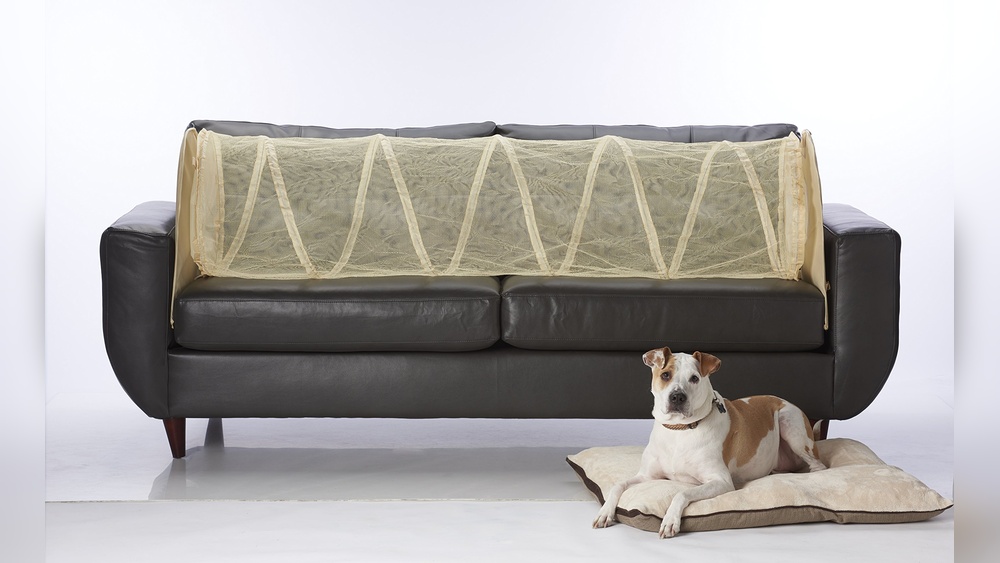
- Try commercial pet deterrent mats (but avoid anything painful or frightening).
These steps are temporary and help your dog break the habit by removing immediate temptation.
2. Reward The Right Behavior
Whenever your dog chooses their bed or another allowed spot, praise them. Give a treat, gentle petting, or enthusiastic “good dog!” This helps them connect the alternative spot with positive feelings.
If you catch your dog about to jump on the sofa, redirect them to their bed. When they settle there, offer a reward. Over time, they will learn that their bed is a good place to be.
3. Use A Clear Command
Pick a simple, consistent phrase like “off” or “down. ” Only use this word when you want your dog to get off the sofa.
- If you see your dog on the sofa, say “off” in a calm, firm voice.
- Lure them down with a treat if needed.
- Once they are off, immediately reward them.
Avoid shouting or scolding, as this can create fear or confusion. Calm correction is much more effective.
4. Be Consistent, Always
Dogs learn from patterns. If you sometimes allow your dog on the sofa (for example, when guests aren’t around), you undo your own training. Stick to the rule every day.
Example: In my experience, even one “exception” can cause weeks of backsliding. If you want to cuddle, sit on the floor with your dog instead.
5. Supervise Or Limit Access
When you’re not home, your dog may sneak onto the sofa. To prevent this:
- Use baby gates or close doors to the living room.
- Crate train your dog for short periods if they are comfortable with it.
- Set up a dog camera to monitor and correct the behavior remotely.
6. Make The Alternative Irresistible
Place your dog’s new bed in a warm, sunny spot. Add toys, treats, or chews to make it fun. You can even feed meals on the bed at first, so your dog associates it with good things.
For dogs with separation anxiety, keep their bed near where you spend time, or use background music for comfort.
What To Avoid When Training
Some methods might seem effective but can harm your dog’s trust or well-being:
- Never use punishment: Yelling, spraying water, or physical corrections can cause fear and anxiety.
- Avoid shock mats: These can hurt your dog and damage your bond.
- Don’t confuse your dog: If you sometimes allow sofa access (for example, at night or with a blanket), your dog won’t know what’s expected.
Dogs learn best with kindness, patience, and clear rules.
Why Consistency Matters Most
Dogs are creatures of habit. If you change the rule often, they become confused and anxious. Consistent training speeds up learning and builds trust.
If multiple people live in your home, everyone must follow the same rule. Even small lapses, like letting the dog up for a few minutes, can reset your progress.
Special Considerations For Puppies And Senior Dogs
Puppies
Puppies love to explore and are quick learners. Start training as soon as you bring your puppy home. They will accept the rule more easily if they never get used to the sofa.
Puppies also need more supervision. Keep them in the same room as you and reward them for using their bed.
Senior Dogs
Older dogs may have joint pain or mobility issues. Make sure their alternative bed is supportive and easy to access. If your senior dog has always been allowed on the sofa, changing the rule will take extra patience and understanding.
Managing Multi-dog Households
If you have more than one dog, training can be more complex. Dogs watch each other and copy behaviors. If one dog is allowed on the sofa, the others will want to join.
Set the same rule for all dogs. Train each dog individually at first, then practice together. Use multiple beds if needed so each dog has a comfortable spot.

Credit: www.amazon.com
When Guests Visit
Sometimes visitors want to cuddle your dog on the sofa. This can confuse your pet and set back your training.
Ask guests to follow your rules. Explain that you are training your dog to stay off the furniture and ask for their help. Provide your dog with treats or toys to keep them occupied in their bed during visits.
Using Deterrents: What Works And What Doesn’t
Many products claim to keep dogs off furniture. Some are effective, others are not. Here’s a comparison of popular deterrents:
| Deterrent | How It Works | Effective? | Safe? |
|---|---|---|---|
| Aluminum Foil | Unpleasant texture/sound | Usually | Yes |
| Double-sided Tape | Sticky sensation on paws | Often | Yes |
| Motion-activated Air Can | Releases puff of air | Sometimes | Yes (but can startle) |
| Shock Mats | Delivers mild shock | Yes | No (not recommended) |
| Pet Deterrent Spray | Unpleasant smell | Rarely | Yes |
Warning: Never use deterrents that cause pain or fear. Long-term, these damage your relationship with your dog.
Common Mistakes Owners Make
- Inconsistency: Allowing sofa access sometimes, but not always.
- Punishing after the fact: Scolding your dog when you find them on the sofa hours later doesn’t help, they won’t connect the punishment with the action.
- Not providing alternatives: Expecting your dog to give up comfort with no other option.
- Giving mixed signals: Allowing access with certain people or during certain times.
Avoid these mistakes for faster, happier results.
How Long Does Training Take?
Changing habits takes time. For most dogs, it takes 2-4 weeks of consistent effort to break the sofa habit. Some dogs may take longer, especially if they’ve enjoyed the sofa for years.
Remember, setbacks are normal. If your dog slips up, calmly redirect and continue with your training plan.
When Professional Help Is Needed
Some dogs have strong attachment issues or anxiety that makes training difficult. If you’ve tried all the steps and your dog is still obsessed with the sofa, a certified dog trainer or behaviorist can help. Look for professionals who use positive reinforcement methods.
For complex behavioral problems, always consult your veterinarian first to rule out medical causes.
Non-obvious Insights Most Owners Miss
- Scent swapping: Dogs are drawn to your scent. Placing something with your smell on their bed can help speed up the transition.
- Furniture height: Dogs prefer sofas because they’re higher than the floor. An elevated bed or a bed on a low platform can make the alternative feel more “special.”
- Routine matters: Dogs love routine. Placing your dog on their bed at the same time each evening (for example, when you sit down to watch TV) can help make the new habit stick faster.

Credit: www.youtube.com
Frequently Asked Questions
How Do I Keep My Dog Off The Sofa When I’m Not Home?
The best way is to block access using baby gates or by closing doors. Some owners use motion-activated pet deterrent devices, but these can startle sensitive dogs. Crate training is another option if your dog is comfortable with it. Setting up a consistent routine, where your dog is rewarded for using their own bed, can also help reduce the temptation.
Will My Dog Feel Rejected If I Don’t Let Them On The Sofa?
Dogs don’t see furniture rules as personal. As long as you give your dog attention, affection, and a comfortable place to rest nearby, they won’t feel rejected. Spend quality time with your dog on the floor or in their bed to help them feel included.
What If My Dog Only Jumps On The Sofa At Night?
Nighttime sofa-surfing is common, especially if dogs are left alone in the living room. Try moving your dog’s bed into your bedroom or using a baby gate to block access at night. Some owners find that giving a special nighttime treat in the dog bed helps reinforce the new routine.
Can I Train An Older Dog To Stay Off The Sofa?
Yes, but it can take more time and patience. Older dogs may be attached to their routines. Make the alternative bed extra appealing and reward all positive behavior. Use gentle redirection rather than scolding, and be patient, older dogs can learn, but may need more encouragement.
Are Certain Breeds More Likely To Climb On Furniture?
Some breeds, especially companion or lap dogs like Cavalier King Charles Spaniels or Chihuahuas, may be more interested in sofas because they crave closeness. However, any dog can develop a preference for furniture if it’s soft and accessible. The key is consistent training and providing a cozy alternative.
Keeping your dog off the sofa is possible with patience, consistency, and kindness. By understanding your dog’s needs and motivations, offering a comfortable alternative, and staying firm with your rules, you can enjoy a tidy home and a happy, well-trained pet. For more about canine training and behavior, the ASPCA offers helpful resources.
Products related to this article
Sponsored / affiliate links. As an Amazon Associate I earn from qualifying purchases. I may earn additional commission from eligible campaigns.