How to Protect Sofa from Cats: Effective Tips and Tricks
Cats and sofas are a classic combination, one brings comfort to your home, the other brings warmth and personality. But if you own a cat, you know your beautiful sofa can quickly become a scratching post, fur magnet, or even a litter box alternative. Many cat owners feel frustrated when they see scratch marks, loose threads, and hair everywhere. You may even wonder if it’s possible to protect your sofa and still let your cat roam free. Good news: there are practical, effective steps you can take to keep your sofa safe without making your cat unhappy.
This article gives you detailed, easy-to-understand strategies to protect your sofa from cats. You’ll learn why cats scratch, which materials survive better, and how to train your cat to leave your furniture alone. Plus, you’ll see side-by-side comparisons of protective covers and sprays, and get solutions for problems like urine marking and excessive fur.
Whether you’re a new cat parent or have shared your home with cats for years, you’ll find practical tips here that actually work.
Understanding Why Cats Damage Sofas
Before you can protect your sofa, it helps to know why cats scratch and climb on furniture. Scratching is a natural behavior. Cats do it to:
- Sharpen their claws
- Mark their territory (they have scent glands in their paws)
- Stretch their muscles
- Relieve stress or boredom
Cats aren’t being naughty, they’re following instinct. If your sofa is their favorite target, it’s usually because it’s accessible, stable, and covered in a material that feels good under their claws.
Another common issue is urine marking. Sometimes cats spray or urinate on sofas to claim territory or because they’re stressed. Some cats also shed a lot, leaving fur on every surface.
Understanding your cat’s reasons helps you choose solutions that work with their instincts, not against them.
Picking The Right Sofa Material
Some sofa materials survive cats better than others. If you’re planning to buy a new sofa or reupholster your old one, choose wisely.
| Sofa Material | Scratch Resistance | Fur Sticking | Ease of Cleaning |
|---|---|---|---|
| Leather | Moderate to High | Low | Easy |
| Microfiber | High | Moderate | Easy |
| Tweed/Woven Fabric | Low | High | Difficult |
| Velvet | Low | Very High | Difficult |
Leather sofas are less attractive to most cats because their claws don’t sink in as easily, and fur doesn’t stick much. But if a cat does scratch, the marks can be obvious.
Microfiber is another strong choice. It’s tightly woven and less likely to snag. It’s also easy to clean, many stains wipe right off.
Tweed and other loosely woven fabrics are a bad match for cats. Claws catch easily, leading to pulls and tears. Plus, fur weaves itself deep into the fabric, making cleaning hard.
Velvet feels luxurious but attracts fur and is easily damaged by claws.
Pro Tip: If you’re buying a new sofa and want to protect it from cats, choose microfiber or leather for the best results. If you already have a fabric sofa, don’t worry, there are plenty of ways to add protection.
Credit: www.businessinsider.com
Using Sofa Covers And Protectors
One of the easiest ways to keep your sofa safe is to use a protective cover. Not all covers are created equal, though.
| Protector Type | Main Benefit | Drawback |
|---|---|---|
| Full Slipcover | Shields entire sofa from fur, scratches, and stains | Can shift or look wrinkled |
| Scratch Guard Mats | Blocks specific areas (arms, corners) from scratches | Doesn’t protect whole sofa |
| Plastic Film | Deters scratching due to texture cats dislike | Uncomfortable for people, not attractive |
Full slipcovers are usually made of machine-washable fabric. They protect against fur, dirt, and some scratching. Choose a snug fit for less shifting.
Scratch guard mats are often made from thick plastic or heavy-duty fabric and attach to the arms or sides of the sofa. They’re nearly invisible and focus protection where cats scratch most.
Plastic film (sometimes called couch shields) is sticky or slick, making it uncomfortable for cats to scratch. However, it’s not very pretty and can be noisy or uncomfortable for humans.
Pro Tip: In my experience, combining a slipcover with scratch guard mats gives great protection without making your sofa look strange. Wash slipcovers regularly and rotate mats to keep the sofa in good shape.
Training Your Cat To Avoid The Sofa
Protecting your sofa isn’t just about barriers, it’s about teaching your cat to pick better places to scratch. Cats can learn if you’re patient and consistent.
Provide Attractive Alternatives
Give your cat something better than your sofa. Good options include:
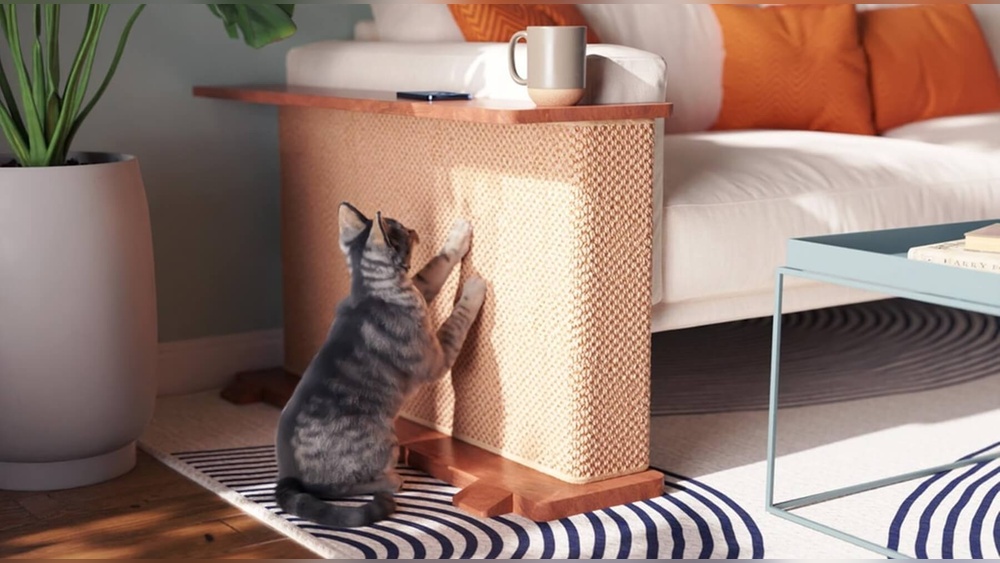
- Scratching posts: Tall and sturdy, covered with sisal or carpet
- Scratching pads: Flat or angled, made from corrugated cardboard
- Cat trees: Multi-level structures with posts, perches, and toys
Place these near the sofa at first, especially where your cat likes to scratch. Sprinkle catnip or use toys to attract your cat.
Use Positive Reinforcement
When your cat uses the scratcher instead of the sofa, reward them with treats, petting, or playtime. Positive attention works much better than scolding.
Make The Sofa Less Attractive
If your cat keeps returning to the sofa, try these tactics:
- Double-sided tape: Cats dislike the sticky feel. Place it on scratched areas for a few weeks.
- Aluminum foil: Temporarily cover problem spots. Most cats dislike the texture and sound.
- Move furniture: If possible, rearrange the room so the sofa isn’t the main focus.
Be patient, training takes time. Never punish your cat physically. This can damage your relationship and cause more stress, leading to worse behavior.
Example: When I adopted a young cat, she immediately targeted my fabric sofa. I placed a scratching post next to her favorite spot and used double-sided tape on the armrest. After two weeks, she stopped using the sofa and preferred the post, especially when I gave her treats for scratching the right spot.
Keeping Your Sofa Fur-free
Cat fur on sofas is a common complaint, especially during shedding seasons. Keeping your sofa fur-free takes regular effort, but it’s possible with the right approach.
Groom Your Cat Often
Brushing your cat regularly (daily for long-haired breeds, weekly for short-haired ones) removes loose fur before it lands on your furniture. Most cats enjoy grooming if you start slowly and use a gentle brush.
Use The Right Cleaning Tools
Some cleaning tools work better than others for removing fur from sofas.
| Cleaning Tool | Effectiveness | Best For |
|---|---|---|
| Lint roller | High | Quick touch-ups |
| Rubber glove | Moderate | Gathering fur from fabric sofas |
| Vacuum with pet brush | Very High | Deep cleaning |
A lint roller is fast and easy for daily use. For larger jobs, a rubber glove (slightly dampened) gathers fur with a wipe of your hand. A vacuum with a pet hair attachment is best for deep cleaning.
Wash Covers Regularly
If you use slipcovers or blankets, wash them every 1, 2 weeks. This keeps fur, dander, and odors under control.
Pro Tip: Place a washable blanket or towel on your cat’s favorite spot on the sofa. This collects most of the fur, making cleaning much easier.
Dealing With Cat Scratching: Practical Solutions
If your cat is a persistent scratcher, you need a multi-step approach. Here’s how to stop scratching damage in its tracks.
Trim Your Cat’s Claws
Regular nail trims make scratching less destructive. Use special cat nail clippers, and trim only the sharp tips. If you’re not sure how, ask your vet or watch a trusted video tutorial.
Try Soft Claw Caps
These small, soft covers glue onto your cat’s claws and last about 4, 6 weeks. They prevent damage but let your cat extend and retract their claws normally. Not all cats tolerate them, but they’re safe when used correctly.
Use Cat Deterrent Sprays
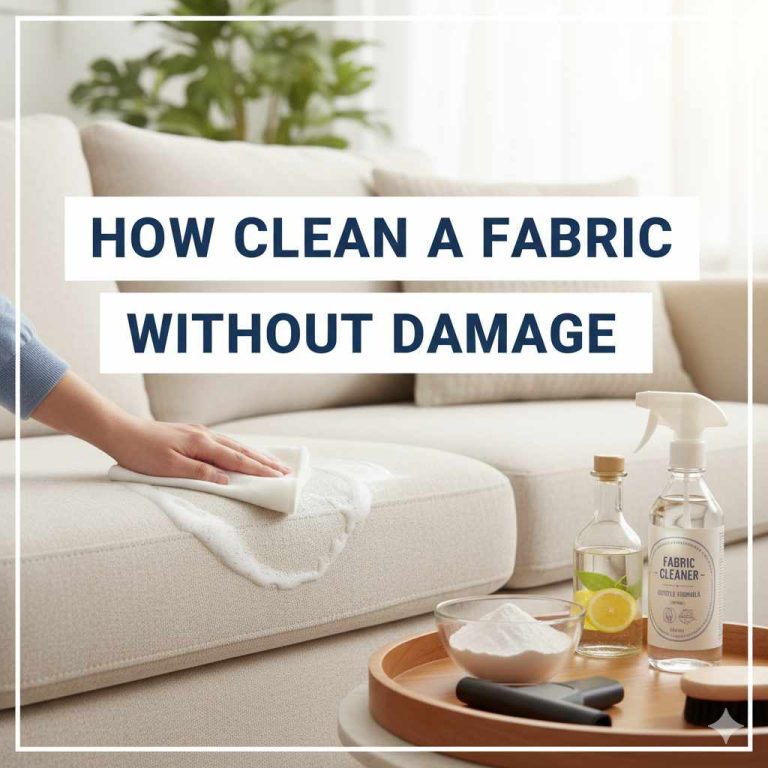
Commercial sprays use scents like citrus, which most cats dislike. Spray on sofa corners and other target spots. Always test on a small, hidden area first to avoid stains.
Pro Tip: Make your own spray by mixing water and a few drops of lemon or orange essential oil. Never use undiluted oils or products made for dogs, they can be toxic to cats.
Preventing Urine Marking And Accidents
Urine marking is a frustrating problem. It can be caused by stress, medical issues, or a dirty litter box. Here’s how to protect your sofa:
Keep The Litter Box Clean
Scoop daily and change litter regularly. Cats may avoid dirty boxes and use the sofa instead.
Reduce Stress
New people, pets, or changes in the home can stress cats. Provide hiding spots, stick to routines, and use pheromone diffusers to help calm your cat.
Treat Soiled Areas Properly
If your cat urinates on the sofa, clean it right away with an enzyme-based cleaner made for pet stains. This removes odors that might attract your cat back to the spot.
Warning: Never use ammonia-based cleaners. Their smell is similar to urine and may encourage more marking.
If urine marking continues, see your vet to rule out health problems like urinary tract infections.
Cat-proofing Your Sofa: Advanced Tips
Some cats are extra determined. If basic steps aren’t enough, these advanced methods can help.
Rearrange The Room
If your sofa is in a spot with high cat traffic or near windows, try moving it. Sometimes, changing the layout can disrupt your cat’s habit of jumping on or scratching the sofa.
Block Access Temporarily
Use baby gates, closed doors, or furniture barriers to keep your cat away while you train them to use other scratching surfaces.
Add More Vertical Space
Cats love climbing. Providing shelves, perches, or tall cat trees gives them new spots to explore, reducing their interest in the sofa.
Use Scent Deterrents
Place citrus peels, menthol, or vinegar-soaked cotton balls near the sofa (but out of reach of children and pets). These scents can discourage cats but need to be refreshed regularly.
Pro Tip: If your cat always scratches the same corner, attach a sisal mat to that area. It may redirect their scratching energy to a safe spot.
Credit: www.medonemedicalgroup.com
Choosing Cat-friendly Furniture For The Long Term
If you’re updating your living room, consider cat-friendly furniture. Some brands offer sofas designed for pet owners, with features like:
- Tightly woven, durable fabrics
- Removable, machine-washable covers
- Hidden zippers and seams to prevent snagging
- Raised legs for easy cleaning underneath
Look for reviews from other cat owners before buying. Always check return policies in case your cat doesn’t approve of your choice.
If you want more information on pet-friendly furniture materials, visit The Spruce Pets for a comprehensive guide.
What Not To Do: Common Mistakes
It’s easy to make mistakes when trying to protect your sofa from cats. Avoid these common errors:
- Punishing your cat physically: This only creates fear and doesn’t stop the behavior.
- Declawing: This surgery is painful and can lead to lifelong problems. It’s banned in many countries.
- Using harsh chemicals: Some cleaners and sprays are toxic to cats.
- Ignoring the problem: Hoping your cat will stop on their own usually leads to more damage.
Instead, use positive reinforcement, patience, and products designed for cats.
Credit: www.diocesisdesalamanca.com
Frequently Asked Questions
What If My Cat Ignores The Scratching Post?
Try moving the post closer to the sofa or the spot your cat likes to scratch. Make the post more appealing with catnip or toys. Cats prefer posts that are tall, sturdy, and covered with rough material like sisal. If your current post is small or wobbly, consider upgrading.
Some cats also prefer horizontal scratchers to vertical ones. Watch what your cat likes, some experimentation may be needed.
How Can I Stop My Cat From Jumping On The Sofa Entirely?
If you want your cat off the sofa, use gentle barriers like double-sided tape, aluminum foil, or commercial pet mats on the cushions for a few weeks. Provide cozy alternative spots, such as a cat bed or window perch. Use treats and praise when your cat chooses these instead.
Blocking access with baby gates or furniture may help during training, but most cats will eventually jump over simple barriers.
Are There Any Sofa Fabrics Completely Safe From Cat Scratches?
No fabric is 100% cat-proof. However, microfiber and tightly woven materials are much more resistant to scratching and are easier to clean. Leather is also a good choice, but scratch marks can be visible if the cat does manage to damage it.
Avoid tweed, chenille, and velvet, as these are easy for claws to destroy.
My Cat Sheds A Lot. How Can I Keep Up With The Fur On The Sofa?
Brush your cat regularly, this reduces the amount of loose fur in your home. Use washable slipcovers or blankets on your sofa and clean them weekly. For daily maintenance, a lint roller or vacuum with a pet hair attachment works well.
If shedding seems excessive, consider asking your vet about your cat’s diet or health, as some medical issues can increase shedding.
What Should I Do If My Cat Keeps Urinating On The Sofa?
First, see a vet to rule out medical issues like urinary tract infections. If your cat is healthy, make sure the litter box is clean, private, and easy to access. Use an enzyme-based cleaner to remove all traces of urine from your sofa, and consider using a waterproof cover until the problem is resolved.
Stress or changes in the home can also cause marking, try to keep routines steady and give your cat extra attention during transitions.
Protecting your sofa from cats takes patience, creativity, and some trial and error. By understanding your cat’s needs and using the right tools, you can enjoy a comfortable, attractive living room, without giving up on your feline friend or your favorite furniture
Products related to this article
Sponsored / affiliate links. As an Amazon Associate I earn from qualifying purchases. I may earn additional commission from eligible campaigns.