Do It Yourself Sofa Bed: Transform Your Space on a Budget
Building your own sofa bed can feel like a big project, but with the right guidance, it’s surprisingly achievable. If you want a comfortable, flexible piece of furniture that saves space and fits your style, a do it yourself sofa bed is a smart choice. Many people think this task is only for experts, but you don’t need a workshop or advanced skills. With careful planning, basic tools, and clear instructions, you can create a sofa bed that’s practical and durable.
Why build your own? Store-bought sofa beds often lack the exact size, color, or comfort you want. They can be expensive, and many models are hard to move or assemble. DIY lets you control every detail, from materials and shape to the type of mattress and upholstery.
You also get the satisfaction of using something you made yourself. Plus, you can customize it to fit a small apartment, guest room, or even a student dorm.
In this article, you’ll find step-by-step advice, clear comparisons, and real-world examples. You’ll see how to select the best materials, avoid common mistakes, and finish your project without stress. Whether you’re a beginner or have some woodworking experience, these tips will help you build a sofa bed that meets your needs.
Planning Your Diy Sofa Bed Project
Before you start building, it’s important to plan carefully. A sofa bed is more complex than a regular sofa because it needs to change shape and support a mattress. Take time to understand the basics and gather your materials.
Deciding On The Right Design
There are several types of sofa beds. Each has different pros and cons:
- Pull-out sofa beds: The mattress folds inside the sofa frame. Best for daily use.
- Futon-style sofa beds: The backrest folds down to create a flat sleeping area. Simple to build.
- Trundle sofa beds: A second mattress slides out from under the sofa. Good for kids’ rooms.
- Convertible sofas: The seat and backrest rearrange to form a bed.
Choose a design that fits your space, skills, and needs. If you want a quick build, futon-style is easier. For a more professional look, consider a pull-out model.
Measuring Your Space
Measure the area where you want the sofa bed. Think about:
- Sofa size when closed
- Bed size when open
- Clearance for moving parts
Example: In a small living room, a 72-inch sofa may be perfect. When opened as a bed, it could stretch to 80 inches. Make sure there’s enough room for both modes.
Budgeting For Materials
A DIY sofa bed can cost less than store-bought models, but you still need to budget for:
- Wood (pine, plywood, or hardwood)
- Mattress (foam, memory foam, or innerspring)
- Upholstery fabric
- Hinges and hardware
- Tools (saw, drill, screws, etc.)
Pro Tip: Buy extra screws and fabric. Mistakes happen, and having spares saves time.
Essential Materials And Tools
Choosing the right materials helps your sofa bed last longer and feel more comfortable. Let’s look at the main options.
Wood Types For Frame
The frame is the backbone of your sofa bed. Here’s a comparison of common woods:
| Wood Type | Strength | Cost | Ease of Use |
|---|---|---|---|
| Pine | Medium | Low | Easy |
| Plywood | Medium | Low | Easy |
| Hardwood (Oak, Maple) | High | High | Moderate |
For most DIY projects, pine or plywood is good enough. Hardwood is stronger but costs more and needs better tools.
Mattress Options
Comfort matters. A thin mattress will make your sofa bed uncomfortable. Here’s a quick comparison:
| Mattress Type | Comfort | Durability | Price |
|---|---|---|---|
| Foam | Medium | Medium | Low |
| Memory Foam | High | High | Medium |
| Innerspring | High | High | High |
Memory foam is popular for DIY sofa beds because it’s easy to cut and fold.
Upholstery Fabric
Choose a fabric that’s durable and easy to clean. Microfiber and canvas are good choices. Avoid thin fabrics that tear easily.
Hardware And Tools
You’ll need:
- Hinges (for folding parts)
- Screws and bolts
- Drill and bits
- Saw (hand saw or circular saw)
- Measuring tape
- Staple gun (for fabric)
- Sandpaper
Using a cordless drill on a first build saves hours compared to a manual screwdriver.
Step-by-step Building Instructions
Now, let’s get practical. Here’s a simple futon-style sofa bed build, which works well for beginners.
1. Building The Frame
Start with the frame. Cut your wood to the right size:
- Seat: 72 inches long, 28 inches wide
- Backrest: 72 inches long, 24 inches high
- Legs: 4 pieces, 12 inches tall
Sand all wood pieces to avoid splinters. Assemble the seat and backrest using screws and corner brackets. Attach the legs securely.
2. Adding The Folding Mechanism
Install heavy-duty hinges between the seat and backrest. This lets the backrest fold down to become part of the bed.
Pro Tip: Use piano hinges for extra strength. They spread weight evenly and prevent wobbling.
3. Attaching The Mattress
Place the mattress on the frame. For futon builds, a thick foam mattress works well. Secure it with straps or Velcro to prevent slipping.
4. Upholstering The Sofa Bed
Wrap the seat and backrest with fabric. Use a staple gun to attach the fabric underneath. Make sure the fabric is tight and smooth.
If you want armrests, build small boxes from wood and cover with fabric. Attach them to the sides.
5. Final Assembly
Check all joints for stability. Open and close the sofa bed several times to test movement. Fix any loose parts.
Warning: Don’t rush the testing step. A weak joint can fail, causing injury or damage.
Customizing Your Sofa Bed
Personal touches make your sofa bed unique. Here are ways to customize:
Color And Style
Paint or stain the frame to match your room. Choose fabric colors that fit your decor.
Example: Bright blue fabric and white-painted wood look modern. Neutral colors feel cozy and classic.
Storage Features
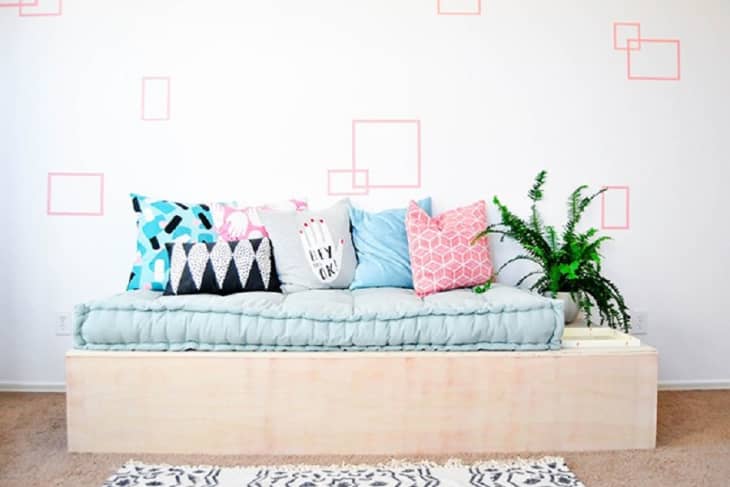
Add storage under the seat. Build a box frame and add a lid that lifts up. This gives you space for bedding or pillows.
Upgrading The Mattress
If you want more comfort, use a thicker memory foam mattress. Some users add mattress toppers for extra softness.
Built-in Usb Charging
For tech lovers, add a USB charging port to the sofa armrest. Buy a ready-made kit and follow safety instructions.
Credit: www.apartmenttherapy.com
Common Mistakes And How To Avoid Them
Many beginners make the same errors. Knowing these can help you succeed.
Using Cheap Materials
Low-quality wood or thin fabric wears out fast. Spend a bit more for better materials.
Poor Measurements
If you don’t measure carefully, parts may not fit. Double-check every measurement before cutting.
Not Testing Movement
Some builds look good but don’t fold smoothly. Always test the folding mechanism several times.
Ignoring Weight Limits
Every sofa bed has a weight limit. If you build with thin wood or weak hinges, it can break. Use strong hardware and thick wood.
Example: One user built a sofa bed with 1-inch pine boards. After two months, the frame sagged. Switching to 2-inch boards fixed the problem.
How Diy Sofa Beds Compare To Store-bought Models
Is a homemade sofa bed as good as a store model? Let’s compare key factors.
| Factor | DIY Sofa Bed | Store-Bought Model |
|---|---|---|
| Cost | Lower (typically $150, $400) | Higher ($500, $2,000) |
| Customization | High | Limited |
| Durability | Depends on materials used | Usually consistent |
| Comfort | Adjustable | Standard |
| Assembly | Manual, takes time | Quick, often pre-built |
DIY sofa beds are more affordable and customizable. Store-bought models are easier to set up but less flexible.

Credit: www.youtube.com
Practical Tips For Success
After building several sofa beds, I learned these practical tips:
- Work slowly: Rushing causes mistakes.
- Label parts: Mark each wood piece before assembling.
- Pre-drill holes: Prevents wood from splitting.
- Use clamps: Holds pieces together while screwing.
- Choose washable fabric: Makes cleaning easier.
- Keep instructions handy: Write down steps to avoid confusion.
Pro Tip: If you’re new to woodworking, watch free tutorials on YouTube. Seeing the process helps you avoid mistakes.
Maintenance And Cleaning
A sofa bed needs regular care to stay comfortable and safe.
Cleaning Fabric
Vacuum weekly to remove dust. For spills, use a damp cloth and mild soap. Avoid strong chemicals that damage fabric.
Maintaining The Frame
Check screws and hinges every few months. Tighten loose parts. If you see cracks, repair them with wood glue.
Mattress Care
Rotate the mattress every 6 months. If possible, use a removable cover for easier cleaning.
Preventing Wear
Don’t overload the sofa bed. Avoid jumping or standing on it. This keeps the frame and mattress strong.
Credit: jaimecostiglio.com
Environmental And Health Benefits
DIY sofa beds can be better for the environment. You choose eco-friendly materials and avoid toxic chemicals.
- Use certified wood for sustainability
- Select low-VOC paints and finishes
- Avoid synthetic fabrics that shed microplastics
Some store models use glues or foams with harsh chemicals. When you build your own, you control what goes inside.
For health, a DIY project lets you avoid allergens or irritants. If you have allergies, choose hypoallergenic fabric and mattress materials.
Who Should Build A Diy Sofa Bed?
A DIY sofa bed is ideal for:
- People with small spaces
- Students in dorms
- Families needing a guest bed
- Anyone wanting custom design
However, if you have limited mobility or lack basic tools, buying a ready-made model may be easier.
Example: When I built my second sofa bed, I saved $800 compared to a store model. The project took two weekends but matched my living room perfectly.
Frequently Asked Questions
How Long Does It Take To Build A Diy Sofa Bed?
Most builds take between 2, 4 days, depending on your skills and tools. If you plan carefully and work a few hours each day, you’ll finish faster. Complex designs, like pull-out beds, may need a full week. Don’t rush, accuracy is more important than speed.
Can I Use Recycled Materials For My Sofa Bed?
Yes. Many DIY builders use recycled wood or old mattresses to save money and reduce waste. Make sure recycled wood is strong and free from pests. Clean used fabric or mattresses thoroughly. Upcycling is good for the environment and adds character to your sofa bed.
Is A Diy Sofa Bed Safe For Children?
If built correctly, a DIY sofa bed is safe for children. Use rounded edges to prevent injury. Make sure all screws and bolts are tight. Avoid sharp hinges or exposed metal. Choose washable fabric, as kids often spill or stain furniture.
How Do I Choose The Right Mattress Thickness?
The ideal mattress thickness is 4, 6 inches for a sofa bed. Thinner mattresses may feel uncomfortable, while thicker ones can make folding hard. Memory foam is easy to cut and fits most frames. Test the mattress before final assembly to ensure it folds and sleeps well.
Can I Disassemble My Diy Sofa Bed For Moving?
Many DIY sofa beds can be disassembled. Use bolts instead of glue for key joints. Design the frame in sections that fit through doors. Write down assembly steps for later. This makes moving or storage easier. If you plan to move often, build a lighter frame.
Building your own sofa bed is rewarding. It gives you a custom piece of furniture, saves money, and lets you learn new skills. If you need inspiration, check out guides from Wikipedia on furniture design. Start with careful planning, use quality materials, and follow each step with patience. Soon, you’ll have a sofa bed that fits your life and your space perfectly.
Products related to this article
Sponsored / affiliate links. As an Amazon Associate I earn from qualifying purchases. I may earn additional commission from eligible campaigns.