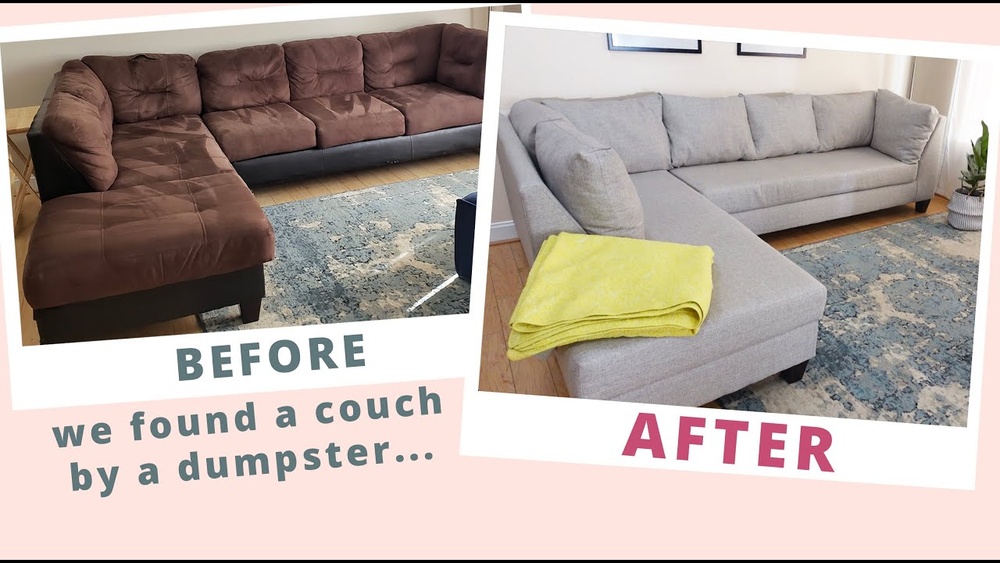
How to Reupholster a Sofa: Step-by-Step Guide for Beginners
Reupholstering a sofa is one of the most rewarding DIY projects for your home. It transforms a tired piece of furniture into something fresh, stylish, and personal. Many people think this job is only for professionals, but with patience and the right steps, almost anyone can do it.
Whether your sofa has sentimental value or you just want to save money, learning how to reupholster a sofa gives you creative control and practical skills. This guide covers everything you need, tools, materials, detailed instructions, and common mistakes, so you can confidently tackle your project, even if you’re new to upholstery.
Understanding Sofa Reupholstery
Reupholstering means removing the old fabric and padding from a sofa and replacing it with new materials. It’s not just about changing the look; it can also improve comfort and fix minor damage.
There are many reasons to reupholster:
- Save money compared to buying a new sofa
- Customize the color, texture, and style
- Keep quality wood frames that are hard to find today
In my experience, the biggest surprise for beginners is how much work goes into removing the old materials. It’s not just about covering the sofa with new fabric. You need to strip it down, fix issues, and rebuild carefully.
Choosing The Right Materials
The materials you select will affect the look, durability, and comfort of your sofa. Choosing wisely is essential for a good outcome.
Fabric Selection
Upholstery fabric comes in many types, cotton, linen, polyester, velvet, leather, and more. Each has pros and cons:
- Cotton: Breathable and easy to clean, but can wear out faster.
- Polyester: Strong, stain-resistant, and holds color well.
- Velvet: Luxurious but shows marks easily.
- Leather: Durable and stylish, but expensive and harder to work with.
For high-traffic sofas, synthetic blends are often best. If you have pets or kids, look for stain-resistant fabrics.
| Fabric Type | Durability | Cleaning Ease | Comfort |
|---|---|---|---|
| Cotton | Medium | Easy | High |
| Polyester | High | Easy | Medium |
| Velvet | Medium | Hard | High |
| Leather | High | Medium | Medium |
Other Materials
You’ll also need:
- Foam padding: For seat cushions. Choose high-density foam for support.
- Batting: Soft layer between foam and fabric. Polyester batting is most common.
- Staples and tacks: Strong staples (1/2 inch or longer) work best.
- Upholstery thread: Heavy-duty thread for hand sewing parts.
- Upholstery tools: Staple gun, scissors, pliers, screwdriver, and possibly a sewing machine.
Pro Tip: Always buy extra fabric, at least 10% more than you calculate. Small mistakes, pattern matching, or unexpected shapes can use up more material than you expect.
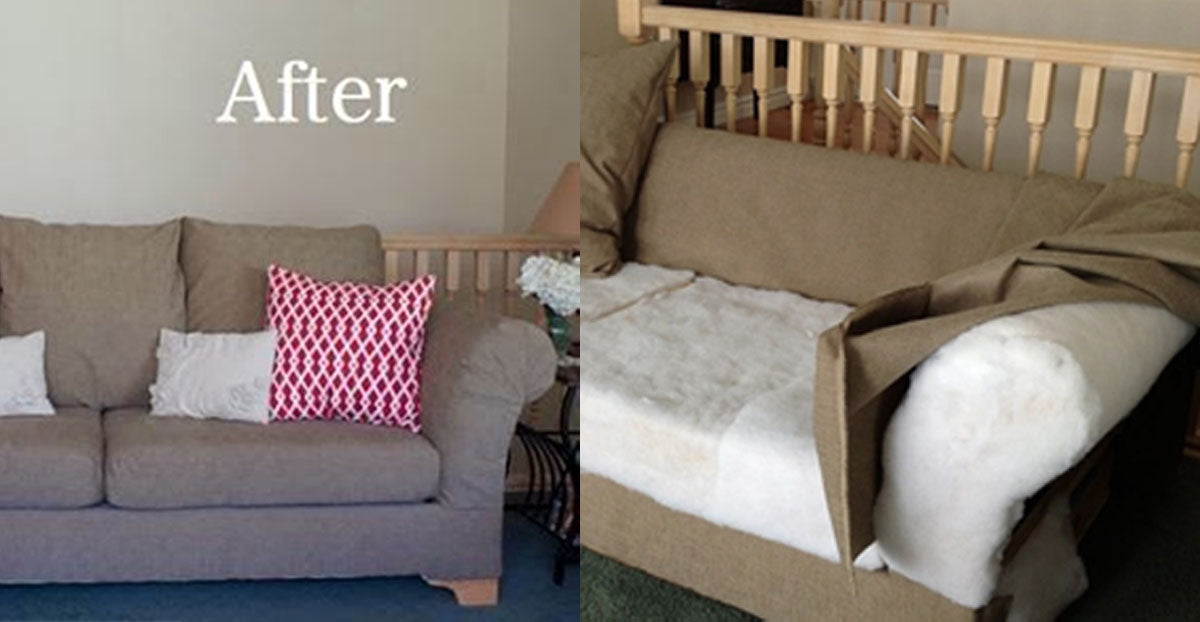
Credit: www.doblew.com.br
Preparing For The Project
Preparation is half the job. Before you start, clear your workspace and gather all tools and materials. Measure your sofa carefully.
Measuring The Sofa
Measure:
- Length and width of each cushion
- Height, depth, and width of the frame
- Arms, back, and sides
Add extra inches for seams and folds. Write down each number. For most sofas, you’ll need 8-12 yards of fabric, but it depends on the size and style.
Removing The Old Upholstery
Take photos as you remove each piece. These will help you remember how to put everything back together.
Steps:
- Use pliers to pull out staples and tacks.
- Remove cushions, arms, and back panels.
- Save the old fabric pieces, they’re your pattern for cutting new fabric.
Wear gloves, old staples and tacks can be sharp. If you find damaged foam or broken springs, now is the time to fix them.
Step-by-step Sofa Reupholstery
This is the heart of the project. Take your time, and don’t rush. Here’s a clear guide for beginners:
1. Disassemble The Sofa
- Remove legs and any detachable parts.
- Take off cushions, arms, and back panels.
- Carefully pull off the old fabric, keeping each piece intact.
Example: When I reupholstered my first sofa, I labeled every part with masking tape. It made reassembly much easier.
2. Inspect And Repair The Frame
Check for:
- Loose joints
- Broken wood
- Damaged springs
Fix these before you add new materials. Tighten screws, glue joints, and replace broken springs if needed. A solid frame is the foundation for good upholstery.
3. Replace Foam And Batting
Old foam can be flat or crumbly. Cut new foam to match the old shapes. Cover the foam with batting for softness.
Steps:
- Cut foam with a sharp knife or electric carving knife.
- Wrap foam in batting; use spray adhesive if needed.
- Place foam and batting on the sofa frame.
4. Cut The New Fabric
Lay the old fabric pieces on the new fabric. Pin or weigh them down, then cut with sharp scissors.
Tips:
- Cut slowly, especially around curves and corners.
- Mark each piece clearly so you don’t confuse them later.
- For patterned fabric, make sure patterns line up across visible areas.
5. Attach The Fabric
Start with the largest pieces first (usually the seat and back).
- Position fabric over the foam and batting.
- Pull tight, but not so tight that you warp the shape.
- Staple fabric underneath, starting from the center and working outward.
Work in small sections. Fold edges neatly, and hide staples under the frame.
6. Reupholster Arms And Corners
Arms and corners are tricky. Use extra fabric for these areas, and pull tightly to avoid wrinkles.
- Cut small slits at corners to help the fabric fit.
- Staple carefully, checking your progress as you go.
7. Sew Cushion Covers
If your sofa has removable cushions, you’ll need to sew new covers.
Steps:
- Use the old cover as a pattern.
- Sew three sides, insert the foam, then sew or zip the fourth side.
- Use upholstery thread for strength.
If you don’t have a sewing machine, hand sewing is possible, but it takes longer.
8. Reassemble The Sofa
Put all parts back together. Attach legs, arms, and back panels. Place cushions in their spots.
Check for loose fabric, missed staples, or uneven seams. Adjust as needed.
Comparing Professional Vs Diy Reupholstery
Many wonder if they should hire a professional or do the job themselves. Here’s a simple comparison:
| Factor | DIY | Professional |
|---|---|---|
| Cost | Low | High |
| Time | 2-3 days | 1-2 weeks |
| Skill Required | Beginner to Intermediate | Expert |
| Customization | High | Medium |
| Quality Control | Personal | Professional |
Warning: If your sofa has a complex shape or antique value, professional reupholstery is safer. DIY is best for simple, modern sofas.
Practical Tips For A Successful Project
Most mistakes happen because people rush or skip steps. Here are practical tips to help you avoid common problems:
- Take photos at every stage. These help you remember how everything fits.
- Label every part. Masking tape and a marker make reassembly faster.
- Don’t pull fabric too tight. This can warp the foam and frame.
- Use quality staples and tools. Cheap tools often break or give weak results.
- Work in natural light. You’ll see colors and patterns better.
- Practice on a small chair first. If you’re nervous, start small.
Pro Tip: If you’re matching patterns, start in the center and work outward. Small misalignments are less visible at the edges.

Credit: www.youtube.com
Common Mistakes And How To Avoid Them
Reupholstering can be challenging. Here are mistakes beginners often make:
- Skipping repairs: Don’t cover up broken frames or springs. Fix problems before adding new fabric.
- Using the wrong fabric: Thin fabrics tear easily. Always use upholstery-grade material.
- Underestimating fabric needs: Buy extra. Running out mid-project is frustrating.
- Ignoring pattern alignment: Patterns that don’t match look sloppy.
- Not cleaning the frame: Dust and dirt can cause smells and discomfort.
Take your time, and check your work often. Patience leads to better results.
Maintenance After Reupholstery
Once your sofa is finished, regular care will keep it looking new. Here’s what to do:
- Vacuum weekly to remove dust and crumbs.
- Spot clean stains immediately with mild soap and water.
- Rotate cushions so wear is even.
- Keep out of direct sunlight to prevent fading.
If you chose leather or velvet, follow the manufacturer’s care instructions. Some fabrics need special cleaners or gentle handling.

Credit: www.youtube.com
When To Reupholster Vs Replace
Not every sofa is worth reupholstering. Here’s how to decide:
- Good candidates: Solid wood frames, sentimental value, unique shapes.
- Bad candidates: Weak particle board frames, broken structures, very old foam.
If the frame is strong and the style fits your space, reupholstering is a smart choice. For cheap or damaged sofas, replacing may be better.
Real-world Example: My First Reupholstery
The first time I reupholstered a sofa, I underestimated the amount of fabric needed and had to make a second trip to the store. I also didn’t label the cushions, which made reassembly confusing. The result was good, but I learned to take more photos and keep notes.
Now, I always buy extra fabric and mark each piece clearly.
Environmental And Cost Benefits
Reupholstering is eco-friendly. It keeps old furniture out of landfills and reduces waste. According to the Environmental Protection Agency, over 9 million tons of furniture are thrown away each year in the US. Reusing a sofa frame saves resources and money.
On average, DIY reupholstery costs 50-70% less than buying a new sofa. You can also choose sustainable fabrics, like organic cotton or recycled polyester.
Essential Tools Checklist
Here’s a quick list of tools you’ll need:
- Staple gun
- Upholstery staples
- Upholstery fabric
- Scissors
- Pliers
- Screwdriver
- Measuring tape
- Sewing machine (optional)
- Foam padding
- Batting
- Upholstery thread
Having all tools ready before you start saves time and stress.
Comparing Upholstery Fabrics By Price
Fabric choice affects your budget. Here’s an overview:
| Fabric Type | Average Price (per yard) | Best For |
|---|---|---|
| Cotton | $15-$30 | Casual, everyday use |
| Polyester | $20-$35 | Kids, pets |
| Velvet | $40-$60 | Luxury look |
| Leather | $60-$120 | High-end, durable |
Pro Tip: Sales and discounts can help you save on fabric. Check local stores or online shops for deals.
Frequently Asked Questions
Is Reupholstering A Sofa Difficult For Beginners?
It’s challenging, but not impossible. If you have basic DIY skills, patience, and the right tools, you can do it. Start with simple sofas, and practice on small chairs first. Most beginners struggle with corners and pattern matching, so take extra care in those areas.
How Much Fabric Do I Need For A Standard Sofa?
For a three-seat sofa, plan for 8-12 yards of fabric. Measure each part carefully and add extra for seams and mistakes. Fabric width also matters, most upholstery fabric is 54 inches wide.
Can I Reupholster A Sofa Without A Sewing Machine?
Yes, but it’s harder. You can hand sew cushion covers and seams, but it takes more time and effort. For non-removable cushions, a staple gun is often enough. If you plan to do more upholstery projects, investing in a sewing machine will make things easier.
What’s The Best Way To Clean A Newly Reupholstered Sofa?
Vacuum regularly and spot clean stains quickly. For tough stains, use mild soap and water or a fabric-specific cleaner. Avoid harsh chemicals, as they can damage some fabrics. Always follow care instructions for your chosen material.
How Can I Make My Reupholstered Sofa Last Longer?
Choose high-quality fabric and foam, and maintain your sofa with regular cleaning. Keep it out of direct sunlight, rotate cushions, and fix any loose seams or staples right away. For extra protection, use removable covers or throws.
Reupholstering a sofa is a practical skill that saves money, reduces waste, and lets you express your style. With careful planning and patience, your old sofa can become the centerpiece of your home. For more detailed guidance, visit houzz. com/mag
Products related to this article
Sponsored / affiliate links. As an Amazon Associate I earn from qualifying purchases. I may earn additional commission from eligible campaigns.