Dining Table Cost: What You Should Expect to Pay
A dining table can typically cost about $150 to $3,000+, with many 4- to 6-seat models landing roughly between $300 and $1,200; solid wood, larger sizes, and custom work tend to push prices higher. Compare size, material, and build quality, or you can overpay for flimsy construction and miss delivery or finish charges. This guide breaks down dining table prices by seating, material, and budget so you can spot a fair deal.
Typical cost range
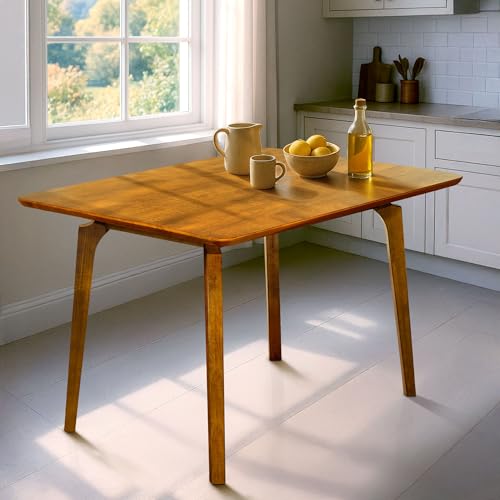


For most shoppers, the answer is a price ladder, not one number. Budget tables often sit below about $500, mid-range tables usually fall in roughly the $500 to $1,500 range, and premium tables can go well beyond that once hardwood, heavier construction, or custom dimensions are added. Table-only pricing is lower than dining table set pricing.
What you can expect at each price level
At the low end, you are usually paying for thinner tops, lighter frames, or engineered wood with simpler finishes. Mid-range money should buy better joinery, a sturdier base, and a finish that resists routine spills and wiping. Premium pricing tends to reflect hardwood species, thicker tops, more labor, and, in some cases, custom dimensions or an extendable mechanism.
A dining table set usually adds chair cost, upholstery, and extra packing. That means a set can look inexpensive per item and still land higher at checkout than a table alone.
Dining table price reality check
| Seating capacity | Price tier | Typical material | Likely features | Red flags to avoid |
|---|---|---|---|---|
| 2-seater | Budget | Softwood or engineered wood | Small square or round top, simple straight legs, basic finish | Wobble, thin top, visible edge chipping, loose hardware |
| 2-seater | Mid-range | Veneer over MDF core or better softwood | Cleaner finish, better base stability, compact footprint | Veneer seams, underbuilt pedestal, poor stain protection |
| 2-seater | Premium | Solid hardwood | Thicker top, refined joinery, upgraded finish, heavier base | Overpriced light build, weak apron, uneven finish |
| 4-seater | Budget | Softwood or engineered wood | Rectangular or square format, basic set-friendly size | Legs that flex, low chair clearance, finish that marks easily |
| 4-seater | Mid-range | Veneer, engineered wood, or mixed hardwood | Better seat spacing, sturdier rails, more durable top coating | Cheap veneer over weak core, unstable corner joints |
| 4-seater | Premium | Solid hardwood | Heavier construction, thicker top, stronger base geometry | High price with thin top, narrow stance, or poor joinery |
| 6-seater | Budget | Softwood or veneer-faced engineered wood | Longer rectangular top, standard chair spacing, lighter shipping weight | Center sag, weak stretchers, finish that dents fast |
| 6-seater | Mid-range | Engineered wood with hardwood veneer or solid hardwood | Better edge treatment, improved base support, more durable coating | Thin veneer, loose screws, visible panel swelling risk |
| 6-seater | Premium | Solid hardwood such as oak or walnut | Heavier build, thicker top, refined finish, more stable stance | Paying premium for style alone without better structure |
| 8-seater | Budget | Engineered wood or softwood | Large rectangle, basic finish, simplified base | Base flex, shipping damage, poor stain resistance |
| 8-seater | Mid-range | Veneer over a stronger core or solid hardwood mix | Better support for long spans, improved finish, more weight | Long top with weak support rails or hollow feel |
| 8-seater | Premium | Solid hardwood or custom hardwood build | Thick top, stable base, higher labor content, better finishing | Excessive price without clear gains in thickness or stability |
How many people should your table seat?
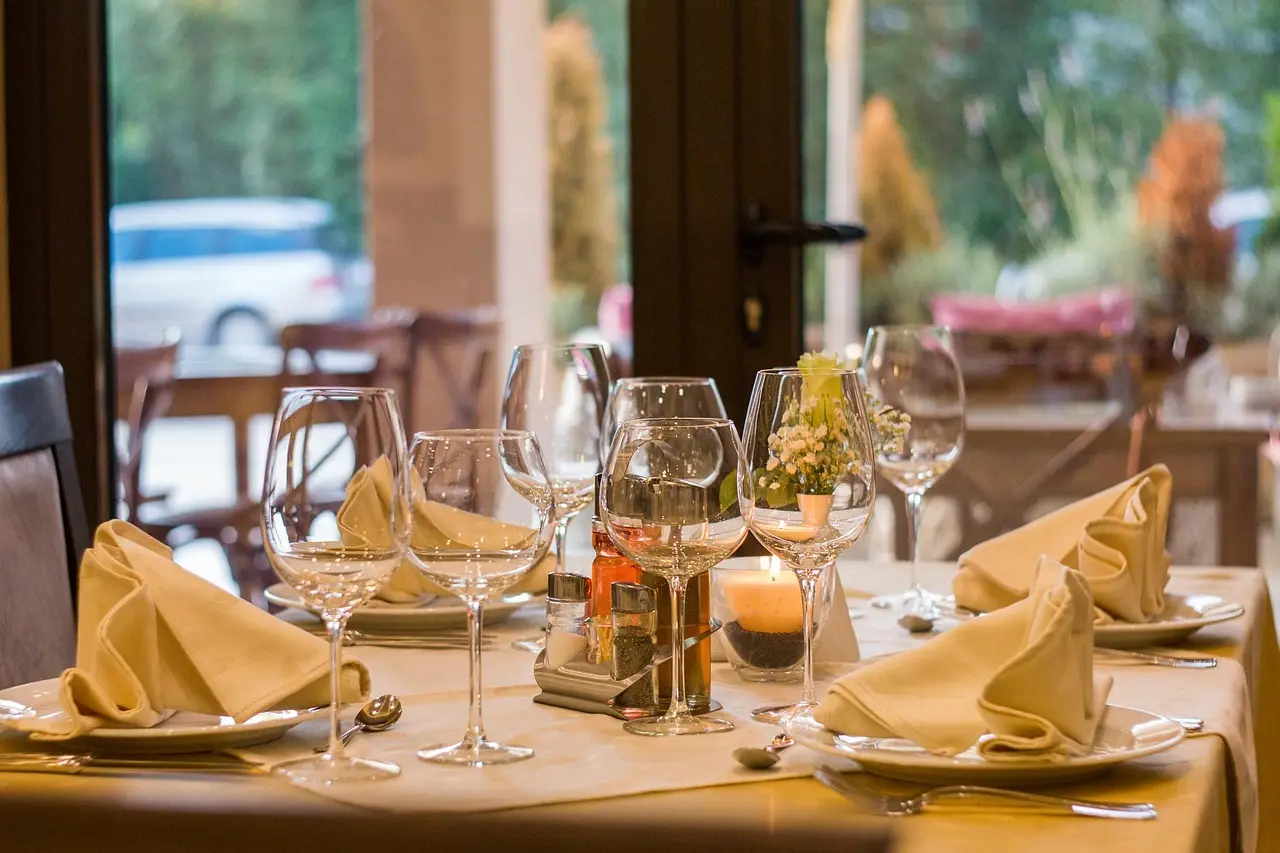
The right seat count depends on both room size and how often you host. A 4-seat table is the usual fit for small dining areas, a 6-seat table suits many family rooms, and 8- or 10-seat tables need much more floor space. Clearance matters as much as the tabletop itself.
Length, width, and clearance around
A common rule of thumb is to leave enough space for chairs to slide back and for people to walk behind seated guests. Abt recommends subtracting six feet from room length and width for clearance. That leaves room for circulation around the table instead of forcing chairs into walls.
For a 4-seat table, many buyers look at roughly 36 to 48 inches wide for a square or round table, or about 48 to 60 inches long for a rectangle. A 6-seat rectangle often lands around 60 to 72 inches long. An 8-seat or 10-seat table usually needs a longer room and a wider path around it.
Fixed tables versus extendable tables
Fixed tables are simpler and often cheaper. Extendable tables cost more because the mechanism adds parts, labor, and finishing work, but they let you keep a smaller daily footprint. That can be the better value if you want guest capacity without buying a full-time large table.
Picture a 6-seat room with a narrow traffic path. A fixed 72-inch table may crowd the space every day, while an extendable table lets you keep a smaller layout most of the week and add length only when guests arrive.
Which dining table shape gives the best value?
Rectangle tables usually give the best seating efficiency because they use wall-to-wall length well and can place more people per square foot. Square tables suit compact rooms. Round and oval tables soften corners and can help movement in tighter spaces, but they may seat fewer people at the same footprint.
Shape by room and seating efficiency
- Rectangle: best for maximum seating efficiency and long rooms.
- Square: good for small, balanced rooms and 2- to 4-seat layouts.
- Round: easier to circulate around, but less efficient for high seat counts.
- Oval: similar to rectangle, with softer corners and slightly easier movement.
- Oblong or abstract: useful for style-first rooms, but often pricier for the same seating.
If your goal is value per seat, start with a rectangle. If your goal is easier movement in a compact room, a round or oval table can be the better fit even if it costs more per seat.
Which dining table material fits your budget?
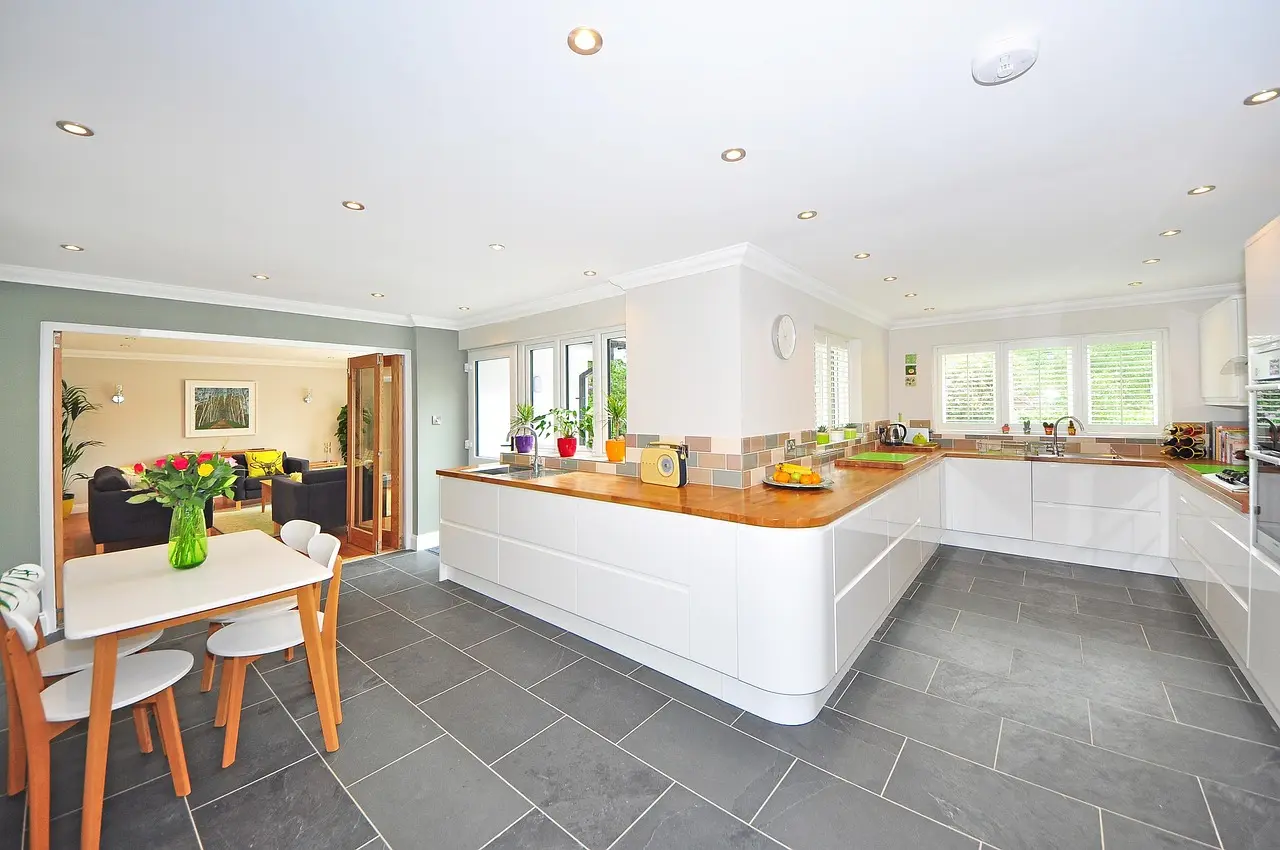
Material drives price, weight, and long-term wear. Solid hardwood usually costs more than softwood or veneer because the wood itself is more expensive and harder to work. Glass and stone raise shipping, handling, and base demands. The lowest price is not always the lowest total cost if the table wears out early.
Solid hardwood: oak, walnut, and other species
Solid hardwood tables cost more because species choice matters. A 6-seat white oak custom table is priced at $1,800 to $3,200, while a 6-seat walnut custom table is priced at $3,000 to $5,000. A 4-seat solid maple custom table is priced at $1,400 to $2,400, and an 8-seat white oak custom table is priced at $2,400 to $4,500.
Solid hardwood is often the right call if you want repairability and a longer service life. It is not magic. A badly built hardwood table can still wobble if the base is weak or the joinery is poor.
Softwood: lower cost, lower wear resistance
Softwood usually costs less and keeps weight down. It can be a sensible budget choice for lighter use, but it dents and marks more easily than many hardwoods. If you choose softwood, inspect the finish closely because the surface protection matters a lot.
Veneer and engineered wood: what the core actually means
Veneer can be a smart compromise when it sits on a stable core. The core is the part that carries load, so MDF or engineered wood with a quality veneer can perform well if the edge sealing and joinery are solid. Low-grade veneer over a weak core is where buyers get into trouble.
A common first-timer mistake is buying a polished veneer table that looks heavy in photos but feels light in person. The issue is not veneer by itself. The issue is thin surface material over a weak core that can swell, chip, or separate at the edges.
Glass, marble, and natural stone: price and weight trade-offs
Glass tables can look light and modern, but the base must be steady and the glass thickness must suit the span. Marble and other natural stone tops add weight, shipping cost, and breakage risk. They also need stronger bases, which pushes the total price higher even before delivery fees.
What makes one table cost more than another?
Several details move the price up or down. Species, top thickness, edge profile, finish type, labor, overhead, and brand markup all matter. Two tables of the same size can differ sharply in price if one uses thicker hardwood and better joinery while the other relies on a lighter build and a cheaper finish.
Wood species, top thickness, and finish type
Oak, walnut, cherry, and maple generally command different prices because of supply, appearance, and workability. Top thickness adds both material cost and visual weight. The finish also matters: a more durable coating takes more labor and can improve spill resistance, scratch resistance, and cleanup.
Live edge versus milled edges
Live edge tables often cost more because of extra material waste, handwork, and irregular shaping. Milled edges are usually cleaner and easier to mass-produce. If you want the look of live edge, pay attention to whether the premium is going into the slab itself or just the styling.
Labor, overhead, and base design
Custom labor, shop overhead, and delivery all show up in the final number. So does the base. A pedestal base can free up legroom, while four corner legs are simple and familiar. Wide spans need stronger support, especially on 6-, 8-, and 10-seat tables.
What should you expect from a dining table set?
A dining table set costs more than the table alone because you are paying for chairs, matching finishes, and packaging. A 2-seater, 4-seater, or 6-seater set can be a good value if the chairs fit the table height and the seat depth leaves enough legroom. Poorly matched sets feel cramped fast.
Chair comfort, seat height, and legroom
Check the relationship between seat height and table height before buying. Chairs that sit too high push knees into the underside of the table, while chairs that sit too low make meals awkward. Comfort also depends on chair width, back angle, and whether armrests clear the tabletop.
Space for pulled-out chairs
Do not stop at the closed dimensions. Pull chairs out as if people were sitting down. If the room cannot handle that extra movement, the set will feel smaller than it looked in the product photo. This matters most in compact apartments and dining nooks.
When is custom worth the extra cost?
Custom tables cost more because of labor, fit work, and material choice. They make sense when you need a specific size, unusual shape, or a hardwood species that matches the rest of the room. They are less sensible if you only want the cheapest way to get a basic dining surface.
Retail custom pricing versus mass-market pricing
Custom tables with solid hardwoods typically start around $3,000, and fully custom builds typically fall between $4,500 and $10,000+. F5 also shows how size and wood species move pricing upward: a 10-seat cherry custom table is priced at $3,000 to $6,000. Retail mass-market tables can be far lower, especially in softer woods or engineered materials.
Size, thickness, edge profile, and finish options
Custom pricing rises when you ask for wider tops, thicker slabs, special edges, or a finish built for heavier use. A more complex base also adds labor. If you only need a standard size and shape, a quality retail table may give better value than a custom quote.
How to decide if custom is worth it
- Measure your room and confirm the clearance you need.
- Decide whether a standard rectangle, round, or oval will fit.
- Compare table-only prices with set prices so you do not miss chair cost.
- Check the core, joinery, finish, and base before paying extra for looks.
- Choose custom only when size, fit, or material options are unavailable at retail.
Dining table buying mistakes that get expensive
Cheap tables can become expensive later if they wobble, chip, or wear out early. Weak joinery, veneer damage, and poor finish quality are the main failure points. Add in a tight room plan or mismatched chairs, and a low sticker price can turn into a poor total buy.
Suppose you buy a low-priced 6-seat table with a thin engineered core and a glossy top. If the base flexes and the veneer starts lifting at the edges, repairs may cost enough to erase the savings. A sturdier table often costs more up front but lasts longer without constant fixes.
India shoppers will often see a wide spread between entry-level imported tables, local woodwork, and premium retail lines. The IKEA figures below show how broad that gap can be: the SANDSBERG table is listed at Rs. 4,990, the NORDEN gateleg table at Rs. 26,990, the TONSTAD extendable table at Rs. 39,990, and the SKOGSTA dining table at Rs. 42,990. That spread reflects size, mechanism, and construction, not just branding.
Frequently asked questions
How much does a dining table cost?
Smaller engineered-wood tables sit near the low end, while larger hardwood, stone, or custom tables move much higher. Delivery, chairs, and finish upgrades can raise the final bill.
How much is a dining table for 4 people?
Standard retail tables can cost far less. The main price drivers are size, material, finish, and base stability.
What affects the price of a dining table
Price depends on size, material, and construction quality. Species, top thickness, finish type, live edge details, labor, overhead, and brand markup all matter. A stronger base and better joinery also raise cost. Larger tables generally cost more than smaller tables, especially when the top spans farther.
Is a solid wood dining table worth the extra cost?
Often yes, if you want better repairability, weight, and long-term wear resistance. Solid hardwood costs more than softwood or veneer, and prices rise with species choice.
How much does a dining table set cost?
A dining table set costs more than a table alone because it includes chairs and matching finishes. The gap is especially visible in 2-seater, 4-seater, and 6-seater sets. Check chair height, seat width, and room clearance so the set fits after the chairs are pulled out.
How much do extendable dining tables cost?
Extendable tables usually cost more than fixed tables because the mechanism adds parts and labor. IKEA lists the TONSTAD extendable table at Rs. 39,990, which shows how the feature can move price upward. The trade-off is flexibility: you can keep a smaller daily footprint and add seats for guests.
Products related to this article
Sponsored / affiliate links. As an Amazon Associate I earn from qualifying purchases. I may earn additional commission from eligible campaigns.