Best Cleaning Brushes for Upholstery Care (2026): we compared
For upholstery care, I keep three tools on hand: a soft nylon or horsehair upholstery brush for most woven fabrics, a rubber brush for microfiber and pet hair, and a very soft detail brush for velvet or chenille. If the pile moves easily, start with the gentlest tool and test first. Using the wrong brush can fuzz fabric, leave shiny marks, or push soil deeper into the weave. This guide shows which brush to buy by fabric, where each one fails, and when a different tool is safer.
This guide is part of our Sofa cleaning and stain removal series.
Best cleaning brushes for upholstery care: the top pick
The best overall choice is a soft-bristle upholstery brush with an ergonomic grip, like the Mothers Soft Bristle Leather and Upholstery Car Cleaning Scrub Brush. I pick this style first because soft flagged bristles can lift dust and light soil from woven fabrics without the drag that causes fuzzing or visible wear.
It works on microfiber, linen, cotton blends, and many synthetic upholstery fabrics when I use light pressure. It falls short on velvet, chenille, and other pile fabrics, where a directional nap brush is safer, and it is not the best answer for heavy pet hair trapped in seams.
Quick comparison
| Product | Badge | Best for | Price | ||
|---|---|---|---|---|---|
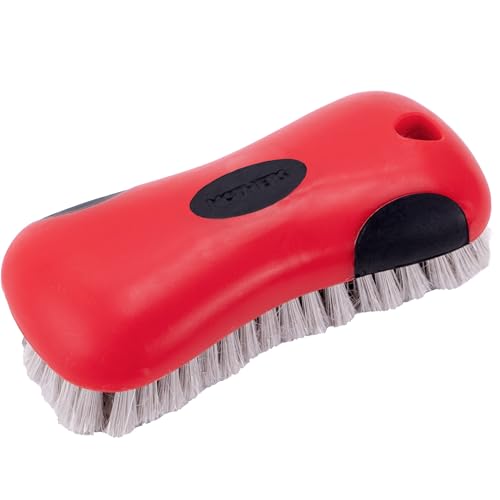 |
Mothers Soft Bristle Leather and Upholstery Car CleaningMothers | Our pick | Soft bristle, ergonomic grip, multi-surface | $9.99
Price as of 29 Sep 2026
|
View |
 |
Hand Broom Cleaning Brushes-Soft Bristles Dusting Brush forjrceliy | Budget pick | Soft bristles, solid wood handle, dusting | $9.86
Price as of 29 Sep 2026
|
View |
 |
Carpet Brush for Cleaning – Stiff Nylon Bristle Scrub BrushSunSierra | Upgrade pick | Stiff nylon, beech wood handle, 9.8 inch | $9.99
Price as of 29 Sep 2026
|
View |
 |
HASMX 5.5" Wide Black Vacuum Furniture Tool with BrushHASMX | Pair with it | 5.5-inch vacuum tool, brush strip attachment | $7.99
Price as of 29 Sep 2026
|
View |
Use the comparison table to match the brush to the fabric before buying. I would match fabric first, brand second.
A brush that works well on microfiber can be wrong for velvet, and a pet-hair tool can be too aggressive for linen.
How we chose these brushes
Fabric safety came first, every time. I gave more weight to softness, head shape, and how a brush behaves on pile fabrics than to raw scrubbing force.
I also looked at bristle stiffness, grip comfort, and whether the brush can be rinsed, stored dry, and used again without shedding or trapping debris.
Finally, the choices had to solve real jobs: dry dusting, post-spot agitation, seam work, and pet hair pickup. A brush that fails at those jobs is not a good buy, even if it looks sturdy.
Soft-bristle upholstery brush: best for daily dusting
This is often the safest default for microfiber, linen, cotton blends, and many synthetic sofas. Based on the spec sheet and owner feedback, the triple-flagged soft bristles and ergonomic grip make it a better fit for general dusting, lifted dirt, and light spot agitation than firmer scrub brushes.
It stands out because the bristles are soft enough to lower snagging and pilling risk while still moving debris out of the weave. The drawback is simple: on heavier pet hair, this style can leave some strands behind and may need a vacuum attachment afterward.
Best fabrics
Microfiber is the easiest match, followed by linen and cotton blend upholstery with a tight or medium weave. Synthetic upholstery also responds well when the goal is dry brushing or light cleaner agitation.
When it fails
It is weak on dense pet hair, especially when hair is pressed into seams or wrapped around tufting. It is also the wrong choice for velvet or chenille if the brush is used across the nap instead of with the nap.
Best way to use it
Start with a vacuum attachment, then brush in short, light passes. For spot cleaning, apply cleaner to the cloth first, then use the brush to work it gently into the fabric and let the surface air-dry.
Velvet/nap brush: best for pile fabrics
A velvet or nap brush is usually the better choice for velvet, corduroy, and chenille because it follows the direction of the pile instead of crushing it. It is usually made with directional bristles or a rubberized surface that lifts marks and restores the nap with controlled strokes.
This brush can fix flattened areas after sitting, but only if the stroke direction stays consistent. The main risk is pile distortion from scrubbing back and forth, which can leave shade differences or shiny patches.
Velvet, corduroy, and chenille
These fabrics need restraint. A soft nap brush used lightly can remove dust and even out the surface; a firmer scrub brush can leave the pile looking patchy or worn.
Stroke direction matters
Work with the pile, not against it. If the fabric looks lighter when brushed one way and darker the other, keep every pass aligned the same way so the nap stays even.
Main damage risks
The biggest failures are pile flattening, directional marks, and overworking seams. On chenille, too much pressure can distort the yarn loops and make the surface look rough.
Pet-hair upholstery brush: best for fur and seams
Pet-hair brushes made from rubber, silicone, or an electrostatic surface are the best option when fur is stuck to cushions, armrests, and seams. They work differently from bristles: instead of sweeping hair loosely, they grab and roll it up so it can be lifted away.
That grip is useful, but it can also be too strong on delicate pile fabrics. If the hair is already embedded deep, start with a vacuum attachment first; otherwise the brush may press it tighter into the weave before it comes loose.
Rubber, silicone, and electrostatic designs
Rubber and silicone are easiest to rinse clean after pet use. Electrostatic designs can be effective on dry hair, but they are less predictable once upholstery cleaner or moisture is present.
Best use on cushions and armrests
These brushes are strongest on broad flat surfaces where hair gathers in layers. They also help along cushion edges and seams, where a soft bristle brush can glide over the hair instead of lifting it.
Cleaning and rinsing the head
Choose a brush head that rinses clean under water and dries fully before storage. After pet use, wash it promptly, then store it dry to limit odor and mildew.
Detail brush for seams and tufting: best for tight spots
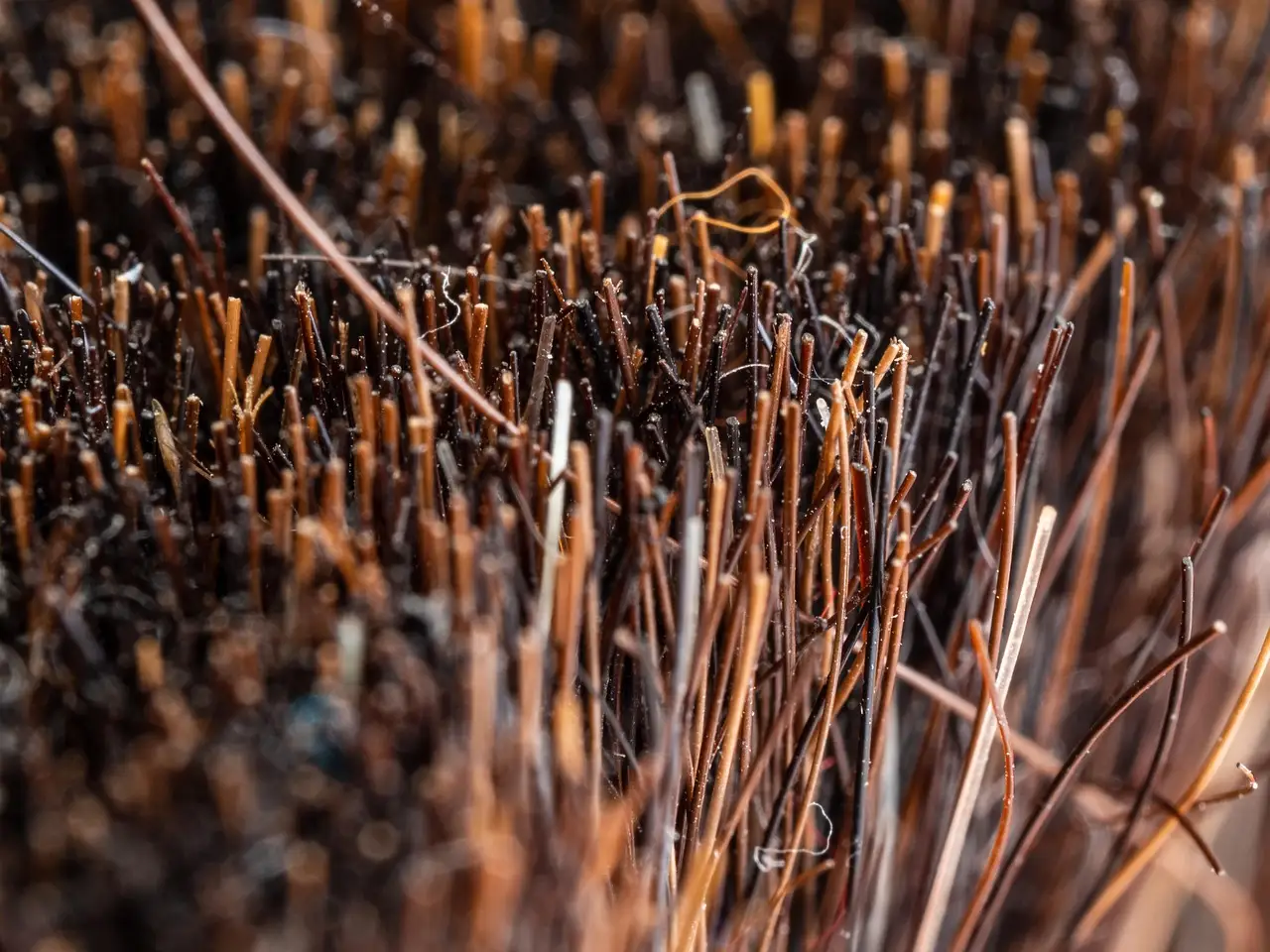
A detail brush for seams and tufting should have a narrow head or pointed edge so it can reach piping, buttons, creases, and corners. It is the right tool for spot cleaning around stitching, but only if the edge is smooth enough not to fray delicate thread.
Use this brush for local work, not whole-sofa scrubbing. It is useful where dust, crumbs, and pet hair collect, yet it can do more harm than help if the user presses hard on delicate stitching.
Piping, buttons, and creases
These spots collect debris because a broad head cannot reach them well. A narrow detail brush helps lift dust from the edges without dragging across the main face of the fabric.
Spot cleaning around stitching
When using cleaner, apply the product to the cloth or to the brush sparingly, then work around the stitch line with small controlled passes. Excess pressure can open the seam visually and wear the thread faster.
How to avoid fraying threads
Keep the brush moving lightly and avoid sawing motions. If the thread is loose or the fabric is already fraying, stop and switch to a vacuum attachment with a soft brush strip.
Which one should you buy?
For microfiber, choose the soft-bristle upholstery brush first, then add a vacuum attachment for heavier soil. Microfiber can fuzz if the brush is too firm, so soft bristles are the safer starting point.
For velvet or chenille, buy a velvet/nap brush and use it only in the same direction as the pile. For pet owners, a rubber or silicone pet-hair brush is the better second tool, especially for seams and armrests.
For large sofas and frequent use, a brush with an ergonomic grip or longer handle is worth it because it gives more control during circular or linear passes and reduces hand fatigue. If you clean often, the handle matters almost as much as the bristles.
If the budget is tight, start with one soft all-around brush and pair it with a vacuum attachment you already own. If you need one tool for fur, choose a rinseable pet-hair brush. If the sofa is mostly pile fabric, skip the general scrub brush and buy the nap brush instead.
Fabric-to-brush decision table
| Fabric | Best bristle type | Best head shape | Best use case | Main damage risk |
|---|---|---|---|---|
| Microfiber | Soft synthetic or natural bristles | Wide soft head | Dry brushing, light dusting, post-spot-treatment agitation | Pilling or fuzzing if the bristles are too firm |
| Linen | Soft bristles | Broad, flat head | Surface dust removal and cleaner agitation with light pressure | Snagging loose weave threads |
| Cotton blend | Soft to medium-soft bristles | Standard upholstery head | Routine dusting and spot treatment on everyday sofas | Fuzzing from aggressive scrubbing |
| Velvet | Very soft directional bristles or rubberized nap surface | Narrow nap brush | Restoring pile and removing marks with one-way strokes | Pile distortion and shiny marks |
| Synthetic upholstery | Soft to medium bristles | Wide or angled head | Dusting, pet hair lift, and light agitation after cleaning | Heat-like sheen or fiber fuzzing from overwork |
Should I use a soft or stiff upholstery brush?
Soft bristles are the safer default for upholstery because they are less likely to fuzz fibers, lift loops, or leave brush marks. Medium bristles are only worth considering on tougher synthetic fabrics or for pet hair where a soft head is not pulling debris free. Firm bristles should stay reserved for durable surfaces.
Too-firm bristles can abrade the face of microfiber, loosen yarns in linen, and damage pile on velvet or chenille. If a brush feels like it is “working hard,” it may actually be doing too much to the fabric.
Soft
Best for microfiber, velvet-adjacent care, cotton blends, and most routine dusting. Soft is also the right choice if the sofa has thin stitching or visible wear.
Medium
Useful for more durable synthetics and heavier soil that does not come free with a soft brush. It still needs a light hand and should not be used on pile fabrics.
Firm
Firm bristles can help on tough, tightly woven synthetics, but they are risky elsewhere. If the fabric is already fuzzy, snag-prone, or old, firm is usually the wrong call.
Can a cleaning brush damage my sofa fabric?
Yes. A brush can damage upholstery if the bristles are too stiff, the head is the wrong shape, or the user scrubs too hard in one spot. The common failures are pilling, snagging, seam wear, pile distortion, and pushing soil deeper into the weave instead of lifting it.
Damage is more likely on loose weaves, delicate stitching, and pile fabrics. Before using any brush, check the care tag, test a hidden spot, and stop if the fabric starts to look fuzzy, shiny, or uneven.
How do I clean a sofa without pilling the fabric?
Use the softest brush that can still move the dirt, and keep the pressure light. Start with vacuuming, then brush in short passes instead of hard back-and-forth scrubbing, because friction is what turns many fabrics fuzzy and pill-prone.
If the sofa is microfiber, linen, or a cotton blend, a soft brush plus a vacuum attachment is usually safer than a stiff scrub brush alone. For pile fabrics, use a nap brush and follow the direction of the fabric surface.
- Vacuum loose debris first with a soft upholstery attachment.
- Test the brush on a hidden area.
- Use short, light strokes in one direction where possible.
- Apply upholstery cleaner sparingly and avoid soaking the fabric.
- Let the fabric air-dry fully before sitting on it.
Do upholstery brushes work better than vacuum attachments?
Neither tool wins every time. A brush is better for loosening light soil, lifting surface dust, and working cleaner into tight spots, while a vacuum attachment is better for removing loose debris without rubbing fibers. For pet hair, the best result often comes from using both in sequence.
If the fabric is delicate or already fuzzy, vacuuming first is the safer move. If the debris is stuck in seams or pressed into the weave, a soft brush or detail tool helps before the vacuum pass.
What brush should I use for pet hair on a couch?
Use a rubber, silicone, or electrostatic pet-hair brush for couches with heavy fur, especially on cushions, armrests, and seams. These designs grab hair better than a standard soft brush, and they rinse clean more easily after use.
If the couch is velvet or chenille, start with a vacuum attachment and only use a pet-hair tool lightly. Hair can cling harder when brushed in the wrong direction or when the fabric pile is disturbed.
How often should I brush upholstery?
Brush upholstery as often as the fabric collects dust or hair, not on a fixed heavy schedule. For most homes, a light pass every one to two weeks is enough, with spot brushing after spills or pet shedding. Overbrushing is a real cause of wear on delicate fabrics.
High-use sofas and pet homes may need more frequent attention, but the brush should still be gentle. If the fabric starts to look fuzzy or the seams look stressed, reduce brushing and lean more on vacuuming.
How to choose
Buy the soft-bristle upholstery brush if your sofa is microfiber, linen, cotton blend, or a typical synthetic and you want one safe all-around tool. Buy the velvet/nap brush if the sofa is velvet, corduroy, or chenille, because those fabrics need directional care.
Buy the pet-hair brush if fur is your main problem, but pair it with a vacuum attachment for best results. Buy the detail brush if seams, tufting, and buttons trap most of the dirt. If you clean often, choose the brush with the most comfortable grip and a head that can be rinsed, dried, and replaced when the bristles splay or shed.
Frequently asked questions
What is the best cleaning brush for upholstery care?
The best all-around brush is a soft-bristle upholstery brush with an ergonomic grip. It handles microfiber, linen, cotton blends, and many synthetics without the abrasion risk of firmer brushes. If the sofa is velvet or chenille, though, a nap brush is the better match.
Which brush is safest for microfiber upholstery?
A soft nylon or horsehair upholstery brush is safest for microfiber, especially when used with light pressure and short strokes. For heavy pet hair, a rubber brush can work better, but it should still be used gently so it does not press debris deeper into the weave.
Products related to this article
Sponsored / affiliate links. As an Amazon Associate I earn from qualifying purchases. I may earn additional commission from eligible campaigns.