Spot Cleaning vs Deep Cleaning a Sofa: How to Choose
Spot clean fresh, isolated marks. Deep clean when odor, allergens, or soil have spread, or after several months of use, unless the care tag says W/WS only. Wrong method can set stains, leave rings, shrink fabric, or cost a sofa cleaning twice. This guide shows how stain type, fabric code, and sofa condition decide the safest, cheapest choice.
This guide is part of our Sofa cleaning and stain removal series.
Spot cleaning vs deep cleaning a sofa: the core trade-off


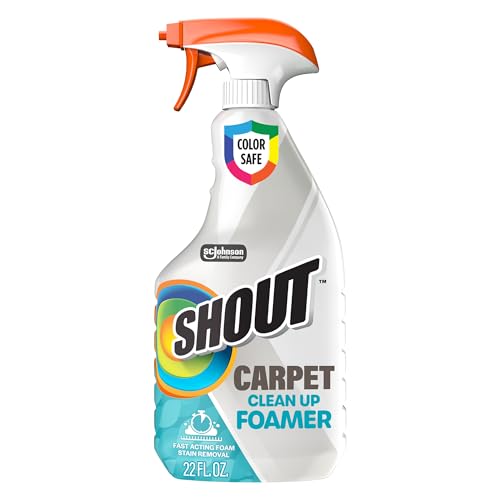
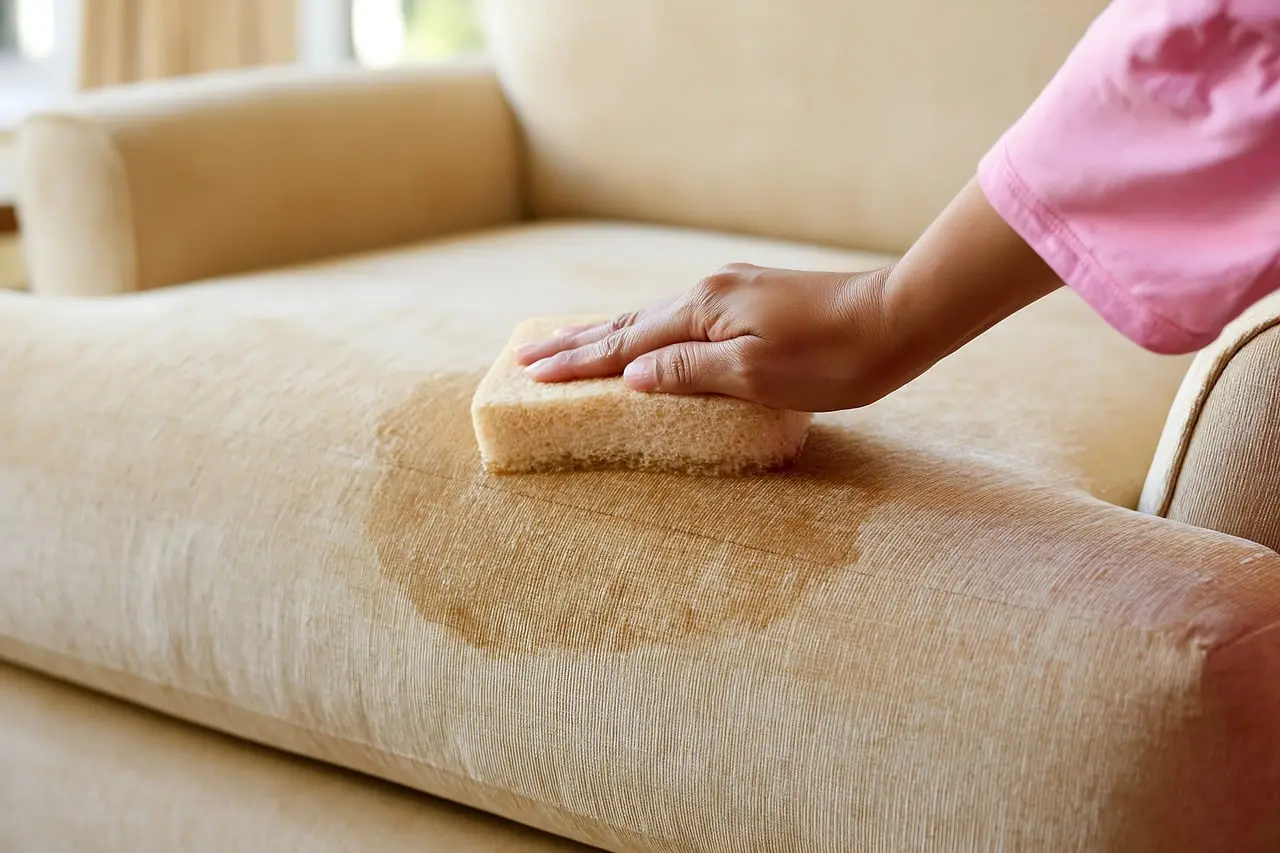
Spot cleaning is a targeted fix for one stain or spill. Deep cleaning treats the whole sofa and reaches the dirt, dust mites, and residue that sit in foam, seams, and backing. The choice is usually less about “more cleaning” and more about how much moisture, agitation, and drying risk the fabric can tolerate.
| Decision factor | Spot Cleaning | Deep Cleaning a Sofa | Winner |
|---|---|---|---|
| Best use | One spill, one mark, one small area | Whole-sofa soil, odors, embedded residue | Tie |
| Moisture risk | Lower if the stain is fresh and the area stays small | Higher, because the process treats cushions, seams, and backing | Spot Cleaning |
| Soil removal depth | Surface-level stain removal only | Reaches dirt, allergens, dust mites, and accumulated grime | Deep Cleaning a Sofa |
| Time and drying | Usually takes minutes | Can take several hours | Spot Cleaning |
| Typical cost | Low DIY cost with cloth, water, and solution | Higher, especially with professional sofa cleaning services | Spot Cleaning |
Best use
Spot cleaning wins for contained damage. It targets one specific stained area rather than the entire sofa, so it is the least wasteful option when the problem is fresh and local. Deep cleaning wins when the issue is diffuse, such as body oils along the headrest or repeated pet traffic on the same cushion.
Moisture risk
Spot cleaning usually exposes less fabric to water, which lowers the chance of ring marks and cushion over-wetting. Deep cleaning can be safe, but only when the fabric code and drying conditions support it. The danger rises when liquid spreads beyond the stain and into seams or foam.
Soil removal depth
Deep cleaning removes embedded dirt, allergens, dust mites, and accumulated grime, which spot cleaning does not reach. That matters in humid homes and in sofas that trap body oils and pet residue. A local fix can make one stain look better while leaving the rest of the upholstery dirty.
Time and drying
Spot cleaning usually takes minutes. Deep cleaning can take several hours, especially if the sofa needs full drying before use. That drying gap is part of the cost, because a damp cushion used too early can hold odors and create new marks.
Typical cost
DIY spot cleaning is usually the cheapest path because it typically needs only a cloth, cleaning solution, and water. Deep cleaning costs more because it uses specialized equipment and professional-grade cleaning solutions, and professional services add labor. Repeated DIY retries can erase the savings fast.
According to superclean.sg — Dry cleaning drying time is listed as instant to 1 hour.
What is the difference between spot cleaning and deep cleaning a sofa?
Spot cleaning treats one stain or spill on a limited area, while deep cleaning treats the whole sofa and pulls out embedded dirt, allergens, and residue. Spot cleaning is the better first response for fresh, isolated marks. Deep cleaning is the better answer when the sofa itself has become dirty, smelly, or overdue for maintenance.
What each method leaves behind
Spot cleaning may remove the visible stain but leave soil around the mark, which is how rings form. Deep cleaning reaches the foam and seams, but if done badly it can leave too much moisture or cleaning residue behind. Either mistake can make the fabric look worse after drying.
How drying, risk, and cost differ
Spot cleaning is faster and cheaper, but it is not a full hygiene reset. Deep cleaning takes longer and costs more, yet it is the method that addresses hidden bacteria, mold risk, and dust mites. The safest choice depends on whether the sofa has a stain or a cleanliness problem.

When should I spot clean a sofa instead of deep cleaning it?
Spot clean when the spill is fresh, the affected area is small, and the fabric code allows the cleaning method you plan to use. It is the safer choice for one-off accidents on a sofa that is otherwise clean, especially when the stain has not yet set into the pile or cushion fill.
Best fits by stain type
Fresh oils, protein-based stains, tannins, ink, and pet accidents can sometimes be spot treated, but the method changes with the stain. Blotting and controlled cleaning work best before the spill dries. Once a stain has aged or spread through the cushion, the odds of a clean finish drop sharply.
- Check the care label first.
- Blot, do not rub.
- Use the mildest approved cleaner.
- Test a hidden area.
- Stop when the fabric starts to darken, ring, or bleed.
When spot cleaning becomes a bad bet
Spot cleaning stops making sense when the mark is old, large, greasy through the cushion, or coming back after drying. It is also a poor choice when odor suggests contamination deeper than the top fabric. If repeated spot treatment keeps spreading the stain, that is a sign the sofa needs a fuller method.
When does a sofa need deep cleaning?
A sofa needs deep cleaning when the issue is no longer one stain but a buildup of soil, odor, allergens, or residue across the upholstery. It is also the safer choice after months of use in homes with pets, children, allergies, or humidity, because that is where dust mites and bacteria tend to hide.
Dust mites, bacteria, and mold in foam and seams
Deep cleaning removes embedded dirt, allergens, dust mites, and accumulated grime. Bacteria and mold can hide in inner foam and seams, especially after spills that were blotted but never fully extracted. When a sofa smells stale after drying, that usually means the surface is not the whole problem.
How often different homes usually need a full clean
The guide says deep cleaning should be scheduled every six to twelve months. Households with pets, kids, allergies, or high humidity usually need the shorter end of that range. Light-use, low-humidity homes can stretch longer, but only if the sofa stays clean, dry, and odor-free.
Which sofa fabrics are safe for each method?
The fabric code decides whether wet cleaning is sensible at all. Before any water-based method, check the upholstery tag and treat velvet, silk, linen, and some antique pieces with extra caution. A good stain remover is useless if the fabric reacts by bleeding, shrinking, or flattening.
Reading upholstery care codes before any wet method
W means water-based cleaning is generally allowed. S means solvent-based cleaning only. WS means either water-based or solvent-based cleaning may work with care. X means vacuum only, so avoid DIY wet cleaning unless a professional confirms a safe method.
Velvet, silk, linen, and synthetic fabrics
Delicate fabrics like silk, velvet, and antique upholstery may benefit from gentle spot cleaning. The page says dry cleaning is best for velvet, silk, and delicate linen. The page says steam extraction is best for heavy stains and synthetic fabrics, so synthetics usually tolerate more aggressive moisture than delicate weaves.
Failure cases: ring marks, color bleed, shrinkage, and pile damage
Over-wetting can leave ring marks when the wet edge dries slower than the center. Color bleed happens when dye migrates into the cleaning cloth or the surrounding fabric. Shrinkage, pile crushing, and texture changes are especially likely on delicate or loosely woven upholstery, so a hidden test spot is not optional.
How the main deep cleaning methods differ
Deep cleaning is not one thing. Professional sofa cleaning can use injection-extraction cleaning, steam cleaning, or dry cleaning for upholstery, and each method fits a different fabric risk profile. The method should match the sofa, not the other way around.
Injection-extraction cleaning and why pros use it
Professional sofa deep cleaning uses industrial injection-extraction technology. It pushes solution into the foam and extracts contaminants immediately, which is why it is used in professional sofa cleaning for bacteria and deep residues. The page describes that process as removing a very high amount of bacteria, dust mites, and organic waste.
Steam cleaning for heavier soil on suitable synthetics
Steam cleaning is a heat-based deep cleaning method that works well on heavy stains and synthetic fabrics. It is useful when the fabric can tolerate moisture and heat, but it has a longer drying time than dry cleaning. The page lists steam extraction drying time as 4 to 6 hours.
Dry cleaning for upholstery and why delicate fabrics dry faster with it
Dry cleaning for upholstery uses a sanitizer-based approach and is suitable for velvet, silk, and delicate linen. It dries faster than steam extraction, with listed drying time of instant to 1 hour. That faster return-to-use matters when the fabric is sensitive to water or the room cannot stay closed off for long.
Decision matrix: stain type, fabric code, and risk level
This matrix is the practical rule most comparison pages miss. Match the stain, the care code, and the damage risk before choosing the method. If the safest row says “stop DIY,” that means the stain is beyond a home fix and a professional cleaning service is the safer call.
| Stain / condition | Fabric code | Risk level | Safest method | Stop DIY and call a pro when |
|---|---|---|---|---|
| Fresh water spill | W or WS | Low | Spot cleaning | Ring starts forming or cushion stays damp after blotting |
| Grease, body oils, or food oil | W or WS | Medium | Spot clean first, then deep clean if the mark spreads | Oil has traveled beyond the stain edge or the fabric darkens unevenly |
| Protein stain: milk, egg, blood, pet accident | W or WS | Medium to high | Spot clean immediately; deep clean if odor remains | The area smells after drying or reappears after a second blotting round |
| Tannin stain: coffee, tea, wine | W or WS | Medium | Spot clean quickly | The stain has set or the color starts to spread into nearby fibers |
| Ink | S or WS | High | Professional dry cleaning or targeted pro treatment | Any rubbing makes the mark larger or the dye transfers to the cloth |
| Velvet, silk, delicate linen, antique upholstery | S, WS, or X | High | Dry cleaning for upholstery or very gentle professional spot treatment | The tag says X, or the pile flattens, bleeds, or waterspots appear |
| Old odor, repeated spill zones, or unknown residue | Any cleanable code | High | Deep cleaning | Odor returns after drying or the soil keeps reappearing at seams |
Choose Spot Cleaning if… / Choose Deep Cleaning a Sofa if…
Choose spot cleaning if the stain is fresh, the spill is small, the care code allows a wet or solvent touch-up, and the rest of the sofa still looks and smells clean. Choose deep cleaning if soil is widespread, odors linger, dust mites matter, or repeated local cleaning has stopped working.
Choose Spot Cleaning if…
Choose spot cleaning if the stain is one area only, the sofa is otherwise in good shape, and the fabric is delicate enough that extra water would be a problem. It is also the right call when the stain is fresh and you can blot it before it travels into the cushion.
Choose Deep Cleaning a Sofa if…
Choose deep cleaning a sofa when the smell remains after spot work, the sofa has seen months of traffic, or the same area keeps getting dirty again. It is also the safer answer for humid homes, allergy concerns, and couches that trap pet hair, bacteria, or mold risk in the seams.
When to stop DIY and call a professional cleaning service
Stop DIY if you see color bleed, ring marks, shrinkage, or a stain that gets larger with each pass. Call a professional when the fabric is marked X, when the stain is ink or deep oil, or when odor suggests bacteria or mold in the inner foam. That is where trained technicians and industrial equipment make the difference.
Household-based maintenance plan
Homes with pets: spot clean accidents right away and plan deep cleaning on the shorter side of the six to twelve month range. Homes with kids: treat spills immediately and deep clean when repeated food stains start stacking up. Allergy households and humid homes should favor regular deep cleaning, because dust mites and moisture-related odor build faster there.
What tools are needed for spot cleaning vs deep cleaning a sofa?
Spot cleaning usually needs only a cloth, cleaning solution, and water. Deep cleaning uses specialized equipment and professional-grade cleaning solutions. The difference matters because spot cleaning is built for quick response, while deep cleaning needs extraction power, drying control, and more careful fabric matching.
DIY spot cleaning kit
A basic kit should include white cloths, a soft brush, water, and a fabric-safe cleaner matched to the care code. A small vacuum is useful before and after the stain treatment. The goal is to remove the spill without saturating the upholstery.
Deep cleaning equipment and professional services
Professional sofa cleaning services use trained technicians and industrial injection-extraction technology. Steam cleaning and dry cleaning for upholstery may also be used depending on the fabric and soil. This is the better route when the job requires full extraction, not just surface correction.
Can I deep clean a sofa myself or should I hire a professional?
You can deep clean some sofas yourself, but only when the care code, fabric type, and drying conditions are on your side. Hire a professional when the fabric is delicate, the stain is set, or the sofa needs full extraction instead of a light refresh. The wrong choice can be more expensive than the service call.
DIY deep cleaning risks
Home machines and rented equipment can leave too much water in the foam, which leads to long drying times, rings, or musty odors. They can also overwork delicate fibers and pull dye into the pad below. If the sofa has an S or X code, DIY wet cleaning is usually the wrong direction.
Why professionals are safer for periodic maintenance
Professional cleaning services are recommended for full deep cleaning because they can match the method to the fabric, then extract moisture more completely. That makes sense for periodic maintenance, especially when the goal is hygiene, not just appearance. The better extraction also reduces the chance of repeat staining after drying.
Frequently asked questions
How often should a sofa be deep cleaned?
The guide says deep cleaning should be scheduled every six to twelve months. Homes with pets, kids, allergies, or high humidity usually need the shorter end of that range. A sofa that looks clean on top can still hold dust mites, odor, and residue underneath.
Can spot cleaning remove old stains from a sofa?
Sometimes, but not reliably. Old stains have usually set into the fibers or moved into the cushion fill, which makes them harder to lift without spreading or ring marks. If a stain is old, repeated, or odor-causing, deep cleaning or professional treatment is the safer path.
Is deep cleaning better for pet odors and allergens in a sofa?
Yes. Deep cleaning removes embedded dirt, allergens, dust mites, and accumulated grime, which is why it is better for pet odors and allergy concerns. Spot cleaning may improve one accident area, but it does not reach the foam, seams, or hidden residue where odor often lingers.
Which sofa fabrics are safe for spot cleaning only?
Fabrics with an X code are spot clean only in the sense that they should not be wet cleaned at home. Delicate upholstery like silk, velvet, and some antique pieces may also need only gentle, controlled spot treatment. If the fabric bleeds, shrinks, or pills in a hidden test, stop immediately.
Spotify — Don’t have an account?
This question does not relate to sofa cleaning, but the answer is simple: it is not relevant to the cleaning decision. For upholstery care, the only account that matters is the sofa’s care tag, stain type, and drying risk before any water or solvent touches the fabric.
Products related to this article
Sponsored / affiliate links. As an Amazon Associate I earn from qualifying purchases. I may earn additional commission from eligible campaigns.