Loveseat vs Sofa: Which Fits Your Space?
A loveseat usually fits a tighter room, but a sofa may be the better choice if there is at least about 72 inches of clear wall width and enough circulation space around it. Measure the wall, then measure the path around it, because the wrong size can block walkways, crowd a doorway, or leave you with seats that look right on paper but fit badly in the room. This guide shows how seat width, arm bulk, and room clearance decide which one works.
| Decision factor | Loveseat | Sofa | Winner |
|---|---|---|---|
| Typical seat count | Usually seats two people | Usually seats three people | Sofa |
| Common width range | 52 to 72 inches | 72 to 96 inches | Loveseat for tighter fits |
| Lounging room | Can feel snug for long stretches | Usually gives more stretch-out room | Sofa |
| Small-room fit | Often the easier fit | Needs more wall and circulation space | Loveseat |
| Guest seating | Good for two regular sitters | Better when three people may sit together | Sofa |
| Use with a second seating piece | Pairs well in tighter layouts | Works when the room can handle a larger anchor piece | Loveseat |
Loveseat vs sofa: the real trade-off
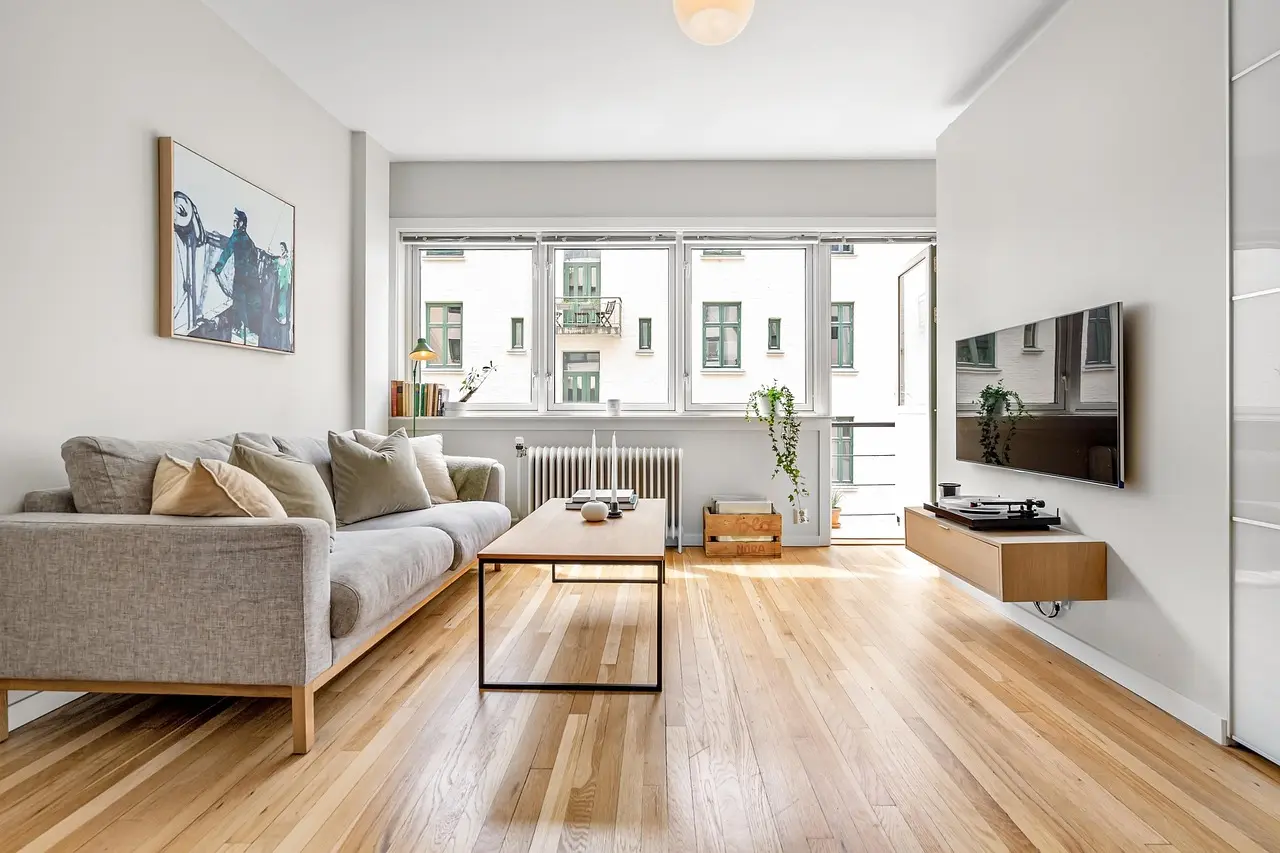
The real choice is not two seats versus three seats alone. It is how much usable sitting width you get after the arms, how much floor space the piece occupies, and whether people can still move around it without squeezing past corners.
A loveseat can be the better buy in a narrow room if the usable seat width matches how you plan to sit. A sofa wins when you need room for three people, long reading sessions, or more relaxed lounging.
| Factor | Loveseat | Sofa | Winner |
|---|---|---|---|
| Seating capacity | Usually two people | Usually three people | Sofa |
| Footprint management | Often easier to place in compact rooms | Needs more clearance, but may still fit in apartment-sized rooms | Loveseat |
| Usable sitting room | Can be generous if arms are slim | Can be cramped if arms are thick | Tie |
Two-seat comfort versus three-seat capacity
A loveseat usually seats two people, while a sofa usually seats three people. That is the basic difference, but it is only useful when you connect it to actual room use. Two people sitting close together in a narrow loveseat may feel fine for conversation, while a sofa may be the better choice if one or two guests join often.
Why the label matters less than usable width
Usable seat width matters more than the category label because arm bulk can shrink the real sitting area. A compact sofa may feel better than an oversized loveseat if the sofa has thinner arms and more inside room. A deep, narrow-arm loveseat can beat a chunky sofa on comfort even if the labels suggest the opposite.
Loveseat and sofa dimensions at a glance
Loveseats commonly measure 52 to 72 inches wide. Sofas commonly measure 72 to 96 inches wide. Depth can be similar, so a loveseat may not save floor depth, and overall height still matters for sightlines, wall clearance, and whether the piece blocks windows or outlets.
Typical width ranges
Use width first, because width often decides whether the piece fits the wall and leaves walking room. A 72-inch loveseat is already at the upper edge of the loveseat range, and some compact sofas start at the same point. That overlap is where label-based shopping gets misleading.
Typical depth and height ranges
Depth can be similar across both categories, so a loveseat does not automatically free up more floor depth. Designers and sellers often list sofas around 40 inches deep, and loveseats can fall in a similar band. Height matters too, especially if the piece has a high back near a window or shelf.
Where compact sofas overlap loveseats
Some compact sofas sit in the same width band as oversized loveseats. One listed loveseat example measures 75.5 inches wide, while one outdoor sofa example measures 78 inches wide. That is why you should compare the actual dimensions, not the name on the product page.
Why inside seat width matters more than the label
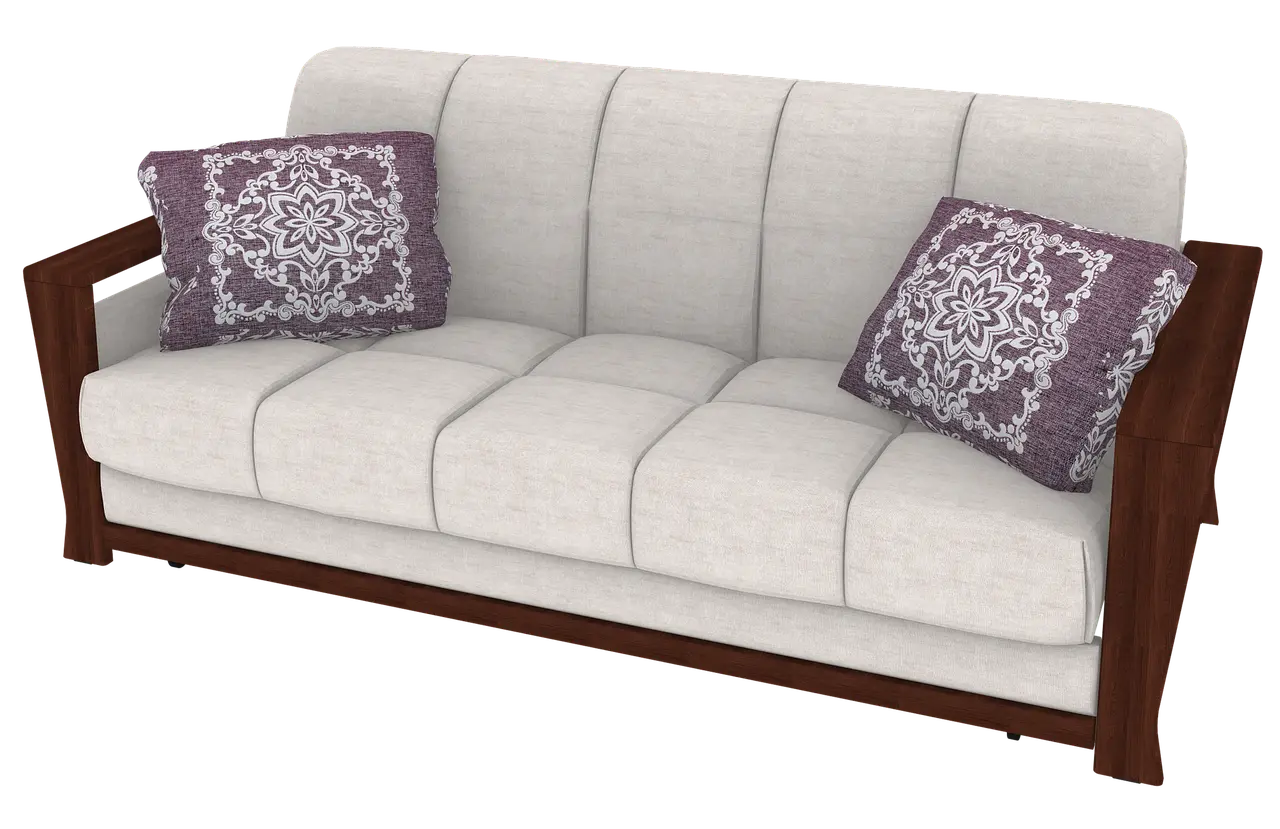
Inside seat width is the best check for comfort because it shows how much sitting room remains after the arms are removed from the total width. A wide frame with thick arms can leave less usable room than a slightly narrower piece with slim arms.
The calculator example is clear: a 66-inch loveseat with six-inch arms has about 54 inches of inside seat width. Another example shows an 84-inch sofa with ten-inch arms has 64 inches inside. The sofa is wider overall, but the arm thickness changes how much of that width you can actually use.
How arm width cuts usable seating
Thick arms can make two pieces with the same width feel very different. If the arms are large, they consume space that could have gone to seating. That matters when you want two adults to sit comfortably side by side or when one person likes to curl up at one end.
What to check in the spec sheet
Look for overall width, depth, height, and if possible the inside seat width. If the listing does not give seat width, compare arm thickness and ask whether the measurement includes the arms. Also check delivery-path clearance, because a piece that fits the wall can still fail at the front door or stair turn.
When should you choose a loveseat?
Choose a loveseat when the room is tight, the wall run is short, or you only need comfortable seating for two. It is often the safer pick for apartments, bedrooms, offices, and small living rooms where circulation space matters as much as the furniture footprint.
Small rooms and tighter wall runs
A loveseat fits better when your wall width is limited and you still need room for side tables, lamps, or a clear path. The smaller footprint can keep a room from feeling blocked. That matters more than saving a few inches on depth, since depth may not change much.
Bedrooms, offices, and apartments
Loveseats are often used in apartments, studios, guest rooms, bedrooms, and offices. Those rooms usually call for a smaller anchor piece and better movement around it. If the seating is mainly for one or two people, a loveseat is often the more practical choice.
When two people are the real seating limit
If the room is only ever used by two people at once, a loveseat can be enough. The main question is whether the inside seat width matches how you sit. If you both sit upright most of the time, a narrower piece may work. If one person likes to sprawl, a sofa may be smarter.
When should you choose a sofa?
Choose a sofa when you want room for three people, expect guests often, or want a better lounging setup for reading, TV, or napping. Sofas commonly measure 72 to 96 inches wide, so they suit family rooms and larger living areas more naturally than loveseats do.
Family rooms and guest seating
A sofa handles mixed use better when people come and go. It gives you more seating width for visitors and more flexibility for group seating. If your room is the main social space, the extra width usually pays off in daily comfort.
Lounging, reading, and napping
Sofas are usually the better choice when one person likes to lie down or when two people want more personal space. A loveseat can work for short sitting sessions, but a sofa is easier to use for extended lounging because the extra width gives you more ways to position yourself.
When you need a wider seating target
When the real need is not “two seats” but “enough room that nobody feels pinned to an arm,” the sofa is stronger. That is especially true if the inside seat width is wide enough to stay comfortable after thick arms and cushions are factored in.
Loveseat vs sofa vs sectional?
A sectional gives you an L-shaped or U-shaped layout, but it needs more floor area than a straight sofa or a loveseat. A sectional can make sense in a larger media room, while a loveseat or sofa is often easier to place, move, and balance with the rest of the room.
Straight seating versus L-shaped layouts
Straight seating is easier to fit along one wall and easier to pair with a table or chair. An L-shaped sectional uses corners well, but it also claims more of the room. If you need open circulation, a straight sofa is often simpler.
When a sectional takes too much floor area
Sectionals can be the wrong answer in rooms that need multiple pathways. They may look efficient on paper, but the corner return can block flow. If you already feel tight on walking space, adding a sectional usually makes the room harder to use, not easier.
When a loveseat plus sofa makes more sense
A loveseat plus sofa combination may fit better than one large sectional in long, narrow rooms. It gives you flexible spacing and makes it easier to preserve a clear walkway. It can also help if you want to rearrange the room later.
Room fit and delivery path checklist
Measure the wall, the room depth, and the path the piece must travel before you buy. The delivery path can be the failure point even when the room itself has enough space. A piece that fits on the plan may still get stuck at a doorway, stair bend, or hallway turn.
- Measure the wall width where the piece will sit.
- Measure the room depth from wall to wall.
- Leave space for side tables, lamp bases, and walking paths.
- Check doorway width, hall corners, and stair turns.
- Compare the product’s overall width, depth, and height to those measurements.
- Mark the footprint on the floor with tape before you order.
Say your living room wall is 80 inches wide and the opening to the hall sits close to one end. A 76-inch loveseat may fit on paper, but if the arms are bulky and the walkway shrinks below a comfortable path, the room will feel cramped. The issue is not the label; it is the remaining circulation space.
Suppose you are deciding between a 66-inch loveseat and an 84-inch sofa for a bedroom sitting area. If the room only needs two-person seating and the door swing is tight, the loveseat is the safer choice. If the room has a wider wall and better clearance, the sofa may feel more usable for reading and stretching out.
Loveseat decision table
Use this table when the room, the traffic path, and the way you sit all matter at once. The best pick changes by scenario, so the width target and seating width note matter more than the product label alone.
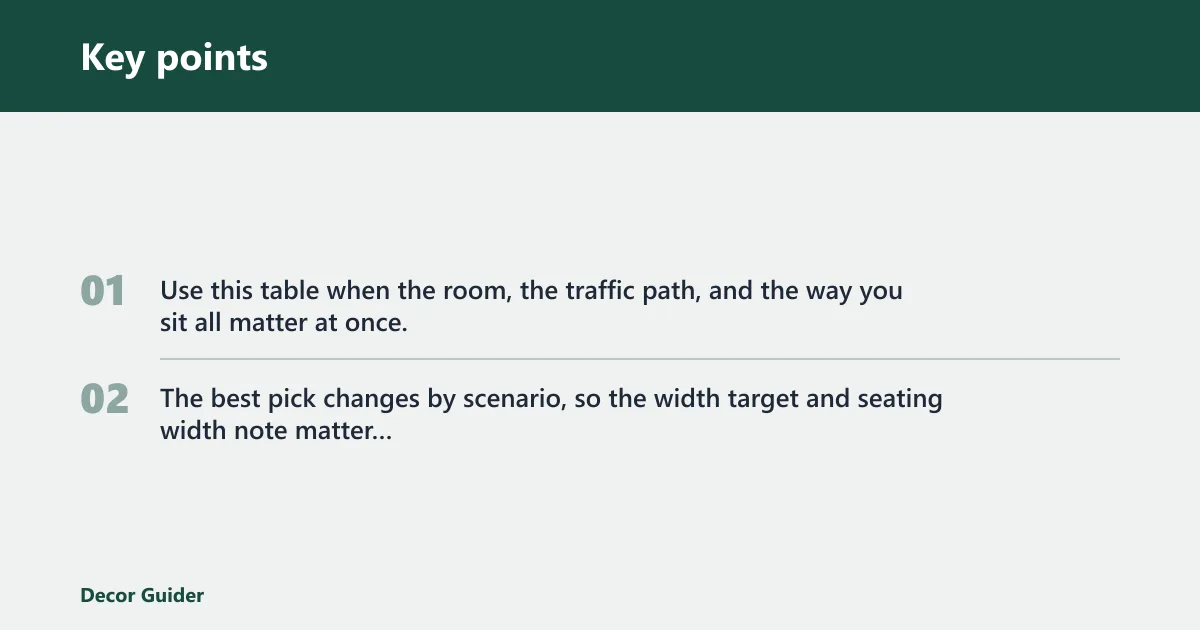
| Scenario | Recommended type | Minimum width target | Seat-width note | Main failure risk |
|---|---|---|---|---|
| Two-person daily use | Loveseat | About 52 inches or more | Pick slim arms if two adults sit together often | Too little usable room if arms are thick |
| Occasional guests | Sofa | About 72 inches or more | Three-person width helps when a third sitter joins | Guests end up on a chair or ottoman only |
| Napping | Sofa | About 72 inches or more | Look for a longer inside seat and slimmer arms | Loveseat feels too short for stretched-out lounging |
| Narrow doorway | Loveseat | Choose the narrowest model that still gives enough seat width | Overall width and arm bulk matter as much as seat count | Delivery-path failure at the door or stair turn |
| Small living room | Loveseat | Often 52 to 72 inches wide | Preserve a clear walkway beside the piece | Room feels blocked if the sofa is too wide |
| Bedroom seating | Loveseat | Usually under the room’s main wall limit | Upright seating often works better than a deep lounge profile | Oversized piece crowds the bed and passage |
| Apartment living room | Loveseat | Often 52 to 72 inches wide | Measure room depth because depth may not shrink much | Piece fits the wall but blocks circulation |
| Pairing with an existing sofa | Loveseat | Match the existing sofa’s scale, not only its color | Keep both pieces aligned so the room stays open | Two large seating pieces overwhelm the room |
Choose Loveseat if… / Choose Sofa if…
Choose Loveseat if you need seating for two, your wall run is tight, your doorway path is narrow, or you want to pair the piece with another chair or sofa without crowding the room. It is also the better pick when a smaller footprint matters more than extra lounging room.
Choose Sofa if you want room for three, expect guests often, plan to lounge or nap, or have at least about 72 inches of clear wall width plus comfortable circulation space. A sofa is the better answer when usable seat width matters more than keeping the footprint small.


Frequently asked questions
Loveseat vs sofa vs couch
Loveseat and couch are often used interchangeably in casual shopping, while sofa usually points to a larger straight seating piece. For buying purposes, the useful question is how many people sit there and how much inside seat width you get after the arms. Measure the footprint, then compare the layout.
Loveseat vs sofa dimensions
Loveseats commonly measure 52 to 72 inches wide, while sofas commonly measure 72 to 96 inches wide. Depth can overlap, so a loveseat may not save floor depth. That is why width, arm bulk, and clear circulation space matter more than the label alone.
Loveseat vs sofa vs sectional: a loveseat is usually
A loveseat is usually the compact two-seat option, a sofa is the straight three-seat option, and a sectional uses an L-shaped or U-shaped layout. Sectionals need more room than either straight option, so they work best when you have enough floor area to preserve walking paths.
Loveseat vs armchair
An armchair is for one person, while a loveseat is for two. If you need a reading spot or a small accent seat, the armchair wins on footprint. If you need shared seating without moving to a full sofa, the loveseat is the better middle step.
Size of sofa vs loveseat
A loveseat is commonly 52 to 72 inches wide, and a sofa is commonly 72 to 96 inches wide. That said, some compact sofas overlap with oversized loveseats. Compare inside seat width, overall width, and arm thickness before you decide which size actually works.
Couch vs sofa vs divan
Couch and sofa are often used for the same general seating type in everyday shopping, while a divan usually points to a different, more lounge-like form. For room fit, the real check is the same: width, depth, and how much usable seat space remains after the arms and cushions are counted.
Products related to this article
Sponsored / affiliate links. As an Amazon Associate I earn from qualifying purchases. I may earn additional commission from eligible campaigns.