Settee Sofa Couch Difference: Key Features Explained
If you’ve ever shopped for living room furniture, you’ve probably noticed the words settee, sofa, and couch used almost like synonyms. But are they really the same thing? Or do they have key differences that matter when picking furniture for your home? The truth is, these three words describe different styles, sizes, and even histories of seating. For people who want a comfortable and stylish living space, knowing the difference is more than just language, it’s about choosing the right piece for your needs, your space, and your style.
This guide breaks down everything you need to know about settees, sofas, and couches. From their origins to their modern uses, we’ll explore what sets each apart. You’ll see clear comparisons, practical tips, and some real-life examples to help you make the best choice for your home.
Whether you’re furnishing a small apartment or a big family room, understanding these differences will make your shopping experience smoother and your space more comfortable.
The Origins: Where Do Settee, Sofa, And Couch Come From?
Understanding these terms starts with looking at their histories. Each word has a unique story that influences how we see and use the furniture today.
The settee has roots in 17th-century England and France. Originally, it described a long wooden bench with a back, often with arms. Over time, settees became more padded and decorative. They were seen as elegant and were often found in upper-class homes or parlors.
The word sofa comes from the Arabic word “suffah,” which means a bench covered with cushions and blankets. Sofas became popular in Europe during the 18th century, especially among the wealthy. They were known for their comfort and large size.
Couch comes from the French word “coucher,” which means “to lie down.” Couches were originally designed for reclining rather than sitting upright. This makes sense if you think about the classic “fainting couch” or the chaise lounge.
These roots still influence the shapes, uses, and styles we see today.
Design And Structure: What Sets Them Apart?
While settees, sofas, and couches all provide seating, they differ in design and structure.
Settee: Elegant And Compact
A settee is usually slim, often with a high back and sides. It’s less padded than a sofa. Settees are often two-seat pieces, making them perfect for smaller spaces or as an accent in a hallway or bedroom. They often feature decorative woodwork or upholstery.
Sofa: Comfort And Size
A sofa is typically larger and more padded than a settee. Sofas usually have enough space for three or more people. They have a uniform back and arms, and their main focus is comfort. Sofas are the centerpiece of most living rooms.
Couch: Relaxed And Versatile
A couch is similar in size to a sofa but is more casual in design. Traditionally, couches might have one or no arms and are often used for reclining. Today, the word “couch” is often used interchangeably with “sofa,” especially in the US. However, couches may still lean toward a more laid-back look and feel.
Here’s a visual summary to help you spot the differences:
| Feature | Settee | Sofa | Couch |
|---|---|---|---|
| Size | Small to medium | Medium to large | Medium to large |
| Padding | Light | Thick | Varies |
| Back Height | High | Medium to high | Low to medium |
| Arms | Usually present | Always present | Optional |
| Style | Formal/Decorative | Comfortable/Casual | Casual/Relaxed |

Credit: www.slideshare.net
Usage And Placement: Where Do They Belong?
Choosing between a settee, sofa, or couch is not just about looks. It’s about where and how you’ll use the furniture.
Settee: Perfect For Small Or Formal Spaces
Because of its size and shape, a settee works well in spaces where a large sofa would be too much. You’ll often see settees:
- In entryways or foyers, as a place to sit while putting on shoes.
- At the foot of a bed, adding a touch of elegance to a bedroom.
- In formal living rooms, as an accent piece.
Settees are also popular in boutique shops, waiting areas, and even offices that want a stylish touch.
Sofa: The Family Hub
A sofa is the main seating in most homes. It’s made for:
- Living rooms, where families gather to watch TV or talk.
- Entertainment rooms, where comfort is key.
- Large bedrooms or home offices that need extra seating.
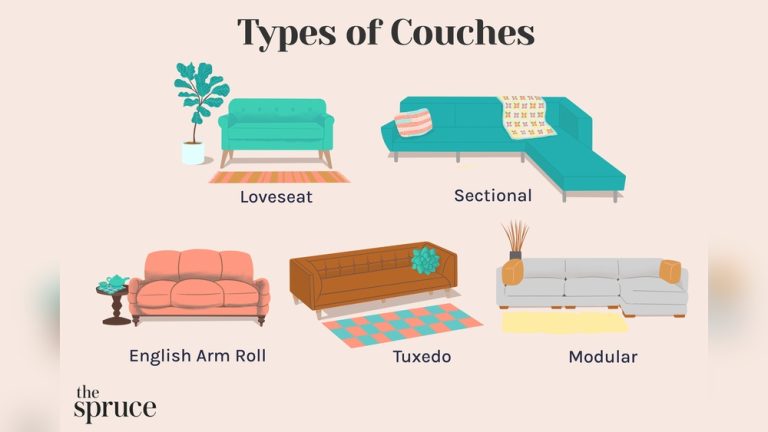
Sofas come in many shapes, like sectionals, loveseats, and sleeper sofas.
Couch: Flexible And Friendly
Couches are known for their relaxed vibe. They fit well in:
- Media rooms, where you might want to lie down.
- Casual living rooms or dens.
- Studio apartments, where space is tight but comfort is important.
Calling something a “couch” often signals a laid-back space—think friends gathering for a movie night.
Material And Comfort: What Should You Expect?
The comfort and material choices for settees, sofas, and couches can affect both feel and durability.
Settees: Decorative First
Settees often use firmer cushions and decorative fabrics. You’ll see:
- Upholstery like velvet, brocade, or leather.
- Wood frames, sometimes exposed for style.
- Firmer seats, designed more for posture than lounging.
A settee might not be the best for napping, but it makes a statement.
Sofas: Built For Relaxation
Sofas are made for comfort. They often use:
- Soft, deep cushions.
- Padded arms and backs.
- Durable fabrics like microfiber, cotton, or performance blends.
Some high-end sofas use down feathers, but most use foam or polyester for long-lasting support.
Couches: A Middle Ground
Couch materials can be as varied as their designs. You’ll find:
- Everything from basic polyester to genuine leather.
- Cushions that range from soft to firm.
- Designs that encourage lounging or even sleeping.
For families with kids or pets, couches with stain-resistant fabrics are a smart choice.
Here’s a quick comparison of typical materials and comfort levels:
| Type | Common Materials | Comfort Level | Best For |
|---|---|---|---|
| Settee | Wood, velvet, leather | Medium | Accent, formal |
| Sofa | Microfiber, cotton, foam | High | Everyday use |
| Couch | Leather, polyester, blends | Medium to high | Casual, multi-use |
Style And Decor: Matching To Your Home
Choosing the right seating isn’t just about function. It’s also about how your furniture fits your overall style.
Settee: Classic And Chic
Settees are often chosen for their looks. They fit well with:
- Traditional or vintage decor.
- French or Victorian-inspired rooms.
- Spaces that need a statement piece.
Adding a settee can create a focal point without making the space feel heavy.
Sofa: Versatile And Timeless
Sofas come in countless designs, from modern to classic. They can:
- Anchor a room with a neutral color.
- Add personality with bold fabrics or patterns.
- Be updated easily with throw pillows or blankets.
A well-chosen sofa can last through several changes in decor style.
Couch: Fun And Functional
Couches are often the most relaxed-looking. You’ll find:
- Bright colors or playful patterns.
- Unique shapes, like sectional couches or modular pieces.
- Designs that invite you to kick off your shoes and relax.
For apartments or first homes, a couch can feel both inviting and practical.
Space And Size: Measuring For Success
One big mistake people make is choosing furniture that’s the wrong size for their space. Here’s how the three types compare:
- Settees: Usually 48, 70 inches wide. Perfect for small rooms or as extra seating.
- Sofas: Range from 72, 96 inches wide. Best for main living areas.
- Couches: Similar to sofas, but some styles (like chaise couches) are even longer.
Before you buy, always measure your room and doorways. Many returns happen because the piece simply won’t fit through the door!
Pro Tip: Leave at least 18, 24 inches between your sofa or couch and the coffee table. This makes moving around easier and keeps the room feeling open.
:max_bytes(150000):strip_icc()/types-of-couches-5268149-c8f1fdd99014441db86701fc16b51994.png)
Credit: www.thespruce.com
Price And Value: What Should You Pay?
Prices can vary a lot depending on size, material, and brand.
- Settees: Often cost more per seat because of detailed designs. A quality settee can range from $300 to $1,500.
- Sofas: Wide range, from $500 for a simple model to over $3,000 for luxury pieces.
- Couches: Similar to sofas, but basic models may start around $400.
Don’t just look at price. Think about how often you’ll use the piece. Spending more on a sofa you’ll use every day makes sense. For a settee in a guest room, a lower price may be fine.
Durability And Maintenance: Keeping It Looking Good
How long your furniture lasts depends on build quality and how you care for it.
Settees
Because they’re often used less, settees can last a long time with light cleaning. Upholstery should be vacuumed regularly. For wood frames, use a polish to keep them shiny.
Sofas
Sofas get heavy use. Look for:
- Removable cushion covers for easy washing.
- Solid hardwood frames for longer life.
- Fabrics rated for at least 15,000 double rubs (a measure of durability).
Couches
Couches may need more cleaning, especially if used for napping or eating. Many modern couches have stain-resistant coatings or machine-washable covers.
Pro Tip: Rotate and flip cushions every few months to prevent sagging and keep your seating looking fresh.
When To Choose Each: Real-life Scenarios
Not sure which is right for you? Here are some examples that can guide your decision:
- Small apartment: A slim settee fits without crowding the room.
- Family with kids: A durable, washable sofa is best for daily use.
- Entertaining friends: A large couch with a chaise can seat more people and is great for movie nights.
- Formal sitting room: An elegant settee adds a touch of class.
- Studio space or office: A couch that doubles as a sleeper can serve multiple purposes.
When testing different layouts, a small settee in the entryway provides just the right touch of comfort without blocking traffic. In the main living room, a deep sofa was perfect for family gatherings.
Common Mistakes To Avoid
- Ignoring room size: Oversized sofas or couches make rooms feel cramped.
- Choosing style over comfort: That fancy settee may look great, but won’t work if you want to lounge for hours.
- Not testing before buying: Always sit on the piece if you can, what feels good in the store may not work at home.
- Forgetting about pets or kids: Delicate fabrics stain easily, so consider performance materials.
- Mismatching decor: Pick a piece that fits your overall style, not just what’s trendy.
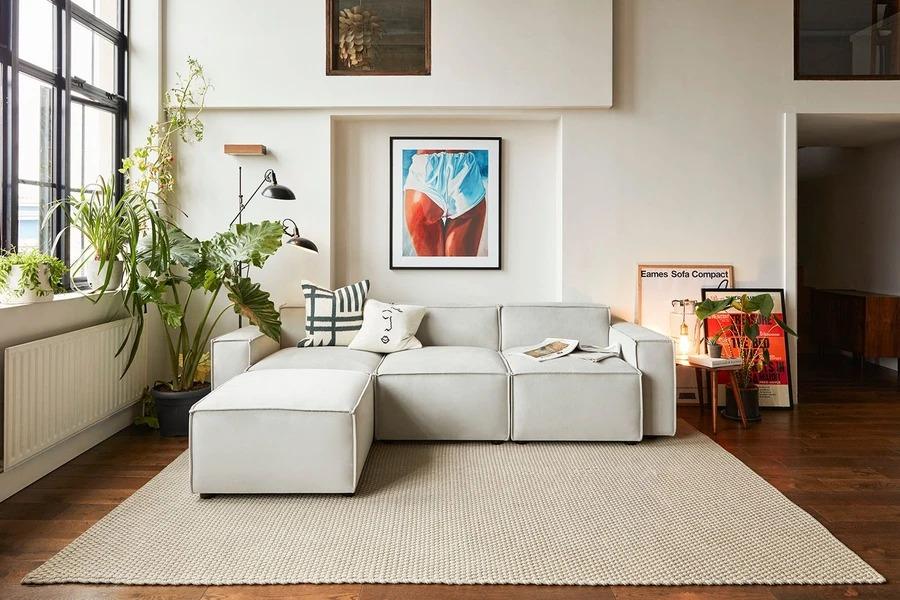
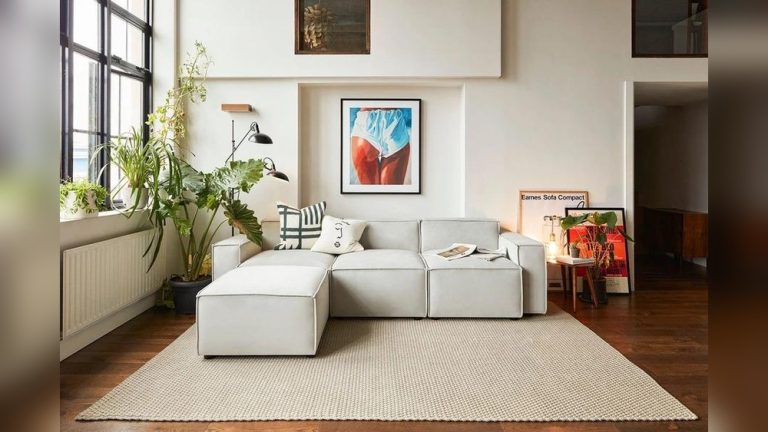
Credit: swyfthome.com
Popular Trends In 2026
Furniture trends change, but some styles are standing out this year:
- Curved settees: Soft, rounded shapes are popular for accent seating.
- Modular couches: Pieces that can be rearranged for flexible seating.
- Eco-friendly sofas: Made with recycled materials and low-VOC finishes.
- Bold colors and patterns: Especially for couches in casual spaces.
If you want your home to feel current, look for these elements when shopping.
Global Differences: Settee, Sofa, Couch Around The World
Did you know that what you call your living room seating can depend on where you live?
- In the UK, “settee” is commonly used for what Americans might call a sofa or couch.
- In the US, “couch” and “sofa” are often used interchangeably, but “settee” is seen as more old-fashioned or formal.
- In Australia and Canada, “couch” is the most popular term.
These differences can make online shopping confusing, so always check measurements and photos.
Sustainability: Making An Eco-friendly Choice
Many buyers now care about the environmental impact of their furniture. Sustainable sofas and couches use:
- FSC-certified wood frames.
- Recycled fabric or fillings.
- Non-toxic glues and finishes.
According to the Environmental Protection Agency, over 9 million tons of furniture are thrown away each year in the US. Choosing a durable piece that lasts longer helps reduce waste. For more on sustainable furniture options, visit EPA Sustainable Furniture.
Visual Comparison: Spotting The Difference At A Glance
Sometimes it helps to see the key points side by side. Here’s a simple chart to help you decide:
| Feature | Settee | Sofa | Couch |
|---|---|---|---|
| Best for | Accent seating, style | Main seating, comfort | Relaxed, flexible use |
Average width
Products related to this articleSponsored / affiliate links. As an Amazon Associate I earn from qualifying purchases. I may earn additional commission from eligible campaigns. Similar Posts |