How Much Does Sofa Cleaning Cost?
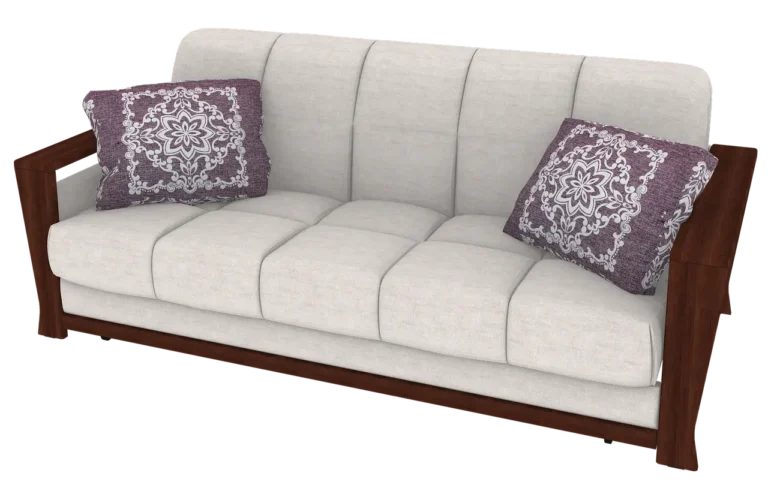
Sofa cleaning usually costs about $100 to $250 for a standard three-seat sofa, and larger pieces, wool or silk blends, heavy staining, or odor treatment can push it to about $300 or more. Choose the wrong method and stains can set, fabric can shrink, and you may pay again for a correction. This guide breaks the quote into size, fabric code, stains, odor, and add-on fees so you can estimate the bill before you call.
How sofa cleaning prices add up
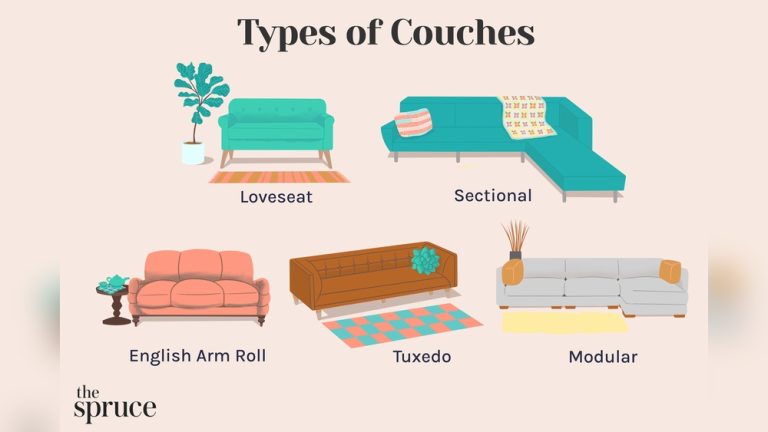
For a straightforward upholstery job, the quote usually starts with the sofa’s size, then rises for cushions, fabric type, and condition. A loveseat is usually the lowest tier, a standard three-seat sofa sits in the middle, and a sectional costs more because it has more surface area, more seams, and more labor.
Goodson Steemer says a loveseat typically runs $60 to $120, a standard three-seat sofa falls in the $100 to $200 range, and sectionals land at $150 to $300. Their page also notes that sectionals may be priced by section or seat count, which matters if your sofa has a chaise, corner seat, or extra modules.
In Bellevue, a standard 3-seat fabric sofa starts at $180, and sectionals start at $235. The Bellevue page says those prices are examples, not final prices. That matters because fabric condition, access, and add-ons can push the final number well above the starting point.
What a minimum service charge can change
A small job can cost more than the sofa itself suggests, because many cleaners use a minimum service charge. The same source says minimum service charges are usually $75 to $150. That means a single chair, loveseat, or one-piece job may be billed at the minimum even if the base clean is listed lower.
The same logic can affect a small sectional section or a single sofa in a remote area. If the trip, setup, and extraction time are not covered by the minimum, the cleaner has to recover those costs somewhere. That is why the lowest advertised rate is rarely the final invoice.
What changes the quote?
The fastest way to estimate sofa cleaning cost is to break the job into four inputs: size, cushion style, fabric code, and condition. Those are the main labor drivers. Stains, odor, travel, and protector work then sit on top of the base price as add-ons or surcharges.
Say your three-seat sofa has loose cushions, visible drink rings, and a pet odor in one seat. That is not the same job as a lightly dusty sofa with fixed cushions. The second job needs less labor, less chemistry, and less time spent flushing and drying.
Sofa size and section count
Size is the first pricing step because cleaners price by seat count, section count, or the total amount of fabric. The same source says sectionals may be priced by section or seat count, and estimates per-seat pricing at roughly $25 to $70 per seat. That makes the count of usable seating a major part of the quote.
A standard three-seat sofa often lands in the middle of the pricing ladder because it is the common benchmark. A sectional costs more because there may be more arms, more corners, and more places where soil and spills collect.
Cushion style and removable covers
Removable seat cushions usually add labor because both sides are cleaned and dried. Bellevue says removable seat cushions cost about 30% more. Fixed cushions can be faster to clean, but they do not always dry faster if the foam is thick or the seams trap water.
Loose back cushions can also add handling time, especially if they need to be lifted, brushed, flipped, and reset after cleaning. A cleaner may charge more if the sofa has many cushions, because each one adds inspection, cleaning passes, and drying space.
Fabric condition, soil level, and wear
Fabric condition changes the quote because heavy soil takes more passes and more care. A dusty sofa with light body oils is one thing. A sofa with ground-in grime, food residue, or old spills is another. Wear matters too, because thin pile, loose dye, and weakened seams can limit how much agitation the cleaner can use.
Location also affects pricing. A cleaner who has to deal with city traffic, parking fees, stairs, or narrow entryways will spend more time on the job. That is one reason two sofas of the same size can receive different quotes from different providers.
Fabric codes and cleaning method
Fabric care codes control both method and price. W, S, WS, and X are not marketing labels; they tell the cleaner which chemistry is safe. If the code is wrong or missing, the quote may rise because the cleaner has to use a slower, lower-moisture method or stop altogether.
W, S, WS, and X codes explained
W means water-based cleaning is allowed. S means solvent-based or dry cleaning methods only. WS means either water-based or solvent-based cleaning may be suitable, depending on the fabric and the soil. X means vacuum only; liquid cleaning can damage the upholstery or leave rings.
That simple code can change both feasibility and price. A W sofa may be suitable for hot-water extraction. An S sofa may need dry cleaning or a low-moisture solvent process. A WS sofa gives the cleaner more options. An X sofa can be the most limited and may not be safely cleanable by a wet method at all.
When hot-water extraction fits
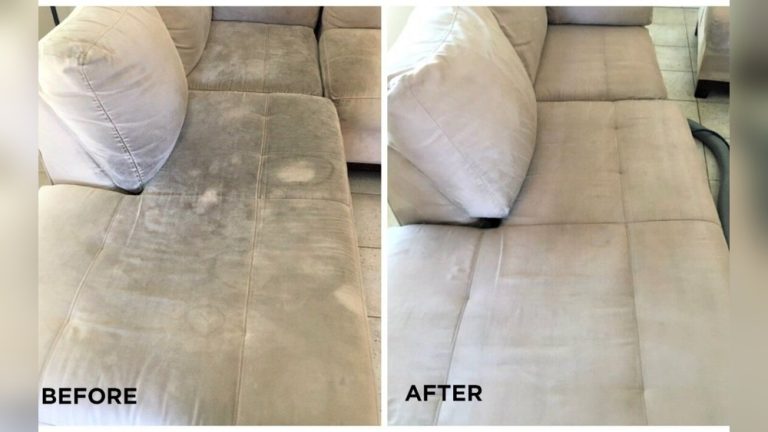
Hot-water extraction, often called steam cleaning, fits many W-coded fabrics and some WS fabrics. It is the method many homeowners picture when they think of deep cleaning, because it reaches below the surface and flushes soil out of the pile. It is usually the right choice when the goal is true deep cleaning rather than a quick refresh.
That method is less suitable for fabrics that shrink, bleed, or hold water too long. If the cleaner uses it on the wrong code, the risk is distortion, dye migration, or a long dry time. That is why a code check matters before the machine comes out of the van.
When dry cleaning or low-moisture methods are safer
Dry cleaning and other low-moisture methods are often used for S-coded fabrics, delicate blends, and some aged upholstery. These methods can be safer when water would leave rings or change the hand of the fabric. They are also useful when fast turnaround matters, such as rental turnovers or same-week occupancy changes.
Eco-friendly cleaning is usually a product choice or process choice, not a separate guarantee of deeper cleaning. It may use lower-toxicity detergents or reduced moisture, but the fabric code still controls what is safe. Do not assume “eco-friendly” means no chemistry or no stain work.
How much do stains and odors add?
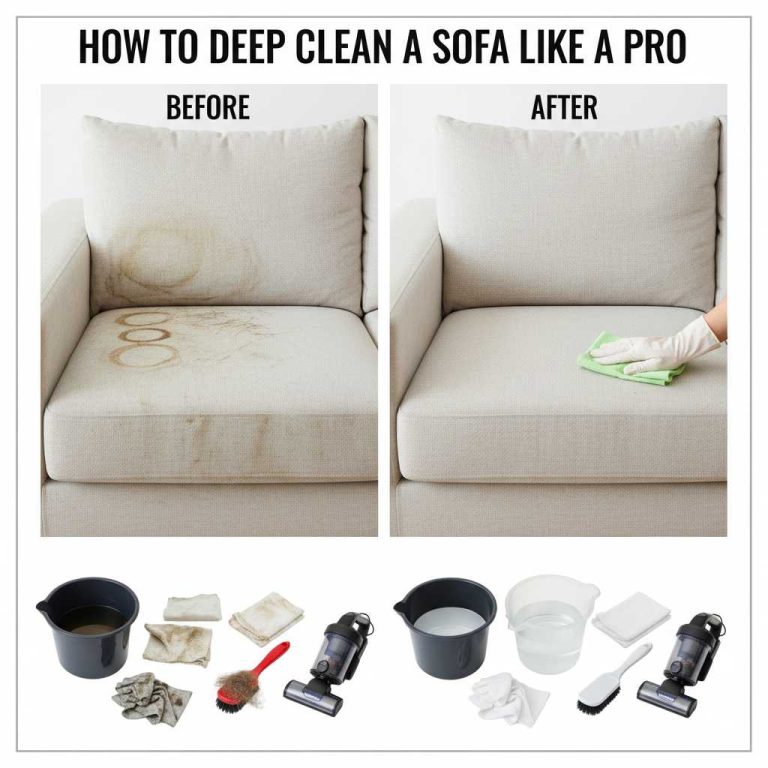
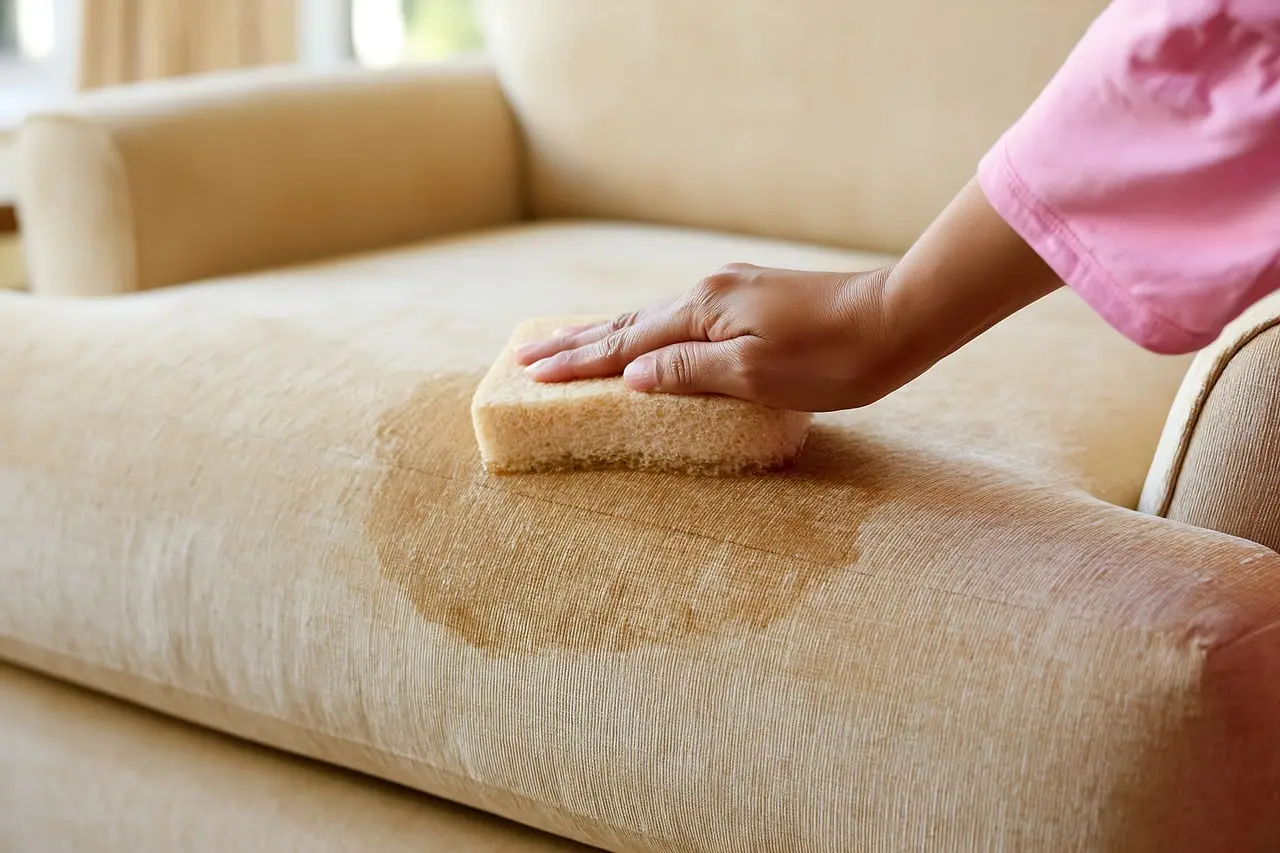
Stain treatment and odor work are usually billed separately from the base clean. A light spill may cost a little more. A severe stain, old spill, or pet urine spot can add much more because the cleaner may need to pre-treat, agitate, extract, and repeat the process. Odor work often needs enzyme treatment, not just fragrance.
Per-stain treatment and severity pricing
Empire Steemers lists stain or odor removal as an additional $20 to $50, and that range is a useful benchmark for simple add-ons. Heavier staining can cost more if the cleaner treats each spot separately or uses a severity-based surcharge. A wine splash is not priced like an entire armrest of ground-in food.
Ask whether the quote is per stain, per area, or based on severity. Those three setups produce very different final bills. A low base price can turn into a much higher invoice if each stain gets its own line item.
Pet odor remediation and enzyme treatment
Pet odor usually costs more than plain deodorizing because the cleaner may need enzyme treatment for urine and trapped organic soil. That work goes beyond surface scent masking. It targets residue that sits in the foam, backing, or seams.
Pet homes, allergy-sensitive households, and rental turnovers often need a deeper scope. If the odor has reached the cushion fill or wood frame, the cleaner may warn that full removal is not guaranteed. That is a good sign, not a bad one, because it prevents false expectations.
Protector application and other common add-ons
Protector application is often optional. It can help slow future staining, but it should not be assumed to be part of the base quote. Travel fees, stairs, parking, and after-hours access may also appear as add-ons depending on the company.
Some cleaners also charge for spot treatment on high-wear areas such as armrests and headrests. If you want a true apples-to-apples comparison, ask each provider whether the quote includes these extras or only the base clean.
Sofa cleaning cost estimator
Use this table to estimate the likely bill before you request quotes. Start with the sofa size, then adjust for cushion style, fabric code, and condition. The bands below are practical planning numbers, not fixed prices.
| Sofa size | Cushion style | Fabric code | Condition | Low | Mid | High |
|---|---|---|---|---|---|---|
| Loveseat | Fixed cushions | W | Light soil | $60 | $90 | $120 |
| Loveseat | Removable cushions | WS | Moderate soil | $78 | $117 | $156 |
| Standard 3-seat sofa | Fixed cushions | W | Light soil | $100 | $150 | $200 |
| Standard 3-seat sofa | Removable cushions | WS | Moderate soil | $130 | $195 | $260 |
| Sectional | Fixed cushions | W | Light soil | $150 | $225 | $300 |
| Sectional | Removable cushions | WS | Heavy soil | $195 | $293 | $390 |
| Any size | Any style | S | Delicate fabric | $120 | $180 | $300 |
| Any size | Any style | X | Cleaning limited | Quote only | Quote only | Quote only |
Use the table as a starting point, then add line items for stains, odor, travel, and protector. If the sofa has removable seat cushions, remember the quote can rise about 30% because both sides need attention.
How much sofa cleaning checklist
- Count each stain and note whether it is fresh, set-in, or unknown age.
- Flag any pet urine, smoke, or musty odor that reaches the cushions or frame.
- Ask whether travel, stairs, parking, or minimum service charges apply.
- Confirm whether protector application is included or billed separately.
- Send photos of the full sofa, the tags, and the problem areas before booking.
DIY vs professional cleaning
DIY cleaning is cheaper at the start, but it is usually weaker on deep soil and odor. Professional cleaning costs more, yet it brings stronger extraction, better stain chemistry, and a lower chance of over-wetting the fabric. That tradeoff matters most on expensive upholstery or delicate fibers.
What DIY usually costs
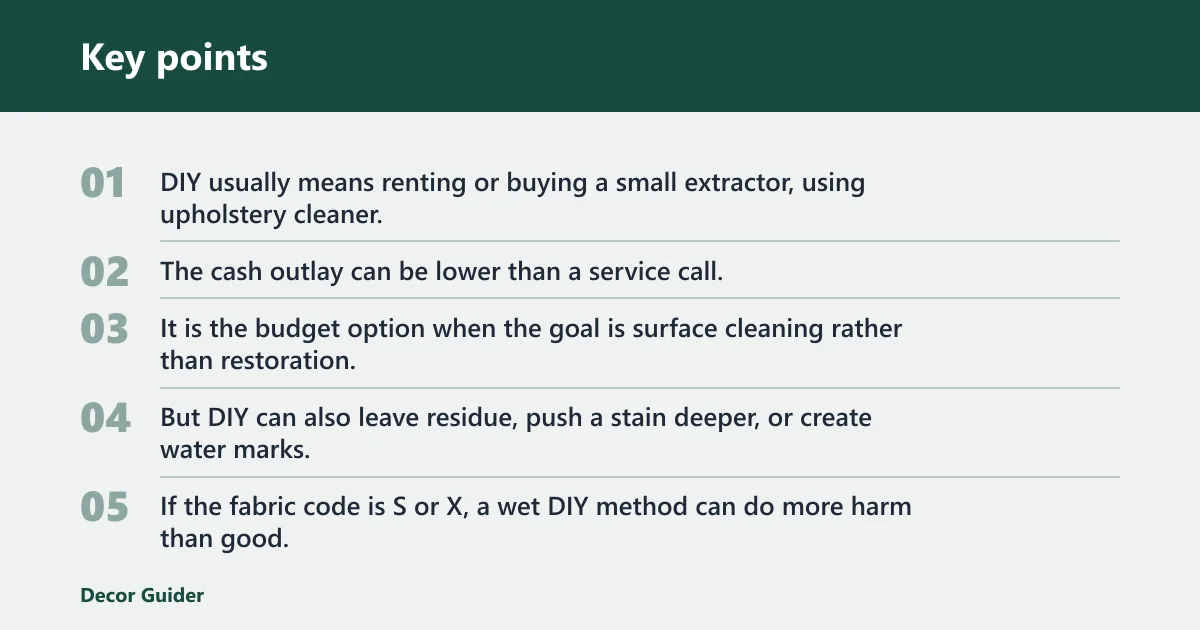
DIY usually means renting or buying a small extractor, using upholstery cleaner, and handling drying yourself. The cash outlay can be lower than a service call, especially for a small loveseat or a light refresh. It is the budget option when the goal is surface cleaning rather than restoration.
But DIY can also leave residue, push a stain deeper, or create water marks. If the fabric code is S or X, a wet DIY method can do more harm than good. That risk is part of the real cost.
Where DIY can fall short
DIY often falls short on embedded soil, pet odor, and large sectionals because household tools usually have less suction and less precise chemistry. It also struggles with loose cushions, seams, and high-traffic arms where grease collects. A quick pass may make the sofa look better without truly cleaning it.
Picture a standard three-seat sofa with light dust and one fresh spill. A DIY pass may handle the visible mark. Now change only one thing: the spill is old and the fabric is S-coded. The same method can leave residue or damage the fabric, which is why the code matters as much as the stain.
When professional cleaning is worth the extra spend
Professional cleaning is usually worth it when the sofa is expensive, the soil is deep, or the odor is embedded. It is also the safer choice for delicate blends, rental turnovers, and allergy-sensitive homes that need a real rinse-out rather than a quick surface refresh. The extra spend buys method selection, not just labor.
Goodson Steemer’s pricing examples and Empire Steemers’ add-on ranges both show the same pattern: the base clean is only part of the invoice. If you need stains, odor, and protection handled in one visit, a professional quote is easier to compare and more likely to cover the job fully.
How to compare quotes and save money
Ask for a written scope of work before you book. The best quote names the sofa size, cushion count, fabric code, cleaning method, stain treatment, odor work, travel charge, and protector price. If any of those are missing, the final bill may be higher than the first number you saw.
Use photos to reduce quote surprises
Photos help the cleaner see the fabric tag, the overall size, the stain locations, and any access issues. A clear front shot, a seat close-up, and a photo of the care label can reduce back-and-forth and make the quote more accurate. That matters especially for sectionals and for sofas with mixed materials.
Get multiple quotes when possible, but compare more than price. One cleaner may include stain pre-treatment, while another may charge separately. One may use steam cleaning on W fabric, while another may recommend dry cleaning for the same sofa. Those are not the same service.
Frequently asked questions
How much does sofa cleaning cost?
Sofa cleaning usually costs $100 to $250 for a standard three-seat sofa, with loveseats lower and sectionals higher. Add-ons can push the total higher.
How much does it cost to get a couch cleaned?
For a typical couch, expect the base clean to sit in the same bands as other upholstery jobs of similar size. The price changes with cushion count, soil level, and fabric code. A minimum service charge of $75 to $150 may apply to smaller jobs.
How much does upholstery cleaning cost?
Upholstery cleaning can range from a small-chair price to a sectional price, depending on furniture size and fabric type. MagiClean Seattle lists an armchair or recliner at $55, while Empire Steemers says average professional couch cleaning ranges from $80 to $200. Stains and odors are usually extra.
How much does sofa cleaning cost in the UK?
UK quotes usually follow the same pattern: loveseats or small two-seaters are lower, standard three-seat sofas sit in the middle, and sectionals cost more. Expect the final number to change with fabric code, removable cushions, and stain work. Ask for a written scope before booking.
Is professional sofa cleaning worth it?
Yes, when you need deep soil removal, odor work, or a safer method for a delicate fabric. Professional cleaning costs more than DIY, but it usually gives better extraction and less risk of fabric damage. It can also help extend the life of the sofa.
How much extra do stain and odor treatments add?
The same source lists stain or odor removal at an additional $20 to $50, though heavy soil or multiple stains can cost more. Pet odor often needs enzyme treatment, which may add another charge. Ask whether the quote is per stain, per area, or based on severity.
Products related to this article
Sponsored / affiliate links. As an Amazon Associate I earn from qualifying purchases. I may earn additional commission from eligible campaigns.