How Much Does It Cost to Replace Sofa Cushions? Price Guide
Replacing sofa cushions usually seems to land in a broad price range per cushion, with DIY foam or stuffing on the lower end, labor adding more, and extra cost if covers need repair or new inserts. Skip the wrong fix, and you can still end up with sagging or lumpy cushions after spending on the wrong part. This guide breaks down foam, labor, and cover repair so you can pick the cheapest option that restores comfort.
How much does it cost to replace sofa cushions?
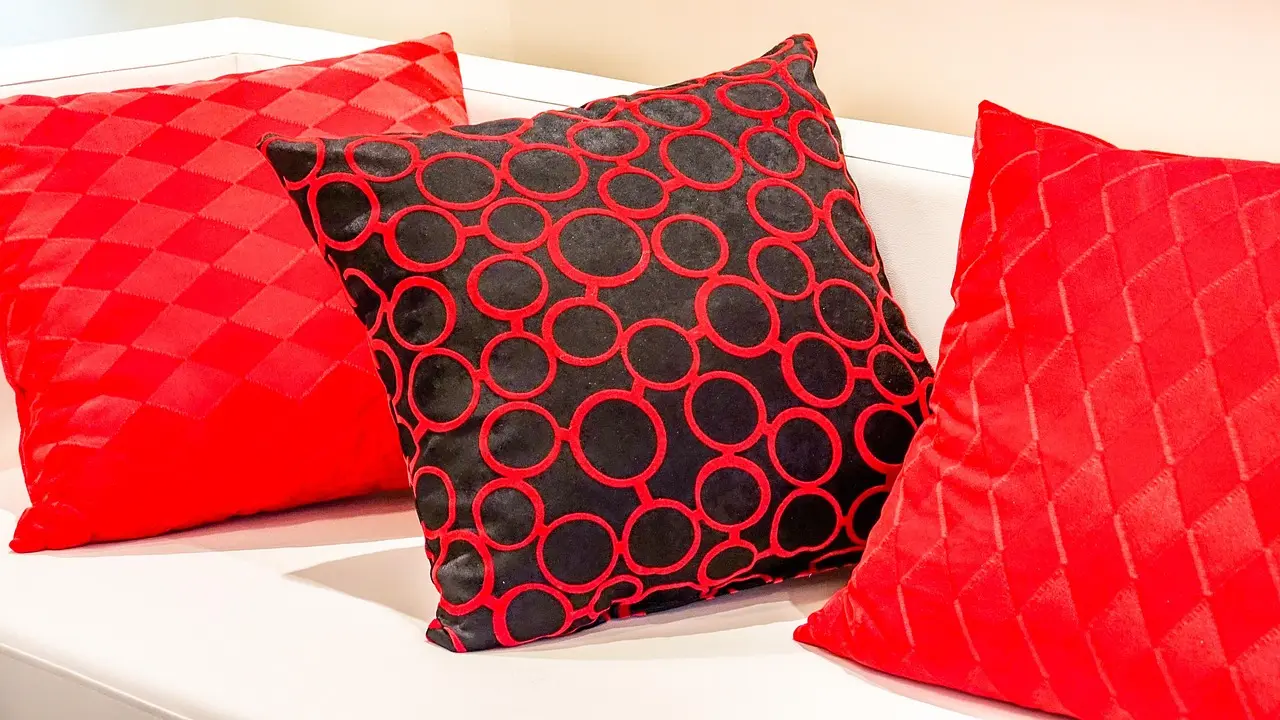


Sofa cushion repairs often seem to fall into a few broad price bands: DIY foam inserts may start in the lower range, professional restuffing tends to cost more, and full custom replacement can rise further when covers, piping, or unusual shapes are involved. Seat cushions usually cost more than back cushions because they need firmer foam and stronger support.
Typical price ranges by repair path
| Repair path | Typical cost per cushion | Best for |
|---|---|---|
| DIY foam insert | $20 to $80 | Simple sagging, removable covers, standard shapes |
| Professional restuffing | $75 to $200 | Mixed fill loss, zipper access, moderate sewing work |
| Full cushion replacement | $150 to $300+ | Damaged cover, odd shapes, worn seams, custom sizing |
How seat cushion prices differ from back cushion prices
Seat cushions cost more because they carry body weight and need better recovery after compression. Back cushions can often be restuffed with less expensive polyfibre, Dacron wrap, or feather/down blends. A single seat cushion replacement is usually cheaper than a full set, but a matching pair often gives a better result for a sectional or loveseat.
What changes the total
- Size: a longer or thicker cushion uses more foam and more fabric, so the bill rises.
- Shape: L-shaped, curved, bull-nosed, and bolster forms need template work.
- Foam grade: high-resilience foam costs more than basic fill.
- Labor: sewing, zipper repair, and piping add shop time.
- Cover condition: damaged covers can turn a foam job into a full rebuild.
GB Foam Direct says it offers replacement sofa cushions and couch cushions, with “15 unique shapes,” “fast, next-day delivery,” and orders placed before 11:00am sent next working day. It also says the business has been in business since 1976, has “over 45 years in business,” and provides a “5 Year Guarantee” on its foam.
📊 The page says cushion ordering should not take more than 10 minutes. Source: CO.
What is the cheapest fix for a sagging sofa cushion?
The cheapest fix is usually a new foam insert when the cover, seams, and zipper are still sound. If the cushion only feels flat, a foam swap or added wrap can bring back support without paying for a full custom cushion. Once the cover is torn, the zipper fails, or the shape is unusual, the lowest-cost fix can change fast.
When new foam is enough
If the cushion has lost spring but the cover still fits snugly, replacing the foam core is often enough. This is common for seat cushions with a smooth outer cover and no seam damage. A good foam choice matches firmness to use: firmer for seats, softer for backs.
When you also need fill or cover work
If the cushion feels hollow, lumpy, or misshapen, the fix may need more than foam. Restuffing can include polyfibre, padding, Dacron wrap, or feather/down topping to rebuild the profile. A loose cover can make new foam look underfilled, so check the fit before you order.
When replacement is smarter than repair
Replacement makes more sense when the zipper is broken, the seams are weak, or the cushion shape is no longer holding. If the frame, webbing, or suspension under the cushion has collapsed, new cushions alone will not solve the problem. In that case, money goes farther on the support system than on fresh fill.
Say your 22-inch by 26-inch seat cushion has a good cover but sinks in the middle. A stock foam insert may be enough. Say the same cushion has a torn zipper and crushed side bolsters. Then labor and cover repair can cost more than the foam itself.
How much does it cost to replace sofa foam?
Replacing sofa foam usually costs less than replacing the whole cushion shell, but the price depends on density, firmness, and whether the insert is stock or custom cut. Standard rectangles are cheaper. Curved, L-shaped, or bull-nosed pieces cost more because they need shaping and template work.
Replacement foam inserts: stock sizes versus custom cut foam
Stock foam inserts are the lowest-cost option when dimensions are standard and the cover opening is predictable. Custom-cut foam costs more because it is cut to exact length, width, thickness, and corner radius. If the cushion has a bolster or shaped front edge, ask for template matching instead of guessing by eye.
How density and firmness affect price and support
Higher-density foam generally costs more and usually holds up better in seat cushions that take daily weight. Firmness should match the job: firmer foam for seats, softer and lighter fill for backs. A cheap insert that is too soft can flatten quickly, which raises the long-term cost.
High-resilience foam, memory foam, and blended fill options
- High-resilience foam: common for seat cushions because it rebounds well.
- Memory foam: softer feel, but it can hold heat and may feel slow to recover in a sofa seat.
- Polyfibre or padding: useful for backs, arm cushions, and a fuller look.
- Dacron wrap: often added over foam to soften edges and smooth the cover line.
- Feather/down: plush and moldable, but it needs regular fluffing.
What does upholsterer labor add to the bill?
Labor can add a lot, especially when the job includes re-stitching, zipper replacement, or piping repair. Many local upholsterers also set minimum charges, so one cushion may cost nearly as much as two. In practice, labor can exceed the foam cost on a small cushion with damaged seams.
Re-stitching, zipper replacement, and piping repair
Re-stitching is often the first repair when a seam opens or the cover has started to split. Zipper replacement adds more time because the old zipper must be removed and resewn cleanly. Piping repair can take even longer, especially on patterned fabric or tight corners.
Local upholsterer minimum charges and per-cushion pricing
Many shops price by the job rather than by the minute, so a minimum charge can apply even for one cushion. That is why a simple foam swap can be cheaper through a foam supplier, while a torn cover becomes more cost-effective through an upholsterer. Ask whether the quote includes pickup, cutting, sewing, and refitting.
How much do replacement covers cost?
Replacement covers often cost less than a full new cushion, but fabric type changes the bill fast. Removable covers are usually cheaper to service because they can be measured, cut, and zipped on and off. Fixed covers take more labor and are harder to match if the original shape has stretched or shrunk.
Cover-only pricing versus full cushion replacement
A cover-only job makes sense when the foam is still in good shape and only the outer fabric has failed. Full cushion replacement is more expensive because it includes the cover, fill, and often the finishing details. If the foam has collapsed too, a cover-only repair wastes money.
How fabric choice changes the final price
Durable upholstery fabric usually costs more than basic cloth, and matching a pattern can raise labor as well. Leather and performance fabrics can also shift the price because seams, stretch, and edge finishing change how the cover is built. The less standard the fabric, the more the quote tends to rise.
What size and shape details do you need before ordering?
You need the exact length, width, thickness, corner radius, and shape profile before ordering any insert or cover. Measurements matter because a cushion that is even slightly off can look loose, feel lumpy, or fail to fill the cover. For odd shapes, a template is better than a rough guess.
How to note tufting, bolsters, curved edges, and bull-nosed fronts
Record whether the cushion is tufted, has a boxed edge, includes a bolster, or has a bull-nosed front. Curved edges and angled corners need more than a simple rectangle measurement. Take note of the exact opening location for the zipper as well.
Why L-shaped and other custom cushions cost more
L-shaped, curved, and sectional pieces take more material and more labor because they rarely fit stock sizes. Custom-made cushions often require template-making, especially when the sofa has a non-standard arm, curved front rail, or multiple joined sections. That is why the price jumps faster than many homeowners expect.
- Measure the existing cushion cover flat, not the compressed foam alone.
- Check the zipper, seams, and piping before ordering anything.
- Decide whether the problem is foam loss, fill loss, or cover damage.
- Choose stock foam only if the shape is standard and the cover is intact.
- Ask for a custom quote if the cushion is curved, L-shaped, or bull-nosed.
Cost matrix: DIY foam insert vs professional restuffing vs full replacement
The best path depends on the failure, not just the cushion type. DIY foam inserts are cheapest for standard cushions with good covers. Professional restuffing helps when the cover needs sewing or the fill is mixed. Full replacement is best when the shape, cover, and fill all need work at once.
| Cushion type | Failure cause | DIY foam insert | Professional restuffing | Full replacement | Quick decision rule |
|---|---|---|---|---|---|
| Seat | Sagging foam | $20 to $80 | $75 to $150 | $150 to $250 | Choose foam first if the cover and seams are sound. |
| Back | Crushed fill | $20 to $50 | $75 to $125 | $125 to $200 | Choose restuffing if the back only needs loft restored. |
| L-shape | Shape loss | $40 to $100 | $100 to $200 | $200 to $300+ | Choose replacement if the template no longer holds true. |
| Curved | Cover damage | $30 to $90 | $100 to $180 | $180 to $300+ | Choose replacement when the curve and cover both need work. |
| Bolster | Flattened roll | $20 to $60 | $80 to $140 | $140 to $220 | Choose restuffing if the outer shape is still intact. |
| Ottoman | Worn fill or seam split | $25 to $70 | $90 to $160 | $160 to $250 | Choose the cheapest path that fixes both fill and cover. |
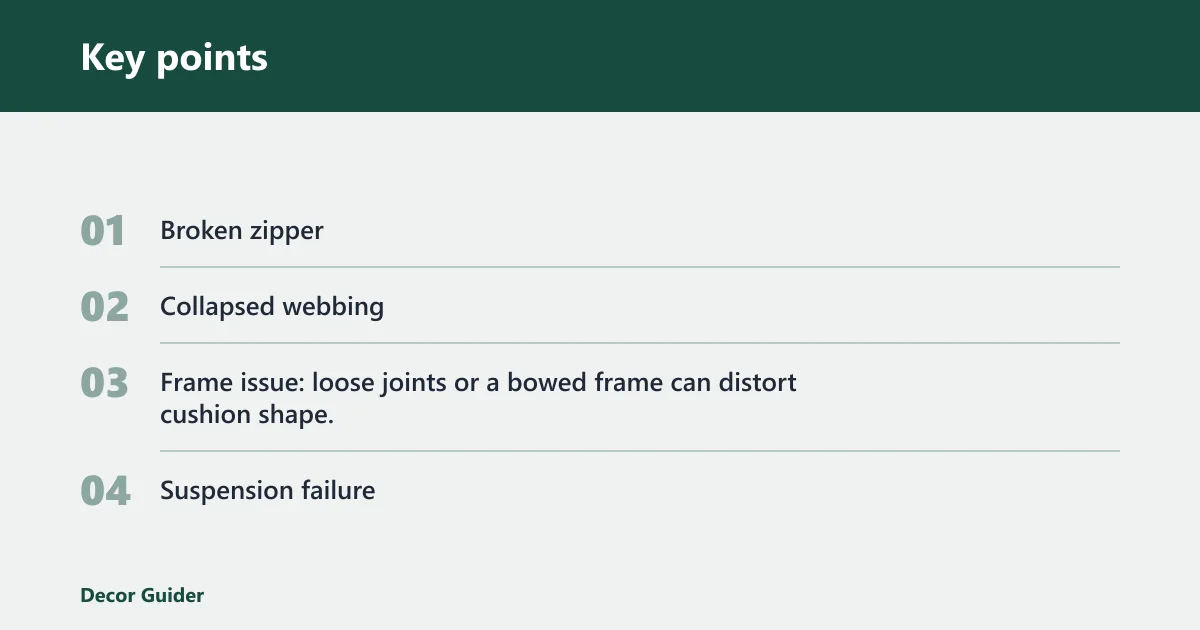
Failure cases where cushion work is not enough
- Broken zipper: the cover may need repair before any insert fits properly.
- Collapsed webbing: the seat will still sag even with new foam.
- Frame issue: loose joints or a bowed frame can distort cushion shape.
- Suspension failure: springs or webbing may need repair first.
Support standards matter too. Choose firmness based on use, not appearance. A seat cushion that sees daily use should be built for recovery and long wear, while decorative backs can be softer. In some settings, fire-retardant foam is required, and GB Foam Direct states that its foam is “Flame Retardant.” It also says the foam shop uses “latest CNC cutting technology.”
How much does it cost to replace couch cushions?
Replacing couch cushions usually costs $40 to $300 per cushion depending on size, shape, and whether you need foam, labor, or a new cover. Standard seat cushions sit on the higher end because they need firmer support. Odd shapes, custom templates, and cover repairs raise the total quickly.
How much does it cost to restuff sofa cushions?
Restuffing sofa cushions often costs $75 to $200 per cushion when a shop handles the fill, sewing, and refitting. The price moves with material choice, cushion size, and whether the cover must be opened and resewn. Feather/down and custom shape work usually cost more than simple polyfibre fill.
Frequently asked questions
How much does it cost to restuff couch cushions?
Restuffing couch cushions usually falls in the $75 to $200 range per cushion when a professional handles labor and fill. Back cushions often cost less than seat cushions because they do not need the same firmness. Add more if the job includes zipper repair or piping.
How much does it cost to replace foam in sofa cushions?
Replacing foam in sofa cushions usually costs less than replacing the whole cushion assembly, especially for standard rectangles. Stock inserts can be relatively low-cost, while custom-cut foam for curved or L-shaped cushions costs more. Density, thickness, and firmness all affect the final total.
How much does it cost to repair a couch cushion?
Repairing a couch cushion can cost as little as a foam swap or as much as a full rebuild with sewing and new fabric. If only the fill has failed, the repair may stay low. If the zipper, seams, or piping are damaged, labor becomes a major part of the bill.
How much do replacement sofa cushions cost?
Replacement sofa cushions often cost $40 to $300 per cushion, depending on whether you need a simple insert or a fully covered custom piece. Seat cushions usually cost more than back cushions. Curved, bull-nosed, and sectional pieces cost more because they need template work and extra material.
How much does it cost to replace a zipper on a couch cushion?
Replacing a couch cushion zipper often adds a meaningful labor charge because the old zipper must be removed and resewn. The total depends on cushion size, fabric type, and shop minimums. A zipper repair can be modest on a simple cover, but it may become expensive on a custom cushion.
How often should you replace sofa cushions?
Sofa cushions should be replaced when they no longer recover shape, feel uneven, or fail to support the body properly. Lifespan depends on foam density, use level, and construction quality, so there is no single schedule. If the foam, cover, and support system are all worn, replacement is usually overdue.
Products related to this article
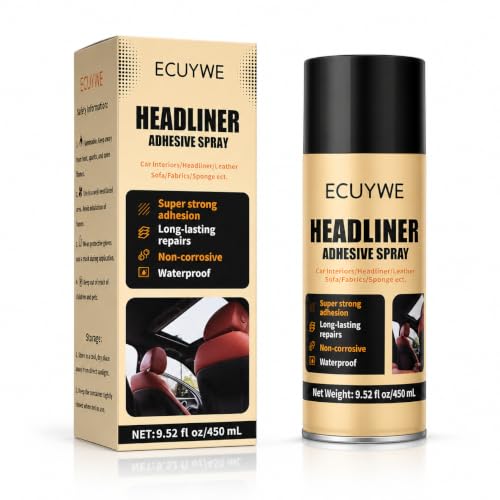
Sponsored / affiliate links. As an Amazon Associate I earn from qualifying purchases. I may earn additional commission from eligible campaigns.