Best Sofa Cushion Stuffing for Sagging Seats Foam Guide
For a sagging sofa seat, the best fill depends on what failed: compressed foam gets new high-density foam, a loose cushion gets fiberfill or batting, and a broken support deck needs repair before any fill works. Buy the wrong fill and you waste money, trap a dip under the same tired seat, and make the couch feel worse in a month. This guide compares stuffing by failure mode so you can match the fix to the problem and buy once.
Best sofa cushion stuffing for sagging seats


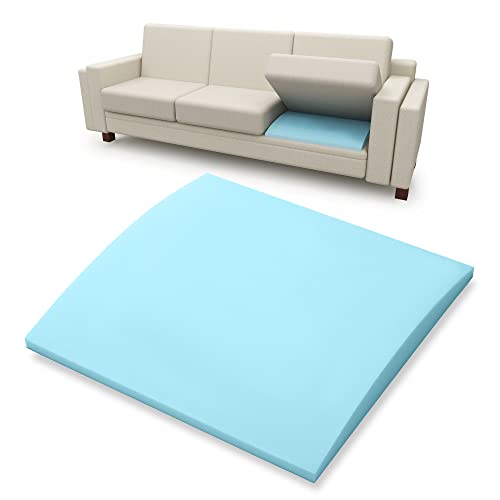
The top pick for most sagging seat cushions is a high-density polyurethane foam support core wrapped in Dacron batting. That stack brings back shape, resists compression better than soft fill alone, and still gives a cleaner, smoother seat than foam by itself.
If the seat only feels a little flat, polyester fiberfill can buy time. If the goal is softer surface comfort over a firmer base, memory foam works best as a top layer, not as the whole cushion.
Quick picks by sag type and use
- Daily family seating: High-density polyurethane foam core with Dacron wrap. Best balance of support and shape retention.
- Guest room or light-use sofa: Upholstery foam insert or a foam-insert replacement with a modest Dacron wrap. Good value when the couch is used less often.
- Pet-heavy homes and high-traffic seats: Firm foam core with Dacron wrap. Avoid very soft fiberfill-only fixes, which flatten faster and hold body impressions.
- Comfort-first feel: Foam core topped with a thin memory foam layer. Better pressure relief, but only if the base is already solid.
- Back cushions or loose pillows: Polyester fiberfill with Dacron wrap. Good loft, easy to refill, and cheaper than replacing a seat core.
Why is your sofa sagging?

The right stuffing depends on where the failure is happening. If the cushion has collapsed, new fill can fix it. If the deck, springs, or frame has dropped, stuffing alone will not solve the dip and may hide a structural problem for a short time.
Cushion fill has collapsed
This is the most common seat problem. The cushion feels flat, bottoms out too quickly, or shows a seated impression that stays after you stand up. In that case, replacing the support core with firmer foam is usually the most effective repair.
Cushion core support has failed
Some sofas sag because the support system under the cushion has lost tension. Sinuous springs can stretch, webbing can loosen, and a wood deck can bow. If that layer has failed, the best fill in the world will still sit in a dip.
The issue is the deck, springs, or frame, not the stuffing
Pull the cushion off and press the seat base by hand. If the base sinks far more than the same area on the other side, the support system is the problem. Repair the deck, springs, or frame first, then judge the cushion fill.
What stuffing works best for sagging seat cushions?
For seat cushions, the best stuffing is usually high-density polyurethane foam as the support core, with Dacron batting over it to smooth edges and reduce fabric friction. Memory foam and polyester fiberfill can help, but they work better as comfort or loft layers than as the only fill.
High-density polyurethane foam as the support core
High-density polyurethane foam is the standard choice when a seat needs real recovery. Density is measured in pounds per cubic foot, and for sofa seats, higher density usually means longer wear and stronger compression resistance. Common seat replacements often use thicknesses in the mid range, depending on the cover and the old insert.
Upholstery foam grades and firmness for seat recovery
Upholstery foam is sold by density and firmness, often described by ILD or a similar compression rating. For a seat, a firmer foam holds shape longer and resists bottoming out better than soft foam. Very soft foam may feel nice at first, then begin to collapse with regular use.
Dacron batting as a wrap layer
Dacron batting sits over the foam core. It adds a little loft, softens the edge of the cushion, and helps the cover slide on without dragging the fabric against the foam. It usually does not provide much support, so it should be treated as a wrap layer rather than the main fix.
Memory foam and polyester fiberfill as comfort or loft layers
Memory foam relieves pressure and recovers slowly, which can make a seat feel more forgiving. On its own, though, it often feels too soft for a main seat insert. Polyester fiberfill is budget-friendly and useful for back cushions or for rebuilding loft in a loose cushion, but it compacts over time.
How do you choose the right fill stack?
Most sagging seats do better with a support core plus a wrap layer than with one material alone. The support core carries body weight. The wrap layer improves feel, cleans up the shape, and helps the cushion fit the cover without wrinkles or hard corners.
Seat firmness by household use
Daily family seating needs the most compression resistance. A firmer foam core with Dacron wrap usually holds up best. Guest rooms can use a slightly softer insert because the seat sees less wear. Pet-heavy homes usually benefit from firmer foam because claws, jumping, and constant use break down soft fill faster.
Matching fill to cushion construction and cover fit
A zippered cushion cover gives access to the insert, but it also limits how much extra material can fit inside. If the cover is tight, oversized fluff can fight the zipper and create a lumpy seat. If the cover has room, a foam core wrapped in batting is easier to install and gives a cleaner result.
When custom foam beats a patch repair
Custom foam can be worth the cost when the old insert has fully collapsed, when the cushion sits in a zipper cover, or when the seat gets daily use. A temporary topper or loose fiberfill patch makes more sense for a lightly used sofa or a rental where a short-term fix is enough.
Decision table: sag type, cushion build, and best stuffing stack
| Sag type | Cushion build | Best stuffing stack | Support core | Wrap layer | Expected feel | Likely lifespan |
|---|---|---|---|---|---|---|
| Flattened seat, daily use | Zippered foam insert cover | High-density polyurethane foam + Dacron batting | Firm foam core, often 4 to 6 inches thick | Thin Dacron wrap | Supportive, stable, less bottoming out | Best long-term DIY option |
| Loose, soft seat with mild loss of loft | Loose cushion or pillow-style seat | Upholstery foam or fiberfill blend + Dacron wrap | Medium foam or partial refill | Dacron batting | Moderately soft, cleaner shape than fiberfill alone | Moderate; better for light use |
| Comfort-first seat with hard base | Solid cushion shell | Foam core + thin memory foam comfort layer + Dacron | High-density foam base | Dacron over the foam, memory foam only as a top layer | Pressure relief with firm support underneath | Good if the base is sized well |
| Back cushion or arm pillow sag | Loose pillow insert | Polyester fiberfill + Dacron wrap | No firm seat core needed | Dacron batting | Plush, lofty, easy to reshape | Shorter; compacts faster than foam |
| Support deck or springs failing | Any cushion type | Repair support core before restuffing | Sinuous springs, webbing, or wood deck repair | Then add foam and batting | Only improves after the base is fixed | Depends on repair quality |
How to measure and replace a cushion insert
Measure the cushion cover and the old insert before buying anything. A zippered cushion cover often does better with a foam insert that is a bit larger than the inside opening suggests, since foam compresses during installation and the cover needs a snug fit to help prevent sliding.
Measure the cushion cover and old insert
- Remove the cushion and unzip the cover.
- Measure the inside length, width, and thickness of the cover.
- Measure the old insert at its widest point, even if it is misshapen.
- Compare both sets of numbers and note how much the old foam has shrunk or compressed.
- Use the cover size as the main guide, then account for compression tolerance.
Allow for compression and fit tolerance in a zippered cushion cover
A foam insert should usually fit tightly enough to fill the cover corners, but not so tightly that the zipper is under much strain. A modest oversize can help the cushion look fuller. Too much oversize can make insertion difficult and may create bowed seams or a lumpy front edge.
Cutting foam cleanly with an upholstery knife or electric carving knife
An upholstery knife or electric carving knife can give a cleaner DIY cut for foam. Mark the foam with a straight edge, keep the blade moving, and cut in a single smooth pass when possible. Jagged cuts leave uneven shoulders that show through the fabric.
When should you replace the insert instead of restuffing?
Replace the insert when the original fill has collapsed across most of the cushion, when the seat feels uneven or lumpy, or when the cover fit is already too loose for a simple patch. A new insert is the better move when the old core no longer holds a true shape.
Collapsed original fill
If the foam springs back slowly, stays dented, or breaks into soft zones, restuffing usually only masks the problem. A fresh foam core gives a more predictable seat and lasts longer than trying to prop up worn material with loose filler.
Uneven or lumpy seat feel
Lumps mean the fill has shifted, broken down, or been patched too many times. In that case, adding more stuffing can make the surface even less consistent. A new insert, wrapped in Dacron, usually gives a cleaner result.
Cost comparison between custom and precut inserts
Custom foam costs more, but it is often worth it for the main sofa seat, especially when the cover is zippered and measurements are exact. Precut inserts save money when the size is standard. Temporary fiberfill or batting makes sense only when the goal is a short-term improvement.
What is the best stuffing for a sagging sofa cushion?
The best stuffing for a sagging sofa cushion is usually high-density polyurethane foam wrapped in Dacron batting. That combination fixes the most common failure mode, which is a collapsed seat core. If the problem is only a light loss of loft, fiberfill can help, but it will not restore true support.
Best foam choice for seat support
For seat recovery, choose upholstery foam with good density and a firmness level that matches daily use. Higher-density foam usually resists compression better and is often the safer choice for a main seat. Softer foams are fine for occasional use, but they flatten faster under repeated sitting.
Best fill for light sag and soft edges
Polyester fiberfill and Dacron batting work well when the cushion still has structure but the surface looks tired. They are useful for smoothing corners, adding loft, and filling small voids. They are usually not the right choice for a seat that sinks to the frame.
How do I make sofa cushions firmer again?
To make sofa cushions firmer again, replace or supplement the support core with denser foam, then add a Dacron wrap for shape. If the sofa itself sags underneath, fix the springs, webbing, or deck first. Adding soft filler alone rarely creates lasting firmness in a seat.
Is foam or fiberfill better for couch cushions?
Foam is better for seat cushions because it supplies compression resistance and keeps the sitter above the deck. Fiberfill is better for back cushions, loose pillows, and light loft correction. For seats, fiberfill alone usually compacts too quickly and creates a hammock feel rather than support.
Can I restuff sofa cushions myself?
Yes, many sofa cushions can be restuffed at home if they have a zipper and the cover still fits the original shape. The job is straightforward when the issue is the cushion fill, not the frame. Measure carefully, choose the right density, and cut foam cleanly for the best result.
How much foam do I need to refill a couch cushion?
Measure the cushion’s length, width, and thickness, then buy foam sized to the cover rather than to the flattened insert. A tighter seat usually needs foam that nearly fills the cover, while a looser cover may need extra Dacron wrap. The correct amount depends on compression and fit tolerance.
What density foam is best for sofa seat cushions?
High-density foam is usually the best choice for sofa seat cushions because it resists compression and keeps its shape longer under daily use. A firmer ILD is often better for main seating, while a medium-firm foam can work for guest rooms or secondary seats that see lighter use.
Should I use batting, foam, or down alternative for sagging seats?
Use foam for the seat core, batting as the wrap layer, and down alternative only when the goal is extra softness in a back cushion or a loose pillow. For sagging seats, batting and down alternative are finishing materials, not the main support fix.
How do I know if my cushion needs new stuffing or a new cushion insert?
If the cover still fits well and the cushion only feels a bit tired, new stuffing can be enough. If the insert is flattened, lumpy, or permanently warped, a new foam insert is usually the better fix. When the seat base also sags, repair the structure before replacing anything inside the cushion.
Products related to this article
Sponsored / affiliate links. As an Amazon Associate I earn from qualifying purchases. I may earn additional commission from eligible campaigns.