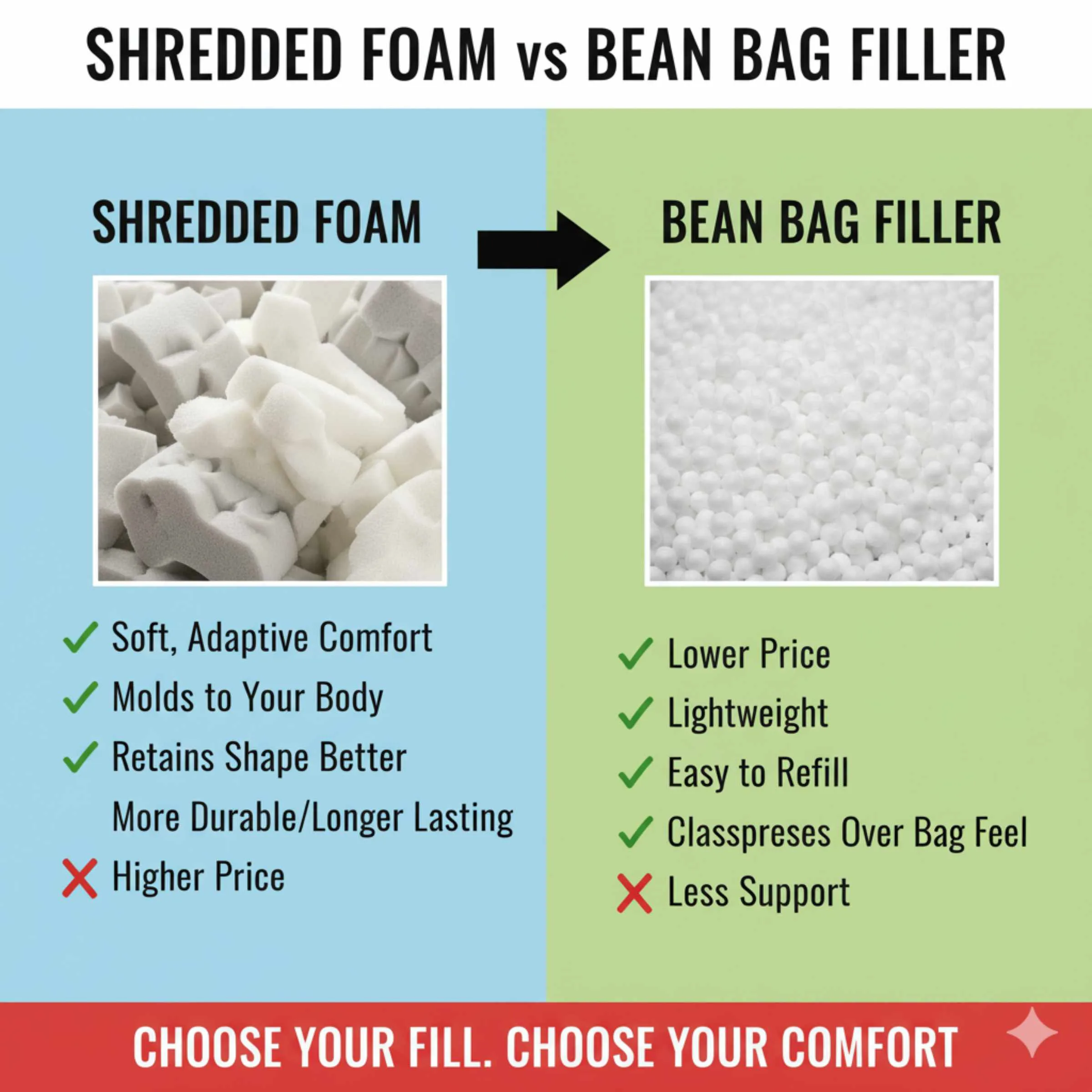
For a comfy, supportive, and long-lasting bean bag, shredded foam is generally the best choice over traditional bean bag filler. It offers better support, won’t flatten out as quickly, and avoids the dusty mess often associated with smaller fillers.
Ever tried to sink into a bean bag, only to feel kind of… ground-level? That’s a common bummer with bean bags. Over time, the filler can shift and flatten, turning your cozy spot into a less-than-comfy slump. It’s like when your car’s suspension gets saggy – not ideal! Choosing the right filling is key to that perfect sink-in feel and making sure your bean bag stays a favorite hangout for years. We’re going to break down the two main types: shredded foam and the classic bean bag filler (often polystyrene beads), so you can make the best choice for your ultimate relaxation station. Stick around, and we’ll get your bean bag back to its plush glory!
Shredded Foam vs. Bean Bag Filler: Unpacking Your Options
When you’re looking to fill or refill a bean bag, you’ll mainly encounter two types of stuffing: shredded foam and traditional polystyrene beads (often called “beans”). Both have their fans, but they behave quite differently. Understanding these differences is like knowing whether your car needs a tune-up or a new set of tires – it totally changes the outcome. Let’s dive into what each one is and what it brings to the bean bag party.
What is Shredded Foam Filler?
Shredded foam filler is exactly what it sounds like: foam that has been broken down into smaller, fluffy pieces. Think of it as tiny, soft foam clouds! This type of filler is often made from high-density, resilient foam, similar to what you find in quality furniture cushions. It’s usually lightweight, hypoallergenic, and comes in various densities and types, including memory foam and polyurethane foam. This makes it a great option for those looking for a supportive yet yielding fill.
Pros of Shredded Foam:
- Superior Comfort and Support: Shredded foam molds to your body exceptionally well, providing a supportive and plush feel. It cradles you without feeling like you’re sinking into quicksand.
- Long-Lasting: Unlike traditional beads, shredded foam doesn’t compress and flatten as easily over time. It retains its loft and shape much longer, meaning your bean bag stays comfortable for years.
- Quieter: Shredded foam is significantly quieter than polystyrene beads, which can make a crinkling or sifting sound when you move. This is ideal for quiet reading nooks or gaming dens.
- Hypoallergenic: High-quality shredded foam is typically hypoallergenic, making it a good choice for people with allergies or sensitivities.
- Breathable: It often allows for better air circulation compared to dense polystyrene beads, which can lead to a cooler sitting experience.
Cons of Shredded Foam:
- Cost: Shredded foam is generally more expensive than traditional polystyrene beads.
- Weight: It can be slightly heavier than polystyrene beads, though this also contributes to its stability.
- Mess Factor: While not as dusty as beads, filling a bean bag with shredded foam can still be messy. It tends to cling to surfaces!
- Availability: While becoming more common, it might be slightly harder to find than standard bean bag filler at some general retailers.
What is Traditional Bean Bag Filler (Polystyrene Beads)?
The classic choice for bean bags, traditional filler is made up of small, lightweight polystyrene beads. These are the tiny, spherical pellets you often imagine when thinking of a bean bag. They are inexpensive, readily available, and the original material that made bean bags so popular for their moldable, “sink-in” feel. You can find these in smooth or expanded polystyrene (EPS) forms, and sometimes even recycled options.
Pros of Traditional Bean Bag Filler:
- Affordability: This is usually the most budget-friendly option for filling a bean bag.
- Lightweight: The beads are very light, making the bean bag easy to move around.
- Moldability (Initially): When new, the beads conform to the body, giving that characteristic bean bag hug.
- Widely Available: You can find polystyrene beads at most craft stores, home goods stores, and online retailers.
Cons of Traditional Bean Bag Filler:
- Compresses and Flattens: The biggest drawback is that these beads compress over time and with use. Your bean bag will become flatter and less supportive, requiring frequent refilling or topping up.
- Noise: Moving around in a bean bag filled with polystyrene beads can create a significant rustling or crinkling sound.
- Dust and Static: Polystyrene beads can generate static electricity, attracting dust and lint. They can also degrade over time, creating fine beads or dust, which can be messy and an allergen concern for some.
- Environmental Concerns: Polystyrene is a petroleum-based plastic, and while some options are recycled, it’s not the most eco-friendly choice.
- Potential for Leaks: If the bean bag cover tears, these small beads can scatter everywhere, creating a challenging cleanup.
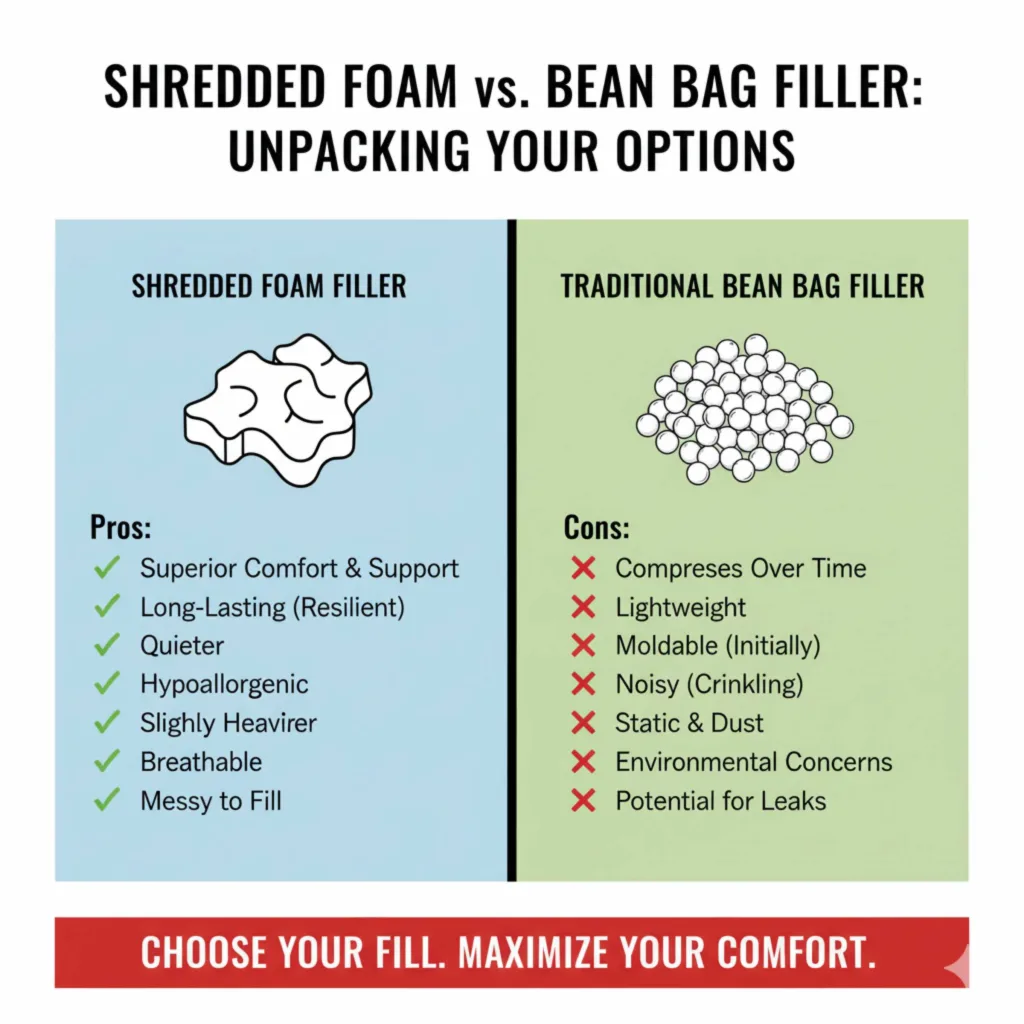
Shredded Foam vs. Bean Bag Filler: A Side-by-Side Comparison
To make things super clear, let’s put these two popular fillers head-to-head. Think of this like comparing two different types of tires for your car; one might offer better grip on wet roads, while the other is more fuel-efficient. It’s all about what performance you need!
| Feature | Shredded Foam | Traditional Bean Bag Filler (Polystyrene Beads) |
|---|---|---|
| Comfort & Support | Excellent. Molds to body, provides buoyancy and lasting support. | Good initially. Conforms but flattens over time, losing support. |
| Durability/Longevity | High. Retains shape and loft for a long time. | Low. Compresses significantly, requiring frequent refills. |
| Noise Level | Very Quiet. Minimal sound. | Noisy. Rustles and crinkles with movement. |
| Allergen/Dust Factor | Low. Hypoallergenic options available, minimal dust. | Higher. Can generate dust, attract static/lint. |
| Cost | Moderate to High. | Low. |
| Weight | Moderate. Adds a bit more substance. | Very Light. Easy to move. |
| Environmental Impact | Varies (can be made from recycled content or more eco-friendly foams). | Petroleum-based plastic; often not the most sustainable option. |
| Ease of Filling | Can be a bit messy/clinging. | Can be very messy if spilled due to tiny size. |
Which is the Best Choice for You?
So, the big question: which filler reigns supreme? For most people looking for a truly comfortable, supportive, and long-lasting bean bag experience, shredded foam is the clear winner. It provides a superior feel that doesn’t degrade quickly, meaning you won’t be constantly topping it up. It’s an investment in sustained comfort.
However, the choice really depends on your priorities and budget. Let’s break down a few scenarios:
When to Choose Shredded Foam:
- You want maximum comfort and support: If you’re looking for that “perfect hug” from your bean bag that lasts.
- You hate refilling: If the idea of constantly adding more filler sounds like a chore, shredded foam is your friend.
- You need a quiet space: For a reading chair, a gaming bean bag, or a spot in a shared living room, the quietness is a huge bonus.
- Allergies are a concern: Hypoallergenic shredded foam is a safer bet.
- You’re investing in a premium bean bag: Higher-end bean bags often come with or recommend shredded foam for a reason.
When Traditional Bean Bag Filler Might Be Okay:
- Budget is the absolute top priority: If cost is your main concern, polystyrene beads are the cheapest way to fill a bag.
- It’s for occasional, temporary use: If the bean bag won’t get heavy use, the flattening might not be a huge issue immediately.
- Portability is key: If you need to move the bean bag frequently and want it as light as possible.
- You don’t mind refilling: If you’re happy to top up your bean bag every few months or so.
How to Refill Your Bean Bag
Whether you’ve decided on shredded foam or polystyrene beads, refilling a bean bag is a pretty straightforward process. It’s a bit like adding oil to your car; you just need to be careful not to make a mess! Here’s how to tackle it:
Step-by-Step Refill Guide:
- Gather Your Supplies: You’ll need your new filler, the bean bag itself, a funnel (if using beads and your bean bag has a small opening), a vacuum cleaner (for inevitable messes), and possibly some old sheets or a tarp to work on.
- Find the Zipper: Most bean bags have a zipper closure, often on the bottom or side. Some might have a Velcro closure. Carefully open it. You might find a second inner liner with another zipper – open that too.
- Prepare Your Workspace: Lay down old sheets or a tarp in a well-ventilated area, preferably outdoors or in a large, empty room. This makes cleanup much easier.
- Start Adding Filler:
- For Shredded Foam: Start shoveling or pouring the foam into the bean bag. It’s fluffy, so it will expand. Don’t overfill immediately; add enough to get a good feel, then sit in it to check. Add more as needed.
- For Polystyrene Beads: If the opening is small, use a funnel. Pour the beads in slowly. These can spill easily, so be patient. Again, add enough to feel the shape and comfort, then test it out.
- Check the Comfort: Once you’ve added a good amount of filler, close the inner liner (if applicable) and zip up the outer cover. Sit in the bean bag. Does it feel supportive? Is it too firm or too squishy? Add or remove filler as needed until it’s just right for you.
- Reseal Carefully: Once you’re happy with the fill level, ensure the inner liner is zipped/closed securely. Then, zip the outer cover all the way. Make sure no filler is caught in the zipper.
- Clean Up: Use your vacuum cleaner to pick up any stray foam or beads. Shredded foam might cling to clothes and surfaces, so a good wipe-down might be necessary.
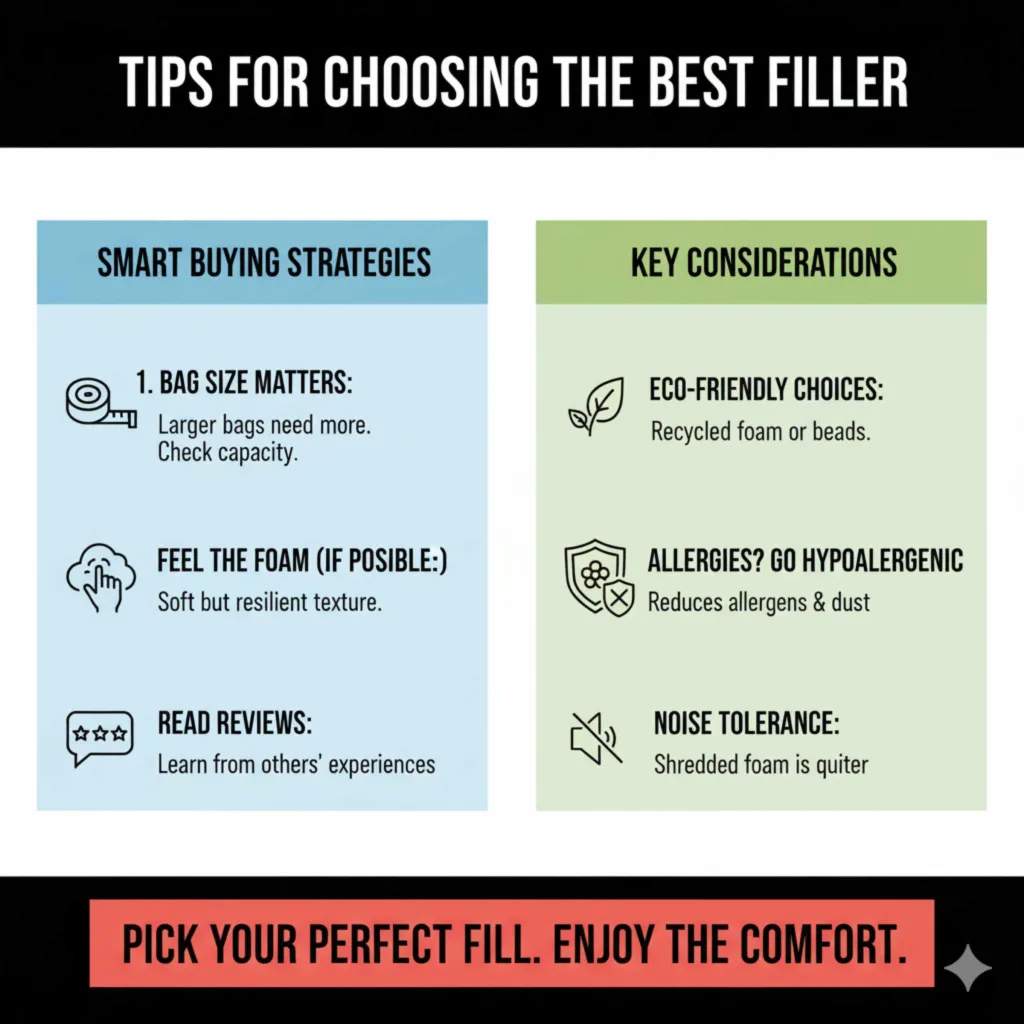
Tips for Choosing the Best Filler
When you’re shopping for filler, keep these tips in mind to ensure you get the best bang for your buck and the most comfortable result:
- Consider the Bean Bag Size: Larger bean bags will naturally need more filler. Check the manufacturer’s recommendations if available. A typical chair-sized bean bag might need anywhere from 4 to 10 cubic feet of filler.
- Feel the Foam (If Possible): If buying shredded foam in person, try to feel its texture and density. You want something soft yet resilient.
- Look for Recycled Options: Many manufacturers now offer recycled shredded foam or recycled polystyrene beads, which is a great way to be more environmentally friendly. For example, the EPA provides great resources on recycling and its benefits.
- Hypoallergenic is Best: If you or anyone using the bean bag has allergies or asthma, always opt for hypoallergenic fillers, especially shredded foam.
- Think About Noise Tolerance: If quiet is important for your space, shredded foam is the only way to go.
- Read Reviews: Online reviews can give you an idea of how a particular filler performs over time and how easy it is to work with.
Frequently Asked Questions (FAQ)
How much filler do I need for a bean bag?
This really depends on the size of your bean bag! A small ottoman-sized bag might need 2-3 cubic feet, while a large chair or lounger could need 7-10 cubic feet or even more. It’s always better to buy a little extra, as you can always store it or use it to top up later.
Can I mix shredded foam and polystyrene beads?
While you can technically mix them, it’s generally not recommended for the best results. Mixing can lead to uneven support and the beads may compact faster, negating the benefits of the foam. It’s usually best to stick to one type of filler.
Is shredded foam better for my back?
Yes, shredded foam typically offers better ergonomic support for your back compared to compressed polystyrene beads. It adapts to your body’s curves more effectively and provides a more consistent level of support without sinking too much.
How often do bean bags need refilling?
With traditional polystyrene beads, you might find yourself refilling every 6 months to a year, depending on usage. With high-quality shredded foam, it could last several years before needing only a minor top-up.
What’s the easiest way to refill a bean bag without making a mess?
The best way is to work in a contained area, like outdoors on a tarp or indoors with sheets laid down. For polystyrene beads, consider using a large funnel connected to a tube. For shredded foam, take your time and place it directly into the bag. A shop vac or regular vacuum cleaner is indispensable for quick cleanup of any spills.
Are there eco-friendly filler options?
Yes, absolutely! You can find fillers made from recycled shredded foam, recycled polystyrene beads, or even natural materials like kapok or buckwheat hulls (though these are less common for typical bean bags and can be much heavier and less durable for that specific use). Always check product descriptions for sustainability claims.
Will shredded foam make my bean bag too hard?
Not if you choose good quality shredded foam. High-density shredded foam offers a luxurious, supportive feel that’s both soft and buoyant. It’s much less likely to make the bag feel “hard” than overfilling it with polystyrene beads, which can become dense and unyielding when compressed.
Conclusion: Your Comfy Future Awaits!
Choosing between shredded foam and traditional bean bag filler comes down to what you value most: long-term comfort and support, or initial low cost and lightness. For that ultimate, sink-in-and-stay-there feeling that lasts, shredded foam is the smart choice. It’s an upgrade that pays off in years of happy lounging, gaming, or relaxing. While polystyrene beads have their place, especially for budget-conscious projects or very light-use scenarios, they can’t match the sustained comfort and durability of a good quality shredded foam fill.
Think of it like maintaining your ride. Using the right kind of oil (shredded foam for comfort!) ensures your engine runs smoothly for a long time. While cheaper oil (polystyrene beads) might work in a pinch, it doesn’t offer the same protection or performance. So, if you’re looking to revive an old bean bag or buy a new one, aim for shredded foam for the best experience. Your back, and your comfort, will thank you!