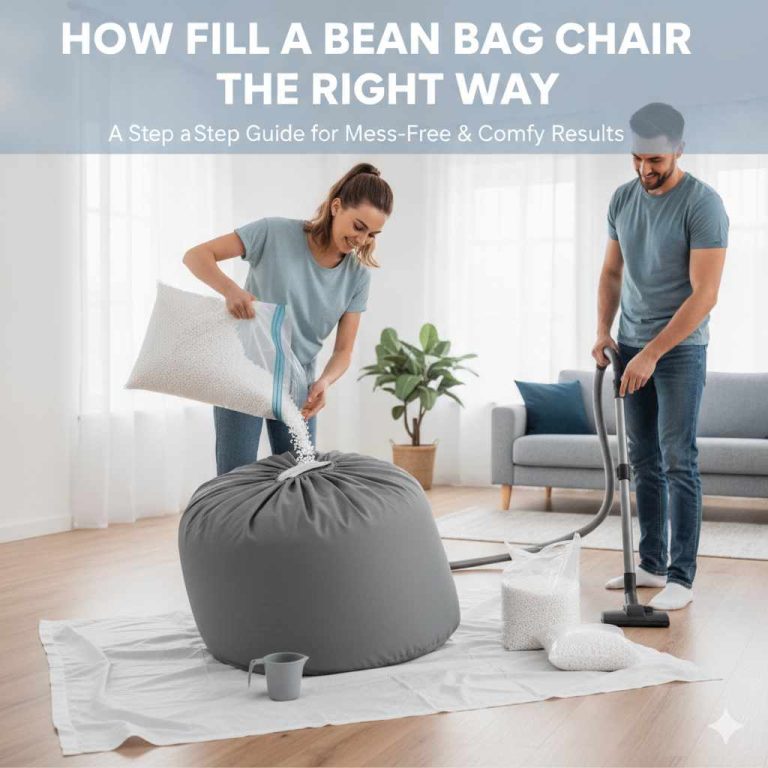
How to Make Bean Bags for Cornhole in 6 Steps
Making regulation cornhole bean bags takes 6 steps: cut the fabric, sew three sides, turn it right-side out, fill it, then sew the last side shut. Using a stiffer fabric like canvas instead of quilting cotton is what keeps the seams from splitting under repeated tosses. This guide covers all 6 steps plus how to pick between dried beans and plastic pellets for filling.
Why Make Your Own Bean Bags?
Making your own bean bags might seem like a small detail, but it opens up a world of possibilities! For starters, you get to choose the fabric. Want to match your patio decor? Go for it! Need something super durable for rowdy kids? We’ve got you covered. Plus, you can customize the weight and size – perfect for different age groups or specific game rules. It’s also a fantastic way to save money compared to buying pre-made ones, especially if you need a good number for a party. And honestly, there’s a special kind of satisfaction in playing a game with something you’ve made with your own two hands!

Essential Materials for Your Bean Bags
Gathering the right supplies is the first step to success. Don’t be intimidated; most of these items are readily available at your local craft store or even around your home. Each component plays a role in creating a bean bag that’s fun to throw and built to last.
Fabric Choices
The fabric is key to the durability and look of your bean bags. You want something sturdy that can withstand being thrown, dropped, and maybe even a little bit of enthusiastic kicking. Here are a few excellent options:
- Canvas: This is a top choice for a reason. It’s tough, widely available, and comes in tons of colors and patterns. Think of the material used for tote bags or durable outdoor cushions.
- Denim: Old jeans don’t have to go to waste! Denim is incredibly strong and offers a classic, casual look. It’s a great option if you’re looking for a budget-friendly and eco-conscious choice.
- Duck Cloth: Similar to canvas but often a bit stiffer, duck cloth is exceptionally durable and perfect for games that will see a lot of action.
- Outdoor Fabric: If your bean bags will live outdoors, consider fabrics designed for outdoor use. They are often weather-resistant and fade-resistant, keeping your bean bags looking great longer. You can find these at fabric stores, often in vibrant colors and patterns.
Filling Materials
What goes inside your bean bag is just as important as what’s on the outside! You need something with a bit of weight and structure. Avoid anything too light that will just blow away! Here are the most common and effective fillings:
- Dried Beans: Kidney beans, pinto beans, or black beans are the traditional choice. They provide a good weight and are readily available at grocery stores. You’ll need about 1/2 to 3/4 cup per bean bag.
- Rice: While less traditional, dried rice works well and offers a similar weight to beans. It’s a good alternative if you happen to have a lot of it on hand or prefer its texture.
- Plastic Pellets: These are often used in commercial bean bags and stuffed animals. They are uniform in size, washable (unlike beans or rice), and offer a consistent weight. You can find these at craft stores.
- Peas (Dried): Similar to beans and rice, dried peas are a viable option for filling bean bags.
Tools and Notions
You won’t need a whole workshop for this project. Just a few basic sewing tools will do the trick:
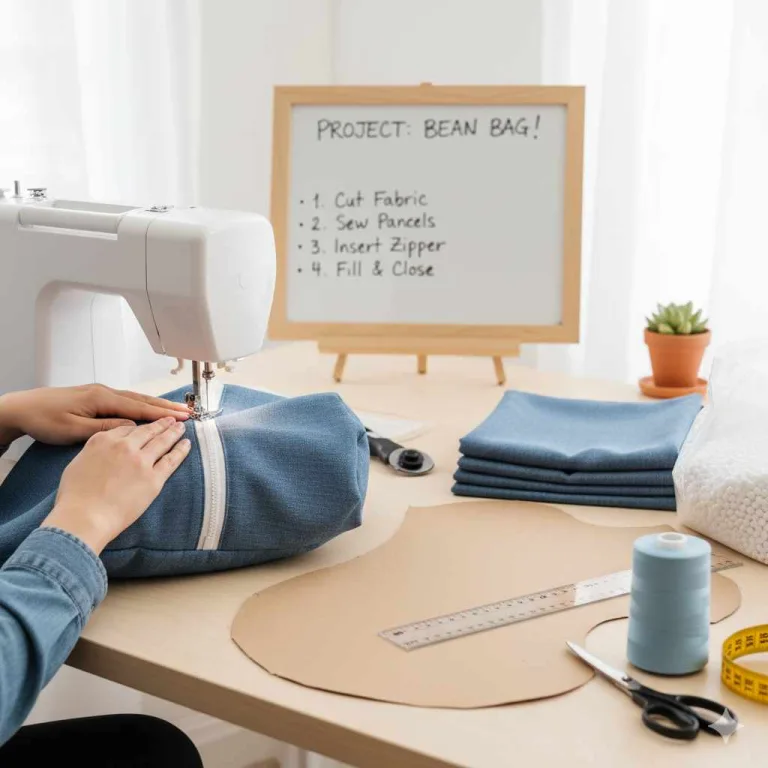
- Sewing machine (highly recommended for durability, but hand-sewing is possible)
- Matching thread (heavy-duty or all-purpose)
- Sharp scissors or rotary cutter and mat
- Measuring tape or ruler
- Fabric marker or chalk
- Straight pins
- Funnel or scoop for filling
- Iron and ironing board (optional, but helpful for crisp edges)
Step-by-Step Guide: How to Make Bean Bags for Toss Game
Ready to get started? Follow these simple steps to create your own custom bean bags. We’ll aim for a standard size that works perfectly for most toss games, like cornhole or the bean bag toss found on many youth health and fitness resources.
Step 1: Cut Your Fabric
For a standard bean bag size, aim for a finished dimension of roughly 5 inches by 5 inches. This means you’ll need to cut your fabric squares slightly larger to account for the seam allowance. A good size to cut is 6 inches by 6 inches for each bean bag.
If you’re using a sewing machine, you’ll cut two 6″x6″ squares for each bean bag. If you’re hand-sewing and want extra strength, you might consider cutting them slightly larger, maybe 6.5″ x 6.5″.
| Bean Bag Size (Finished) | Fabric Cut Size (Each Piece) | Number of Pieces Per Bean Bag |
|---|---|---|
| 5 inches x 5 inches | 6 inches x 6 inches | 2 |
| 6 inches x 6 inches | 7 inches x 7 inches | 2 |
Step 2: Sew Three Sides
Take your two fabric squares for one bean bag. Place them right sides together (the pretty sides of the fabric facing each other). Pin them securely around the edges.
Using your sewing machine, stitch around three sides of the square. Aim for a seam allowance of about 1/2 inch. If you’re sewing by hand, use a strong stitch like a backstitch. Leave one side completely open – this is where you’ll add your filling.
Step 3: Turn and Prepare for Filling
Once you’ve sewn three sides, carefully trim the corners. This helps to reduce bulk and allows the corners to turn out more neatly. Be careful not to cut into your stitching!
Now, turn the fabric bag right side out through the open side. Use your finger or a blunt tool (like a chopstick) to poke out the corners so they are nice and square. You should now have a fabric pouch with an open top.
Best Pick For Making Bean Bags
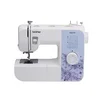
Brother XM2701 Lightweight Sewing Machine – $149.00
This guide’s Step 2 and Step 5 both call for sewing straight seams — a real machine makes those seams stronger than hand-stitching for bags that get thrown repeatedly.
- Best for: Steps 2 and 5 in this guide, sewing the sides of each bean bag
- Why we picked it: 27 built-in stitches cover straight seams plus reinforcement stitching for durability
- Main drawback: More machine than a one-time project needs if you don’t plan to sew again
Compare more options
 Option 1 Heavy Duty Cotton Duck Canvas Fabric, 1 Yard – $8.98
|
 Option 2 Poly-Pellets Weighted Stuffing Beads, 32 oz – $14.99
|
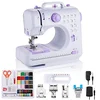 Option 3 Portable Sewing Machine with 42-Piece Kit – $49.99
|
As an Amazon Associate we earn from qualifying purchases.
Step 4: Fill Your Bean Bags
This is where your bean bags start to take shape! Using a funnel or a scoop, carefully fill the fabric pouch with your chosen filling material. For a standard 5”x5” bean bag, you’ll want about 1/2 to 3/4 cup of filling. The goal is to make it firm but not so packed that it’s stiff. It should have some give when you squeeze it.
Tip: If using dried beans, rice, or peas, you might want to put them inside a sturdy resealable bag first, then place that bag inside the fabric pouch before sewing it shut. This adds an extra layer of protection against leaks and makes cleaning easier if something goes wrong. You can then sew the fabric pouch shut more securely.
Step 5: Sew the Final Side
With your bean bag filled to your desired firmness, carefully fold the raw edges of the open side inward, aligning them with your previous stitches. Pin these edges securely in place. You want to create a clean, flat edge for sewing.
Now, sew this final side shut. For maximum durability, you can sew this seam twice. A straight stitch is fine, but a zigzag stitch can offer even more strength, especially if you’re not using the internal bag method for filling.
Step 6: Finishing Touches
Once the final side is sewn, give your bean bag a gentle squeeze to ensure it feels right. Trim any stray threads. If you’re feeling fancy, you can even add a decorative stitch around the edges or embroider initials! Your bean bags are now ready for game time!
Choosing the Right Filling Percentage
The amount of filling you use directly impacts how your bean bag performs. Too little, and it will be too light and fly everywhere. Too much, and it will be too stiff and hard to catch or manipulate. For a standard 5×5 inch bag, referencing resources like those from NASA’s Space Toss game (which uses a similar concept of projectile challenges) can give you an idea of balance:
| Filling Material | Approximate Amount Per 5″x5″ Bag | Notes |
|---|---|---|
| Dried Beans (Kidney, Pinto, Black) | 1/2 cup to 3/4 cup | Traditional, good weight, ensure no leaks. |
| Dried Rice | 1/2 cup to 3/4 cup | Similar weight to beans, readily available. |
| Plastic Pellets | 4-6 ounces | Washable, consistent weight, good for outdoor use. |
| Dried Peas | 1/2 cup to 3/4 cup | Another viable grain/legume option. |
It’s always a good idea to make one or two test bags to see what fill level feels best. You want a bag that has some moldability when you hold it and can sit stably on a surface but is also light enough to be easily thrown.
Tips for Durable and Stylish Bean Bags
Want your DIY bean bags to last and look fantastic? Here are some pro tips:
- Double Stitching: For the seams, especially the one that seals the filling in, double stitching adds significant durability.
- Reinforced Corners: If your fabric is prone to fraying, consider sewing the corners of the fabric squares together for added strength before you even start sewing the main bag.
- Color Coding: Make different colored sets for different teams or just for fun! This helps keep track of who is throwing which bag and adds visual flair.
- Waterproof Interior: As mentioned, using a smaller, sealed bag inside for the filling (like a Ziploc or a smaller fabric pouch) is a game-changer for longevity and ease of cleaning.
- Consider the Game: For games like Cornhole, the official size is often 6″x6″ finished, weighing between 14-16 ounces. Adjust your fabric size and filling amount accordingly. You can find official dimensions from organizations like the American Cornhole Organization.
Care and Maintenance for Your Bean Bags
Keeping your handmade treasures in good shape ensures they’ll provide fun for years to come. Here’s how to care for them:
- Cleaning Fabric: If you used washable fabric like canvas or outdoor material, you can spot-clean stains with mild soap and water. For a deeper clean, follow the fabric manufacturer’s recommendations.
- Washing Filling: If your bean bags are filled with dried beans or rice, they are generally NOT machine washable. If you used plastic pellets in a waterproof inner bag, the outer fabric can often be washed separately. Always check your filling material’s care instructions.
- Drying: Air dry your bean bags completely after cleaning to prevent mildew, especially if they were used outdoors.
- Storage: Store your bean bags in a dry place when not in use. A fabric bin or a large basket works well.

Frequently Asked Questions About Making Bean Bags
Q1: What’s the easiest fabric to use for beginner bean bags?
A1: Canvas is a fantastic choice for beginners. It’s easy to find, doesn’t fray too badly, and is very durable for sewing and game play.
Q2: Can I use a regular sewing machine for this?
A2: Yes! A standard home sewing machine is perfect for making bean bags. Just make sure you’re using a strong thread, especially for the seams, and have a fresh needle.
Q3: How heavy should a bean bag be for a toss game?
A3: For most casual toss games, around 5-7 ounces is a good weight. For games like Cornhole, aim for 14-16 ounces for durability and playability.
Q4: What if my stitches aren’t straight? Will it matter?
A4: A few wobbly stitches won’t ruin the game! The most important thing is that the seams are secure and won’t burst open. For added strength, you can go over the seams twice.
Q5: Can I make bean bags for very young children?
A5: If making for very young children, ensure you use a filling that is safe if accidentally ingested (e.g., plastic pellets in a very secure inner bag) and avoid small, loose parts. Double and triple-check that all seams are extremely secure. Washing the outer fabric is also a good idea.
Q6: How many bean bags do I need for a game?
A6: Typically, a bean bag toss game is played with two players or two teams, each using two bean bags. So, a set of 8 bean bags (4 of one color, 4 of another) is standard for two players.
Conclusion
And there you have it! You’ve successfully learned how to make your own bean bags, transforming simple fabric and filling into a source of endless fun. Whether you’re preparing for a backyard barbecue, a holiday gathering, or just looking for a sweet weekend DIY project, these homemade bean bags are sure to be a hit. Remember, the process is forgiving, and the results are incredibly satisfying. You’ve not only created a game prop but added a personal, stylish touch to your home’s entertainment options. So gather your materials, follow these steps, and get ready to toss your way to some fantastic memories!
Products related to this article
Sponsored / affiliate links. As an Amazon Associate I earn from qualifying purchases. I may earn additional commission from eligible campaigns.