Fabric Sofa vs Leather Sofa Care: What Changes at Home
Leather can be easier to keep in shape over time if spills are wiped up quickly and the surface is conditioned from time to time; fabric can be easier when covers come off easily or stains stay light. Skip care, and both can darken, crack, or hold odors, which turns a sofa into a replacement bill. This guide shows what to do, what to avoid, and how fabric and leather care differ in real homes.
Fabric sofa vs leather sofa care: the core trade-off


Leather is quicker to wipe clean. Fabric is softer and warmer, but it asks for more routine care. That is the basic split. The cleaner choice depends less on style and more on how often spills, pets, and dust hit the sofa.
Fabric sofa care usually means regular vacuuming, careful spot cleaning, and occasional deep cleaning. Leather care can be lighter week to week, but it still needs the right wipe-downs, fast spill response, and occasional conditioning so the finish does not dry out.
| Decision factor | Fabric Sofa | Leather Sofa Care | Winner |
|---|---|---|---|
| Everyday cleaning effort | Needs regular vacuuming and more frequent spot checks | Most spills wipe away with a damp cloth | Leather Sofa Care |
| Stain response | More prone to staining, fading, and odor absorption | Can be damaged by ink or oil stains | Leather Sofa Care |
| Allergy handling | Dust mites and pet dander cling more easily | Resists allergens better because it does not trap them as much | Leather Sofa Care |
| Comfort and feel | Softer and warmer to the touch | Can feel cold in winter and hot in summer | Fabric Sofa |
| Long-term upkeep cost | Often lower at purchase, but may need more cleaning and occasional professional care | More expensive up front, but routine care is usually simpler | Leather Sofa Care |
Everyday cleaning effort
Fabric asks for more attention because dust, crumbs, and hair work into the weave. Leather is easier to keep tidy day to day since a damp cloth handles most surface messes. In busy homes, that gap matters because cleanup has to happen fast.
Stain response
Fabric absorbs spills, which gives stains time to set and odors time to settle. Leather handles common spills better, but it has a hard failure point: ink and oil can leave permanent marks. So neither material is stain-proof.
Allergy handling
Dust mites are more likely to get trapped in fabric than leather, and pet dander clings more easily to fabric upholstery. That makes leather the cleaner-feeling choice for allergy-sensitive households. Fabric can still work, but it needs more frequent vacuuming and washing where possible.
Comfort and feel
Fabric is softer and warmer to the touch than leather. Leather can feel cold in winter and hot in summer, which some households notice right away. That comfort gap is real, even when the care routine favors leather.
Long-term upkeep cost
Leather is more expensive than fabric at purchase, and high-quality hides often cost far more. But the upkeep is usually simpler if the finish is protected and conditioned before it dries out. Fabric often looks cheaper at first, then asks for more cleaning labor over time.
Side-by-side care matrix for spills, tools, and product safety
| Scenario | Fabric Sofa | Leather Sofa Care | Winner |
|---|---|---|---|
| Water spill | Blot immediately with a dry cloth; avoid soaking | Wipe with a damp cloth, then dry right away | Leather Sofa Care |
| Coffee or wine | Blot, use a fabric-safe cleaner, and avoid rubbing deeper into fibers | Wipe quickly; watch for finish damage or ring marks | Leather Sofa Care |
| Grease or oil | Absorb first, then clean gently; residue may remain | High risk of permanent marking; treat as an urgent problem | Fabric Sofa |
| Ink | Can set fast and be difficult to lift | Can permanently stain leather | Fabric Sofa |
| Pet accidents | Needs fast blotting and odor control; smell can linger | Wipe quickly, then clean and dry to protect the finish | Leather Sofa Care |
| Approved tools | Vacuum with upholstery tool, soft brush, white cloth | Soft dry cloth, slightly damp cloth, gentle leather cleaner | Tie |
| Products to avoid | Over-wetting, harsh scrubbing, bleach, and anything that leaves a ring | Harsh detergents, abrasive pads, ammonia, and excess water | Tie |
| Follow-up care | Dry fully, then brush or vacuum to lift fibers | Dry fully, then condition when the surface starts to look dull | Leather Sofa Care |
| Common failure modes | Water rings, pilling, residue, odor setting, uneven fading | Scratch marks, dye transfer, conditioner residue, cracking if neglected | Tie |
Fabric sofa note: stain-resistant treated fabrics are a useful middle ground. They are not immune to mess, but they usually buy time when juice, mud, or pet accidents happen. That is why many families and pet owners end up there.
Leather sofa note: the finish matters. A good wipe-down routine protects the surface, but careless product use can leave dull patches, residue, or permanent marks. Once finish damage starts, cleaning gets harder instead of easier.
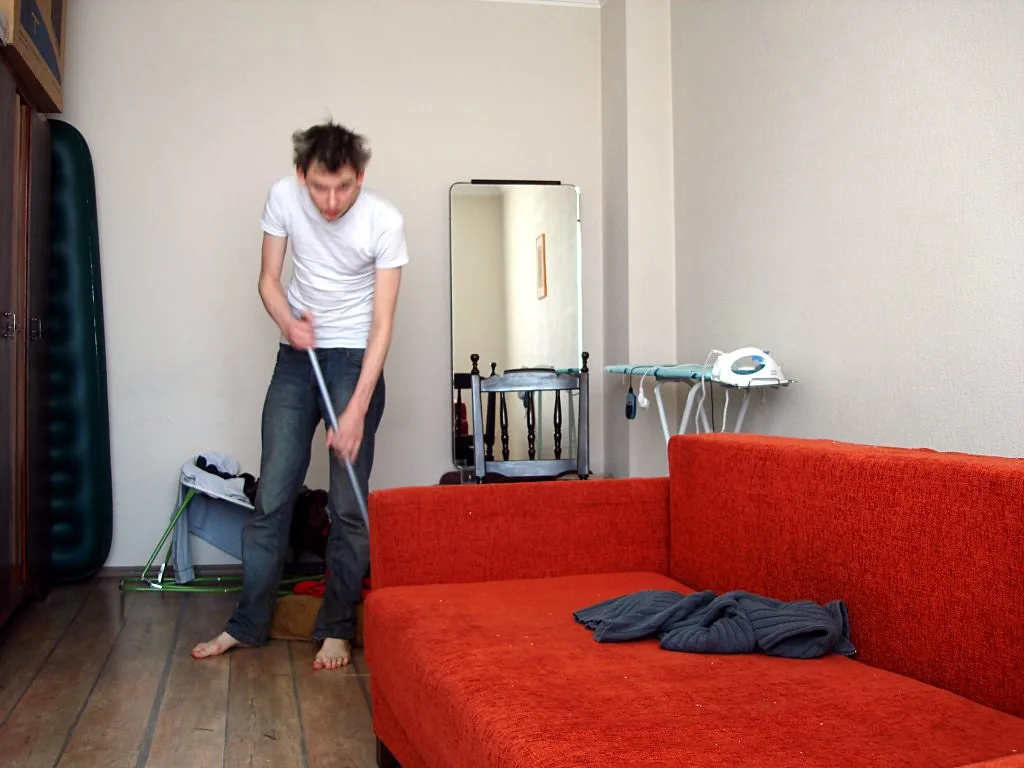
How do you clean a fabric sofa without ruining it?
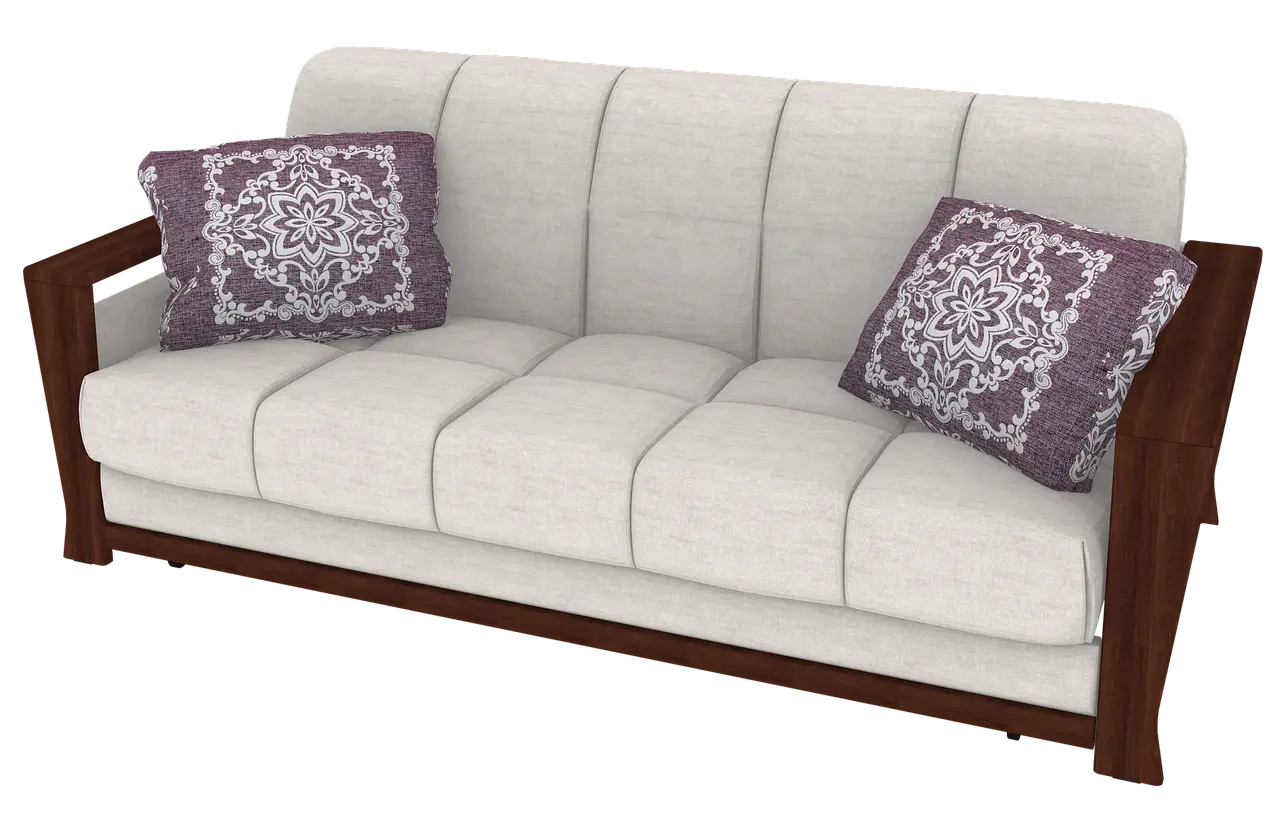
Clean a fabric sofa by vacuuming often, blotting spills fast, and using only the smallest amount of moisture needed. The main risk is pushing stains deeper, leaving water rings, or over-wetting the cushion fill. If the sofa has a care tag, follow it before using any cleaner.
Vacuuming frequency and the right attachment
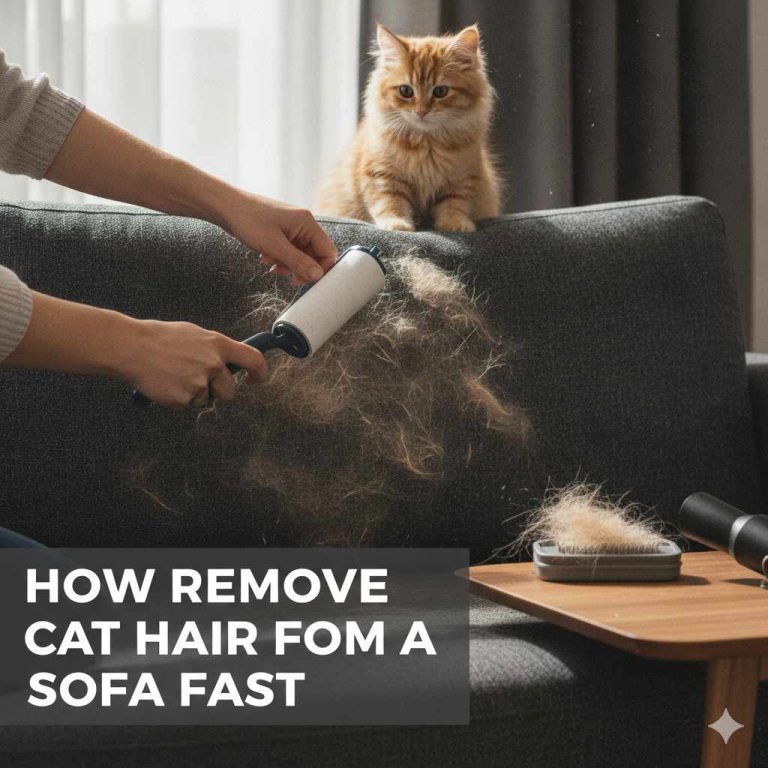
How often should you vacuum a fabric sofa? In many homes, weekly vacuuming is a good baseline, and vacuuming more often can make sense in homes with pets or heavier use. Use an upholstery attachment or soft brush to lift dust, pet hair, and crumbs without roughing up the weave.
Spot-cleaning steps for fresh spills
- Blot the spill with a clean white cloth. Do not rub.
- Test a fabric-safe cleaner on a hidden area first.
- Apply the cleaner lightly to the cloth, not directly to the cushion.
- Work from the outer edge of the stain toward the center.
- Blot with a dry cloth until the area is only slightly damp.
- Let it dry fully before sitting on it again.
This method cuts the chance of rings and keeps moisture from sinking into the padding. It also helps keep odors from settling into the upholstery.
When steam or shampooing is a bad idea
Steam and shampooing can help on some upholstery, but they are risky when the fabric is not meant for it. Too much water can leave rings, shrink the material, or push dirt deeper. If the sofa is labeled dry-clean only or the fill dries slowly, call a professional instead.
When professional cleaning makes sense
Fabric sofas often need professional cleaning when stains cover a wide area, odors remain after spot cleaning, or the cushions are beginning to look uneven. Occasional professional cleaning is especially useful for light-colored upholstery, treated fabrics that have lost their finish, and households that cannot keep up with weekly care.
How do you clean and condition a leather sofa?
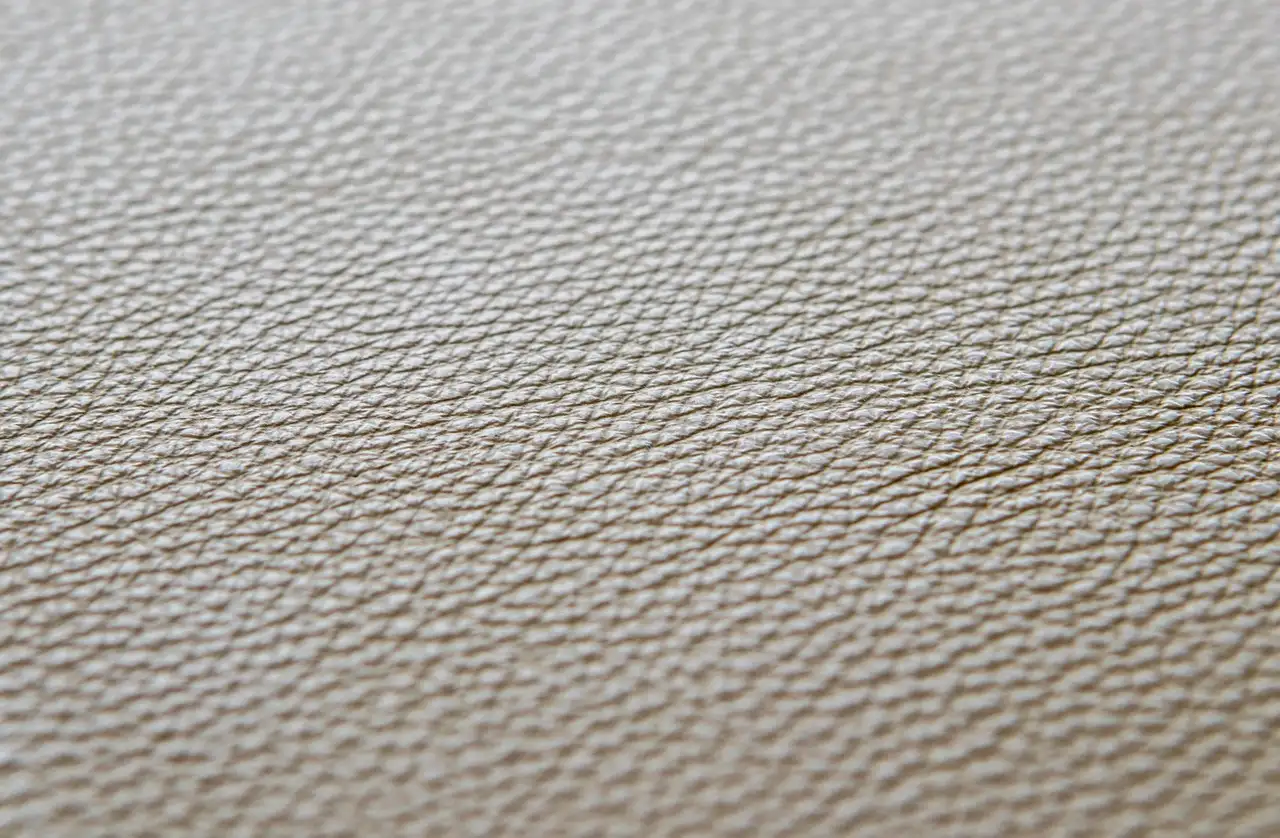
Leather sofas clean up best when dust is removed often, spills are wiped immediately, and conditioning is done before the surface starts to look dry or stiff. The biggest mistake is using the wrong cleaner or too much water, which can strip the finish and leave residue.
Dusting and wiping schedule
Dust the sofa regularly with a dry, soft cloth. For everyday marks, wipe with a slightly damp cloth and dry the area right after. Leather resists allergens better than fabric because it does not trap dust mites or pet dander in the same way, but surface dust still needs removal.
How to handle spills before they set
Blot spills right away. Many spills can be wiped away with a damp cloth if they are handled quickly. Keep the cloth only slightly wet, then dry the area so moisture does not sit on the finish.
Ink and oil are the problem spots. Those substances can permanently stain leather, so fast action matters more than scrubbing. If the mark is spreading, stop and use a cleaner made for finished leather rather than trying household sprays.
When and how to condition leather
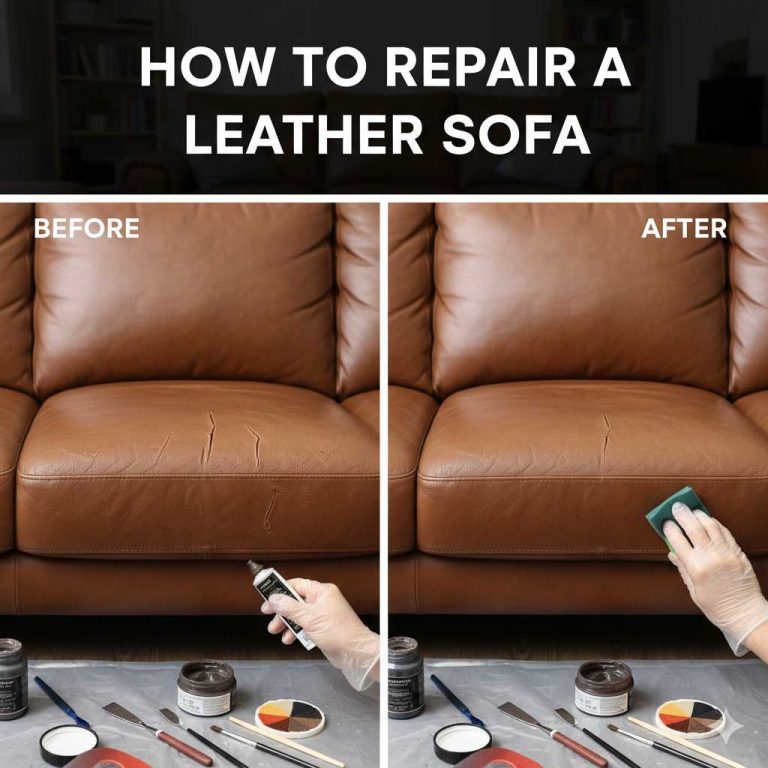
Condition leather when it starts to look dry, lose flexibility, or feel less supple. Use a leather conditioner meant for upholstery, apply a thin coat, and wipe off any excess. Too much conditioner can leave a slick residue that attracts dust and dulls the finish.
Natural leather patina develops over time and can add character as the sofa ages. That is different from damage. A good patina looks even and lived-in, while cracking and roughness usually mean the leather has dried out.
What products should never be used on leather
What cleaning products should not be used on leather sofas? Harsh detergents, abrasive pads, ammonia, bleach, and very wet cloths are usually poor choices. They can strip the finish, leave residue, or create patches that age unevenly. Any cleaner not meant for finished leather should be treated with caution.
Which sofa material stains more easily, fabric or leather?
Fabric usually stains more easily because it absorbs liquid, holds onto odor, and can trap color deep in the fibers. Leather is easier to wipe clean, but it has serious weak points too: ink and oil can become permanent marks, especially if the spill is left alone.
Modern stain-resistant treated fabrics change the picture for family homes. They are not stain-proof, but they can slow absorption and make cleanup easier after routine spills. That helps when the sofa sees snacks, muddy clothes, or pet messes every week.
Are leather sofas better for pets, kids, and allergies?
Leather is often the cleaner choice for allergy-sensitive homes because it resists dust mites and pet dander better than fabric. It is also easier to wipe after daily messes. Still, it can scratch easily, and households with active pets may see claw marks or dye transfer.
Scratch risk, claw marks, and snagging
Leather can scratch easily, which is a concern for households with pets. Fabric avoids surface scratching in the same way, but claws can snag loops or pull threads. For pet homes, the better option is often not plain fabric or plain leather, but a material chosen with the pet’s behavior in mind.
Light-colored upholstery, odors, and daily messes
Light upholstery can show grime faster in both materials. Fabric is more likely to hold odors after spills, pet accidents, or humid weather. Leather usually handles those situations better, provided the spill is cleaned quickly and the surface is not over-cleaned with harsh products.
Does leather last longer than fabric?
High-quality leather can last decades when properly cared for, and that is the strongest durability argument in this comparison. Fabric can also last a long time, but it wears unevenly more often in high-traffic households, especially when cushions are used hard and cleaning is inconsistent.
Leather ages differently. Scratches and patina are part of the story, and some owners like that look. Fabric ages by showing pilling, fading, cushion wear, and odor retention, which usually feels less forgiving in everyday use.
Proper care can prevent a lot, but not everything. Leather care cannot stop every scratch or save a badly spilled ink cushion. Fabric care cannot fully erase deep stains, faded panels, or a sofa that has absorbed years of cooking smells and pet hair.
Choose fabric sofa if… / Choose leather sofa care if…
Choose fabric sofa if you want a softer, warmer feel, more color and texture options, or a sofa in a room where comfort matters more than fast cleanup. It also makes sense if you are buying a stain-resistant treated fabric for kids, pets, or a busy family room.
Choose leather sofa care if you want faster wipe-down cleaning, less odor hold, and a longer service life with regular conditioning. It is a better fit for allergy-sensitive homes, households that keep spills under control quickly, or buyers willing to trade higher upfront cost for simpler upkeep.
Frequently asked questions
Is a fabric sofa or leather sofa easier to maintain?
Leather is usually easier to maintain because most spills wipe away with a damp cloth and dust does not settle into the surface the way it does in fabric. Fabric needs more vacuuming, more spot cleaning, and more care to avoid rings, odor, and deep staining.
How often should you vacuum a fabric sofa?
Vacuum a fabric sofa at least once a week, and more often if pets, kids, or heavy use are part of the household. The upholstery attachment is best because it lifts dust, crumbs, and pet hair without roughening the fibers or pulling at seams.
What cleaning products should not be used on leather sofas?
Avoid bleach, ammonia, abrasive pads, harsh detergents, and anything that leaves the leather wet for long. Those products can strip the finish, leave residue, or dry the surface unevenly. If a cleaner is not meant for finished leather upholstery, it is safer to skip it.
Does leather last longer than fabric on a sofa?
High-quality leather usually lasts longer when it is properly cared for, and it can last decades. Fabric can still last well, but it is more likely to show pilling, fading, cushion wear, and odor retention over time, especially in busy households with frequent use.
Products related to this article
Sponsored / affiliate links. As an Amazon Associate I earn from qualifying purchases. I may earn additional commission from eligible campaigns.