How Much Does It Cost to Waterproof a Sofa?
Waterproofing a sofa usually costs $15 to $60 for a DIY fabric protector spray and $75 to $250 for professional treatment, with larger or stain-resistant fabrics pushing higher. Skip it or apply it poorly, and one spill can mean permanent stains, odor, or a cleaning bill that can rival a low-cost sofa. This guide breaks down per-sofa costs, the main price drivers, and when protection costs less than cleaning or replacing the couch.
Sofa cost table

| Sofa size | Fabric type | DIY product cost | Pro treatment cost | Estimated coverage | Reapplication interval | Total annualized cost |
|---|---|---|---|---|---|---|
| Armchair | Polyester | $15 to $20 | $75 to $95 | 1 can covers 1 seat | 12 months | $15 to $95 |
| 2-seater | Microfiber | $20 to $30 | $95 to $140 | 1 to 2 cans | 9 to 12 months | $20 to $140 |
| 3-seater | Cotton blend | $25 to $40 | $120 to $180 | 2 cans or 1 bottle | 6 to 12 months | $25 to $180 |
| Sectional | Linen blend | $40 to $60 | $180 to $250 | 2 to 4 cans | 6 to 9 months | $53 to $400 |
How much does it cost to waterproof a sofa?
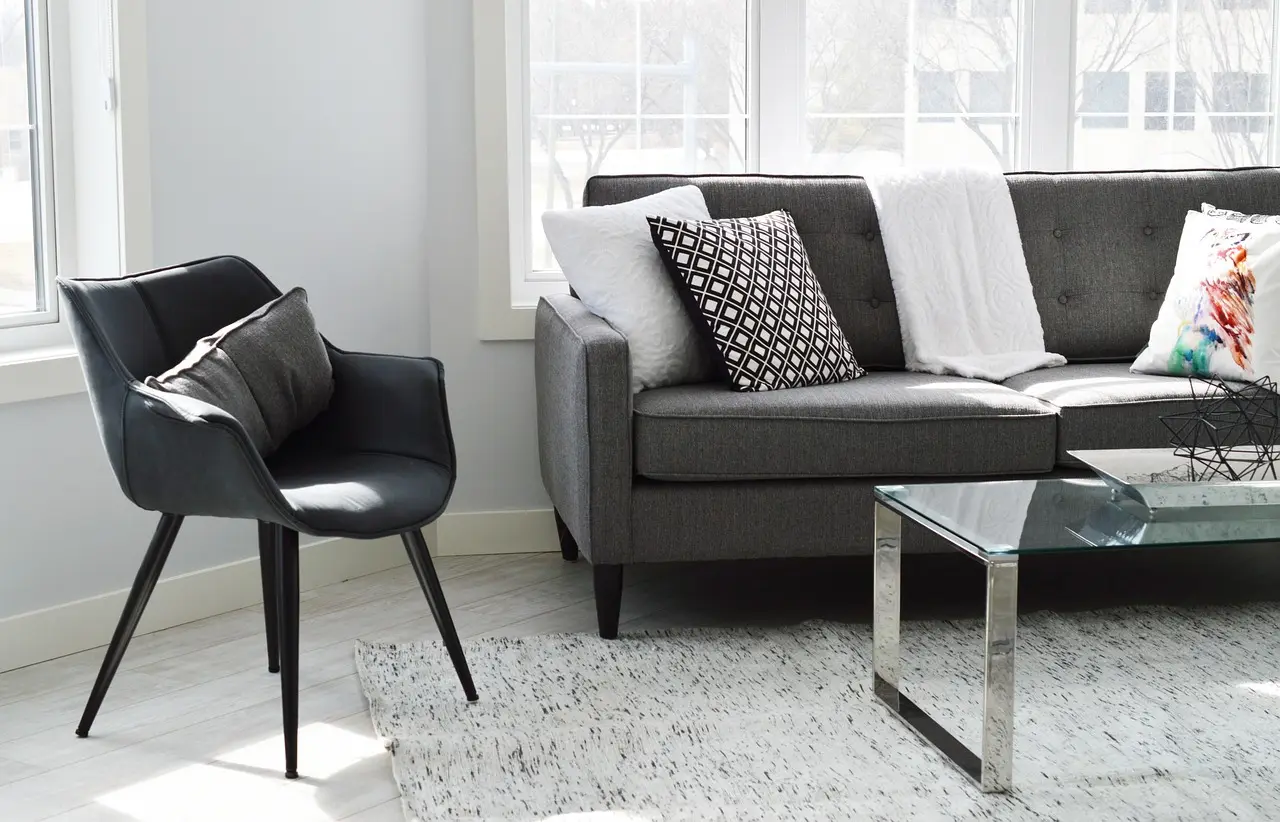
Most homeowners spend less than $100 for DIY protection on one sofa and more when they hire a professional, especially for larger sectionals or delicate fabrics. The real cost is not only the first application; it also includes prep, drying time, and reapplication when wear lowers spill resistance.
DIY spray cost per sofa
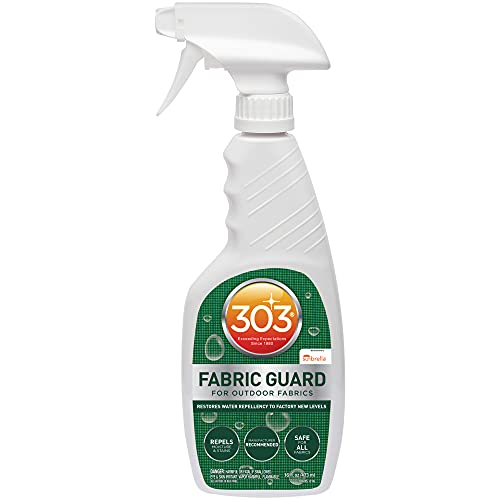
Upholstery protector spray is the least expensive option upfront. Water-based sprays usually cost less and are easier to use, while solvent-based products often dry faster and can resist more spill types, but they may also carry stronger odor and VOC concerns.
Coverage matters as much as the bottle price. A small chair may need one can, while a 3-seater or sectional often needs multiple cans because the fabric must be coated evenly, not lightly misted in one pass.
Professional treatment cost per seat
Professional upholstery protection service usually prices by sofa or by seat, so larger furniture costs more even before fabric complexity is added. A technician typically performs a fabric pre-test, applies the product evenly, and may offer a re-treatment window or limited warranty terms.
That service price often makes sense when the sofa is expensive, the upholstery is hard to clean, or the household needs stronger protection than a spray can provide. It can also be the safer choice for mixed fabrics that react unpredictably to consumer products.
Annualized cost with reapplication
Protection is recurring for many sofas. A $30 DIY treatment that lasts about 6 months costs about $60 a year if reapplied on schedule, while a $150 professional job that lasts about 12 months stays at about $150 annually. Shorter intervals raise the annual cost fast.
That is why the first price tag can mislead. A cheaper bottle that needs frequent reapplication may cost as much as a better product or a professional service over a year.
What affects the price?
Sofa waterproofing costs change with size, fabric, prep work, and the method used. The same product can be inexpensive on a small polyester chair and expensive on a large sectional with visible stains, odor, or tight weave construction that needs extra coverage.
Sofa size and seating count
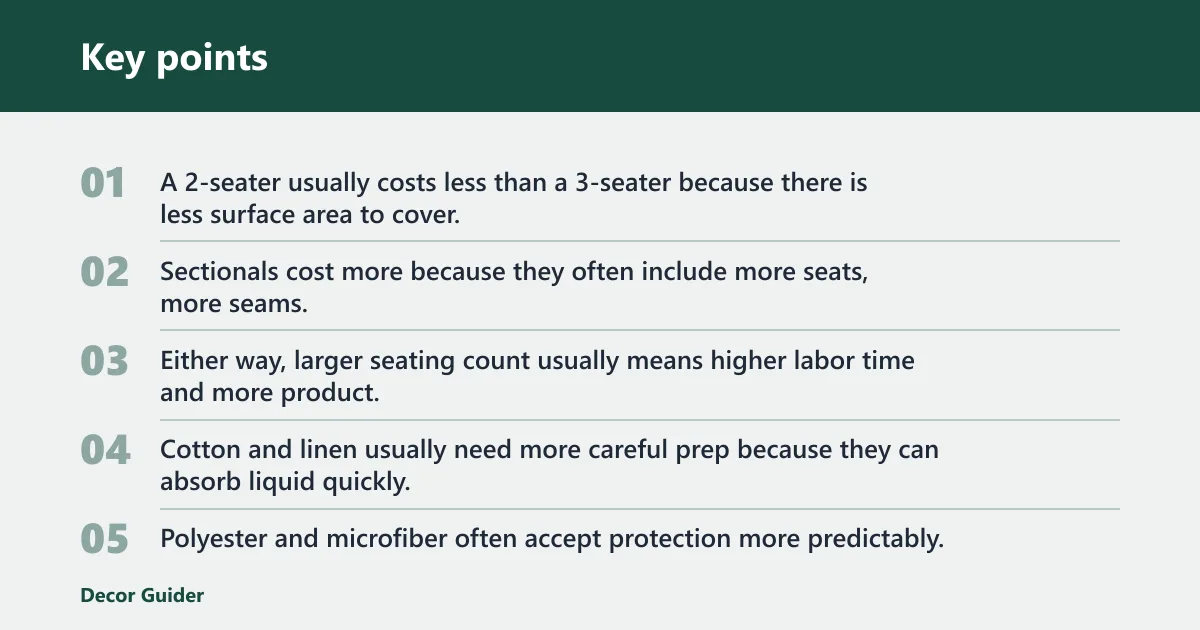
A 2-seater usually costs less than a 3-seater because there is less surface area to cover. Sectionals cost more because they often include more seats, more seams, and more exposed fabric, while armchair add-ons are usually priced separately.
Some pros quote by seat. Others quote by item. Either way, larger seating count usually means higher labor time and more product.
Fabric type and exclusions
Cotton and linen usually need more careful prep because they can absorb liquid quickly. Polyester and microfiber often accept protection more predictably, which can lower the risk of failed application. Blends sit in the middle and may need a pre-test before treatment.
Leather is often excluded from standard upholstery waterproofing quotes. It needs a different care product and different expectations, so do not assume a spray made for cloth will be safe or useful on it.
Pre-cleaning and prep work
Pre-cleaning can raise the bill. If the sofa needs spot-cleaning, odor removal, or stain removal before protection, the job takes longer and may need full drying time before application. A damp or dirty surface can block adhesion and weaken the treatment.
Suppose a cream-colored 3-seater has a juice mark and pet odor in one cushion. The pro may need to clean, dry, pre-test, and then apply the protector, which costs more than spraying a clean sofa in one visit.
DIY sofa waterproofing versus professional treatment
DIY is cheaper upfront, faster to buy, and easier to repeat. Professional treatment usually costs more, but it can fit expensive upholstery, odd fabrics, or households that want a careful pre-test and clearer re-treatment terms.
Water-based versus solvent-based products
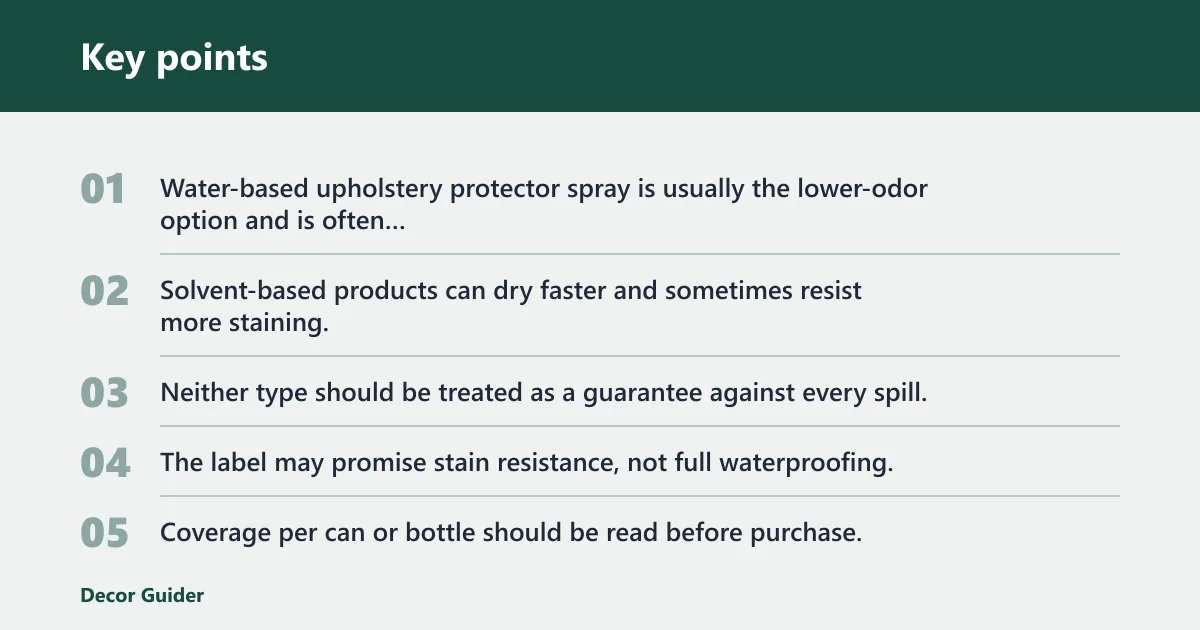
Water-based upholstery protector spray is usually the lower-odor option and is often marketed as safe for more fabric types, but it may need more careful drying and more frequent reapplication. Solvent-based products can dry faster and sometimes resist more staining, but VOC concerns are more common.
Neither type should be treated as a guarantee against every spill. The label may promise stain resistance, not full waterproofing, and that difference matters when you price the job.
Coverage, drying time, and recoat timing
Coverage per can or bottle should be read before purchase. A spray that looks cheap can become expensive if one bottle covers only part of a sectional. Drying time also affects value because a sofa may need to stay unused for hours before the protection is ready.
Recoat timing matters too. If the manufacturer says to reapply after a certain period or after cleaning, the true cost includes the next bottle, not only the first one.
Warranty or re-treatment terms
Professional quotes should state whether the price includes one visit only, a limited touch-up, or a re-treatment if the coating fails early. Without that detail, the lower quote may not be the better quote.
Ask whether the service applies to the whole sofa, only the seats, or only visible upholstery surfaces. That changes the final cost more than many shoppers expect.
Which fabrics cost more to protect?
Fabric type changes both application difficulty and the chance of a good result. Tight, synthetic weaves are usually easier to treat than absorbent natural fibers, and mixed-fiber upholstery often falls between the two in cost and performance.
Cotton, linen, polyester, and microfiber
Cotton and linen often need more product because they absorb quickly. Polyester and microfiber usually need less product per seat and may dry more predictably, which can lower labor time in a professional job.
That does not mean synthetic fabric is automatically cheaper in every case. Some microfiber covers are densely woven and require thorough saturation for even resistance, which raises material use.
Blends and mixed-fiber upholstery
Blended upholstery can be harder to price because one part of the fabric may accept treatment while another part repels it. That is why many professionals want a pre-test before giving a firm estimate.
A common first-timer mistake is pricing a waterproofing spray for a two-cushion loveseat and assuming it will cover both the fabric and labor. If the fabric drinks the first pass unevenly, you may need more product than planned.
Leather and other exclusions
Leather is usually priced outside standard sofa waterproofing because the goal is different. Many fabric protectors are not made for leather, and the wrong product can leave residue, change the finish, or create slipperiness rather than useful spill resistance.
Always check the manufacturer instructions for the exact upholstery surface. That step matters more than the brand name on the bottle.
Does sofa waterproofing last?
Sofa waterproofing usually lasts for months, not forever. Protection wears down with vacuuming, cleaning, frequent sitting, and repeated spills, so high-traffic homes often need reapplication sooner than guest rooms or lightly used living spaces.
Months of protection by use level
Light-use sofas may hold protection longer than heavily used family-room pieces. A seat that is used daily, wiped often, and exposed to kids or pets will usually need earlier retreatment than a sofa that sees occasional use.
That timing affects annual cost. A product that lasts 9 to 12 months may be a better value than a cheaper spray that loses performance after one season.
Wear from washing and heavy traffic
Frequent washing of removable covers can strip some protectors, and heavy traffic can wear the coating down where bodies press most often. Arms, seat fronts, and cushion tops usually lose performance first.
Protection failure often shows up before total failure. Liquids may bead less, darken faster, or soak in unevenly where the coating is thinning.
When to reapply
Reapply when water no longer beads on the surface, after deep cleaning, or on the schedule given by the manufacturer. Do not wait for the first major spill to discover that the coating has worn off.
For busy homes, the simplest budget rule is to treat reapplication as part of the annual upholstery care cost, not as an emergency purchase.
What should be included in a quote for upholstery protection?
A useful quote should spell out the fabric pre-test, the application method, any required spot-cleaning or odor removal, and the safety notes for the product being used. If the quote is vague, the final cost can change after the technician arrives.
Fabric pre-test and application method
Ask whether the provider pre-tests on a hidden area before treating the whole sofa. That matters for colorfastness, finish changes, and fabric compatibility, especially on blends or older upholstery.
The quote should also say how the product will be applied. Spray, foam, and wipe-on methods do not cost the same, and they do not leave the same amount of residue or coverage.
Spot-cleaning and odor removal
If the sofa needs stain removal or odor removal first, the quote should separate that work from the protection step. Those services use different products and add drying time before the protector can be applied.
Without that split, a low quote can turn into a higher invoice once prep begins.
Safety notes and manufacturer instructions
Good quotes should mention VOC concerns, pet and kid safety guidance, and any fire-retardant compatibility limits. They should also state whether the product follows the upholstery maker’s instructions or whether the treatment could affect the warranty.
That matters especially for homes with children, pets, or newer furniture that still has a retail care label attached.
Is it worth it for households with kids or pets?
For homes with kids or pets, sofa waterproofing is often worth the cost because it can buy time against liquid spills, food stains, and everyday messes. It is less helpful for oil-based spills, repeated pet accidents, or deep saturation, where cleaning or replacement may still be needed.
Liquid spills and food stains
Protection is most useful when the spill is caught early. Juice, water, milk, and many food drips are easier to blot when the coating is intact, which can prevent the fabric from holding a visible mark.
That said, protection is resistance, not immunity. A long wait before cleanup can still let color transfer into the fibers.
Pet accidents and odor control
Pet accidents are where expectations need to stay realistic. A protector may slow penetration, but it does not remove odor by itself and may not stop saturation if the accident is large or repeated.
For pet-heavy homes, the real value is buying time to clean the area before moisture reaches the cushion fill.
When replacement may cost less
If the sofa is inexpensive, heavily worn, or already stained, a professional treatment may cost too much relative to replacement. In that case, a budget sofa can be less expensive to swap out than to clean, prep, and protect.
Say your $300 sofa already has odor, worn arms, and set-in stains. A $180 protection job may not be sensible if the fabric is near the end of its useful life and a new sofa costs only a little more.
Frequently asked questions
Is sofa waterproofing a one-time treatment or recurring expense?
For most households, it is recurring. Many products need reapplication after months of wear, and cleaning or washing can shorten the life of the coating. Annual cost is the better number to track than the first purchase price.
What affects the cost of waterproofing upholstery?
Size, fabric, and condition matter most. A 2-seater in polyester is cheaper to treat than a linen sectional that needs spot-cleaning and odor removal first. Professional quotes also change based on labor, pre-test requirements, and warranty terms.
Is DIY sofa waterproofing cheaper than professional treatment?
Usually yes at checkout, because a spray can costs less than a service call. The tradeoff is durability and even coverage. If the job needs multiple cans, repeated applications, or careful treatment of mixed fabrics, the gap can narrow.
Does fabric type change the price of waterproofing a sofa?
Yes. Cotton and linen often need more product and careful prep, while polyester and microfiber are often simpler to treat. Blends may need a pre-test, and leather is usually excluded from standard fabric-protector pricing altogether.
How long does sofa waterproofing last?
It usually lasts for months, not permanently. Heavy use, washing, and frequent cleaning shorten the life of the coating, especially on high-contact areas like seat tops and arms. Reapply when liquid no longer beads on the surface.
Products related to this article
Sponsored / affiliate links. As an Amazon Associate I earn from qualifying purchases. I may earn additional commission from eligible campaigns.