Fabric Sofa vs Microfiber Sofa
Microfiber Sofa is often the better pick for pets, kids, and low-fuss cleaning because spills usually sit on the surface longer and wipe away more easily when the care code allows it; choose Fabric Sofa if you want a wider look range and can accept more stain risk. The key is to match the upholstery to the care label, the weave, and how your household actually uses the room. Upholstery care guides from textile and cleaning resources consistently stress that the cleaning code matters as much as the fabric name, and microfiber itself is usually a tightly woven polyester or polyester-blend textile with a suede-like surface.
| Decision factor | Fabric Sofa | Microfiber Sofa | Winner |
|---|---|---|---|
| Pet hair | 4/5 — Some weaves grab hair, though smoother performance fabrics do better. | 3/5 — The tight nap can hold hair until you brush or vacuum it off. | Fabric Sofa |
| Visible oiling | 3/5, Oil marks depend on weave and color, but many fabrics show uneven darkening. | 2/5, Microfiber can attract and hold oils, so touch points darken faster. | Fabric Sofa |
| Stain cleanup | 3/5, Results vary a lot by fiber, finish, and cleaning code. | 4/5, Spills often sit on the surface longer and can be easier to spot-clean. | Microfiber Sofa |
| Water-risk | 3/5, Some fabrics handle water-based cleaning well, others ring or spread moisture. | 4/5, The tighter surface usually sheds short spills better. | Microfiber Sofa |
| Comfort in cool rooms | 4/5, Fabric often feels warmer at first touch. | 2/5, Microfiber can feel cooler and less plush at the surface. | Fabric Sofa |
| Comfort in warm rooms | 3/5, Some fabrics feel warmer and can cling in heat. | 4/5, The smooth surface often feels less heavy in warm air. | Microfiber Sofa |
| Lint pickup | 3/5, Open or textured weaves can trap lint and crumbs. | 4/5, The tight weave usually sheds lint more easily after vacuuming. | Microfiber Sofa |
| Scratch visibility | 3/5, Snags can show on looser weaves, while patterned fabric can hide them better. | 4/5, Small claw marks are often less obvious on the suede-like surface. | Microfiber Sofa |
| DIY cleaning tolerance | 3/5, Cleaning success depends heavily on the code and the weave. | 4/5, Many microfiber sofas handle careful spot cleaning well, if the code allows it. | Microfiber Sofa |
| Long-term appearance retention | 3/5, Better on some woven fabrics, worse on others that pill or snag. | 4/5, It often keeps a neat look longer if oil buildup stays controlled. | Microfiber Sofa |
| Best for | Style variety, warmer feel, guest rooms, and homes that prefer a broader fabric palette. | Busy households, quick spot-cleaning, pets, kids, and lower-maintenance seating. | Microfiber Sofa |
Scoring legend
Higher scores favor easier everyday ownership, not luxury or style. A 5 means the material is usually a strong fit for that use case; a 1 means it is a weak fit. The scores below are general comparisons, and they depend on weave, color, finish, and care code. Textile and cleaning resources note that upholstery labels can change the result more than the material name alone.
Weighted recommendation by household type
Pets: Microfiber Sofa is often the strongest fit because it is typically easier to spot-clean and less likely to show small marks right away. Kids: Microfiber Sofa is usually the safer default if spills are frequent. Warm climate: Microfiber Sofa can feel less heavy, though this depends on weave and room humidity. Formal room: Fabric Sofa usually wins for visual range and a more tailored look. Low-maintenance buyer: Microfiber Sofa is usually the simpler choice if the care code supports your cleaning routine.
The main trade-off is simple: Fabric Sofa gives you more visual variety and can feel warmer, while Microfiber Sofa usually handles spills and spot cleaning with less hassle. The catch is that microfiber often sits under the fabric umbrella, so you need to compare it against other upholstery subtypes, not against “fabric” as a single material.
Cleaning codes matter before any liquid cleaner touches either sofa. W means water-based cleaners, S means solvent-based cleaners only, W-S allows either method, and X means no liquids should be used. These definitions are standard on upholstery care labels used by manufacturers and are echoed by major consumer and extension cleaning guides.
What each material means
Microfiber upholstery uses extremely fine synthetic fibers, most commonly polyester or a polyester blend, with a tight weave and a soft, suede-like texture. Fabric upholstery is broader and can include performance fabric, linen-blend, chenille, velvet-style polyester, and microfiber itself, which is why “fabric” alone does not predict how a sofa will clean or age.
That difference matters. A linen-blend sofa, a chenille sofa, and a microfiber sofa can all look like fabric at a glance, yet they behave very differently around spills, lint, and abrasion. Textile associations and manufacturer care guides consistently note that fiber content, weave, and finish affect cleaning and wear more than the category name.
Use this table as a quick filter, then check the cleaning code and the weave before you buy. A sofa that looks soft in the showroom can still be a poor match if it holds oil, shows claw marks, or requires solvent-only care.
How the scores work
Higher scores favor easier everyday ownership, not luxury or style. A 5 means the material is usually a strong fit for that use case; a 1 means it is a weak fit.
- Check the room’s main stress point first: pets, kids, sun, or long lounging.
- Match the upholstery to the cleaning code before using any liquid.
- Look at oil pickup, not only stain resistance.
- Judge wear by snagging, pilling, and flattening, not only by first-day softness.
Which is easier to clean, a fabric sofa or a microfiber sofa?

Microfiber Sofa is often easier to clean because spills may sit on the surface longer and wipe off more easily, as long as the cleaning code allows the method planned for cleaning. Fabric Sofa can be easy too, but the result depends more on weave, fiber, and finish, especially for water rings and embedded grime.
Where microfiber helps
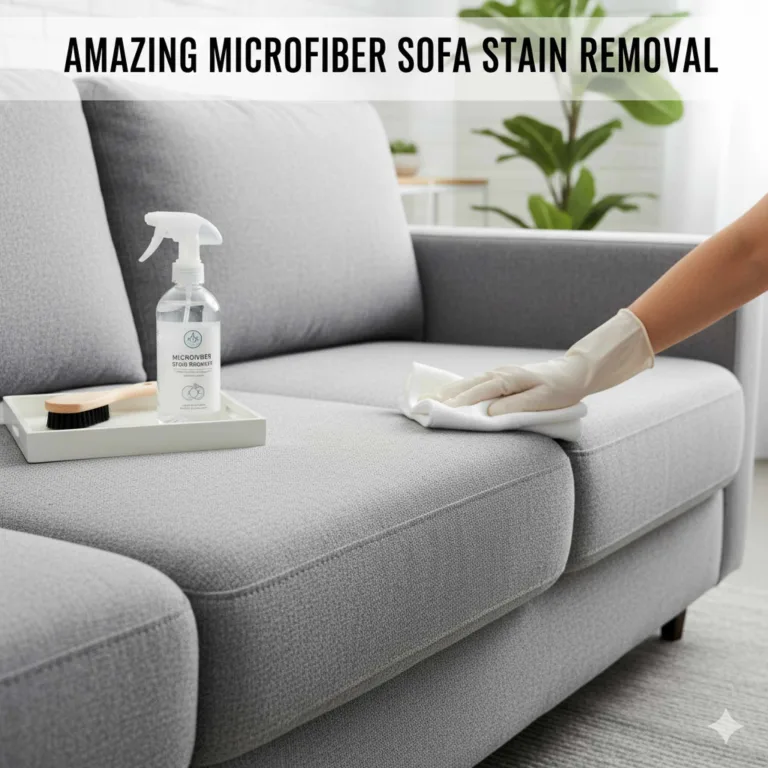
The tight, suede-like surface gives you a better chance of lifting small spills before they spread. A microfiber cloth, a soft-bristled brush, and the right cleaner can handle many spot-cleaning jobs without soaking the upholstery. That said, oil-based soils can cling to synthetic fibers, so regular vacuuming and prompt blotting still matter.
For routine care, vacuum weekly with an upholstery attachment. More frequent deep cleaning may be helpful in busy homes, but the timing depends on use, weave, and code rather than a fixed calendar alone.
Where fabric can be easier than expected
Some performance fabrics and removable covers can be cleaned more directly than many people expect. If the cover comes off and the care label allows washing, that can beat a fixed microfiber sofa that needs careful solvent treatment or code-specific care.
A common first-timer mistake is using water on an S-coded sofa. That can leave rings, spread the stain, or change the hand of the fabric. Manufacturer care guides warn that the wrong cleaner can set stains or leave a residue that is harder to remove later.
Why the cleaning code matters more than the label
Never clean by material name alone. A microfiber sofa may be W, S, W-S, or X, and the wrong liquid can leave the surface blotchy or stiff; a fabric sofa with the right code may tolerate more routine cleaning than some microfiber options. Extension resources and upholstery labels consistently treat the code as the first decision point.
How do they feel to sit on?
Fabric Sofa usually feels warmer and softer at first touch, while Microfiber Sofa often feels smoother, slightly cooler, and more suede-like. If you lounge for long stretches, the better choice depends on whether you want a grippier sit or a surface that feels less sticky in warm weather.
Cool versus warm touch
Fabric often starts with a warmer feel, which some people prefer in cool rooms or on winter evenings. Microfiber can feel less plush at first contact, but that varies with pile height, weave density, and room temperature. It is safer to say the feel depends on the upholstery construction rather than assuming every microfiber sofa feels cool.
Texture, grip, and slipperiness
Microfiber usually has more surface grip than a slick woven fabric. That can help you stay in place, but it may also feel less airy than a looser weave or a linen-blend fabric. The exact feel depends on the nap, the backing, and whether the surface is brushed.
Long-sit comfort for daily lounging
For long sitting, the question is not only softness. A sofa that holds its shape, avoids bunching, and does not trap too much lint will feel better after an hour than one that looks plush but pills or flattens early. Long-term comfort depends on cushion construction as much as upholstery type.
Picture a living room with a north-facing window and a family member who reads on the sofa every night. A cooler microfiber seat may feel fine in summer, but a warmer chenille or velvet-style polyester fabric may feel better in that room once the heat is on.
Which holds up better over time?
Microfiber Sofa often keeps a neat appearance longer when spills and oil pickup are the main concerns, but Fabric Sofa can hide wear better if the weave is forgiving and the color is busy or textured. Neither one is immune to flattening, pilling, snagging, or color change from sunlight, and long-term appearance depends heavily on use and care.
Pilling and snagging
Fabric sofas with looser weave structures can pill or snag, especially in high-contact spots. Microfiber is less likely to snag in the same way, but it can still look worn if the nap starts to mat down. Higher-quality finishes and tighter constructions usually age more gracefully than loose, soft-looking fabrics.
Flattening and color changes
Repeated sitting flattens both upholstery types. On microfiber, that flattening can change the way light hits the pile and make traffic areas look darker or shinier; on fabric, flattening can reveal wear lines or shift the texture enough to look tired. Sun exposure can also fade either one over time.
Oil darkening and grime buildup
Microfiber’s biggest aging risk is oil buildup from hands, hair, and skin. Over time, that can create dark touch points, especially on arms and headrests; fabric may hide some of that better, but it can still trap crumbs, lint, and body oils in a more open weave. Cleaning references often note that oils are harder to remove than dry dust because they can bind to fibers.
Pets, kids, and high-use homes
For pets and kids, Microfiber Sofa usually wins because it handles quick wipe-downs and short spills more predictably. Fabric Sofa can still work, but you need to choose the subtype carefully and accept more attention to lint, crumbs, and visible wear.
Hair, crumbs, and spills
Pet hair tends to sit differently on each surface. Microfiber often releases hair with vacuuming and a brush, while some fabrics collect hair in the weave and hold crumbs where seams and cushions meet. Homes with heavy shedding usually do better with tighter constructions and regular vacuuming.
For spills, speed matters more than the fabric name. Blot first, check the cleaning code, and avoid rubbing a liquid deeper into the fibers. Major cleaning resources consistently advise blotting rather than scrubbing because rubbing can drive pigment and oils deeper into the upholstery.
Scratch marks and claw wear
Microfiber can hide small claw marks better than a smoother woven fabric, but it is not claw-proof. Loose weaves, boucle-like textures, and easily snagged fabrics can show damage faster, especially on arms and corners. The safer choice in a pet home is usually the tightest, most forgiving construction you can find.
Best fit by household type
Choose Microfiber Sofa for primary family seating, homes with pets, and rooms where snack spills happen often. Choose Fabric Sofa for guest seating, lower-traffic rooms, or homes that want a broader style range and can manage more careful upkeep. If the sofa sits in bright light, compare fade resistance and not just cleaning ease.
Suppose a two-seat sofa sits in a playroom with a dog that jumps up after walks. A microfiber surface will usually be easier to vacuum, spot-clean, and keep looking acceptable than a looser fabric that traps hair and shows snack crumbs by the seams.
Choose Fabric Sofa if… / Choose Microfiber Sofa if…
Choose Fabric Sofa if you want more visual options, a warmer feel in cooler rooms, or a guest-room sofa that will not face daily spills. Choose Microfiber Sofa if you want easier spot cleaning, better control of short spills, and a tighter surface that is often kinder to busy homes with pets or children.
Choose fabric sofa if…
- You want a broader style range, including linen-blend, chenille, or velvet-style polyester.
- Your sofa is mainly for guests or lighter daily use.
- You prefer a warmer, softer initial sit.
- You are willing to choose carefully by weave and cleaning code.
Choose microfiber sofa if…
- Your sofa is primary seating and will face frequent spills, crumbs, and pet contact.
- You want a surface that is usually easier to spot-clean.
- You prefer a suede-like feel with less visible liquid spread.
- You are prepared to manage oil pickup and check the care code before using any liquid.
Frequently asked questions
What is a microfiber sofa?
A microfiber sofa uses extremely fine synthetic fibers, most commonly polyester or a polyester blend, woven tightly into a soft surface. It usually feels suede-like and is chosen for easier spill cleanup, but the care code still matters because some microfiber sofas do not allow water-based cleaning. Manufacturer labels and textile guidance treat the code as the final word.
Which sofa upholstery is better for pets and kids?
Microfiber Sofa is usually the safer everyday choice for pets and kids because it handles quick cleanup better and tends to hide small marks well. Fabric Sofa can still work, but you should favor tighter weaves, washable covers, or performance fabric if the room sees heavy use.
Does microfiber feel like fabric or suede?
Microfiber usually feels closer to suede than to a loose woven fabric. The surface is soft and smooth, with a slight nap that changes how it feels under your hand, while many standard fabrics feel more textured, airy, or grippy. The exact feel depends on the pile and construction.
Does a fabric sofa hide wear better than microfiber?
Sometimes, but only with the right fabric. A patterned or textured fabric can hide flattening and small marks well, while microfiber can show oil darkening and sheen changes over time. The better wear-hider depends on weave, color, room light, and how often the sofa gets used.
What cleaning code should I check before cleaning a microfiber sofa?
Check the tag for W, S, W-S, or X before using any cleaner. W means water-based cleaners are allowed, S means only solvent-based cleaners should be used, W-S allows either method, and X means no liquids should be used at all. These are standard upholstery code meanings used on care labels.
How do I compare polyester fabric vs microfiber?
Compare the exact weave, finish, and cleaning code rather than the broad material name. Polyester fabric can range from smooth and wipeable to textured and lint-prone, while microfiber is usually a tightly woven polyester or polyester blend with a suede-like feel and a stronger tendency to hold oils at touch points.
What is the best fabric for sofa upholstery?
There is no single upholstery that is best for every home. The right choice depends on whether you need easy cleaning, a warm feel, pet resistance, or a guest-room look, and the care code should be checked before any liquid cleaner is used.
Fabric sofa vs leather sofa
Fabric Sofa and Microfiber Sofa are the main comparison here, but leather is often easier to wipe clean and fabric is usually warmer and more comfortable. If you are choosing between them, think first about cleaning behavior, temperature feel, and whether your household creates more spills or more dry debris.
Products related to this article
Sponsored / affiliate links. As an Amazon Associate I earn from qualifying purchases. I may earn additional commission from eligible campaigns.