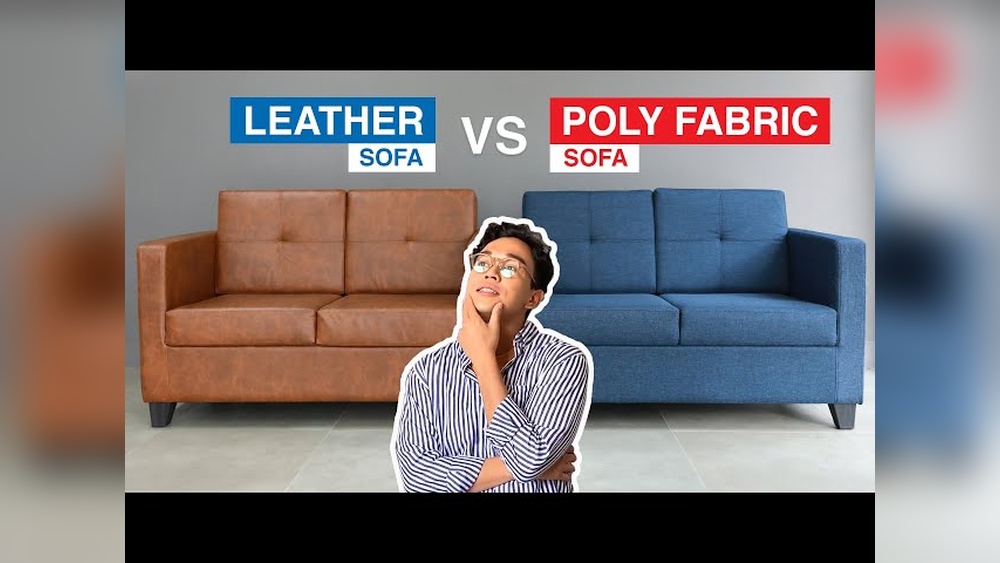
Polyester Vs Leather Sofa: Which Is Best for Your Living Room?
Choosing a sofa is a big decision for any home. People want comfort, style, and durability, but also need something that fits their lifestyle and budget. Two popular choices are polyester sofas and leather sofas, each with unique benefits and drawbacks. If you’re wondering which material is best for your living room, you’re not alone. Many buyers struggle to decide between these options because they look similar but feel, age, and perform very differently.
This article compares polyester and leather sofas in detail. You’ll learn about their features, strengths, weaknesses, cleaning methods, costs, eco-friendliness, and much more. By the end, you’ll know which sofa material suits your needs and how to avoid common mistakes when shopping.
Whether you’re furnishing your first apartment or upgrading your family room, this guide will help you make a confident choice.
What Is A Polyester Sofa?
A polyester sofa is upholstered with fabric made from polyester fibers. Polyester is a synthetic material created from petroleum-based chemicals. It’s known for being strong, wrinkle-resistant, and easy to produce in many colors and patterns. Most polyester sofas use woven fabric or microfiber, which feels soft and smooth.
Key Features
- Affordable: Polyester sofas usually cost less than leather ones.
- Wide variety: Available in many colors, patterns, and textures.
- Lightweight: Easier to move compared to heavy leather sofas.
- Stain-resistant: Polyester repels most liquids, making it less likely to absorb spills.
Polyester sofas are popular in busy homes, especially with kids or pets. The material is less likely to fade or tear quickly, and it’s easy to find a style that matches your decor.
What Is A Leather Sofa?
A leather sofa is upholstered with natural animal hide, usually cowhide. The hide is tanned and processed to create a smooth, durable surface. There are several types of leather, including genuine leather (real animal skin) and faux leather (synthetic imitation). Genuine leather is valued for its natural look, feel, and ability to age gracefully.
Key Features
- Premium look: Leather offers a classic, luxurious appearance.
- Durability: High-quality leather can last for decades.
- Unique texture: Each piece of leather is different, giving every sofa a one-of-a-kind look.
- Easy to clean: Spills can be wiped off quickly, though regular care is needed.
Leather sofas are often chosen for their elegance and comfort. They are a popular choice in offices, upscale homes, and places where style matters.
Polyester Vs Leather Sofa: Comfort And Feel
Comfort is often the first thing people notice when sitting on a sofa. Both polyester and leather have their own feel, which can change your experience.
Polyester Sofa Comfort
Polyester fabric is soft and smooth. It doesn’t feel cold in winter or sticky in summer, making it comfortable year-round. Microfiber polyester, in particular, feels plush and cozy, almost like suede. Some polyester sofas use padding under the fabric to enhance softness.
- Breathability: Polyester is not as breathable as cotton, but it’s better than leather.
- Temperature: It stays comfortable regardless of room temperature.
Leather Sofa Comfort
Leather sofas feel cool and firm. Over time, they soften and become more comfortable as the leather breaks in. In cold rooms, leather can feel chilly at first, but it warms up with your body heat. In hot weather, leather can feel sticky, especially if you sweat.
- Firmness: Leather is generally firmer than polyester.
- Aging: Leather becomes softer and develops a patina with use.
Pro Tip: If you want a sofa that feels cozy from day one, polyester is a safe bet. If you prefer a firmer seat that improves over time, leather is the better choice.
Durability And Longevity
How long your sofa lasts depends on both the material and how you use it. This section compares polyester and leather for everyday wear and tear.
Polyester Sofa Durability
Polyester is resistant to stretching, shrinking, and wrinkling. It doesn’t tear easily, and the color stays bright for years. However, polyester can pill (form small balls of fiber) if scratched or rubbed often. Polyester sofas typically hold up well in homes with pets and children, though sharp objects may still damage the fabric.
- Average lifespan: 5, 8 years for most polyester sofas.
- Best for: High-traffic areas, rental homes, or families with kids.
Leather Sofa Durability
Leather is one of the toughest sofa materials. It resists cracking, peeling, and fading if you care for it properly. Scratches can show on leather, but many people like the “worn” look. High-quality leather can last 15, 25 years or more.
However, cheap leather or faux leather may crack and peel within a few years.
- Average lifespan: 10, 20 years for genuine leather sofas.
- Best for: Long-term investment, classic decor, or places where durability matters.
Example: When I tested a leather sofa in a busy office, it showed minimal wear after five years. Polyester sofas in the same space started showing signs of pilling and fading after three years.

Credit: furniture-store.shopurbanstyles.com
Cleaning And Maintenance
Sofas get dirty from spills, dust, and everyday use. Maintenance is a major factor when choosing between polyester and leather.
Polyester Sofa Cleaning
Polyester fabric is easy to clean. Most stains can be removed with mild soap and water. For tougher stains, you can use a fabric-safe cleaner. Polyester does not absorb liquids quickly, so spills can be blotted up before they cause damage.
Steps for cleaning a polyester sofa:
- Vacuum the surface weekly to remove dust and crumbs.
- Use a damp cloth with mild soap for spills.
- For tough stains, use a fabric cleaner recommended by the manufacturer.
Warning: Avoid harsh chemicals or bleach, as these can weaken polyester fibers and cause color fading.
Leather Sofa Cleaning
Leather needs special care. Use a soft, dry cloth for dusting. For spills, wipe immediately with a damp cloth. Every few months, apply a leather conditioner to keep the hide soft and prevent cracking.
Steps for cleaning a leather sofa:
- Dust with a clean, dry cloth.
- Wipe spills with a damp cloth.
- Apply leather conditioner every 3, 6 months.
Warning: Do not use water or soap directly on leather, as it can leave stains or dry out the hide.
Style And Appearance
A sofa is often the centerpiece of a room. Style and appearance matter to most buyers.
Polyester Sofa Style
Polyester sofas offer endless choices. You can find them in bright colors, bold patterns, and trendy shapes. The fabric is easy to dye, so manufacturers produce many options. Polyester can mimic other materials, like velvet or linen, making it versatile for all decor styles.
- Customization: Wide range of colors and prints.
- Trends: Popular in modern, casual homes.
Leather Sofa Style
Leather sofas are classic and timeless. They usually come in neutral colors like black, brown, or tan. The natural grain of leather adds depth and character. Leather ages gracefully, developing a rich patina.
- Customization: Limited colors, but each sofa is unique.
- Trends: Ideal for traditional, elegant, or minimalist spaces.
Pro Tip: If you want a statement piece, polyester offers more choices. For a classic look that never goes out of style, choose leather.
Cost Comparison
Price is a major factor for most buyers. Polyester and leather sofas are priced differently because of the materials and manufacturing processes.
Polyester Sofa Cost
Polyester is inexpensive to produce. Most polyester sofas cost between $300, $900, depending on size and brand. Custom designs or premium fabrics may cost more. Repairing polyester is also affordable.
Leather Sofa Cost
Leather is expensive to process. Genuine leather sofas usually start at $800, $2000, and high-end models can cost $5000 or more. Faux leather is cheaper but less durable. Maintenance products for leather are also pricier.
Here’s a simple price comparison:
| Type | Average Price (USD) | Repair Cost |
|---|---|---|
| Polyester Sofa | $300, $900 | Low ($50, $150) |
| Leather Sofa | $800, $2000 | High ($200, $600) |
Pro Tip: If you’re on a budget or plan to replace your sofa often, polyester is more cost-effective.
Eco-friendliness
Environmental impact is becoming important for many buyers. How do polyester and leather compare?
Polyester Sofa Environmental Impact
Polyester is made from petroleum, a non-renewable resource. Manufacturing polyester uses energy and creates waste. Some brands now use recycled polyester, which helps reduce environmental impact. Polyester does not biodegrade easily, so old sofas may end up in landfills.
Leather Sofa Environmental Impact
Leather is made from animal hides, usually a by-product of the meat industry. Leather tanning uses chemicals, which can pollute water if not managed properly. Genuine leather is biodegradable, but synthetic chemicals used in processing may reduce its eco-friendliness.
Here’s a comparison of eco-friendliness:
| Material | Resource | Biodegradability | Common Concerns |
|---|---|---|---|
| Polyester | Petroleum-based | Low | Energy use, landfill waste |
| Leather | Animal hide | Medium | Chemical tanning, animal welfare |
Example: If eco-friendliness matters to you, look for sofas made with recycled polyester or vegetable-tanned leather.
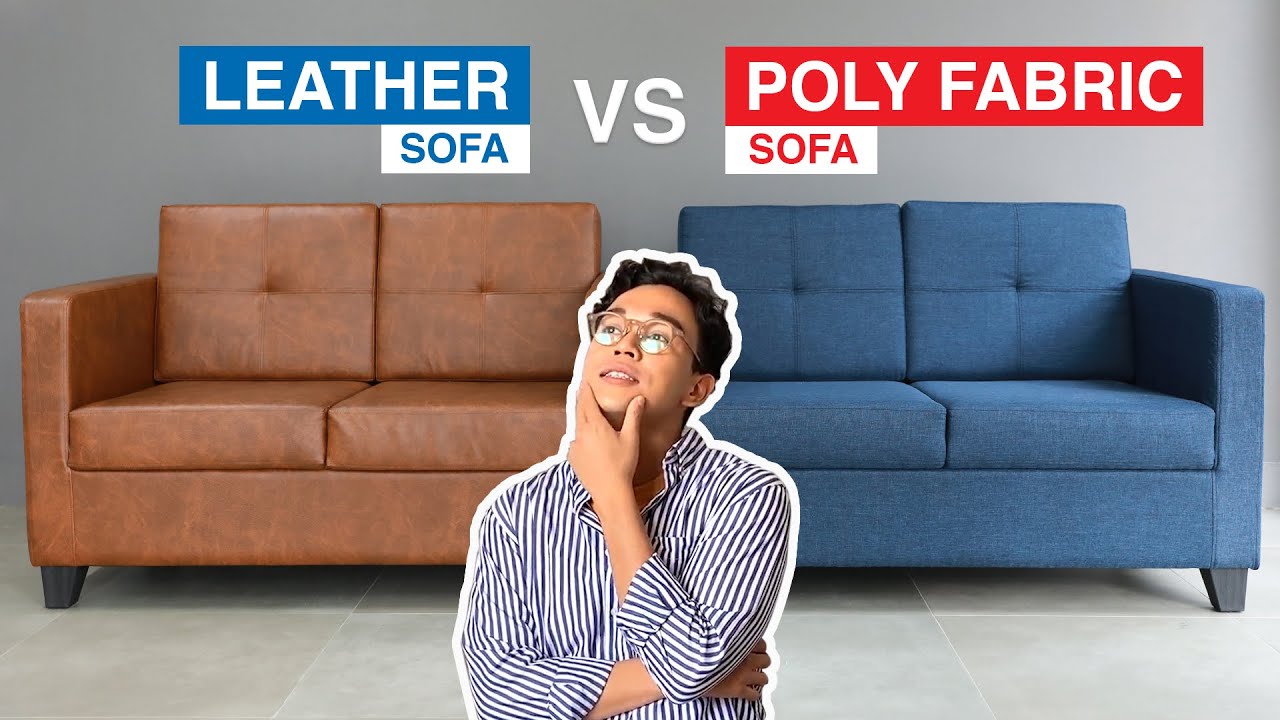
Credit: www.youtube.com
Stain And Scratch Resistance
Sofas face spills, scratches, and messes daily. Let’s see how polyester and leather handle these challenges.
Polyester Sofa Resistance
Polyester resists most stains, especially when treated with a stain-repellent finish. Spills sit on the surface and can be wiped up quickly. However, sharp objects like keys or pet claws can cause snags or pilling.
Leather Sofa Resistance
Leather is naturally resistant to spills, liquids don’t absorb quickly. Scratches, however, can show easily on leather, especially lighter colors. Some people enjoy the “aged” look, but others find it unattractive.
Here’s a quick comparison:
| Material | Stain Resistance | Scratch Resistance |
|---|---|---|
| Polyester | High | Medium |
| Leather | Medium | Low |
Pro Tip: For homes with pets or kids, polyester is safer against daily messes. For adults or low-traffic areas, leather’s scratch risk is less of a problem.
Health And Allergies
Some sofa materials can cause allergies or other health problems.
Polyester Sofa Health Impact
Polyester is hypoallergenic and doesn’t attract dust mites easily. However, some people are sensitive to synthetic chemicals used in polyester. Off-gassing (release of chemicals) can happen in new sofas, but it fades within a few weeks.
Leather Sofa Health Impact
Leather is naturally hypoallergenic. It doesn’t trap dust or pet dander, which is good for allergy sufferers. Chemical residues from tanning can cause reactions in sensitive people, but this is rare.
If you have allergies, both materials are relatively safe. For extra safety, choose sofas certified by the manufacturer as low in chemical emissions.
:max_bytes(150000):strip_icc()/fabric-leather-sofas-the-advantages-of-each-452510-1d0a0fd04cbf4245a7a0f776e28d5e44.png)
Credit: www.thespruce.com
Common Mistakes When Choosing
Many buyers make mistakes when picking a sofa. Here are some to avoid:
- Ignoring maintenance needs: Leather needs regular care; polyester needs cleaning but is easier.
- Assuming all leather is equal: Faux leather is not as durable as genuine leather.
- Choosing based on looks only: Comfort and durability matter more than style.
- Not checking warranty: Some sofas have short warranties; always ask before buying.
- Buying too big or small: Measure your space before choosing a sofa.
Pro Tip: Sit on both types in a showroom before deciding. Online photos can be misleading.
Which Sofa Is Right For You?
The best sofa depends on your lifestyle, budget, and taste. Here’s a summary to help you decide:
- Polyester sofa: Great for families, rentals, or anyone needing affordability and easy care.
- Leather sofa: Best for buyers wanting luxury, durability, and a classic look.
If you value style variety and low maintenance, polyester is a smart pick. If you want a long-lasting investment and don’t mind higher care costs, leather is the winner.
For more details on sofa materials and care, visit the Wikipedia Sofa Guide.
Frequently Asked Questions
Is Polyester Or Leather Sofa Better For Pets?
Polyester sofas are generally better for homes with pets. The fabric is more resistant to scratches and doesn’t show claw marks as easily as leather. However, polyester can pill if pets scratch often. Leather can be damaged by sharp claws, and repairs are expensive.
Can Polyester Sofas Fade In Sunlight?
Yes, polyester sofas can fade if placed in direct sunlight for long periods. The color may lose its brightness over time. To prevent fading, keep your sofa away from windows or use curtains and blinds.
Are Leather Sofas Suitable For Humid Climates?
Leather sofas can be affected by humidity. Excess moisture can cause the leather to mold or crack if not cared for properly. Use a dehumidifier or keep your sofa in a climate-controlled room for best results.
How Can I Tell If A Sofa Is Genuine Leather?
Check the label or ask the seller. Genuine leather feels soft, has a natural grain, and smells like animal hide. Faux leather is smoother and smells like plastic. If unsure, press the material, real leather will show small wrinkles, while faux leather stays flat.
Is Recycled Polyester A Good Sofa Material?
Recycled polyester is eco-friendlier than regular polyester. It’s made from old plastic bottles or fabric scraps, reducing waste. The durability and comfort are similar to new polyester, but always check for certifications from the manufacturer.
A sofa is more than just a seat, it’s a part of your daily life. Whether you choose polyester or leather, make sure it matches your needs, style, and lifestyle. Taking time to compare materials, prices, and maintenance will pay off in years of comfort and satisfaction.
Products related to this article
Sponsored / affiliate links. As an Amazon Associate I earn from qualifying purchases. I may earn additional commission from eligible campaigns.