How to Clean White Sofa: Expert Tips for a Spotless Look
A white sofa can make any living space look bright, modern, and welcoming. But keeping it clean is a real challenge. Even small stains, dust, or body oils can quickly show up on the light surface, making your favorite piece of furniture look tired and dirty.
Many people avoid white sofas because they worry about maintenance. But with the right approach, you can keep your white sofa looking fresh and beautiful for years.
This guide will walk you through every step of cleaning a white sofa. You’ll learn how to handle different materials, remove stains, choose safe cleaning products, and avoid common mistakes. Whether your sofa is fabric, leather, or microfiber, you’ll find clear advice to suit your needs.
Plus, you’ll get practical insights that most beginners miss, like how to prevent yellowing and why over-wetting can damage the filling. By the end, you’ll have the confidence to clean your white sofa safely and keep it spotless.
Understanding Your White Sofa Material
Before you start cleaning, you need to know what your sofa is made of. The cleaning process depends on the material, using the wrong method can cause damage or permanent stains.
Fabric Sofas
Most white sofas use cotton, linen, or polyester blends. These materials are comfortable but absorb spills quickly. Some have removable covers that you can machine wash, while others require spot cleaning.
Leather Sofas
Leather looks elegant and is easier to wipe clean than fabric. But harsh cleaners or too much water can cause cracks or discoloration. White leather also tends to yellow over time if not maintained properly.
Microfiber Sofas
Microfiber is popular for its durability and stain resistance. It feels like suede but is made from synthetic fibers. Microfiber is less likely to hold stains, but it can attract dust and develop water rings if not cleaned carefully.
Velvet Or Suede Sofas
Velvet and suede need extra care. They can be damaged by water or harsh scrubbing. These materials often need special cleaners and gentle handling.
How To Identify Your Sofa Material
Check the manufacturer’s label, usually found under the seat cushions or on the frame. Look for codes like W (water-based cleaner), S (solvent-based cleaner), WS (both), or X (vacuum only).
| Material | Common Cleaning Code | Best Cleaning Method |
|---|---|---|
| Cotton/Linen | W, WS | Water-based cleaner, gentle cycle |
| Leather | Not coded | Mild soap, leather conditioner |
| Microfiber | S, WS | Solvent-based cleaner, dry brush |
| Velvet/Suede | S, X | Solvent-based or professional clean |
Pro Tip: Always test any cleaning solution on a hidden area before using it on visible parts of your sofa.
Essential Cleaning Tools And Products
Having the right supplies makes cleaning safer and more effective. Here’s what you should have ready:
- Vacuum cleaner with upholstery attachment
- White microfiber cloths (colored cloths may bleed dye)
- Soft-bristled brush
- Spray bottle for water or cleaning solutions
- Mild liquid soap (like dish soap)
- Distilled water (prevents mineral spots)
- Isopropyl alcohol (for certain stains on microfiber)
- Leather cleaner/conditioner (for leather sofas)
- Baking soda (natural deodorizer)
- Enzyme cleaner (for pet stains or tough odors)
Different materials need different cleaners. For example, bleach can ruin fabric and fade leather. Stick to gentle, non-abrasive products.
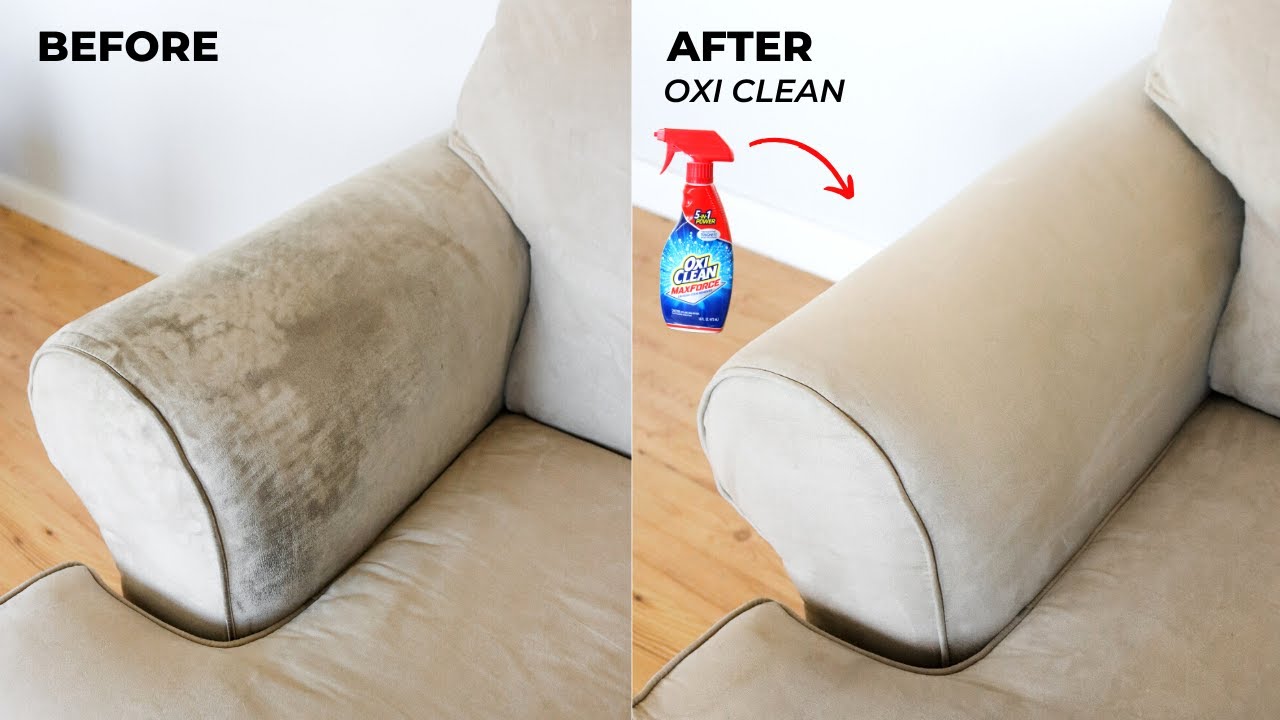
Credit: www.youtube.com
Step-by-step Cleaning Process
1. Vacuum Thoroughly
Start by removing all loose dust, crumbs, and pet hair. Use the upholstery attachment and go over every surface, back, seat, arms, and sides. Pay special attention to seams and crevices.
Why vacuum first? If you skip this step, dirt can turn into mud when you add moisture, making stains worse.
2. Spot Test Cleaning Solutions
Before applying any cleaner, dampen a small, hidden area with your chosen solution. Wait 10-15 minutes to check for color changes or damage. If the spot looks fine, you can proceed.
3. Remove Surface Stains
How you treat stains depends on the material:
For Fabric Sofas
Mix a few drops of mild liquid soap with distilled water. Dampen a microfiber cloth and gently blot (don’t rub) the stain. For stubborn spots, a little baking soda can help lift grease.
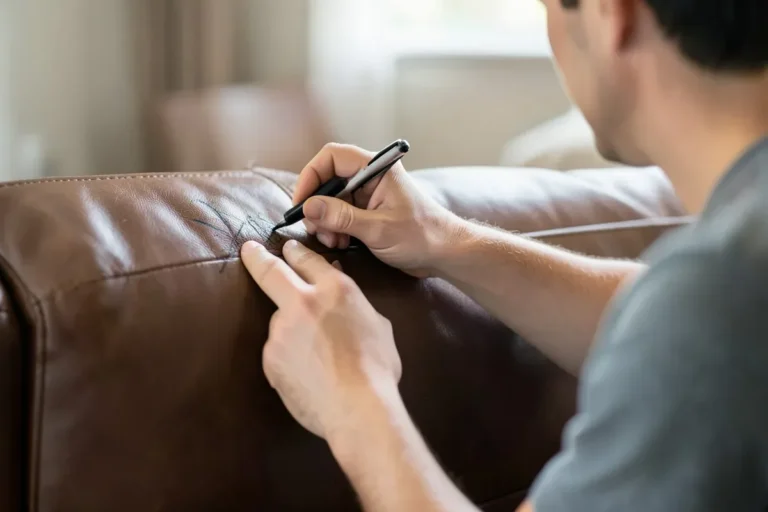
For Leather Sofas
Use a soft cloth dampened with distilled water and a tiny amount of mild soap. Wipe gently, then dry with a clean towel. Follow up with a leather conditioner to keep the surface soft.
For Microfiber Sofas
Mix equal parts isopropyl alcohol and water in a spray bottle. Lightly spray the stain, then blot with a white cloth. Once dry, brush the fibers with a soft brush to restore the texture.
For Velvet Or Suede Sofas
Use a dry, soft brush to lift dirt. For stains, use a solvent-based cleaner designed for delicate fabrics. Avoid water, it can leave marks.
4. Clean The Entire Surface
Once stains are gone, clean the whole sofa to prevent water rings or uneven color. Dampen a clean cloth with your solution and wipe all over, moving in gentle, circular motions.
Don’t soak the fabric, over-wetting can cause filling to mildew or warp.
5. Rinse And Dry
If you used soap or cleaning solutions, wipe again with a cloth dampened in plain distilled water to remove any residue. Then, blot with a dry towel.
Open windows or use a fan to speed up drying. Never use direct heat (like a hair dryer), it can shrink fabric or damage leather.
6. Fluff And Reassemble
Once dry, replace cushions and pillows. Fluff them to restore their shape. Brush the surface if needed for materials like microfiber or velvet.
How To Remove Common Stains From White Sofas
Different stains need different treatments. Here’s how to handle the most common ones:
Food And Drink Stains
- Blot immediately with a dry cloth to soak up liquid.
- Mix a teaspoon of mild soap with a cup of water.
- Dab the stain, never rub, as this spreads the mark.
Coffee Or Wine
- Sprinkle baking soda on the wet stain to absorb moisture.
- After 10 minutes, vacuum up the powder.
- Use a damp cloth with mild soap to blot the area.
Grease Or Oil
- Sprinkle cornstarch or baking soda to absorb oil.
- Let it sit for 15-20 minutes, then vacuum.
- Wipe with a cloth dampened in a water/soap mix.
Ink
- Dab gently with isopropyl alcohol on a cotton swab.
- Don’t oversaturate, too much liquid can spread the ink.
- Blot until the ink lifts.
Pet Stains And Odors
- Blot with paper towels.
- Use an enzyme cleaner to break down odor molecules.
- Follow with a damp cloth to remove residue.
Blood
- Use cold water, hot water can set the stain.
- Dab, don’t rub, with a damp cloth.
- If needed, a small amount of hydrogen peroxide can help (test first).
Pro Tip: For any stain, act as quickly as possible. Fresh stains are far easier to remove than old, set-in marks.
Deep Cleaning Techniques
Even with regular spot cleaning, white sofas need a deeper clean every few months. This helps remove hidden dirt, sweat, and oils that dull the color.
Steam Cleaning
Some fabric sofas (with a W or WS code) can be steam cleaned. This method uses hot vapor to lift dirt without soaking the fabric.
- Rent or buy a home steam cleaner designed for upholstery.
- Follow the manufacturer’s instructions.
- Move slowly and don’t over-wet any area.
Professional Cleaning
For delicate fabrics (like velvet or suede) or tough stains, consider hiring a professional upholstery cleaner. They use specialty products and equipment to deep clean without causing damage.
Machine Washing Removable Covers
If your white sofa has zip-off covers, check the care tag. Machine wash with cold water and mild detergent. Air dry, don’t use a hot dryer, as this can shrink covers or set stains.
Warning: Never put covers back on the cushions until they’re fully dry. Damp covers can cause mildew or odors.
| Deep Cleaning Method | Best For | Frequency |
|---|---|---|
| Steam Cleaning | Fabric sofas (W/WS code) | Every 3, 6 months |
| Professional Clean | Velvet, suede, stubborn stains | Once a year |
| Machine Wash Covers | Removable fabric covers | As needed |
Preventing Yellowing And Discoloration
One challenge with white sofas is yellowing over time. This can be caused by sunlight, body oils, or cleaning product residue.
Sunlight Protection
Place your sofa away from direct sunlight, or use UV-blocking curtains. Sunlight can fade and yellow both fabric and leather.
Regular Maintenance
Vacuuming weekly and wiping surfaces keeps dust and body oils from building up. Make sure to rinse away all cleaning products, leftover soap can attract dirt and cause yellow patches.
Use Slipcovers Or Throws
Protect your sofa with a washable slipcover or throw blanket, especially in high-use areas or homes with kids and pets.
Avoid Harsh Chemicals
Bleach, ammonia, and strong degreasers can turn white fabrics yellow and damage leather. Stick to gentle cleaners.
Safe Cleaning For Special Situations
Some cleaning situations need extra care:
Removing Odors
- Sprinkle baking soda over the sofa surface.
- Let it sit for at least 30 minutes (or overnight for strong odors).
- Vacuum thoroughly.
Dealing With Allergies
Dust mites and pet dander can hide in sofas. Use a HEPA vacuum and wash covers regularly. For sensitive people, avoid scented cleaners, as they can trigger reactions.
Cleaning After Illness
Use a disinfectant spray safe for fabrics or a steam cleaner for a hygienic clean. Make sure the sofa is completely dry before use.
Common Mistakes To Avoid
Many people damage their white sofas by making these errors:
- Over-wetting the fabric, can cause mildew, shrinkage, or water stains.
- Using colored cloths or sponges, may transfer dye to the white surface.
- Skipping spot tests, risking permanent discoloration.
- Using strong chemicals, like bleach or ammonia, which can yellow or degrade materials.
- Rubbing stains hard, spreads the stain and damages fibers.
- Not drying thoroughly, encourages mildew and odor.
Pro Tip: When in doubt, less is more. Gentle cleaning, patience, and light touch prevent most problems.

Credit: www.youtube.com
How To Maintain A White Sofa For The Long Term
Keeping your white sofa clean is easier if you build a simple routine.
Weekly Care
- Vacuum all surfaces, including under cushions.
- Fluff pillows and rotate cushions to prevent uneven wear.
Monthly Care
- Wipe down with a damp, clean cloth.
- Check for stains and treat them promptly.
Every 3-6 Months
- Deep clean with steam (if safe for your material) or wash removable covers.
- Recondition leather with a quality leather conditioner.
Annually
- Schedule professional cleaning for delicate or high-value sofas.
| Task | Frequency | Why It Matters |
|---|---|---|
| Vacuum | Weekly | Removes dust, prevents buildup |
| Spot Clean | As needed | Prevents stains from setting |
| Deep Clean | 3, 6 months | Refreshes sofa, removes deep dirt |
| Professional Cleaning | Annually | Extends sofa lifespan |
Non-obvious Insights For White Sofa Owners
Most cleaning guides cover the basics, but here are two insights many beginners miss:
- Invisible build-up can cause yellowing: Even if your sofa looks clean, body oils, pet residue, and airborne grease from cooking can build up over time, especially on the arms and headrest. Regular gentle cleaning in these areas keeps your white sofa bright.
- Too much water does more harm than good: People often think more water means a deeper clean. In my experience, using less moisture (just a lightly dampened cloth) actually prevents water stains, mold, and cushion warping. Always err on the side of less liquid.

Credit: www.youtube.com
Frequently Asked Questions
What Should I Do If My White Sofa Turns Yellow?
If your white sofa has yellowed, first identify the cause, sunlight, cleaning product residue, or oils. Clean with a solution of mild soap and distilled water, rinsing well. For tough yellowing, a professional cleaner may be able to restore the color.
Prevent future yellowing by avoiding direct sunlight and harsh chemicals.
Is It Safe To Use Vinegar On A White Sofa?
Vinegar is sometimes recommended for cleaning, but it can damage certain fabrics and dry out leather. Only use vinegar if your sofa’s care tag allows it, and always dilute it with water. Test on a hidden spot first. For most white sofas, mild soap and distilled water are safer choices.
How Do I Get Rid Of Musty Smells In
Products related to this article
Sponsored / affiliate links. As an Amazon Associate I earn from qualifying purchases. I may earn additional commission from eligible campaigns.