Nightstand vs Bedside Table: Which One Fits Best for You?
Choose the piece by function first: if you need drawers or a cabinet, pick a nightstand or bedside cabinet; if you need only a landing spot, a bedside table is enough, and its top should sit within about 2 inches of mattress height. Pick the wrong one, and the surface sits too low, takes up too much floor, or leaves your phone and medication with nowhere sensible to land. This guide compares nightstand, bedside table, night table, and bedside cabinet by storage, height, and clearance so you can buy the right one.
This guide is part of our Chairs guide: types, buying and care series.
Nightstand vs bedside table: what actually changes?



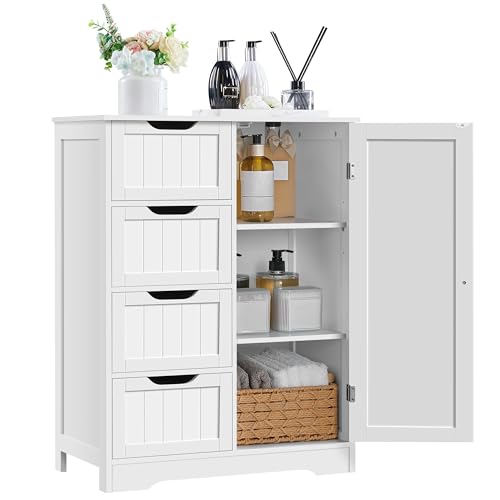
The main trade-off is usually storage versus footprint. A nightstand often includes drawers, shelves, or a cabinet-like body beside the bed, while a bedside table is often a lighter surface with less bulk and fewer enclosed parts. Both can hold a lamp, book, phone, glasses, water, and medication.
| Decision factor | Nightstand | Bedside Table | Winner |
|---|---|---|---|
| Storage | Often includes drawers or shelves for hidden storage | Often minimal storage or open shelving | Nightstand |
| Space use | Can be bulkier and need more side clearance | Usually smaller or lighter visually | Bedside Table |
| Best fit | Main bedrooms and anyone who wants clutter control | Small bedrooms and guest rooms | Depends on room |
| Use at bedside | Designed to stand beside a bed | Works beside a bed when proportions fit | Nightstand |
Where the terms overlap in common use
Reference sources often use these names for similar pieces. A nightstand is a small table or cabinet designed to stand beside a bed, and bedside furniture commonly keeps books, alarm clocks, and water within reach. In everyday shopping, the label often changes faster than the shape.
Where construction starts to differ
The split shows up in storage and visual mass. A nightstand more often reads as a cabinet with drawers or doors, while a bedside table may be a simpler top with open shelf space or no storage at all. That difference matters when the room is tight or when clutter needs a closed home.
According to wayfair.com — Wayfair’s product example includes a 22.7-inch nightstand with two drawers and an open shelf.
Is nightstand and bedside table the same?
Often, yes in casual use, but not always in construction. Nightstand, night table, and bedside cabinet are alternate names in reference sources, while bedside table usually points to a simpler bedside surface. The term should follow the build when the piece clearly has enclosed storage or a cabinet-like body.
Night table, nightstand, and bedside cabinet as alternate names
Night table is commonly used as another name for nightstand. Bedside cabinet is also listed as an alternate term, but it signals a more enclosed, furniture-like piece with doors or drawers. That helps when comparing a plain table to a storage piece.
When a bedside table is really a simpler surface
A bedside table is the better label when the piece is smaller, lighter, or mostly open. It still works for a lamp and a phone, but it may not hide cords, chargers, tissues, or medication the way a drawer unit can. That makes it a good fit for guest rooms and spare rooms.
When the term should follow the build, not the label
If the piece has drawers, doors, or enclosed storage, calling it a bedside table can blur the buyer’s expectations. Shoppers need the construction first and the name second. That is how confusion gets avoided when comparing a bedside cabinet, a nightstand, and a simple table.
How do height and clearance decide the better fit?
Height and clearance decide more purchases than style does. The top should sit close to mattress height, with a small tolerance that keeps items easy to reach. Side clearance sets the maximum width, and the walking path decides whether drawers can open without bruising shins or blocking a wardrobe.
Match the top to mattress height
A practical target is to keep the tabletop near mattress height, or a little above it for easier reach. A top that sits too low forces the hand down and makes a lamp feel squat; a top that sits too high can feel awkward beside a low bed. The useful range is generally close enough that grabbing water or a phone does not require much shoulder lift.
Use side clearance to set maximum width
Side clearance matters because the piece must leave room for walking, bedding overhang, and drawer pull-out. In a cramped room, a wide nightstand can crowd the bed edge and block access to a closet door. The right width is the one that still lets the drawer open fully and the body pass without turning sideways.
Allow room for drawers, cords, and walking space
Drawer fronts need swing space, and cables need a route that does not cross the floor where feet land. Built-in outlets and USB ports can help reduce cord clutter, but they do not remove the need for some clear space behind or beside the piece. Cleaning access matters too, because dust collects quickly under and behind solid bases.
Adjust for tall platform beds and low guest beds
Tall platform beds may need a taller nightstand or bedside cabinet so the top does not sit too far below the mattress line. Low guest beds create the opposite problem, where a tall cabinet can feel top-heavy and hard to reach. That is where the label matters less than the actual height match.
What storage do you actually need beside the bed?

Storage need is the clearest divider. If the bed area holds glasses, medication, chargers, tissues, and books, hidden drawers are useful. If the bedside job is only to hold a lamp and a glass of water, an open shelf or plain tabletop keeps the room lighter and easier to clean.
Drawer storage for hidden items
Drawer storage is often a strong reason to choose a nightstand. It hides clutter and keeps night essentials out of sight, which helps in main bedrooms where cables and daily-use items pile up fast. A closed front also looks calmer in rooms where the bedside area is visible from the door.
Open shelf or simple tabletop for lighter setups
An open shelf or simple tabletop works well when the room needs breathing room more than storage volume. It is easier to dust, easier to move, and often better for a guest room that does not need permanent storage. The tradeoff is that cords, remotes, and chargers remain visible.
When a bedside cabinet makes more sense than an open table
Choose a bedside cabinet when the room needs enclosed storage but the design still has to stay compact. A cabinet-like piece suits people who want the bedside area to hold medication, reading material, and charging gear without leaving them in view. It is the better middle ground between a spare table and a bulky dresser.
Use the bedside decision checklist
This is the shortest way to choose well. Measure mattress height, measure side clearance, and list the items that must live by the bed. Those three inputs usually decide whether the better fit is a nightstand, a bedside table, or a cabinet-like version.
- Measure from the floor to the top of the mattress.
- Measure the usable width beside the bed, including space for drawers to open.
- Write down what must stay within reach: lamp, book, phone, glasses, water, medication, charger.
- Decide whether those items can sit in the open or need hidden storage.
- Choose the smallest piece that still meets height, clearance, and storage needs.
Recommendation matrix by bedroom setup
Room type changes the answer fast. A small bedroom often does better with a slimmer bedside table, while a main bedroom can often support a fuller nightstand. Guest rooms and platform beds sit between those cases and need their own check on reach and storage.
| Bedroom setup | Better fit | Why it works |
|---|---|---|
| Small bedroom | Bedside table | Smaller footprint, less visual bulk, easier walking path |
| Main bedroom | Nightstand | More drawer storage for clutter control and charging gear |
| Guest room | Bedside table | Simple surface for essentials without overfurnishing the room |
| Platform bed | Nightstand or tall bedside cabinet | Height often needs to rise to meet the mattress line |
Choose Nightstand if… / Choose Bedside Table if…
Choose a nightstand if you need drawers, enclosed storage, a charging home, or a fuller bedside setup beside a main bed. Choose a bedside table if you need a smaller footprint, a lighter visual profile, or just a surface for the basics. If the piece is not beside the bed, an end table only works when its height and width still fit the mattress and the walking path.
When an end table can work beside a bed
An end table is acceptable when its proportions match the mattress height and it does not crowd the side clearance. It should not be treated as automatically interchangeable with a bedside piece. If it is too tall, too wide, or too shallow for bedside items, it becomes a poor substitute.
Should nightstand be higher than bed?
Usually, a nightstand can sit slightly higher than the mattress and still work well. That small rise can make reaching a lamp switch, phone, or water easier. If it sits much lower, bedside use becomes awkward, especially with thicker mattresses or platform beds.
How tall should a bedside table be compared with a mattress?
The top should sit close to mattress height, and a small difference is fine. A practical target is to keep it roughly level with the mattress top, give or take a little. Taller can help reach, but once the gap grows too large, the piece starts to feel out of scale and harder to use comfortably.
Lamp height changes the reading setup
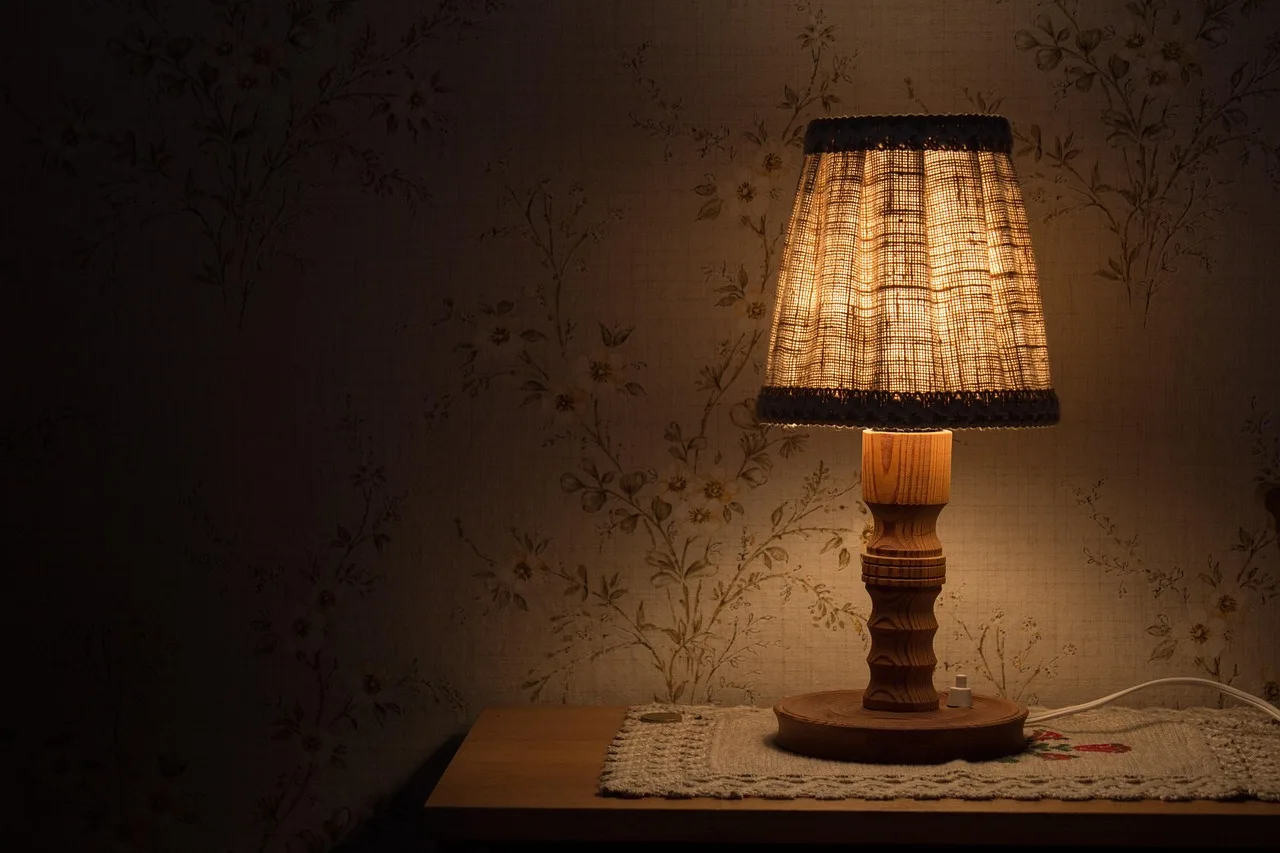
Table height changes lamp height too. A taller bedside piece usually needs a shorter lamp base or shade arrangement to keep light at a comfortable reading level, while a lower table may need a taller lamp to bring the bulb and switch into easy reach. Reading comfort depends on that pairing.
What size bedside table works in a small bedroom?
A small bedroom usually needs the narrowest piece that still handles the essentials. Look for a bedside table with a slim profile, room for a lamp or wall light, and enough top space for a phone and water. If drawer fronts cannot open cleanly, the piece is already too large for the room.
Width matters more than style in tight rooms
In a cramped room, width controls how the room feels and functions. A narrower bedside table keeps the bed edge clear and preserves walking space near wardrobes or dresser doors. A larger piece may store more, but if the path narrows, the room stops working well.
Charging, cords, and dust access matter too
Smaller furniture is easier to clean around and usually simpler to cable-manage. Built-in outlets and USB ports can reduce visible cords, but they do not fix a piece that blocks plugs or sits hard against the wall. If daily charging is part of the bedside job, access to the back edge matters.
Frequently asked questions
What is the difference between a nightstand and a bedside table?
A nightstand usually implies a bed-side piece with drawers, shelves, or a cabinet-like body, while a bedside table usually sounds simpler and lighter. In shopping, the terms often overlap, but construction is the safer guide. If hidden storage matters, the nightstand is the better match.
Nightstand vs night table: which term is correct?
Both are used, and reference sources treat night table as an alternate name for nightstand. The term is less important than the build, height, and storage. When comparing products, use the listing details rather than the label alone.
Side table vs bedside table: are they interchangeable?
Sometimes, but only when the side table fits beside the bed in height and width. A side table made for living-room use may work if it leaves walking space and reaches mattress level. If it is too low, too tall, or too deep, it is the wrong piece.
End table vs bedside table: can I use one by the bed?
Yes, if the end table’s proportions work beside the mattress and the room still has clearance to move. The piece should support bedside essentials without blocking drawers, doors, or a walking path. If it crowds the bed or sits at a bad height, skip it.
Should nightstand be higher than bed?
A nightstand can be slightly higher than the mattress, and many rooms benefit from that. The added height makes it easier to reach a lamp, water, or phone. Large gaps are the problem; a small rise is usually more comfortable than a low top.
What size bedside table works in a small bedroom?
The best size is usually the smallest one that still holds the essentials and leaves room to pass. Narrow width matters more than decorative detail. If drawers cannot open fully or the table crowds a wardrobe, the piece is too large for the room.
Products related to this article
Sponsored / affiliate links. As an Amazon Associate I earn from qualifying purchases. I may earn additional commission from eligible campaigns.