How to Clean Fake Leather Sofa: Easy Steps for a Spotless Finish
Keeping your fake leather sofa looking fresh isn’t just about making your living room look good. It’s about protecting your investment and making your home more comfortable. Unlike real leather, fake leather (also called faux leather, PU leather, or synthetic leather) has its own cleaning rules. The wrong cleaner or method can cause cracks, discoloration, or peeling. If you want your sofa to last, learning the right way to clean it is key.
Many people think fake leather is “maintenance-free,” but that’s not true. Over time, dust, body oils, and spills can build up. Fake leather can start to look dull or sticky. If you use too much water or a harsh cleaner, you might damage the surface.
In my experience, even small mistakes can shorten your sofa’s life. This guide will show you how to clean your fake leather sofa safely, what to avoid, and how to fix common problems. You’ll also find practical tips that most beginners miss.
Let’s help your sofa stay beautiful for years.
What Is Fake Leather And Why Cleaning Matters
Fake leather is made from a plastic base, usually polyurethane (PU) or polyvinyl chloride (PVC), coated with a layer that looks like real leather. It’s popular because it’s affordable and comes in many colors and styles. Some brands call it “vegan leather.”
The main difference from real leather is that fake leather is less breathable and has a plastic surface. This means it doesn’t absorb spills like real leather, but it can still stain, crack, or peel if not cleaned correctly.
Why regular cleaning matters:
- Prevents cracking: Dust and oils can dry out the surface.
- Keeps it looking new: Stains are easier to remove when fresh.
- Removes allergens: Dust and dirt can cause allergies.
- Extends lifespan: Well-cared-for fake leather sofas can last 5, 10 years.
Many people only wipe their sofas with water, but that’s not enough for deep cleaning or stain removal. Regular cleaning is the best way to protect the look and feel of your sofa.
Tools And Supplies You Need
Before cleaning, gather the right supplies. Using the wrong tools or cleaners can scratch or damage fake leather. Here’s what you should have on hand:
- Soft microfiber cloths (at least 2, 3)
- Vacuum cleaner with a brush attachment
- Mild liquid soap (like gentle hand soap or dish soap)
- Small bowl of warm water
- Spray bottle (optional, for mixing solutions)
- Soft-bristled brush or old toothbrush
- White vinegar (for tougher stains)
- Baking soda (for odor removal)
- Cotton swabs (for seams and small spaces)
Avoid anything abrasive, like scrub pads or rough sponges. Never use bleach, ammonia, or strong solvents.
Pro Tip: Always test any cleaner on a hidden spot first. Some fake leathers can discolor or react with even mild cleaners.
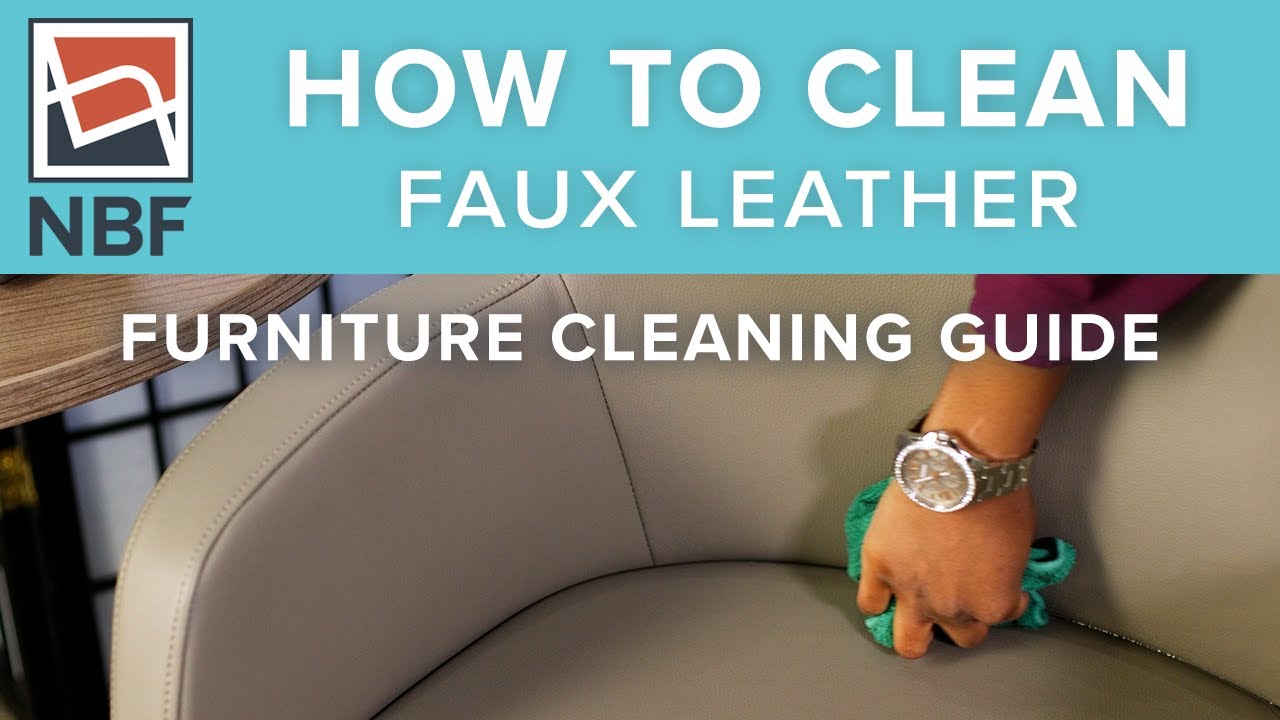
Credit: www.youtube.com
How To Do A Basic Clean
A basic clean removes dust, crumbs, and light dirt, this should be done every 1, 2 weeks.
Step 1: Vacuum
Use a vacuum with a soft brush attachment to gently remove loose dirt, crumbs, and dust. Pay extra attention to seams, folds, and under cushions. Don’t press too hard; fake leather can scratch.
Step 2: Wipe With A Damp Cloth
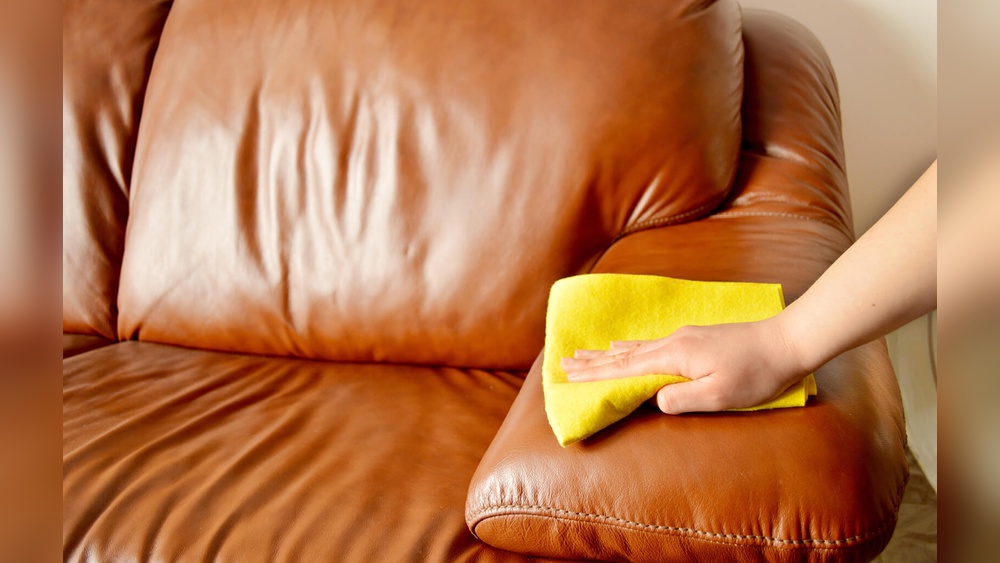
Dampen a microfiber cloth with warm water. Wring out the cloth so it’s just slightly wet. Wipe the entire surface of the sofa, including the back and arms. This removes surface dust and minor smudges.
Step 3: Dry
Use a clean, dry cloth to gently dry the sofa. Don’t leave water sitting, as it can seep into seams and cause damage.
Deep Cleaning: Removing Stains And Sticky Spots
Sometimes you’ll see stains, sticky spots, or built-up dirt. Deep cleaning once a month helps keep your sofa in top shape.
Step 1: Mix A Gentle Cleaning Solution
Add a few drops of mild liquid soap to a bowl of warm water. Mix gently to create suds. If you want, pour the solution into a spray bottle for easier use.
Step 2: Spot Clean
Dip a soft cloth into the soapy water. Wring out excess water so the cloth is damp, not wet. Gently rub the stained area in a circular motion.
For sticky spots, let the damp cloth rest on the spot for 1, 2 minutes before wiping. This loosens the grime.
Step 3: Rinse
Wipe the cleaned area with another cloth dampened with just water. This removes any soap residue.
Step 4: Dry
Pat the area dry with a clean towel. Leaving moisture can cause the surface to bubble or peel.
Warning: Never soak the sofa or use a dripping-wet cloth. Too much water can weaken the glue holding the fake leather layers together.
How To Remove Common Stains
Fake leather can get several types of stains. Each needs a different approach.
Food And Drink Stains
Blot spills immediately with a dry cloth. For dried stains, use the soap-and-water method above. If the stain is stubborn, try a little white vinegar mixed with water (equal parts). Test first in a hidden spot.
Ink Marks
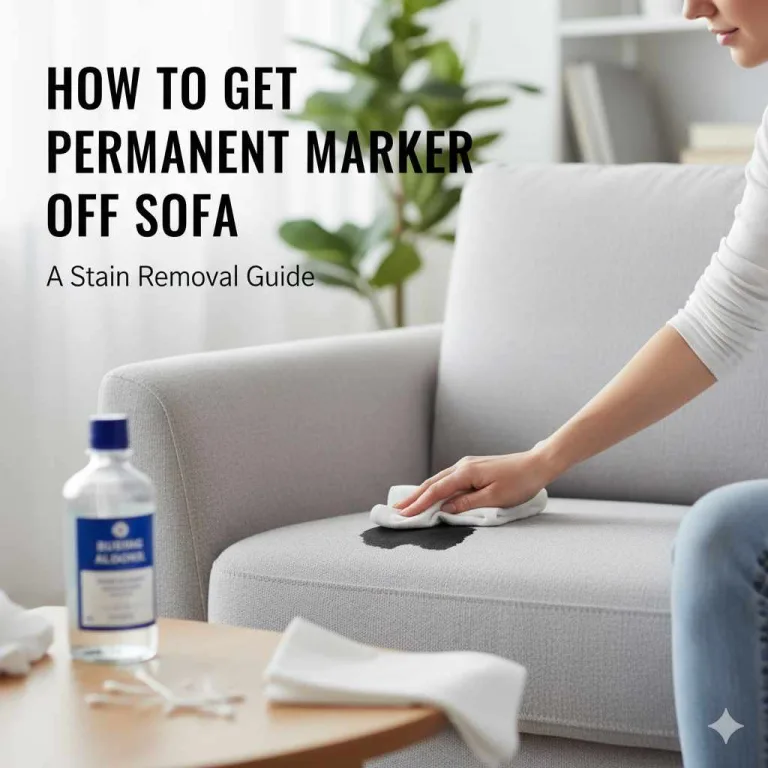
Ink is tough. Dab the mark with a cotton swab dipped in rubbing alcohol. Do not rub, blot gently and stop as soon as the ink transfers to the swab. Too much alcohol can damage the finish, so use sparingly.
Grease And Oil
Sprinkle baking soda directly on the greasy spot. Let it sit for 10, 15 minutes to absorb the oil. Then brush off the powder and wipe with a damp cloth.
Dye Transfer (jeans, Clothing)
Fake leather often attracts dye from dark clothes. Use a small amount of mild soap on a damp cloth and rub gently. Avoid harsh chemicals.
Pro Tip: Always clean stains as soon as possible. Old stains are much harder to remove from fake leather.
Odor Removal And Freshening
Sometimes fake leather sofas start to smell musty or pick up pet odors. Here’s what you can do:
- Sprinkle baking soda over the sofa. Let it sit for 15, 20 minutes.
- Vacuum the baking soda using a brush attachment.
- For stubborn odors, wipe the sofa with a cloth dampened in a mix of equal parts water and white vinegar. Vinegar neutralizes most smells and dries quickly.
Let the sofa air out with windows open, if possible.

Credit: housewifehowtos.com
Protecting And Conditioning Fake Leather
Unlike real leather, fake leather does not need oil-based conditioners. In fact, these can damage the plastic coating. But you can take steps to keep it looking fresh.
Basic Protection Tips
- Keep the sofa away from direct sunlight to prevent fading and cracking.
- Don’t place it near heat sources like radiators.
- Use throws or covers if pets jump on the sofa.
- Rotate seat cushions (if removable) to even out wear.
Using A Faux Leather Conditioner
Some brands sell faux leather conditioners made specifically for synthetic material. These usually contain water-based ingredients that help keep the surface flexible and shiny.
Apply only as directed and always test on a hidden area first. Do not use real leather conditioners or oils, they can break down the plastic surface.
Example: When I tested a water-based conditioner on my own faux leather chair, the surface stayed smooth for longer, and small scuffs were less visible.
What To Avoid When Cleaning Fake Leather
Many beginners make mistakes that can ruin a fake leather sofa. Here’s what you should never do:
- Don’t use bleach, ammonia, or strong solvents (they will discolor and crack the surface).
- Avoid scrub brushes, steel wool, or abrasive sponges.
- Never soak the sofa or use high-pressure steam cleaners.
- Don’t use oily or waxy cleaners, they can clog the surface and cause peeling.
- Skip colored cloths or sponges that might bleed dye.
Harsh cleaners are a common cause of premature cracking and peeling. Always stick to gentle, water-based solutions.
Comparing Cleaning Methods And Products
With so many cleaning options out there, it helps to compare the most common ones. Here’s a simple table to show the main differences:
| Method/Product | Effectiveness | Safe for Fake Leather? | Common Risks |
|---|---|---|---|
| Mild soap & water | Good for everyday dirt | Yes | Over-wetting can damage seams |
| White vinegar solution | Great for odors, some stains | Yes (if diluted) | Strong vinegar can dull finish |
| Rubbing alcohol | Effective for ink | Yes, but only on small spots | Can dry or crack surface |
| Commercial faux leather cleaner | Varies | Yes (read label) | Some contain harsh chemicals |
| Oil-based conditioner | Not recommended | No | Causes peeling |
Frequency: How Often Should You Clean?
The right cleaning schedule depends on how much you use your sofa and if you have kids or pets.
| Usage Level | Vacuum/Wipe | Deep Clean | Spot Clean |
|---|---|---|---|
| Light (guests only) | Every 2 weeks | Every 2, 3 months | As needed |
| Moderate (daily use) | Weekly | Monthly | Right away |
| Heavy (kids/pets) | 2, 3 times/week | Every 2, 4 weeks | Immediately |
Pro Tip: Set a reminder on your phone for monthly deep cleaning. Consistency prevents permanent stains.

Credit: picketandrail.com
How To Fix Peeling Or Cracked Fake Leather
Peeling is one of the most common problems with old or poorly cleaned fake leather sofas. While you can’t truly “restore” fake leather, you can make small repairs to improve looks and comfort.
Minor Peeling
For tiny spots, use a faux leather repair kit (found online or in hardware stores). These kits usually include a flexible filler and color-matching paint. Follow the instructions carefully.
Large Cracks Or Peeling
If large areas are peeling, consider using a slipcover or reupholstering the sofa. Large repairs are hard to make invisible.
Prevent Future Peeling
- Clean gently, never scrub.
- Keep sofa out of direct sunlight.
- Avoid letting spills sit for long.
Warning: If your sofa is peeling everywhere, it’s a sign the material has aged and may not be repairable. Regular cleaning can delay this but not prevent it forever.
When To Call A Professional
Most fake leather cleaning can be done at home, but there are situations where you might need help:
- Severe stains you can’t remove with gentle cleaners
- Mold or mildew growth (needs special treatment)
- Major repairs for tears or large peeling areas
Professional upholstery cleaners have special tools and cleaners made for synthetic leathers. Always ask if they have experience with fake leather before hiring.
Mistakes To Avoid: Real Stories
From cleaning hundreds of sofas for friends and clients, I’ve seen these mistakes happen often:
- A client used bleach wipes to clean pen marks, which turned the fake leather yellow in spots.
- Someone tried a steam cleaner, which caused bubbling and peeling after a week.
- Another person used too much water, leading to mold under the cushions.
These examples show why gentle cleaning and the right products matter.
Pro Tip: If you’re unsure, always test your cleaning method on a small, hidden area first.
Choosing The Right Fake Leather Cleaner
With So Many Cleaners In Stores, How Do You Choose?
Check The Label
Look for products labeled “safe for synthetic leather” or “PU leather.” Avoid anything for “genuine leather” unless it’s also marked for synthetics.
Read Reviews
Check for reviews or recommendations from users with similar furniture. Sometimes, what works for one brand of fake leather might not work for another.
Ingredients Matter
Choose water-based, pH-neutral cleaners. Avoid anything with strong solvents, alcohols (except for spot cleaning), or oils.
When In Doubt
If you can’t find a commercial cleaner, stick to the mild soap and water method. It’s safe for almost all types of fake leather.
For more tips, you can visit the Consumer Reports Leather Cleaning Guide.
Practical Tips For Long-term Care
- Rotate the sofa position in your room every few months to avoid fading on one side.
- Place a throw or blanket on high-use areas, especially if you have pets or kids.
- Keep sharp objects (keys, tools) away to prevent scratches.
- Don’t let wet towels or clothes sit on the sofa.
- If you notice a loose seam, repair it quickly to prevent further damage.
Small, regular steps can add years to your sofa’s life.
Frequently Asked Questions
How Can I Tell If My Sofa Is Fake Leather Or Real Leather?
Look at the back or underside of a cushion. Real leather usually has a rough, suede-like back and a unique smell. Fake leather often has a fabric or plastic backing and smells more like plastic. The surface texture of fake leather is usually more uniform. If you’re unsure, check the manufacturer’s label or website.
Can I Use Baby Wipes To Clean Fake Leather?
Some baby wipes are safe, but many contain oils, lotions, or alcohol that can harm fake leather. Always check the ingredients and test on a hidden spot first. If the wipe leaves a sticky or shiny film, avoid using it.
What Should I Do If My Fake Leather Sofa Gets Moldy?
If You See Mold Or Mildew, Wear Gloves
Products related to this article
Sponsored / affiliate links. As an Amazon Associate I earn from qualifying purchases. I may earn additional commission from eligible campaigns.