Furniture Stain Remover Review: Is It Worth It?
Furniture stain remover is worth buying only when the problem sits on upholstery or unfinished wood. On damaged finish, a restorer or touch-up product usually fits better. Used wrong, it can drive stains deeper, strip color, or hide damage you still need to fix. This guide separates true removers, concealers, and finish restorers so you can choose the right product for wood, finish damage, or upholstery cleanup.
Verdict
Furniture stain remover is worth it for a narrow set of problems: surface grime, water rings, white rings, and light cosmetic wear. For those jobs, the right product can save a piece that only looks tired. For deep scratches, gouges, or finish loss, it is usually only a partial fix.
The key is the result, not the label on the bottle. A true cleaner removes soil. A scratch cover hides damage. A finish restorer blends worn areas. If you need stain removal on upholstery, that is a different category from wood care, and wood-specific products should not be used as fabric cleaners.
Specs at a glance
| Product | Type | Best use | Application | Main limitation |
|---|---|---|---|---|
| Old English 75144 Scratch Cover | Scratch concealer | Dark wood surface scratches | Wipe on, wipe off | Not a complete stain remover |
| Guardsman Deep Cleaning Wood Cleaner | Cleaner | Dust, dirt, and grime on wood | Spray on, wipe off | May need multiple applications on heavy soil |
| Howard Products Restor-A-Finish | Finish restorer | Older pieces with lost luster | Blend into worn finish | Not a complete stain remover |
| Citristrip Stripping Gel | Stripper | Refinishing prep | Aggressive finish removal | Too strong for quick cleanup |
Who it is for
This category makes sense if you want to fix a visible mark without starting a full repair. It fits dust film, light grease, water rings, faded sheen, and small scratches on finished wood. It is not the right buy for gouges, missing finish, or stains that have soaked through.
It also helps if you want the least disruptive option first. A spray cleaner or spot treatment is faster than sanding or refinishing, and that matters when the damage is cosmetic. The tradeoff is simple: these products often improve appearance more than they remove the problem.
What works

For everyday cleanup, Guardsman Deep Cleaning Wood Cleaner is the clearest true cleaner in this group. It removes dirt, dust, and grime, and you apply it by spraying and wiping. It can be used on kitchen cabinets and antique tables, which makes it useful for built-up film on finished wood.
Howard Products Restor-A-Finish is the better call when the problem is worn appearance, not soil. It is designed to restore the finish on furniture and is intended for older pieces that have lost their luster. That makes it a finish restorer, not a full stain remover, but it can improve tired-looking surfaces quickly.
Old English 75144 Scratch Cover is a quick fix for dark wood surface scratches. It uses a simple wipe-on, wipe-off process, and it is aimed at cosmetic concealment rather than true stain removal. That distinction matters: it can hide a mark, but it will not repair damaged finish or fill a gouge.
Guardsman Water Mark Remover Cloth is a spot treatment for water rings on finished wood. Homax Group Furniture White Ring Remover Cloth is the matching spot treatment for white rings. Both are worth considering when the finish is intact and the blemish sits near the surface.
Tibet Almond Stick Scratch Remover and furniture repair kit wood markers fit the same “hide, do not rebuild” job. The stick is a quick cosmetic fix for scratches, while the markers are best when you need shade matching on small worn spots. They are useful when the damage is visible but shallow.
What does not
The main drawback is that many shoppers want one product to clean, recolor, and repair at once. That is rarely realistic. A scratch cover can make a scratch harder to see, but it will not remove a stain. A restorer can improve dull finish, but it will not reverse deep penetration.
Old finishes can also react badly. Color mismatch is common on stained, faded, or uneven wood, especially if the original tone has shifted with age. Heavy buildup is another problem; soil that has collected over time may need repeated passes before the surface looks cleaner.
Deep damage is the biggest limit. If the stain has soaked into the wood, if the finish is cracked, or if the top layer is missing, a surface product may only disguise the issue. In those cases, repair or refinishing is the more honest fix.
Alternatives

Old English Lemon Oil for Wood Furniture Cleaner is better suited to light cleanup and polishing than stain removal. Based on the spec sheet and product positioning, it can help with fingerprints and waxy buildup, but it is not the answer for rings, deep scratches, or finish damage. Use it when you want cleaning and shine, not repair.

Max Strip Citrus Paint Stripper Gel belongs in the refinishing lane. It removes paint, varnish, and shellac from wood and metal, so it is for stripping an old coating before a proper redo. It is not a quick cleanup product, and it is too aggressive for routine stain treatment.
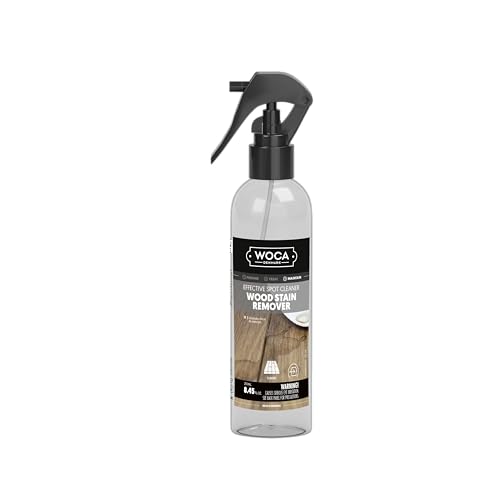
WOCA Wood Stain Remover Spray is the most direct stain-removal option among the listed products, but it is aimed at oiled wood. It removes grease and organic stains, which makes it practical for some wood surfaces, yet that same specificity limits its range. If your finish is unknown, test first and expect the result to depend on compatibility.
Should you buy it
Buy a furniture stain remover only if the mark matches the product’s job. For grime, spot rings, and light surface issues, it can be worth the price because the effort stays low. For scratches, dullness, and finish wear, you may get more value from a concealer or restorer than from a true remover.
Say your dining table has a cloudy water ring and a thin film from daily use. A spot remover or cleaner is a sensible first step. Say the same table has a deep scratch and color loss along one edge. A scratch cover, marker, or repair kit makes more sense than a remover.
What kind of damage are you trying to fix?
Start with the type of damage, not the product category. Surface grime, water rings, scratches, dullness, and deep finish loss each respond to different tools. The wrong match wastes time, and in some cases it can make the mark harder to fix later.
Surface grime and kitchen buildup
For dust, grease, and film, a cleaner is the best first move. Guardsman Deep Cleaning Wood Cleaner is designed for this job, and it is one of the few products here that targets actual soil rather than appearance alone. Heavy buildup may need more than one pass.
Water rings and white rings
White rings and water marks are often surface-level problems on finished wood. That makes spot treatment worth it when the finish is still intact. Guardsman Water Mark Remover Cloth and Homax Group Furniture White Ring Remover Cloth are both aimed at this kind of damage.
Scratches, dullness, and deep finish damage
Minor scratches and dull patches call for concealment or finish restoration, not a cleaner. Old English 75144 Scratch Cover and Tibet Almond Stick Scratch Remover hide small marks, while Howard Products Restor-A-Finish improves worn finish on older furniture. Deep gouges usually need repair, not concealment.
Decision matrix: stain type, best fix, and worth it call
This is the practical filter most shoppers need. Match the stain to the least aggressive fix that can still solve it. If the problem is deeper than the surface, skip remover products and move to repair or refinishing.
| Stain or damage type | Best fix | Worth it? | Expected effort |
|---|---|---|---|
| Surface grime | Cleaner first | Worth it | Low; spray and wipe, then repeat if needed |
| Water rings | Spot treatment on finished wood | Worth it if the finish is intact | Low to medium; one or more passes |
| White rings | Spot treatment made for ring removal | Worth it for shallow finish haze | Low to medium |
| Scratches | Concealer, stick, or marker | Worth it for minor marks | Low; color match matters |
| Loss of luster | Finish restorer | Worth it for older pieces | Low to medium |
| Deep damage | Repair or strip and refinish | Not worth it for surface products | High; prep work required |
What works on wood, and what does not?
Wood-focused products do not automatically work on upholstery. A cleaner or concealer meant for finished wood should not be used as a fabric stain remover. For wood, check the finish type first. For upholstery, use a textile-safe cleaner made for the specific fiber.
Guardsman Deep Cleaning Wood Cleaner for dust, dirt, and grime
This is the clearest example of a true cleaner in the group. It is sprayed on and wiped off, and the label claims wood use on kitchen cabinets and antique tables. It helps when the problem is buildup, not damage to the finish itself.
Howard Products Restor-A-Finish for older pieces with lost luster
This product is for appearance repair. It is intended for older furniture that has lost its luster, so it fits faded finishes better than stained fabric or damaged wood. It can improve the look of a tired piece, but it should not be treated as a full remover.
Old English 75144 Scratch Cover for minor scratches on dark wood
This is a cosmetic cover, not a cleaner. It is described as a quick fix for dark wood surface scratches and uses a wipe-on, wipe-off process. It helps when the wood is sound and you only need the scratch to disappear from view.
Citristrip Stripping Gel for refinishing prep, not quick cleanup
Stripping gel is the opposite end of the scale. It removes paint, varnish, and shellac, so it is for taking the old surface off before refinishing. That makes it useful for restoration prep and poor for quick stain cleanup.
Which spot treatments are worth buying?
Spot treatments make sense when the blemish is small and specific. They are worth buying if the stain type is clearly matched to the product and the finish is still stable. If the spot is large, old, or uneven, the odds of a clean result drop fast.
Guardsman Water Mark Remover Cloth for water rings
Use this for ring marks on finished wood when the finish has not failed. It is a surface-safe, spot-treatment format, which makes it a reasonable first try for a water ring. The drawback is that it is narrow in scope and depends on finish compatibility.
Homax Group Furniture White Ring Remover Cloth for white rings
This is a stain-specific cloth for white rings, which are often a shallow finish issue rather than true wood staining. It is useful because it targets one failure mode directly. It is not a general-purpose cleaner, and it will not fix deep discoloration.
Tibet Almond Stick Scratch Remover for quick scratch concealment
This fits fast touch-up work. It is a cosmetic fix for scratches, which makes it useful for minor marks on visible furniture. As with most concealment products, the tradeoff is that it hides damage rather than removing it.
Furniture repair kit wood markers for shade matching
Markers are best when the problem is color loss at the scratch line or edge. They can make worn spots blend in better, especially when several tones are included. They do not rebuild wood, so they are a visual fix rather than a structural one.
Where furniture stain remover disappoints
Color mismatch is the most common miss. A product may clean the surface yet leave the repaired area too light, too dark, or shiny in the wrong way. That happens often on stained wood because aging changes the original tone.
Old finishes can react badly, especially if the coating is delicate or the surface has been previously treated. Deep penetration is another limit. If the mark has moved below the finish layer, a surface product cannot reach it. Heavy buildup can also need repeated passes, which raises the real effort cost.
What should you use instead if it fails?
If the issue is dirt or grease, keep cleaning rather than moving to concealer products. If the issue is cosmetic, use a scratch cover, stick, or marker. If the problem is gouges, missing finish, or deep damage, repair or refinishing is the better route.
- Clean first if the surface feels sticky, dusty, or greasy.
- Use a concealer if the mark is shallow and the structure is sound.
- Switch to repair when the finish is missing or the wood is damaged.
- Use a stripper when the old finish needs to come off before refinishing.
How do I know if a stain is too deep for a remover to fix?
If the mark does not change after a proper spot treatment, it is probably beyond surface removal. Deep discoloration, missing finish, or a mark that feels rough to the touch usually means the damage has moved below the top layer. At that point, repair or refinishing is more realistic.
What should I test before using a furniture stain remover?
Test in an inconspicuous area first and check finish compatibility before full use. That matters because wood finish, stain color, and prior coatings can react differently. A small test spot helps catch color shift, dulling, or unexpected softening before you treat the whole surface.
Do furniture stain removers remove water rings and grease buildup?
Some do, but only when the product matches the problem. Water rings and white rings often respond to spot treatments on finished wood. Grease buildup is more of a cleaner job, which is why a spray-and-wipe wood cleaner is usually the better first step for that issue.
How many applications does a furniture stain remover usually take?
One application is sometimes enough for a light, fresh mark. Heavily soiled or older surfaces often need more than one pass, especially with built-up grime or stubborn rings. Repeating the process is common, but if nothing changes after a few tries, the product is likely the wrong type.
What should I use instead if stain remover does not work?
If cleaning fails, move to the next level rather than repeating the same product indefinitely. Use touch-up tools for scratches, a finish restorer for worn sheen, or repair and refinishing for gouges and finish failure. That path is often more effective than forcing a surface remover to do structural work.
Frequently asked questions
Is furniture stain remover worth it for everyday marks?
Yes, when the mark is light and limited to the surface. Everyday grime, faint rings, and minor cosmetic wear are the best cases for these products. If the damage is deeper than the finish or the wood is already compromised, the value drops quickly.
Will furniture stain remover work on wood, upholstery, or both?
Some products are for finished wood, while others are meant for fabric cleanup. Do not assume a wood product can clean upholstery. If the label is wood-specific, use it on wood only and choose a textile-safe cleaner for fabric surfaces.
What is the difference between stain remover and scratch cover for furniture?
A stain remover aims to remove soil or discoloration, while a scratch cover hides a mark by blending it in. Scratch cover is cosmetic concealment. It can improve appearance, but it does not remove the scratch or rebuild the finish.
Are furniture stain removers safe on antique or delicate finishes?
Not always. Antique or delicate finishes can react unpredictably, which is why a small test area matters so much. A gentle cleaner may be fine, but spot treatments, restorers, and strippers can all affect old coatings in different ways.
Do furniture stain removers remove water rings and grease buildup?
They can, but not with one universal product. Water rings often need a dedicated spot treatment, while grease buildup usually needs a cleaner first. If the finish is damaged, a remover may only improve the look, not solve the cause.
What should I use instead if stain remover does not work?
Switch tools based on the damage. Use a cleaner for dirt and grease, a marker or scratch cover for cosmetic blending, and repair or refinishing for gouges or missing finish. If the old coating is the problem, a stripper may be the right starting point.
Products related to this article
Sponsored / affiliate links. As an Amazon Associate I earn from qualifying purchases. I may earn additional commission from eligible campaigns.