Difference Between Muskoka and Adirondack Chairs: Ultimate Guide
When you think of relaxing outdoors on a warm afternoon, iconic wooden chairs may come to mind. Two types stand out: Muskoka chairs and Adirondack chairs. These chairs are loved for their comfort, style, and ability to blend with nature. But many people wonder, is there a real difference between them, or are the names just regional? Understanding how these chairs compare can help you pick the right one for your deck, garden, or cabin.
Let’s take a clear, detailed look at Muskoka and Adirondack chairs, focusing on their origins, design, comfort, materials, and cost. We’ll also explore why these chairs are sometimes confused, and which one might be best for your needs. If you’re looking for a relaxing seat that matches your outdoor space, this guide will make your decision much easier.
The Origins: Where Muskoka And Adirondack Chairs Began
The story of these famous outdoor chairs starts in North America, but each has its own roots.
Adirondack Chair: An American Invention
The Adirondack chair was designed by Thomas Lee in 1903. While vacationing in Westport, New York, Lee wanted a chair that was comfortable on the uneven ground of the Adirondack Mountains. He tested his design with 11 pieces of wood and a sloped seat, and his friend Harry Bunnell patented the idea. The chair became popular across the United States, especially in lakeside and mountain areas.
Muskoka Chair: A Canadian Twist
The Muskoka chair gets its name from the Muskoka region in Ontario, Canada. This area is known for its lakes, cottages, and outdoor living. The Muskoka chair is almost identical to the Adirondack chair but became known by its own name in Canada. There’s no official inventor, but by the 1930s, Muskoka chairs were a common sight on docks and lawns across Ontario.
Example: If you visit a cottage in Muskoka, you’ll almost always see these chairs facing the water, often in bright colors.
Design Differences: What Sets Them Apart?
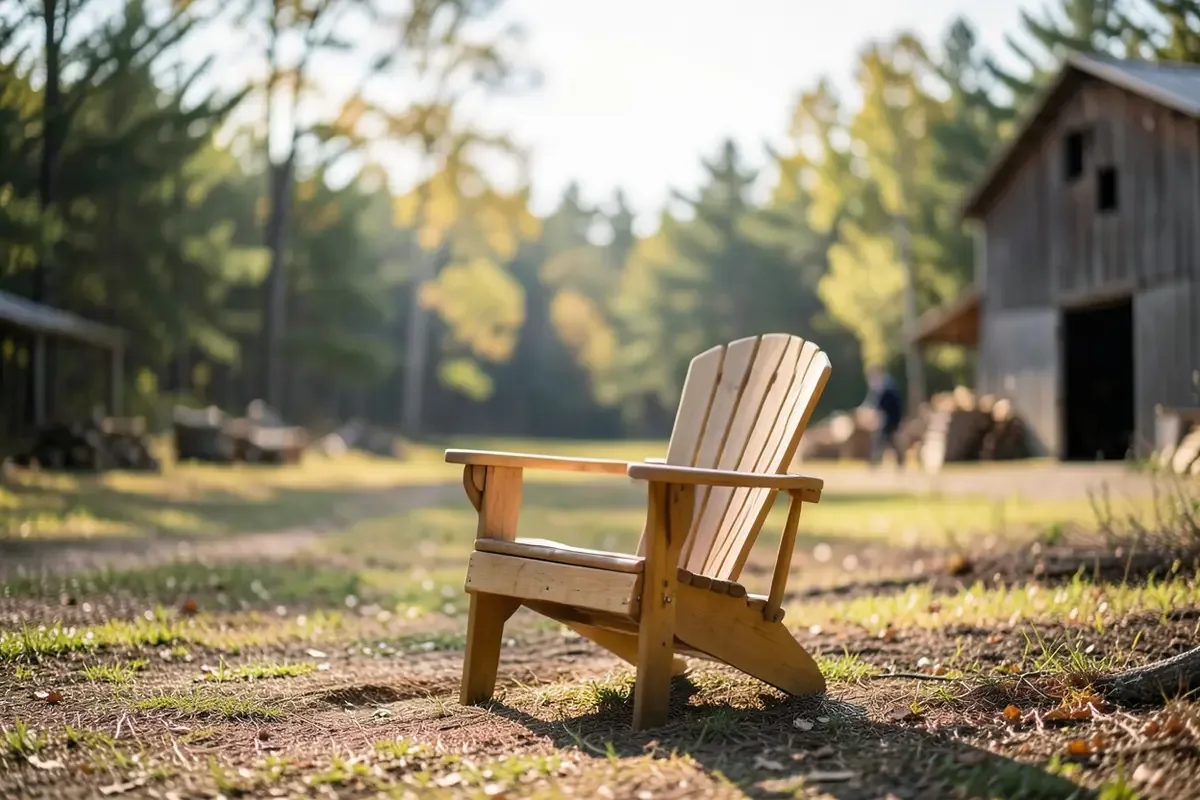
At first glance, Muskoka and Adirondack chairs look similar. Both have a slanted seat, wide armrests, and a tall, slatted back. However, there are subtle design differences that matter if you’re looking for a certain style or level of comfort.
Seat Angle And Height
- Adirondack chairs usually have a steeper seat angle. This means the seat slopes back more, making you lean deeper into the chair. The seat is often lower to the ground.
- Muskoka chairs tend to have a slightly gentler angle and a seat that sits a bit higher.
This difference can affect how easy it is to get in and out of the chair. For some, the deeper Adirondack seat feels more relaxing; for others, the Muskoka’s higher seat is easier to use.
Armrest Design
Both chairs have wide, flat armrests, perfect for setting down a drink or book. The Adirondack armrests are often a bit wider and longer, while Muskoka armrests might have a slightly more rounded edge.
Backrest Shape
The back of an Adirondack chair is usually straight across or slightly curved. Muskoka chairs often feature a more pronounced curve at the top, giving a softer look.
Slat Arrangement
Adirondack chairs traditionally have 5-7 flat back slats. Muskoka chairs may have more or fewer, and sometimes the slats are spaced differently.
Here is a quick comparison of their main design features:
| Feature | Adirondack Chair | Muskoka Chair |
|---|---|---|
| Seat Angle | Steeper, deeper recline | Gentler, more upright |
| Seat Height | Lower to the ground | Higher for easier sitting |
| Backrest Shape | Straight or slightly curved | Pronounced curve at top |
| Armrests | Wider, longer | Narrower, more rounded |
| Slats | 5-7 slats, even spacing | Varied number, curved or angled |
Materials And Durability: What Are They Made Of?
The type of material used affects both the look and lifespan of your chair. While design is important, you should also consider how different materials perform outdoors.
Traditional Materials
- Wood is the classic choice for both chairs. The most common types are:
- Cedar: Lightweight, resists rot, and smells pleasant.
- Teak: Expensive but extremely durable, even in harsh weather.
- Pine: Cheaper but less weather-resistant; often painted.
Modern Materials
- Plastic (Resin/Polyethylene): Easy to clean, doesn’t rot, and comes in many colors. However, cheap plastic chairs may fade or crack over time.
- Composite (Polywood): Made from recycled materials. Looks like wood, but lasts longer and needs less care.
Durability And Maintenance
- Wooden chairs need regular sealing, staining, or painting to last. Cedar and teak can handle rain and sun, but pine will need more protection.
- Plastic and composite chairs are lower maintenance but can get hot in direct sun.
Pro Tip: If you live in a very wet or sunny area, composite materials may be your best bet for long-term use.
Comfort And Ergonomics: How Do They Feel?
When it comes to sitting for hours, small differences in design can affect comfort.
Seat Depth And Angle
The deeper seat of an Adirondack chair cradles your body, making it good for lounging. However, some people, especially those with knee or mobility issues, find it harder to get out of. Muskoka chairs, with their slightly higher and less angled seat, can be more accessible.
Backrest Support
Both chairs have a high back, which supports your head and shoulders. The curved top of many Muskoka chairs can make the seat feel more “hugging. ”
Armrest Function
The wide armrests are a major plus for both chairs. They double as small tables for drinks or snacks. In my experience, this feature is what keeps people coming back to these chairs for outdoor reading or socializing.
Cushioning
Most chairs come without cushions, but you can add them for extra softness. Just make sure the cushion fits the specific chair shape, as sizes can differ.
Style And Appearance: Matching Your Space
Style is subjective, but the look of your chair can set the mood for your entire outdoor area.
Regional Differences
- In the US, Adirondack chairs are seen as traditional, rustic, and classic. They’re often left in natural wood or painted in deep, earthy tones.
- In Canada, Muskoka chairs are a symbol of cottage living. They’re often painted in bright colors like red, blue, or yellow.
Customization
Both chairs can be easily painted or stained to match your decor. Some people add cushions, pillows, or even engravings.
Example: At a lakeside retreat, you might see Muskoka chairs in a rainbow of colors, creating a cheerful, inviting scene.
Price And Availability: Which Is More Affordable?
Price can vary widely based on material, craftsmanship, and brand, but there are some general trends.
Adirondack Chairs
- In the US, Adirondack chairs are widely available. Prices range from $80 for simple plastic models to over $500 for premium teak or handmade versions.
- Lower-priced options are often made of pine or plastic.
Muskoka Chairs
- In Canada, Muskoka chairs are the standard. Prices are similar to Adirondack chairs: Around $100-$600 depending on material and finish.
- High-end Muskoka chairs, especially those made from cedar or crafted by local artisans, can be more expensive.
Here’s a side-by-side price and availability comparison:
| Chair Type | Low-End Price | High-End Price | Availability |
|---|---|---|---|
| Adirondack | $80 | $600+ | Very common in US |
| Muskoka | $100 | $600+ | Common in Canada |
Warning: Cheaper chairs may look similar, but they often use lower-quality materials or hardware, leading to faster wear.
Regional Usage: Why The Names Matter
The biggest difference between Muskoka and Adirondack chairs is often just location. In Canada, people almost always say “Muskoka chair,” while in the US, “Adirondack chair” is the norm. This leads to some confusion, but also shows how popular the design is across North America.
Are They Really Different?
Most experts agree: the differences are small and mostly cosmetic. You might see a Muskoka chair with a slightly more curved back, or an Adirondack chair with straighter lines, but the core design is the same. In fact, some stores use the names interchangeably.
Cultural Identity
- Adirondack chairs are linked to American mountain retreats and parks.
- Muskoka chairs are tied to Canadian cottage culture and lakeside living.
If you want a chair that fits in with local style, choosing the regional name can add a personal touch.
Weather Resistance: Which One Lasts Longer Outside?
Outdoor furniture faces wind, rain, sun, and snow. How well your chair lasts depends more on the material and finish than the name.
Wood
- Teak and cedar resist rot, even if left outside year-round.
- Pine needs paint or stain, and should be covered or stored in winter.
Plastic And Composite
- High-quality composite (like Polywood) can last over 15 years with little fading.
- Cheap plastic might crack after just a few seasons.
Pro Tip: Always check for stainless steel or rust-proof hardware. Even the best wood or plastic will fail if the screws rust out.
Assembly And Maintenance: What To Expect
When you buy a chair, consider whether it comes pre-assembled or as a kit.
Assembly
- Most Adirondack and Muskoka chairs come flat-packed. Assembly usually takes 30-60 minutes with basic tools.
- Heavier wood chairs may need two people to move and assemble.
Maintenance
- Wood: Needs annual sealing or painting. Check for loose screws or cracks.
- Plastic/Composite: Clean with mild soap and water. No sealing needed.
In my experience, a little regular care can add years to your chair’s life.
Environmental Impact: Are These Chairs Eco-friendly?
Many people now want sustainable outdoor furniture. Here’s how Muskoka and Adirondack chairs compare:
Wood Sourcing
- Look for chairs made from FSC-certified wood, which ensures responsible forest management.
- Reclaimed or recycled wood is also a good option.
Recycled Materials
- Composite chairs often use recycled plastic, which keeps waste out of landfills.
Longevity
- A well-made chair that lasts 20+ years is better for the environment than a cheap one that must be replaced every few years.
For more on sustainable furniture, check out the Forest Stewardship Council.
Choosing The Right Chair For You
With so many options, choosing between a Muskoka and Adirondack chair comes down to a few key questions:
- Do you want a steeper, deeper seat (Adirondack) or an easier-to-use, higher seat (Muskoka)?
- Is price or material more important to you?
- Do you prefer classic wood, modern composite, or easy-care plastic?
- Will the chair match your outdoor decor or local style?
If you’re in Canada, a Muskoka chair might blend in better. In the US, Adirondack chairs are more familiar. But in truth, both offer timeless comfort and style.
Common Mistakes When Buying These Chairs
- Ignoring Material Quality: Cheap plastic or untreated pine will not last long outdoors.
- Not Checking Dimensions: Some chairs are smaller or larger than others. Measure your space before buying.
- Overlooking Hardware: Stainless steel or weatherproof screws are a must for outdoor use.
- Skipping Maintenance: Even the best chair needs occasional care.
- Choosing Price Over Comfort: Sit in the chair if possible before buying. Comfort varies by design.

Credit: adirondackchairshq.com
Summary Table: Muskoka Vs Adirondack Chair
To help you decide, here’s a final summary table highlighting the main differences:
| Feature | Muskoka Chair | Adirondack Chair |
|---|---|---|
| Origin | Muskoka, Ontario, Canada | Adirondack Mountains, New York, USA |
| Seat Angle | Gentler, higher | Steeper, lower |
| Backrest | More curved at top | Straight or slightly curved |
| Armrests | Narrower, rounded | Wider, longer |
| Common Materials | Cedar, pine, composite | Cedar, teak, composite |
| Price Range | $100-$600+ | $80-$600+ |
| Regional Popularity | Canada | USA |
Frequently Asked Questions
What Is The Main Difference Between Muskoka And Adirondack Chairs?
The main difference is regional naming and minor design tweaks. Muskoka chairs are more common in
Products related to this article
Sponsored / affiliate links. As an Amazon Associate I earn from qualifying purchases. I may earn additional commission from eligible campaigns.