How Much Material to Reupholster a Chair: Expert Guide
Reupholstering a chair is a rewarding way to give old furniture new life. Whether you’re updating a family heirloom or refreshing a thrift store find, one of the first questions you’ll face is: How much material do you need to reupholster a chair? The answer isn’t always simple. Chairs come in many shapes and sizes, and details like tufting, skirted edges, and cushion thickness all affect fabric requirements. If you want to avoid running short or wasting money on extra material, understanding the factors involved is essential.
This article guides you through everything you need to know about estimating upholstery fabric for a chair. You’ll discover key measurements, common mistakes, and practical tips. By the end, you’ll be ready to start your project with confidence, and a tape measure in hand.
Why Fabric Calculation Matters
Choosing the correct amount of fabric is more than just a money issue. Too little fabric means you might run out mid-project, leaving you with mismatched patterns or a half-finished chair. Too much fabric can be a waste, especially if you’re using expensive materials. Also, upholstery fabrics often have limited stock or unique dye lots. If you underestimate, you may not find an exact match later.
Fabric calculation also affects the look and durability of your finished chair. Proper planning ensures patterns align, seams are hidden, and the final result looks professional.
Factors That Affect Fabric Needs
Many variables influence how much fabric you’ll need to reupholster a chair. Considering these factors early can save time and stress.
1. Chair Style And Size
The type of chair is the biggest factor. For example, a simple dining chair with a flat seat requires far less material than a large wingback chair with rolled arms and a deep seat. Measure the overall height, width, and depth. Consider removable cushions, armrests, skirts, and any extra details.
2. Fabric Width
Most upholstery fabrics are 54 inches wide, but some specialty fabrics may be narrower or wider. The width determines how much length you need to cover large surfaces. Always check the fabric’s width before making calculations.
3. Pattern Repeats
Patterned fabrics have a repeat, the distance before the pattern starts again. Matching patterns across seams or cushions usually requires extra material. Large repeats (over 6 inches) can significantly increase fabric needs.
4. Tufting, Pleats, And Skirts
Design features like tufting, pleats, and skirts use more fabric. Tufted chairs need extra for pulling fabric into the buttons and folds. Skirted chairs require additional yardage for the skirt. Always factor in these details.
5. Cushion Thickness And Shape
Thicker or shaped cushions use more fabric than thin, flat ones. Removable, box-style cushions also need fabric for the sides and piping. If your chair has loose cushions, measure each one separately.
6. Seam Allowances And Mistakes
Professional upholsterers add seam allowances (usually ½ to 1 inch) to each piece. It’s wise to add 10% extra fabric to allow for cutting errors, future repairs, or pattern matching.
Credit: soinspalliatifspaca.com
How To Measure Your Chair
Accurate measuring is the foundation of a successful upholstery project. Here’s how to measure your chair for fabric estimation.
- Remove the old fabric if possible. This gives a clear view of each part and helps you measure accurately.
- Use a flexible tape measure. Measure each section separately: Seat, back, arms, sides, and cushions.
- Record both the width and length of each area. Write down each number.
- Don’t forget the back of the chair, skirts, and any trim.
- If the chair has curves, measure along the curve, not just straight across.
Example: For a dining chair with a seat and back, measure the seat (width x depth) and the back (height x width). Add the numbers together.
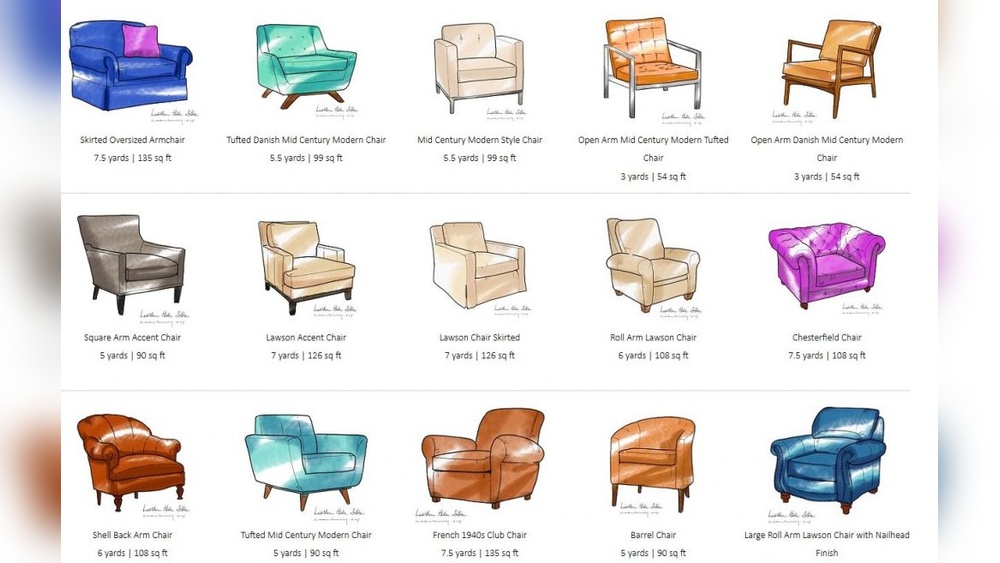
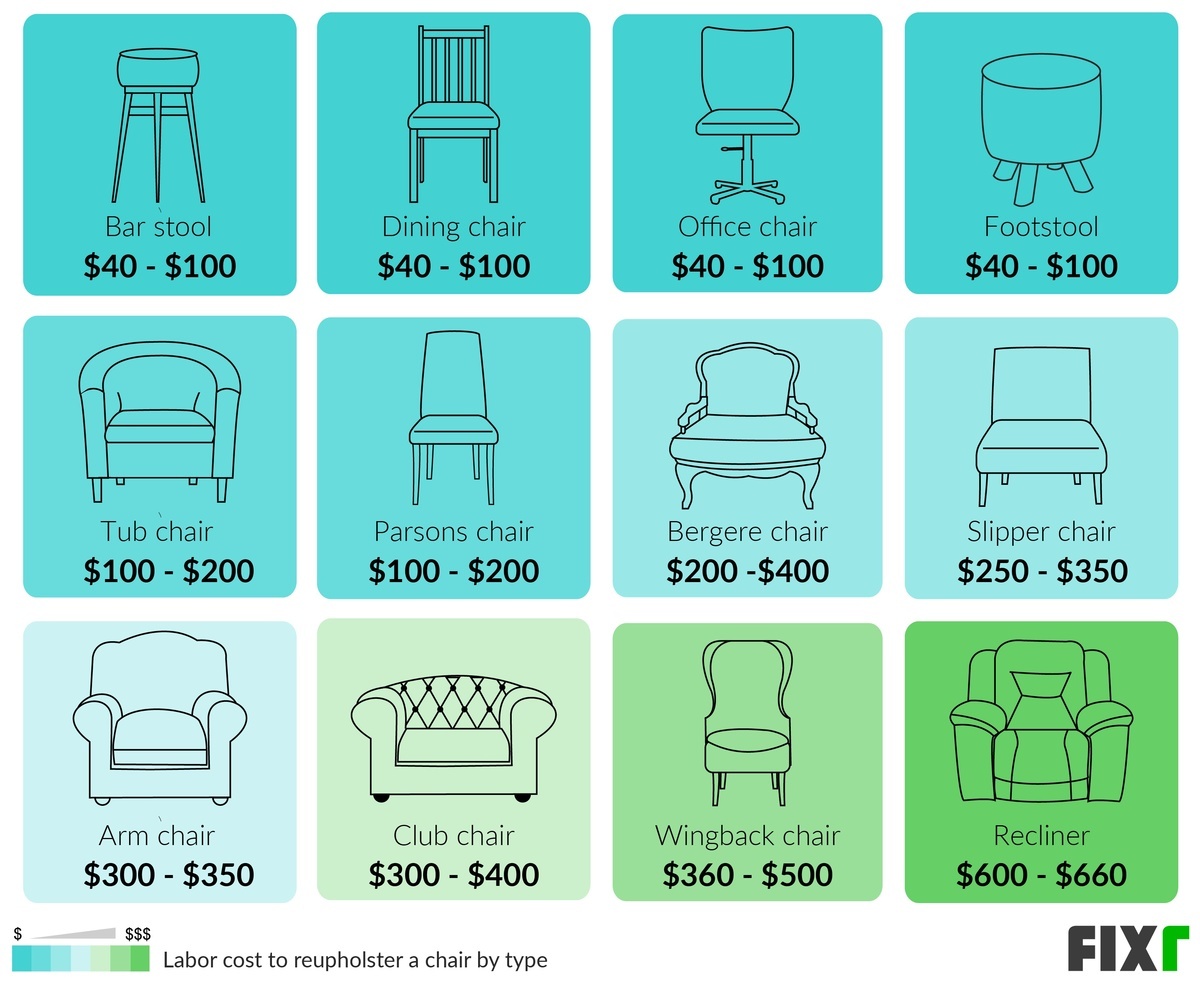
Typical Fabric Requirements By Chair Type
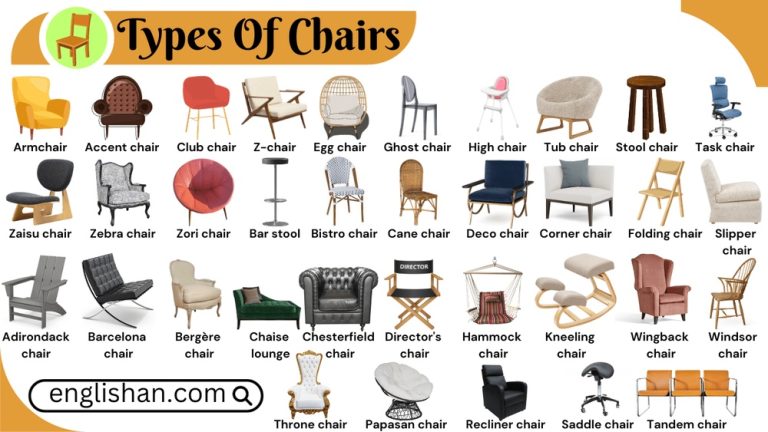
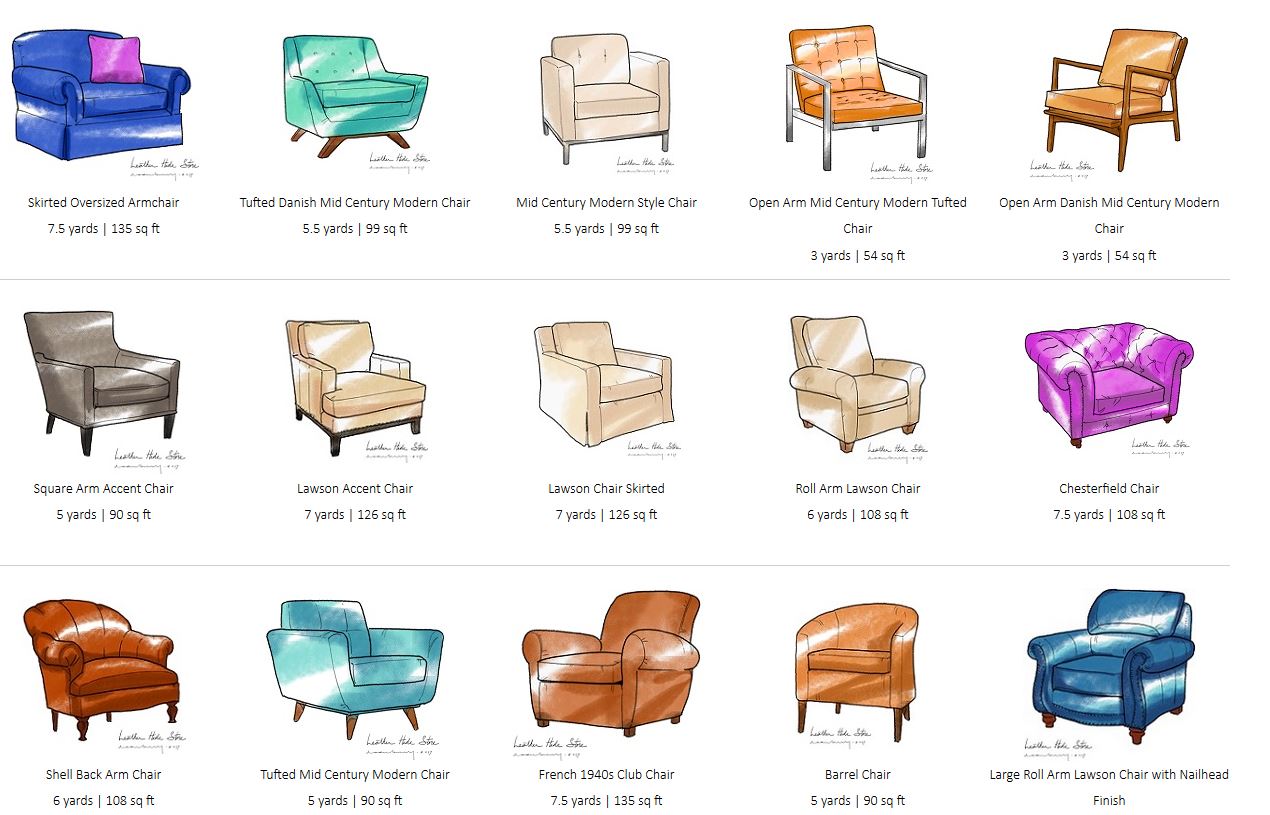
Different chairs need different amounts of fabric. Here are common chair types and their average requirements.
Armchair
A standard armchair usually needs 5 to 7 yards of 54-inch wide fabric. This includes the seat, back, arms, and sometimes a cushion.
Dining Chair
Simple dining chairs with a padded seat often require 1 to 2 yards per chair. If the back is also upholstered, add another yard.
Wingback Chair
Wingback chairs are larger and more complex. They often need 6 to 8 yards of fabric. Tufting or skirts may increase this amount.
Club Chair
Club chairs, which have deep seats and rounded arms, usually require 5 to 6 yards. Add more for matching patterns.
Side Chair
A small side chair or slipper chair often takes 3 to 4 yards.
Recliner
Recliners are more complex. Many need 7 to 9 yards of fabric, depending on size and details.
Here’s a quick reference for common chair types:
| Chair Type | Average Yardage (54” fabric) |
|---|---|
| Armchair | 5, 7 yards |
| Dining Chair (seat only) | 1, 2 yards |
| Wingback Chair | 6, 8 yards |
| Club Chair | 5, 6 yards |
| Side Chair | 3, 4 yards |
| Recliner | 7, 9 yards |
These are averages. Always measure your own chair for accuracy.

Credit: www.stlmag.com
Step-by-step Fabric Estimation
To get a precise estimate, break your chair into sections. Here’s a process you can follow:
Step 1: List All Sections
Write down every area that needs new fabric. This often includes:
- Seat (top, sides, bottom)
- Backrest (front and back)
- Arms (inside and outside)
- Skirt (if any)
- Loose cushions
Step 2: Measure Each Section
For each section, measure the widest and longest points. Add 1, 2 inches to each measurement for seam allowances and tucking.
Step 3: Calculate Area
Multiply width by length for each section to get the square inches. Add all the sections together.
Step 4: Convert To Yardage
There are 1,944 square inches in one yard of 54-inch wide fabric (36 inches x 54 inches). Divide your total square inches by 1,944 to get the number of yards needed. Round up to the next whole number.
Example Calculation:
Suppose your chair has the following sections (all measurements include seam allowances):
- Seat: 24” x 24” = 576 sq in
- Back (front): 22” x 24” = 528 sq in
- Back (back): 22” x 24” = 528 sq in
- Each arm: 10” x 24” x 2 = 480 sq in
Total: 576 + 528 + 528 + 480 = 2,112 sq in
2,112 ÷ 1,944 = 1.09 Yards
Add 10% for error and pattern matching: 1.09 x 1.1 = 1.2 yards (round up to 2 yards).
This method ensures you get a close estimate, even for unusual chair shapes.
How Patterns And Fabric Direction Affect Yardage
If you choose a patterned fabric, you’ll need to consider pattern repeats and fabric direction.
Pattern Repeat
Pattern repeat is how often the design repeats on the fabric. Large repeats (over 6 inches) require more fabric to ensure the pattern lines up at seams. Always check the repeat size on the fabric label or ask your supplier.
Pro Tip: If your chair has multiple cushions or panels, buy extra fabric, typically an additional half yard for small repeats or a full yard for large repeats.
Fabric Direction
Some fabrics have a nap (like velvet or corduroy) or directional pattern. All pieces must be cut in the same direction for a consistent look. This can increase the required yardage.
Matching Multiple Chairs
If you are reupholstering a set (like four dining chairs), you can sometimes save fabric by cutting pieces more efficiently. However, matching patterns across chairs may require extra.
Here’s a comparison of single versus multiple chairs:
| Number of Chairs | Seat Only (Per Chair) | Total for Set |
|---|---|---|
| 1 | 1 yard | 1 yard |
| 4 | 1 yard | 3, 4 yards |
| 6 | 1 yard | 5, 6 yards |
Cutting all seats at once can reduce waste, but always buy a little extra for insurance.
Choosing The Right Upholstery Fabric
The type of fabric you choose also affects how much you’ll need. Heavier fabrics may be harder to stretch, while thin fabrics may require more careful handling.
Fabric Types
- Cotton: Easy to work with, often wide, available in many patterns.
- Linen: Breathable but wrinkles easily.
- Velvet: Has a nap, needs extra care and more fabric for matching.
- Leather/Vinyl: Usually comes in smaller pieces; may need more seams.
Check that your chosen fabric is durable enough for furniture use. Look for labels like “heavy-duty” or “upholstery grade.”
Durability And Martindale Rating
The Martindale rating measures fabric durability. For chairs used daily, a higher rating (over 15,000 cycles) is best. For decorative chairs, lighter fabrics may be fine.
Common Mistakes To Avoid
Many beginners run into the same issues when estimating fabric. Here are some pitfalls to watch for:
- Not measuring every section: Skipping small areas like the back or sides can leave you short on material.
- Ignoring pattern repeat: Underestimating the extra fabric for matching patterns is a common error.
- Forgetting seam allowances: Always add 1, 2 inches per edge to every piece.
- Using the wrong fabric width: Calculate based on the actual width, not just standard sizes.
- Buying too little extra: It’s better to have a little left over than not enough to finish.
Practical Tips For Buying Upholstery Fabric
- Take your measurements with you: Bring a list to the fabric store.
- Ask for a fabric sample: This helps with color, feel, and fit.
- Buy from the same dye lot: Colors can vary between batches.
- Order a little extra: Especially for patterned fabrics or first-time projects.
- Keep your receipts: Some stores allow returns for unused, uncut yardage.
In my experience, it’s always wise to buy at least half a yard more than you think you need. Unexpected issues, a miscut piece, a stain, or a future repair, are common.
Working With A Professional Upholsterer
If you’re not confident in your measurements, consider consulting a professional. Many upholsterers will estimate fabric needs for you, sometimes for free if you use their services. They’ll also know how to handle tricky patterns, curves, and special details.
If you choose to do it yourself, double-check your numbers and don’t rush. Take photos of each section as you measure, they can help you remember complex shapes later.
Sample Fabric Calculations For Different Chairs
Here are real-world examples to illustrate different scenarios.
Example 1: Simple Dining Chair
- Seat: 18” x 18” = 324 sq in
- Back: 18” x 16” = 288 sq in
- Total: 324 + 288 = 612 sq in
- 612 ÷ 1,944 = 0.31 yards (add 10% = 0.34 yards; round up to 1 yard per chair)
Example 2: Tufted Armchair
- Seat: 24” x 24” = 576 sq in
- Back (tufted): 24” x 30” = 720 sq in (add 20% for tufting: 864 sq in)
- Arms: 12” x 24” x 2 = 576 sq in
- Skirt: 60” x 12” = 720 sq in
- Total: 576 + 864 + 576 + 720 = 2,736 sq in
- 2,736 ÷ 1,944 = 1.4 yards (add 10% = 1.54 yards; round up to 2 yards)
But, because of complexity and curves, professional upholsterers would recommend 5, 6 yards for a tufted armchair.
Example 3: Wingback Chair With Patterned Fabric
- Multiple sections, each with large surface area and pattern repeat
- Estimate: 7, 8 yards (always round up for large patterns)
Credit: stofensteen.com
Pros And Cons Of Diy Vs. Professional Upholstery
Before you start, consider the advantages and challenges of tackling upholstery yourself.
| DIY Upholstery | Professional Upholstery |
|---|---|
| – Lower cost – Customization – Learning experience |
– Expert finish – Handles complex shapes – Less stress |
| – Risk of mistakes – Time-consuming – May need special tools |
– Higher cost – Less control over fabric selection |
Choose what fits your budget, skill, and project goals.
Where To Buy Upholstery Fabric
You can find upholstery fabric at:
- Local fabric stores (look for upholstery sections)
- Online retailers with large selections
- Specialty upholstery suppliers
Check reviews and return policies before buying online. For more guidance on fabric types, visit Sponsored / affiliate links. As an Amazon Associate I earn from qualifying purchases. I may earn additional commission from eligible campaigns.Products related to this article