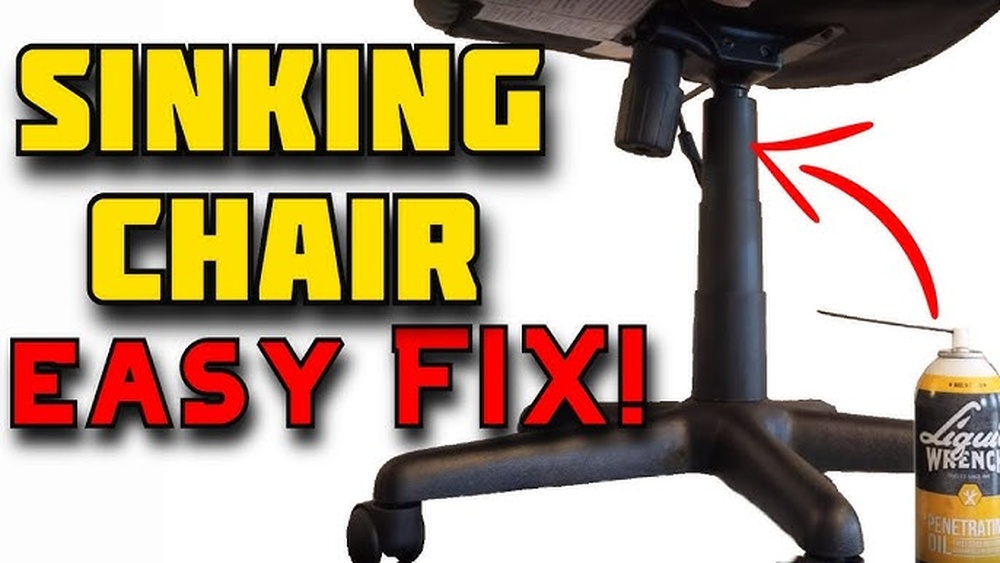
How to Fix Hydraulics on Office Chair: Easy DIY Guide
Few things are more frustrating at work than an office chair that sinks every time you sit down. The hydraulic lift mechanism in an office chair is what lets you adjust the height smoothly. When it fails, you lose comfort, posture, and productivity. While it may seem complicated, fixing the hydraulics on an office chair is not only possible, it’s often a straightforward DIY task. This guide will walk you through everything you need to know, from understanding how the mechanism works to detailed repair steps and practical advice for lasting results.
How Office Chair Hydraulics Work
Before trying to fix your chair, it helps to understand what’s happening inside. Most office chairs use a pneumatic cylinder filled with pressurized gas. When you pull the lever, a valve opens. This lets the gas move freely, raising or lowering the seat. The cylinder itself is sealed, but over time, seals can wear out or the gas can leak, causing the chair to sink.
A typical hydraulic system has these main parts:
- Gas lift cylinder (the “hydraulic”)
- Piston rod (moves in and out of the cylinder)
- Height adjustment lever
- Valve mechanism (controls the gas flow)
When the gas escapes or the seal inside the cylinder is damaged, the piston can’t hold its position. The result? Your chair sinks slowly, or sometimes drops suddenly, when you sit down.
Signs Your Chair’s Hydraulics Need Repair
- Chair sinks when you sit, even after adjusting height
- Height adjustment lever feels loose or unresponsive
- Chair won’t stay at the set height
- Hissing or air-leak noises when adjusting
If you notice any of these, your chair’s hydraulic system likely needs attention.
Should You Fix Or Replace The Hydraulic Cylinder?
Not all problems require a new chair. Many times, you can repair or replace just the gas lift cylinder. Here’s a quick comparison of your options:
| Solution | Cost Range | Effort | Longevity |
|---|---|---|---|
| DIY Repair (temporary fix) | $0, $5 | Low | Weeks to months |
| Replace Gas Cylinder | $15, $40 | Medium | Years |
| Buy New Chair | $70, $400+ | High | Years |
Pro Tip: If your chair is high-quality or expensive, replacing just the gas cylinder is almost always worth it. For budget chairs, a quick fix might be enough.

Credit: www.youtube.com
Tools And Materials You’ll Need
Gather these before you start:
- Adjustable wrench or pipe wrench
- Screwdrivers (Phillips and flat-head)
- Rubber mallet (optional, but helpful)
- Replacement gas lift cylinder (if doing a full repair)
- Old towels or cardboard (to protect floor)
- Strong tape, PVC pipe, or hose clamp (for temporary fixes)
- Lubricant spray (e.g., WD-40) for stuck parts
- Safety glasses and gloves (recommended)
Safety First
Working with office chair hydraulics is generally safe, but always wear safety glasses to prevent debris from getting in your eyes, especially when removing stuck parts.
Quick Temporary Fixes For Sinking Chairs
If you need a fast solution while waiting for parts, try one of these temporary methods. These won’t restore the full function, but they’ll keep your chair at a fixed height.
1. Using A Hose Clamp
This is the most popular quick fix.
- Lower the chair to your preferred height.
- Slide a strong hose clamp (about 2 cm wide) around the top of the cylinder (the shiny metal part).
- Tighten the clamp with a screwdriver so it grips the cylinder firmly.
- The clamp will now hold the seat in place and stop it from sinking.
Example: In my experience, the hose clamp method worked for six months on a worn-out chair before I needed a permanent replacement.
2. Pvc Pipe Sleeve
A piece of PVC pipe can also do the trick.
- Measure the exposed part of the cylinder when the chair is at the right height.
- Cut a length of PVC pipe to match this measurement. The inner diameter should fit snugly over the cylinder.
- Split the pipe lengthwise, then snap it over the cylinder.
- The pipe acts as a sleeve, keeping the chair from dropping lower.
3. Duct Tape Wrap
For a very short-term fix, wrapping the cylinder with strong duct tape can hold it up for a few days. This only works if you don’t adjust the height often and need a stop-gap solution.
How To Replace The Gas Lift Cylinder
A full cylinder replacement restores all chair functions and usually lasts as long as a new chair. Here’s how to do it, step by step.
Step 1: Remove The Old Cylinder
- Turn the chair upside down on a protected surface.
- Remove the base (the wheels and legs) by gently pulling or using a rubber mallet to tap it loose.
- Locate the gas cylinder. It is usually pressed into both the base and the seat mechanism.
- Use a pipe wrench to grip the cylinder near the base. Twist and pull until it comes free. If it’s stuck, use lubricant and allow it to soak in for a few minutes.
Step 2: Install The New Cylinder
- Insert the new gas cylinder into the chair base.
- Place the base back onto the chair seat mechanism.
- Sit on the chair to press everything together firmly.
Step 3: Test The Chair
Adjust the height using the lever. If the chair moves smoothly and stays in place, the repair was successful.
Warning: Never try to open the gas cylinder itself. The pressurized gas inside can cause injury if released suddenly.
Common Mistakes To Avoid
Fixing chair hydraulics is simple, but some errors can cause more problems:
- Using the wrong size replacement cylinder. Always match the diameter and length with your old one.
- Not tightening the hose clamp enough on a temporary fix.
- Forcing stuck parts without proper tools or lubricant.
- Trying to refill or open the old gas cylinder.
- Forgetting to protect your floor, leading to scratches or stains.
Choosing The Right Replacement Cylinder
Not all office chairs use the same gas lift. Here’s what to look for when buying a replacement:
Key Factors
- Diameter: Most cylinders are about 2 inches wide, but measure yours for accuracy.
- Length: Measure the full length of the exposed cylinder at maximum extension and minimum.
- Stroke: This is the distance the chair rises and lowers.
- Mount type: Check if your chair uses a standard cone or another attachment.
| Feature | Standard Size | What to Check |
|---|---|---|
| Diameter | 2 inches | Measure both ends |
| Stroke | 4, 6 inches | How much height you need |
| Mount Type | Cone | Match to chair base |
Pro Tip: Always double-check the return policy before buying a cylinder online, in case the fit isn’t correct.
When To Call A Professional Or Buy A New Chair
Sometimes, the cost or complexity of repair isn’t worth it. Consider replacing the chair or calling an expert if:
- The chair frame or seat is damaged, not just the hydraulics.
- The gas cylinder is welded or glued in place.
- You need the chair for heavy use (e.g., 8+ hours a day) and want maximum reliability.
- You have a specialty or ergonomic chair with unique parts.
If you’re unsure, check the manufacturer’s website or manual for parts and repair information. Some brands offer replacement parts or repair services. For further guidance, see Wikipedia’s Office Chair article.
Preventing Future Hydraulic Problems
Extend your chair’s life with these simple habits:
- Avoid sitting down hard, this puts extra pressure on the cylinder.
- Don’t use the chair beyond its weight limit (usually 250, 350 lbs for standard chairs).
- Keep the chair clean and dry. Liquids can corrode the seals.
- Lubricate moving parts once or twice a year.
- Check the height adjustment lever for looseness and tighten screws if needed.
Environmental Impact: Repair Vs. Replace
Repairing your chair instead of replacing it can help reduce waste. Around 8. 5 million tons of office furniture end up in US landfills each year (US EPA, 2018). By fixing your hydraulics, you help the environment and save money.

Credit: www.youtube.com
Real-world Example: My Experience Fixing A Sinking Chair
When my own office chair started sinking, I first tried the hose clamp method. It held the seat in place for almost half a year. Eventually, I decided to replace the cylinder because I missed the ability to adjust the height. The full replacement took under 30 minutes and cost about $25. The chair feels brand new, and the repair was much easier than expected. This experience taught me that most people can handle this repair without special skills.
Comparing Diy Repair, Replacement, And Buying New
Here’s a final summary to help you decide:
| Option | Cost | Tools Needed | Time Required | Pros | Cons |
|---|---|---|---|---|---|
| Quick DIY Fix | $0, $5 | Clamp, tape, or pipe | 5, 15 min | Easy, fast, no parts needed | No height adjustment |
| Replace Cylinder | $15, $40 | Wrench, screwdriver | 20, 40 min | Restores function, long-lasting | Some effort, need correct part |
| New Chair | $70, $400+ | None | 1, 2 hrs (assembly) | All new parts, warranty | Expensive, wasteful |
Frequently Asked Questions
What Causes Office Chair Hydraulics To Fail?
Most failures come from worn-out internal seals inside the gas cylinder. Over time, these seals dry out or crack, allowing gas to leak. Repeated heavy use, sudden impacts, or exposure to heat can speed up this process.
Can I Refill Or Repair The Gas Lift Cylinder Itself?
No. Office chair gas cylinders are factory-sealed and contain pressurized gas. Attempting to open, refill, or repair them can be dangerous and is not recommended. Always replace the whole cylinder if it fails.
Is It Worth Fixing An Old Chair, Or Should I Buy New?
If the chair is comfortable, stable, and otherwise in good shape, replacing the gas cylinder is usually the best value. For very old, damaged, or low-cost chairs, a replacement might make more sense. Weigh the cost of parts and your time against the price of a new chair.
Can I Use Any Gas Cylinder, Or Do I Need A Specific Type?
You need a cylinder that matches your chair’s size and mount type. Most office chairs use a standard size, but always measure your old cylinder and check the specifications before buying a replacement. Specialty chairs may require custom parts.
Are There Eco-friendly Ways To Dispose Of A Broken Office Chair?
Yes. Many local recycling centers accept office furniture and metal parts. Some charities or refurbishment programs may take usable parts. Always check with your local waste management authority for recycling options instead of sending the chair to a landfill.
Fixing the hydraulics on your office chair can save you money, reduce waste, and restore comfort to your workday. With the right tools and a little patience, most people can handle this repair at home. Whether you choose a quick fix or a full replacement, you’ll be back to working comfortably in no time.
Products related to this article
Sponsored / affiliate links. As an Amazon Associate I earn from qualifying purchases. I may earn additional commission from eligible campaigns.