Toilet Standard Height vs Chair Height vs Comfort Height Compared
Choosing the right toilet for your home seems simple at first. But when you start comparing standard height, chair height, and comfort height toilets, the options quickly become confusing. Each type offers unique benefits, and drawbacks, that can make a big difference for your daily comfort, accessibility, and even long-term health. People often overlook these details, but they affect everyone from young kids to seniors. Let’s explore how these toilet heights work, what makes them different, and how to pick the best option for your needs.
What Is Toilet Height And Why Does It Matter?
Toilet height is the distance from the floor to the top of the toilet seat. It’s not just a matter of style or fashion. The height affects how easy it is to sit down and stand up, especially for people with mobility challenges, seniors, or taller users.
The right height can also help with posture and prevent strain on your knees and hips.
A surprising insight: Most people don’t realize that toilet height standards were created decades ago for average adults. As family needs, body types, and accessibility laws changed, new heights became popular. So, what was “normal” years ago might not suit you now.
Measuring Toilet Height
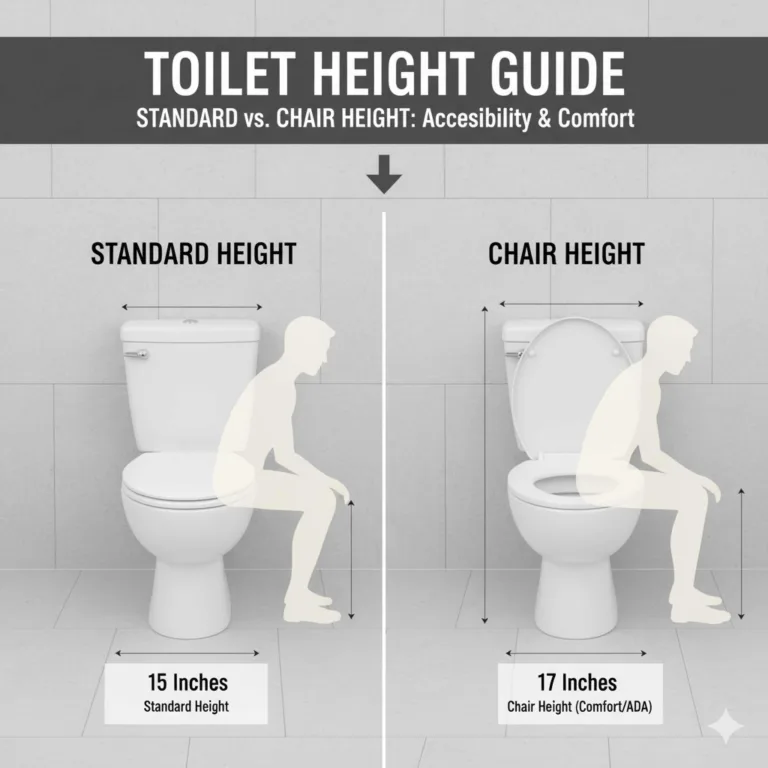
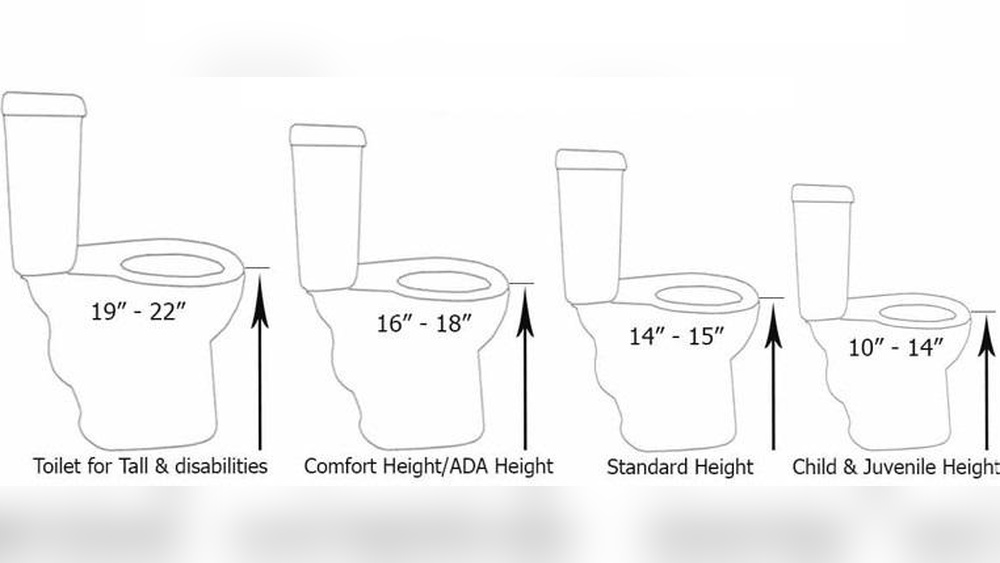
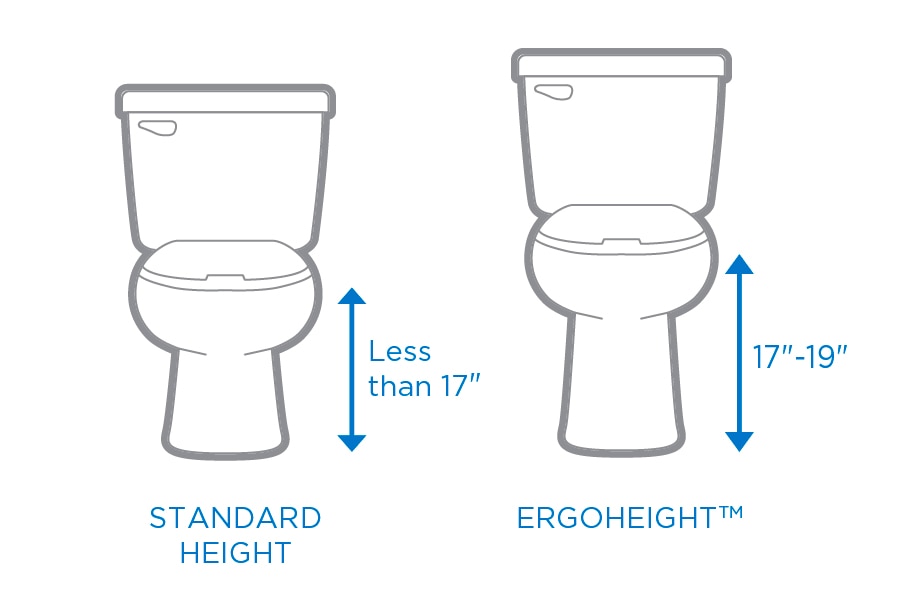
- Standard height: Usually 15 inches from floor to seat
- Chair height: Around 17, 19 inches
- Comfort height: 17, 19 inches (often used interchangeably with chair height)
These measurements can seem close, but even a two-inch difference can be noticeable every day. In my experience, the change feels small at first, but after a week, you realize how much easier it is to use the right height.
Standard Height Toilets: The Traditional Choice
Standard height toilets are the classic option found in most homes built before the 2000s. They sit about 15 inches high, which matches the height of many old chairs. This height works well for children and shorter adults, making them easy to use for families.
Benefits Of Standard Height Toilets
- Comfort for shorter users: Young children and petite adults find it easier to get on and off.
- Natural posture: Sitting lower can help position your hips for better bowel movements, according to some health experts.
- Classic look: Many traditional bathrooms use standard height toilets for a timeless design.
Drawbacks Of Standard Height Toilets
- Difficult for seniors: Lower seats can be hard for people with knee or hip issues.
- Accessibility issues: Not suitable for wheelchair users or those with mobility aids.
- Less popular in new builds: Modern homes and public spaces often choose higher toilets.
Pro Tip: If your household includes small children or you prefer a traditional bathroom look, standard height toilets are a safe choice. But think about future needs, many people upgrade later.
Chair Height Toilets: Meeting Accessibility Needs
Chair height toilets are designed to match the height of a regular chair, about 17 to 19 inches from floor to seat. This height became popular as accessibility laws, like the Americans with Disabilities Act (ADA), required easier access for everyone. Chair height toilets are now common in public buildings, hotels, and newer homes.
Benefits Of Chair Height Toilets
- Easier to sit and stand: Reduces strain for seniors, people with disabilities, and tall adults.
- ADA compliance: Meets standards for accessibility in public spaces.
- Modern style: Many new toilets are designed with chair height as default.
Drawbacks Of Chair Height Toilets
- Too high for children: Young kids may struggle to reach the seat comfortably.
- Not ideal for shorter adults: Can cause feet to dangle, leading to discomfort.
- Potential posture issues: Some health professionals say higher seats may not support natural bowel movements.
Warning: If you’re choosing for a family bathroom, test the height with all users first. Chair height toilets work well for accessibility, but may not suit everyone.
Comfort Height Toilets: A Marketing Twist
Comfort height is a marketing term used by toilet manufacturers. It usually means a toilet with a seat height of 17, 19 inches, just like chair height. Brands like Kohler and American Standard use “comfort height” to suggest an easier, more comfortable experience, especially for seniors and taller users.
What Makes Comfort Height Unique?
- Branding: “Comfort height” sounds appealing and is often promoted as the solution for aging in place.
- ADA overlap: Comfort height toilets almost always meet ADA standards.
- Variety: Many popular models offer comfort height options, giving you more choices in design and features.
Real Differences
There is little technical difference between chair height and comfort height toilets. The main variation is in the branding and how companies market their products. However, comfort height toilets often come with advanced features, like soft-close lids or improved flushing, that aren’t always included in basic chair height models.
Example: When shopping at major home improvement stores, you’ll see “comfort height” labels more than “chair height.” This is simply marketing, not a new type of toilet.

Credit: www.homedit.com
Comparing Toilet Heights: Side-by-side Data
To make the differences clearer, let’s look at the main features in a comparison table:
| Feature | Standard Height | Chair Height | Comfort Height |
|---|---|---|---|
| Seat Height | 15 inches | 17, 19 inches | 17, 19 inches |
| Best For | Children, short adults | Seniors, tall adults, disabled | Seniors, tall adults, disabled |
| ADA Compliant | No | Yes | Yes |
| Popularity | Traditional homes | New homes, public spaces | Modern homes, aging in place |
| Posture | Natural squat | Less squat, more upright | Less squat, more upright |
Health And Ergonomics: What Science Says
Toilet height does not only affect comfort, it impacts your health. Sitting too high or too low can change how your body eliminates waste.
Squatting Vs Sitting
Many doctors believe that a lower seat helps you “squat,” which relaxes muscles and allows for easier bowel movements. This is why squat toilets are common in parts of Asia. Standard height toilets come closer to this posture, but may be harder for elderly users.
Chair and comfort height toilets promote an upright, sitting position. This is easier for most adults, but some experts say it can lead to straining. Studies published in the Digestive Diseases and Sciences journal found that squatting can reduce time and effort during defecation.
Example: If you or your family struggle with constipation, a lower seat or a footstool may help. Some people use a “toilet stool” like the Squatty Potty to mimic squatting even on chair height toilets.
Ada And Accessibility
The ADA requires public toilets to be at least 17 inches high. This ensures easier transfers from wheelchairs and less strain for people with mobility challenges. Many private homes now choose these heights to support aging relatives or future needs.
Pro Tip: If you have elderly family members, consider comfort height toilets for safer, easier use. But balance this with the needs of younger children and shorter adults.
Real-life Examples: Who Should Choose Which Height?
Every home is different. Here’s how real families and users decide:
Families With Young Children
Standard height toilets make it easier for kids to use the bathroom independently. Chair height toilets may require a step stool, which can be risky or inconvenient.
Seniors Or People With Mobility Issues
Comfort height toilets help older adults avoid deep bends and reduce falls. They are also easier to transfer onto from walkers or wheelchairs.
Tall Adults
Chair or comfort height toilets feel more natural for taller users. They avoid awkward squatting and make sitting down and standing up faster.
Multi-generational Homes
If your household has both young kids and seniors, you may need to install two different toilets or add a step stool to a comfort height toilet.
Example: In my experience, mixing heights in a home can solve the needs of all users, but requires careful planning.
Buying Guide: What To Consider Before Choosing Toilet Height
When shopping for a new toilet, height is only one factor. Here’s what else matters:
- Measure your bathroom: Check space for installation, especially if switching heights.
- Test seat comfort: Visit a showroom and sit on different models.
- Check ADA requirements: If you’re remodeling for accessibility, make sure the toilet meets the ADA standard.
- Think about all users: Consider children, seniors, and anyone with mobility issues.
- Look for extra features: Soft-close lids, bidet attachments, and water efficiency are important.
- Consider resale value: Homes with comfort height toilets may appeal more to older buyers.
Warning: Don’t pick based on marketing alone. “Comfort height” and “chair height” often mean the same thing. Check the actual measurement before buying.
Credit: www.gerber-us.com
Cost Differences: Are Higher Toilets More Expensive?
Price varies more by brand and features than by height. However, comfort height toilets are often newer, with advanced options, so they can be slightly more expensive.
Typical Price Ranges
- Standard height: $150, $350 (basic models)
- Chair height: $200, $400 (mid-range models)
- Comfort height: $250, $500 (premium models)
You can find deals or discounts, but higher toilets may cost more to install, especially if your bathroom needs adjustments.
Installation Considerations
Switching toilet heights can require changes to your plumbing or bathroom layout. Standard height toilets usually fit older bathrooms without modification. Chair and comfort height models sometimes need taller supply lines or wider clearance.
Example: A plumber may charge extra to install a comfort height toilet if your old model was standard height. Ask for a quote before buying.
Comparing Popular Models And Brands
Many brands offer all three heights, but some focus on comfort or chair height toilets. Here’s a comparison of popular options:
| Brand | Standard Height Model | Chair/Comfort Height Model | Special Features |
|---|---|---|---|
| Kohler | Wellworth | Highline Comfort Height | Soft-close seat, water-saving flush |
| American Standard | Cadet | Champion Comfort Height | Power flush, easy clean surface |
| TOTO | Drake | Drake Universal Height | Bidet option, powerful flush |
Always check the actual seat height in the specifications. “Comfort height” and “universal height” often mean the same as chair height.
Accessibility And Legal Standards
Accessibility is a legal requirement in many public spaces. The ADA mandates toilets with a seat height of at least 17 inches. If you’re building or remodeling a bathroom for public use, check local codes.
For private homes, there are no strict laws, but choosing an accessible toilet can help future-proof your house. Many real estate agents recommend comfort height toilets for homes with seniors.
Pro Tip: If you’re remodeling, consult a certified plumber or accessibility expert. Mistakes can be costly and hard to fix.
Cleaning And Maintenance
Toilet height can affect cleaning. Standard height toilets are lower, making it harder for tall users to clean around them. Chair and comfort height toilets are easier to reach underneath.
Some brands offer special features for easier cleaning, such as:
- Glazed surfaces
- Easy-remove seats
- Water-saving flush systems
Choose a toilet that suits both your cleaning habits and physical needs.
Common Mistakes When Choosing Toilet Height
Many buyers make mistakes that lead to discomfort or expensive changes later. Here are some pitfalls to avoid:
- Ignoring all users: Picking a toilet for one person can make it hard for others to use.
- Trusting marketing terms: “Comfort height” is not always more comfortable. Check measurements.
- Skipping a test: Always sit on a model before buying if possible.
- Not considering children: Higher toilets are unsafe for young kids without a stool.
- Forgetting resale value: Unique choices can make selling your home harder.
Warning: Don’t assume expensive means better. The best toilet is the one that fits your family and lifestyle.
Environmental Factors
Toilet height doesn’t affect water use, but newer comfort height models often include water-saving features. Look for toilets with EPA WaterSense certification for lower water bills and better environmental performance.
Style And Design Choices
Modern toilets come in many shapes, colors, and styles. Comfort height toilets are often available in sleeker designs, while standard height models have a more classic look.
Choose a style that matches your bathroom but prioritize function over appearance.

Credit: www.bathbutlerbidets.com
Final Thoughts: Which Toilet Height Is Best For You?
The best toilet height depends on your family, health needs, and bathroom design. Standard height toilets work for children and those who prefer a natural posture. Chair height and comfort height toilets are better for seniors, tall adults, and anyone with mobility challenges.
Before you decide, test different heights, consider all users, and don’t let marketing terms confuse you. If you need accessibility, choose chair or comfort height. For traditional homes or young families, standard height may be best.
For more detailed ADA guidelines, check out the official ADA Toilet Standards.
Frequently Asked Questions
What Is “universal Height” In Toilets?
“Universal height” is another term used by brands like TOTO, meaning the toilet seat is about 17, 19 inches high. It’s designed to suit most adults, including seniors and taller users. Universal height toilets usually meet ADA standards and are similar to comfort height toilets.
Can I Use A Toilet Stool With Chair Or Comfort Height Toilets?
Yes. A toilet stool (like the Squatty Potty) can help recreate a squatting posture, even with higher toilets. This can make bowel movements easier and reduce strain. Always check that the stool fits under your toilet and is stable.
Are Comfort Height Toilets Suitable For Children?
Comfort height toilets are often too tall for young children. Kids may need a step stool,
Products related to this article
Sponsored / affiliate links. As an Amazon Associate I earn from qualifying purchases. I may earn additional commission from eligible campaigns.