Chair Height vs Standard Toilet: Which Is Best for Your Bathroom?
When you think about comfort and usability in your bathroom, the height of your toilet might not be the first thing that comes to mind. Yet, for many people, especially seniors, those with mobility issues, or even tall adults, the choice between a chair height toilet and a standard toilet can make a huge difference in daily life. The right toilet height can improve accessibility, reduce strain, and even help prevent falls. But what exactly are the differences, and which is best for your home?
I’ve worked with homeowners and heard from occupational therapists about the real-life impact of toilet height. Even small changes can transform the bathroom experience, but there’s more to the decision than just comfort. Let’s look at the facts, the pros and cons, and help you decide which option fits your needs.
What Is A Standard Toilet?
A standard toilet is what most people have used all their lives without a second thought. These toilets are sometimes called “regular height” or “traditional” toilets.
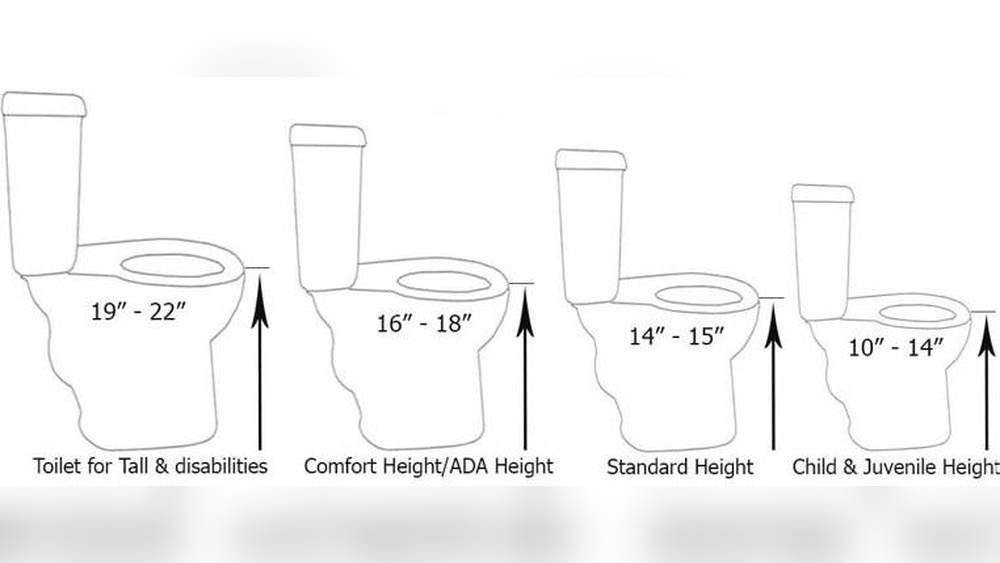
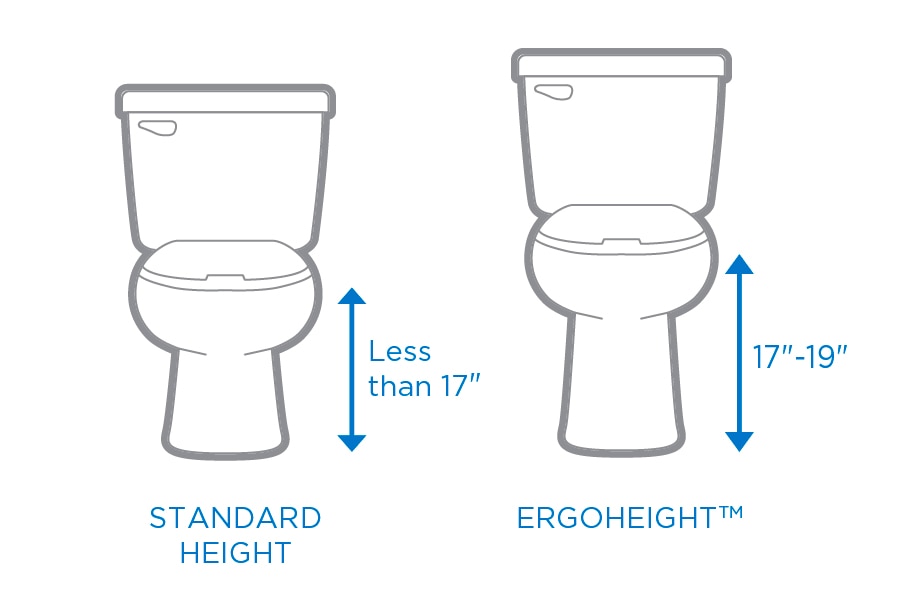
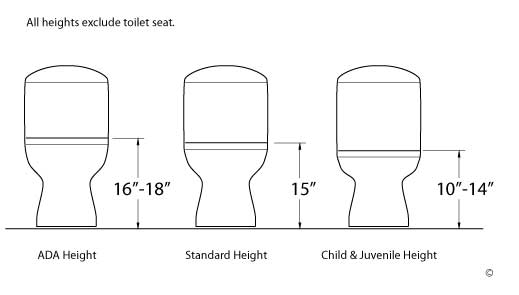
Standard toilets usually measure 14 to 15 inches from the floor to the top of the toilet seat. This height was the norm for decades and still appears in many homes, apartments, and public spaces.
Why was this height chosen? Originally, standard toilets were designed to suit the average adult male height in the early 20th century. Over time, people have grown taller, but the classic height has stuck around due to tradition and manufacturing standards.
Who Benefits From Standard Toilets?
Standard toilets often work well for:
- Children: Shorter height is easier for young kids to use independently.
- Short adults: People under 5’4″ may find standard toilets more comfortable.
- Small bathrooms: Lower toilets can make small spaces feel less cramped.
But while standard height might be familiar, it doesn’t fit everyone, especially as we age or face mobility challenges.
What Is A Chair Height Toilet?
Chair height toilets (also called “comfort height,” “ADA height,” or “right height” toilets) are designed to match the height of a typical chair seat. These toilets are usually 17 to 19 inches tall from floor to seat top.
This height closely matches the seat height of most dining chairs, which typically range from 17 to 19 inches. The aim is to make sitting down and standing up easier, especially for those who struggle with bending their knees or hips.
Why Did Chair Height Toilets Become Popular?
Chair height toilets gained popularity after the Americans with Disabilities Act (ADA) set standards for accessible design in public spaces. The ADA recommends toilets between 17 and 19 inches tall for easier use by people with limited mobility.
Now, many manufacturers offer chair height options for homes, not just public restrooms. These toilets are often labeled as “ADA compliant” or “comfort height” in stores.
Credit: www.gerber-us.com
Key Differences: Chair Height Vs Standard Toilet
It can be tricky to picture the real impact of a couple inches of height difference. Here’s a side-by-side comparison to clarify.
| Feature | Standard Toilet | Chair Height Toilet |
|---|---|---|
| Seat Height | 14-15 inches | 17-19 inches |
| Best For | Children, shorter adults, small spaces | Seniors, tall adults, mobility issues |
| ADA Compliance | No | Yes (if 17-19 inches) |
| Comfort Level | Traditional feel | Like sitting in a chair |
| Installation Cost | Lower in older homes | May be higher if retrofitting |
Who Should Choose Chair Height Toilets?
Many people don’t realize how much the right toilet height can help with daily independence. Here are groups who often benefit most:
Seniors And Aging Adults
As we age, joint pain, muscle weakness, and balance issues become more common. A chair height toilet reduces the distance you need to lower or lift yourself, making it easier, and safer, to use the bathroom without help. In my experience, seniors who switch to chair height toilets often report fewer bathroom falls and less strain on their knees.
People With Mobility Challenges
If you use a walker or wheelchair, a higher seat means transferring to and from the toilet is simpler. ADA-compliant heights make public and private bathrooms more accessible for those with disabilities.
Tall Adults
People over 6 feet tall may find standard toilets uncomfortably low, leading to cramped knees or awkward posture. Chair height toilets offer a more natural, comfortable sitting position.
Post-surgery Or Injury Recovery
Recovering from hip or knee surgery? Doctors and physical therapists often recommend a chair height toilet to avoid deep bending and protect healing joints.
Who Might Prefer Standard Height Toilets?
Chair height isn’t always better for everyone. There are cases where standard toilets are a better fit:
- Children: Little legs can dangle uncomfortably on higher seats, making standard toilets easier.
- Short adults: People under 5’4” may find their feet don’t touch the floor on a chair height toilet, causing discomfort or instability.
- Traditionalists: Some people simply prefer the classic feel and look of a standard toilet.
- Small bathrooms: Standard toilets save precious inches in tight spaces.
Comfort And Ergonomics: What Science Says
Comfort is subjective, but ergonomics, how your body interacts with objects, can be measured. The main ergonomic issue with toilet height is the angle of your knees and hips when seated.
On a standard toilet, the knees are higher than the hips, which some say helps with bowel movements. This is why squatty potty stools are popular, they mimic a squatting position, which can ease elimination.
Chair height toilets, however, keep knees and hips at a more level or slightly open angle, reducing the effort to sit and stand. For many, this extra few inches is all it takes to avoid pain or fatigue.
Warning: If you have chronic constipation or prefer a deep squat, you might find standard toilets (or using a footstool with a chair height toilet) more comfortable for bowel health.

Credit: www.homedit.com
Installation And Compatibility
Choosing a toilet isn’t just about height. Installation matters, especially if you’re replacing an existing unit.
Retrofitting Older Bathrooms
Older homes often have flooring, plumbing, or decor sized for standard toilets. Installing a chair height toilet may require:
- Adjusting the plumbing rough-in
- Replacing flooring around the toilet base
- Matching the new toilet’s look to existing fixtures
These changes can add cost or time to your project. If you’re upgrading for accessibility, consider whether a full bathroom remodel is needed.
Ada Compliance In Public Spaces
If you’re renovating a public restroom or a bathroom in a facility (hospital, school, office), ADA compliance is legally required in the US. This means at least one toilet must be 17-19 inches tall and have extra space for wheelchair access.
For home bathrooms, ADA standards are optional, but still a smart idea if you want your home to age with you.
Cost Comparison
Toilets range in price based on brand, features, and design. Height usually doesn’t add much cost, but installation can.
| Type | Average Unit Cost | Typical Installation Cost |
|---|---|---|
| Standard Toilet | $100, $300 | $150, $400 |
| Chair Height Toilet | $120, $350 | $170, $450 |
Pro Tip: If you’re replacing an old toilet, measure the distance from the wall to the bolts (the “rough-in”), don’t assume every toilet will fit your space.
Style And Design Choices
Both chair height and standard toilets now come in a wide range of styles: one-piece, two-piece, elongated or round bowls, high-efficiency flushing, and even bidet combos.
Elongated Vs. Round Bowls
Elongated bowls (oval-shaped) are often more comfortable, especially for adults, but they take up more space. Round bowls are better for small bathrooms.
Chair height toilets often have elongated bowls for maximum comfort, but round options are available if you need to save space.
Color And Material
Most toilets are made of vitreous china (glazed porcelain), which is durable and easy to clean. While white is the most common color, you can find beige, gray, and even black models to match your décor.
Accessibility And Universal Design
Universal design means creating spaces usable by everyone, regardless of age or ability. Chair height toilets are a key part of this approach.
By choosing a chair height toilet, you make your bathroom future-proof, ready for guests with disabilities, or for your own needs as you age. This can even add resale value to your home, as more buyers seek accessible features.
Example: When I helped my parents renovate their bathroom, we chose a chair height toilet. Even though they’re active now, it gives them peace of mind for the future and makes visits easier for older relatives.
The Impact On Health And Safety
A higher toilet seat reduces the effort needed to stand up, which is crucial for those with arthritis, knee replacements, or balance problems. Falls in the bathroom are a major risk for seniors, according to the CDC, 80% of home falls happen in the bathroom.
On the other hand, a too-high seat can make it hard for shorter users to stabilize themselves, increasing fall risk for them. The key is to match the toilet height to the main users.
Some studies suggest that lower toilets can help with bowel movements by putting the body in a more “squat-like” position. If you choose a chair height toilet but want the benefits of squatting, consider a footstool.
Common Mistakes When Choosing Toilet Height
Many people buy a new toilet without trying it first. Here are mistakes to avoid:
- Not considering user height: What works for a 6’2” person may be uncomfortable for someone 5’0”.
- Ignoring future needs: If you plan to age in place or have older relatives visit, a chair height toilet is a smart upgrade.
- Forgetting about children: Chair height toilets are hard for kids to use without a step stool.
- Overlooking space: Elongated, chair height toilets may not fit in very small bathrooms.
- Assuming all toilets are the same: Test out different heights at a showroom before buying.
Credit: www.handymanhome.com
Real-world Scenarios
Family With Young Children
A family with small kids may prefer a standard toilet for easier access. They can always add a raised seat or install a chair height toilet when the children grow older.
Multi-generational Home
Homes with both seniors and children should consider having at least one chair height toilet for adults and one standard toilet for kids. If only one bathroom is available, a step stool for kids can help bridge the gap.
Remodeling For Aging In Place
If you’re updating your bathroom to stay in your home long-term, a chair height toilet is a wise choice. Add grab bars and a non-slip floor for extra safety.
Environmental Considerations
Toilet height does not directly impact water usage, but modern chair height toilets often come with high-efficiency flushing systems. Look for the WaterSense label, which means the toilet uses 1.28 gallons per flush or less, a big improvement over old 3.5-gallon models.
Choosing a water-efficient toilet saves money and helps the environment, no matter the height.
Comparison Summary
Here’s a quick side-by-side look at the main points:
| Feature | Standard Toilet | Chair Height Toilet |
|---|---|---|
| Height (seat to floor) | 14, 15 inches | 17, 19 inches |
| ADA Compliant | No | Yes |
| Best for | Children, short adults | Seniors, tall adults, mobility issues |
| Available Styles | Wide variety | Wide variety |
| Space Requirements | Less | More |
How To Choose The Right Toilet Height
Choosing between chair height and standard toilets isn’t just about trends. Think about:
- Who will use it most? Consider height, age, and mobility.
- Will your needs change soon? Are you planning for aging in place?
- Do you have space for a larger toilet? Measure carefully.
- Do you want ADA compliance? Especially important for public spaces or multi-generational homes.
Pro Tip: Visit a plumbing showroom if possible. Sit down on both types of toilets (with shoes off) to see which feels better for your body.
When To Consult A Professional
If you’re unsure, talk to a plumber or occupational therapist. They can measure your space, assess your needs, and recommend the best option. For those with medical conditions, always consult your doctor or therapist before making changes to your bathroom setup.
For more information on ADA standards and accessible design, check the official ADA.gov website.
Frequently Asked Questions
What Is The Best Toilet Height For People With Knee Problems?
People with knee problems usually benefit from a chair height toilet (17, 19 inches). This reduces the distance you need to bend and makes standing up easier. However, always check with a physical therapist or doctor for personalized advice.
Are Chair Height Toilets Harder For Children To Use?
Yes, chair height toilets can be too tall for young children. Their feet may not touch the floor, making them feel unstable. If your household has children, consider a standard toilet or provide a sturdy step stool.
Can I Add A Raised Seat To A Standard Toilet Instead Of Replacing It?
Yes, toilet seat risers are available and can add 2 to 4 inches of height to a standard toilet
Products related to this article
Sponsored / affiliate links. As an Amazon Associate I earn from qualifying purchases. I may earn additional commission from eligible campaigns.