How to Clean Mold off Leather Sofa: Expert Tips for a Fresh Look
Leather sofas add style and comfort to any home, but they’re also prone to mold, especially in humid or damp conditions. Mold on leather isn’t just unattractive, it can damage the material, cause odors, and even lead to health problems like allergies.
Cleaning mold off a leather sofa takes careful steps to protect the leather and your health. This guide will walk you through everything you need to know, from identifying mold to deep cleaning, preventing future growth, and what to avoid.
Why Mold Grows On Leather Sofas
Leather is a natural material that absorbs moisture from the air. When humidity is high or if spills aren’t cleaned quickly, moisture stays trapped in the sofa. Mold spores, which are everywhere, find this damp environment perfect for growing. If your home has poor ventilation or your sofa sits near a window or wall, mold is even more likely.
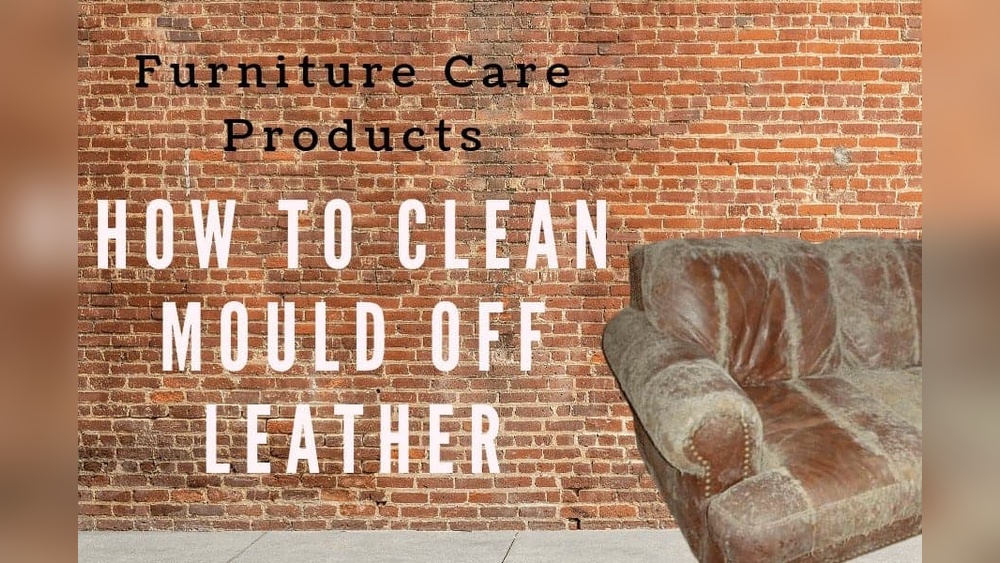
Apart from climate, everyday habits matter. For example, placing wet clothes or bags on your sofa or not drying it after cleaning can raise the risk. Mold can start as tiny dots, white, green, or black, often with a musty smell.
Left untreated, it spreads, weakens the leather, and ruins the look and feel.
Is Mold On Leather Dangerous?
Mold isn’t just a cosmetic issue. According to the Centers for Disease Control and Prevention (CDC), some molds release allergens and irritants. Mold on your sofa can affect indoor air quality, causing sneezing, coughing, or even asthma attacks for sensitive people. This is especially concerning for children, the elderly, or those with breathing problems.
Mold also breaks down leather’s natural fibers. If ignored, it can leave permanent stains, cracks, or a sticky texture. The longer you wait, the harder it is to save your sofa. Acting quickly not only protects your furniture but also your health.
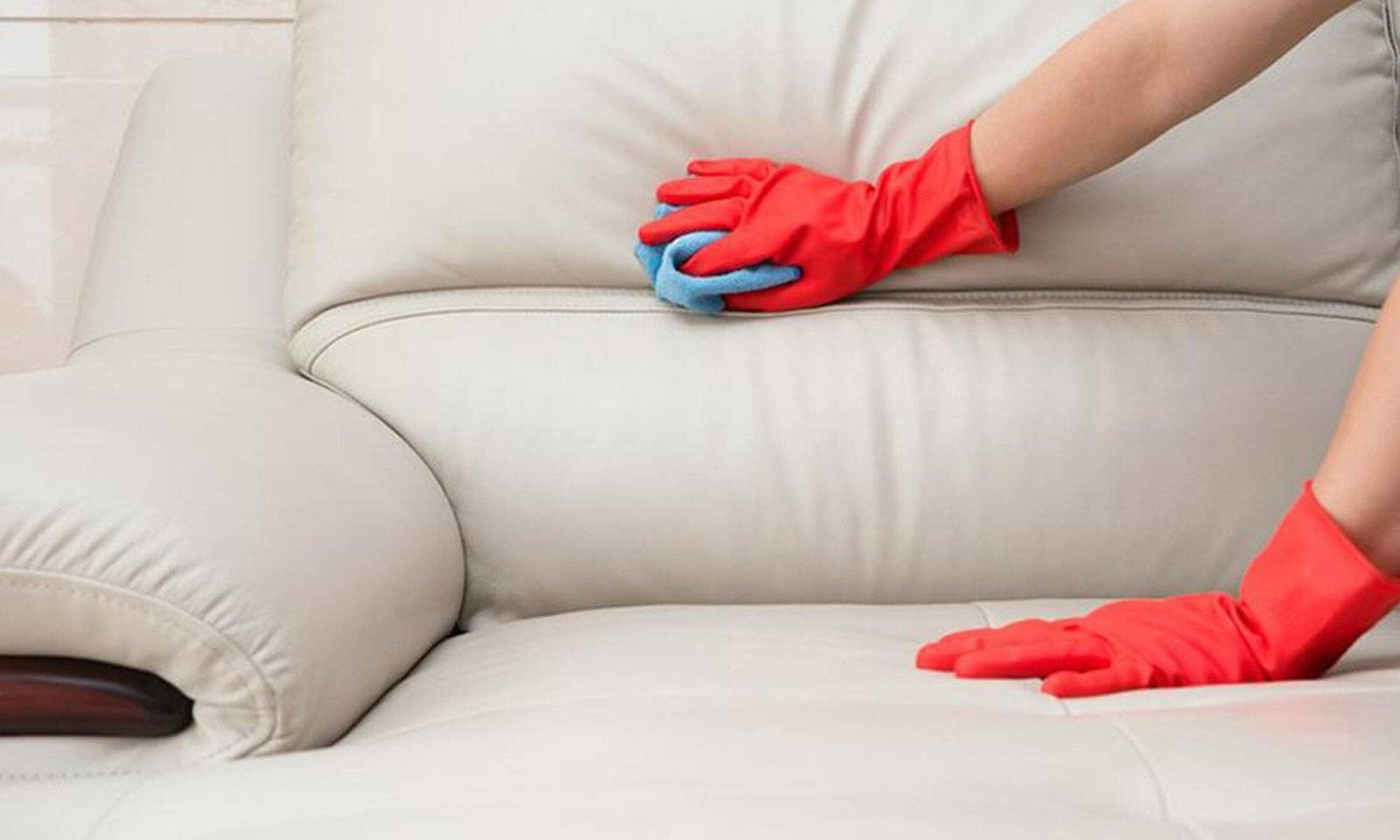
Credit: leathergallery.co.za
What You Need Before You Start
Cleaning mold off leather isn’t like wiping dust. You need the right tools and a safe approach. Here’s what to gather before you begin:
- Soft microfiber cloths (at least three)
- Vacuum with soft brush attachment
- Mild soap (like saddle soap or gentle dish soap)
- Distilled water (tap water can leave minerals or spots)
- Rubbing alcohol (isopropyl alcohol, at least 70%)
- Spray bottle (for mixing solutions)
- Leather conditioner
- Latex or nitrile gloves
- Face mask (to avoid breathing spores)
- Old towels or sheets (to protect the floor)
- A well-ventilated space (open windows, use fans if possible)
Pro Tip: Always test any cleaner on a hidden area first. Some leather finishes are sensitive even to mild solutions.
Step-by-step: How To Clean Mold Off Leather Sofa
Here’s a clear, safe process for removing mold while protecting your leather.
1. Move And Prepare The Area
Take the sofa outside if possible, or move it to a bright, ventilated room. Sunlight helps slow mold growth and lowers spore counts indoors. Lay towels or sheets around the sofa to catch falling spores.
Wear gloves and a mask, mold spores spread easily when disturbed.
2. Dry Out The Sofa
Mold thrives in moisture. If the leather is damp, let it air dry for a few hours. Do not use direct heat like a hairdryer, which can crack the leather. Sunlight is good, but avoid long exposure that can fade colors.
3. Vacuum The Surface
Attach a soft brush to your vacuum. Gently vacuum the sofa, focusing on seams and crevices where mold hides. Go slowly, pressing hard can grind spores into the leather.
Empty the vacuum outside and clean the brush with alcohol to prevent spreading mold indoors.
4. Wipe Away Visible Mold
Dampen a microfiber cloth with distilled water. Wipe the surface gently to lift visible mold. Use a new cloth if it gets dirty, never dip it back into the clean water.
Example: When I cleaned a vintage leather chair, I found using two cloths (one for each arm) kept the mold from spreading.
5. Make A Cleaning Solution
Mix equal parts rubbing alcohol and distilled water in a spray bottle (for example, 1 cup each). Alcohol kills mold but is less harsh than bleach, which can ruin leather.
Spray the solution lightly on a cloth, not directly on the sofa. Test a hidden spot first. If the leather changes color or texture, use less alcohol and more water.
6. Clean The Affected Areas
Gently wipe the moldy spots with the damp cloth. Do not soak the leather, extra moisture encourages more mold. For stubborn spots, let the cloth sit on the area for a minute, then wipe again.
Change cloths often to avoid spreading spores. Work in small sections.
7. Dry The Sofa
After wiping, let the sofa air dry completely. Open windows or use a fan. Sunlight for 30 minutes can help, but avoid leaving the leather in full sun for hours.
8. Apply Leather Conditioner
Alcohol can dry out leather. Once the sofa is fully dry, use a good leather conditioner to restore moisture and flexibility. Apply with a clean cloth, following the product’s instructions.
Conditioning helps prevent cracks and keeps the leather soft.
9. Final Inspection
Check the sofa closely. If mold remains, repeat the cleaning steps. If stains persist, consider calling a professional cleaner, some stains need special products or equipment.
Common Mistakes To Avoid
Even with the best intentions, it’s easy to make mistakes that damage your leather or make mold worse. Here’s what not to do:
- Do not use bleach. Bleach strips color and weakens leather fibers.
- Avoid harsh scrubbing. This can scratch or stretch the leather.
- Don’t oversaturate with water. Too much liquid soaks into the leather, feeding mold.
- Never dry with direct heat. Hairdryers or heaters cause cracks and shrinkage.
- Don’t ignore ventilation. Cleaning mold in a closed room spreads spores.
Pro Tip: If the moldy smell lingers after cleaning, place small bowls of baking soda around the sofa overnight. Baking soda absorbs odors without damaging leather.
How To Tell If The Mold Is Gone
Mold is sneaky. Sometimes it looks gone but returns in a few days. Here’s how to check your success:
- No visible spots: Mold patches, dots, or streaks are gone.
- No musty smell: The air around your sofa should smell fresh.
- Leather feels normal: No sticky, powdery, or slimy areas.
If any signs return after a week, repeat the cleaning or call a professional. Some mold grows deep inside cushions or seams, which DIY methods can’t reach.
When To Call A Professional
DIY cleaning works for light to moderate mold. But sometimes, expert help is the safest bet. Call a professional if:
- Mold keeps coming back after cleaning.
- The sofa is valuable, antique, or has sentimental value.
- The affected area is larger than a dinner plate.
- You or anyone in your home has mold allergies or breathing issues.
Leather cleaning pros have specialized products, tools, and experience. They can also check for mold inside cushions or frames.
Preventing Mold On Leather Sofas
Once you’ve cleaned the mold, prevention is key. Mold loves the same conditions that leather does: warmth, moisture, and darkness. Here’s how to keep it away:
Control Humidity
Keep indoor humidity between 30-50%. Use a dehumidifier in humid climates. Air conditioners also help. Monitor levels with a hygrometer, these are cheap and widely available.
Increase Airflow
Move your sofa a few inches from the wall. Open windows or use fans to keep air moving, especially after cleaning or spills.
Clean Spills Quickly
Wipe up any water, juice, or other spills right away. Even small amounts can soak in and feed mold.
Condition Leather Regularly
Use a leather conditioner every 3-6 months. Conditioning keeps leather strong and less likely to crack, which can trap moisture.
Use Mold Inhibitors
Some leather conditioners contain mold inhibitors. Ask your local leather store or check product labels.
Store Properly
If you store your sofa (or other leather furniture), cover it with breathable fabric, not plastic, which traps moisture. Keep it in a dry, cool space.
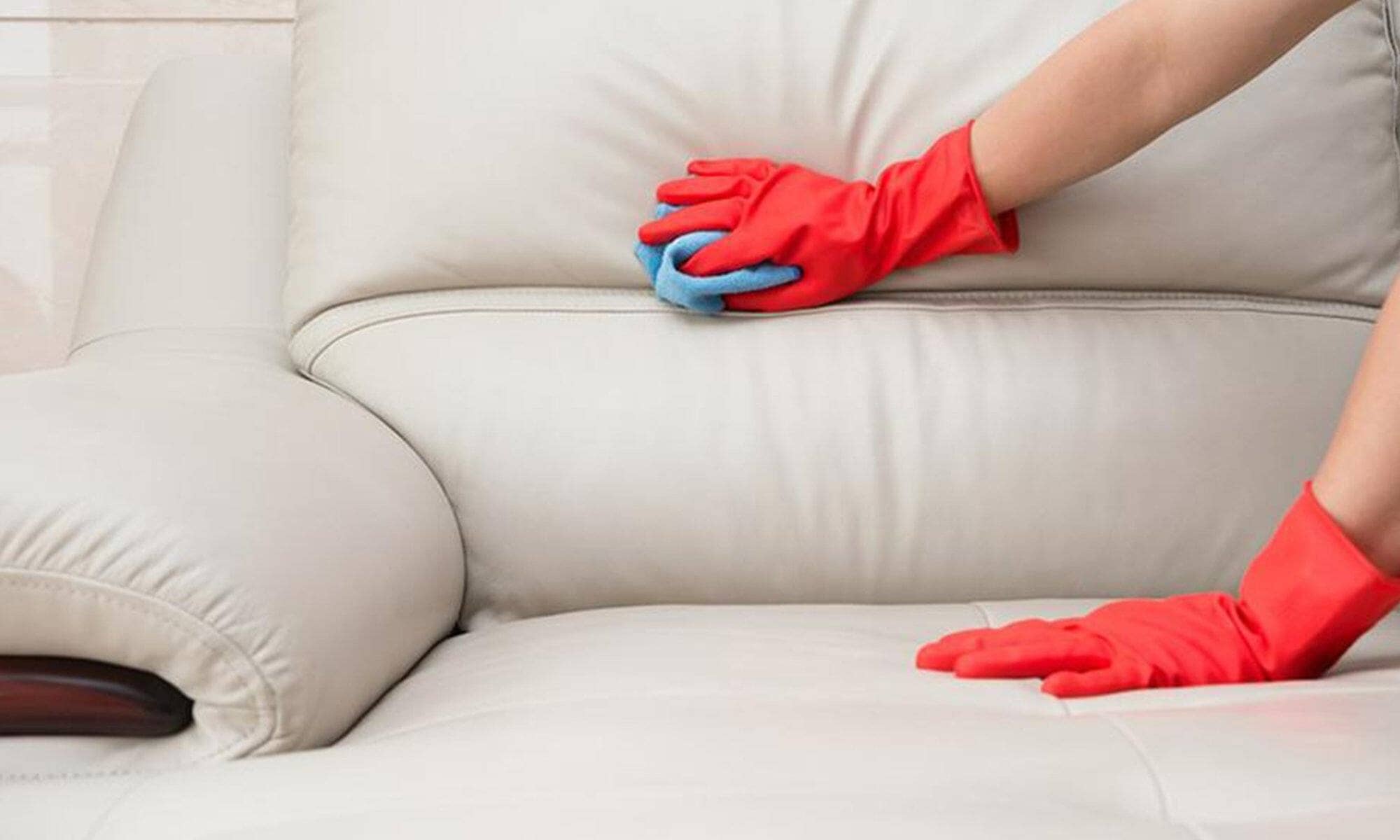
Credit: leathergallery.co.za
Comparing Leather Cleaning Solutions
Choosing the right cleaner is important for both removing mold and protecting your leather. Here’s a comparison of popular cleaning solutions:
| Solution | Effectiveness Against Mold | Leather Safety | Notes |
|---|---|---|---|
| Rubbing Alcohol (70%) | High | Safe if diluted | Best for surface mold, can dry leather |
| Saddle Soap | Medium | Very safe | Cleans but may not kill all spores |
| White Vinegar | Medium | Moderate risk of drying | Odor may linger, test first |
| Bleach | High | Not safe | Damages leather, avoid use |
Pro Tip: For most household mold, a diluted rubbing alcohol solution is both effective and safe when used with care.
How To Identify Different Mold Types On Leather
Not all mold looks the same, and some types are more harmful than others. Here’s how to spot the differences:
| Color/Appearance | Common Mold Type | Risk Level | Notes |
|---|---|---|---|
| White, powdery spots | Penicillium | Low to moderate | Often found on damp leather |
| Green or blue patches | Aspergillus | Moderate | Can cause allergies |
| Black, slimy or fuzzy spots | Stachybotrys (“black mold”) | High | May need professional removal |
If you see black mold, especially with a slimy texture, avoid touching it with bare hands and seek professional help.
Caring For Leather After Mold Removal
Once the mold is gone, your sofa needs some extra attention to recover fully.
- Condition the leather: Alcohol, even when diluted, removes natural oils. Use a conditioner designed for your leather type, aniline, semi-aniline, or pigmented.
- Buff with a soft cloth: After conditioning, lightly buff the leather to restore shine and smoothness.
- Monitor for mold regrowth: For the next few weeks, check hidden areas like under cushions or seams. Mold can return if any spores were left behind.
- Improve your cleaning routine: Dust and vacuum your sofa weekly. Clean with a damp (not wet) cloth every few months to keep dirt and spores away.
Pro Tip: If your sofa has removable cushions, take them out to check for hidden mold and let air circulate.
Eco-friendly Mold Removal Options
Some people prefer to avoid chemicals. While rubbing alcohol is generally safe, there are greener methods, though they may be less powerful for tough mold.
- White vinegar: Mix equal parts distilled water and vinegar. Wipe gently, but test first as vinegar can dry or discolor some leathers.
- Essential oils: Tea tree or lavender oil has mild antifungal properties. Add a few drops to your cleaning solution for extra protection and a fresh scent.
- Sunlight: Limited sun exposure helps kill surface mold. Do not leave leather in direct sun for more than 30-60 minutes.
Warning: Natural solutions may not kill all mold spores. If you have allergies or a severe infestation, use a proven method or call a professional.

Credit: sajdikovehumence.sk
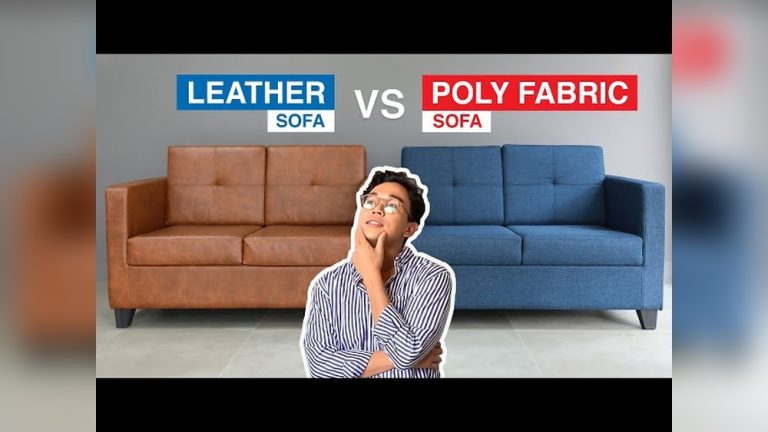
Mold On Faux Leather Vs Real Leather
Faux leather (synthetic) sofas can also get moldy, but cleaning is slightly different. Here’s a quick comparison:
| Feature | Real Leather | Faux Leather |
|---|---|---|
| Porosity | Porous, absorbs moisture | Less porous |
| Sensitivity | High (needs gentle cleaners) | Lower (tolerates stronger cleaners) |
| Cleaning Solutions | Mild soap, alcohol, vinegar | Soap, diluted bleach (test first) |
| Conditioning | Essential | Not needed |
Pro Tip: Faux leather can handle mild bleach solutions, but always test a small area first.
How To Store Leather Sofas To Prevent Mold
Storing a leather sofa during renovations or moves? Mold can grow if you’re not careful.
- Clean and condition the sofa before storing.
- Cover with cotton sheets, never plastic, which traps moisture.
- Store in a dry area, ideally with air circulation.
- Check monthly for signs of mold. Air out the sofa if you notice musty smells.
If storage is long-term, consider using silica gel packets or moisture absorbers around the sofa.
When To Replace A Moldy Leather Sofa
Sometimes, cleaning isn’t enough. You may need to replace your sofa if:
- Mold has penetrated deep inside the cushions or frame.
- Leather is cracked, stained, or smells musty after multiple cleanings.
- Household members have ongoing health issues linked to mold.
A new sofa is a big investment, but it’s better than risking health problems or constant cleaning.
Extra Tips For Allergy Sufferers
If someone in your home is sensitive to mold, take extra steps:
- Clean while they are out of the house.
- Use an air purifier with a HEPA filter during and after cleaning.
- Wash your cleaning
Products related to this article
Sponsored / affiliate links. As an Amazon Associate I earn from qualifying purchases. I may earn additional commission from eligible campaigns.