How to Cover Sofa With Bed Sheets: Easy DIY Transformation Tips
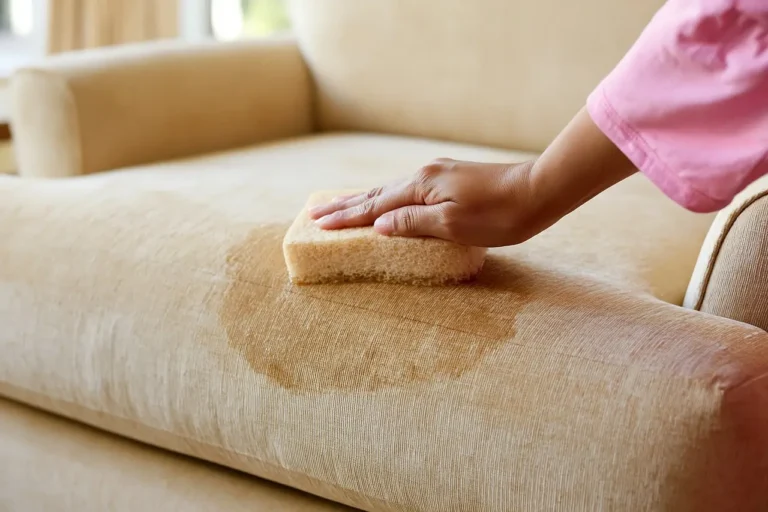
If your sofa needs a fresh look, but you don’t want to invest in an expensive cover, bed sheets offer an affordable and flexible solution. Covering a sofa with bed sheets doesn’t just protect the fabric or update the style, it also helps keep your living space clean, especially if you have children or pets.

Coldwind
Sofa Bed Queen Sheets Only, Queen Sleeper…
- Perfect Snug Fit: Measuring 60" x 74", this sofa queen sheet perfectly fit for sofa queen mattress(topper) depth up to 8 inches. P…
- Stretchable: The sofa bed queen sheet only deep pocket have 360° fabric pocket with an elastic band encased at the bottom ensures…
- Ultra Soft & Breathable: Our sofa bed queen sheet is knitted with microfiber, which is breathable, stretchy and silky soft for ult…
As an Amazon Associate I earn from qualifying purchases.
The trick is making sure the bed sheet fits well, stays in place, and still looks neat. Whether your goal is to hide old stains, add color, or make cleaning easier, you can achieve impressive results with some simple steps.
This guide will show you how to cover a sofa with bed sheets, from choosing the right fabric to securing it in place. You’ll find tips, practical solutions for common challenges, and comparisons to help you decide if this DIY method is right for you.
By the end, you’ll have all the information you need to turn a plain sheet into a custom sofa cover that matches your taste and lifestyle.
Why Use Bed Sheets To Cover A Sofa?
Bed sheets are a versatile option for sofa covers for several reasons. First, they come in many colors, patterns, and materials, making it easy to match your décor. Second, most people already have extra sheets at home, which means you can update your sofa at no extra cost. Third, sheets are machine washable, so cleaning them is simple compared to heavy upholstery or more expensive slipcovers.
Another benefit is flexibility. If you like to change your style often or have different needs for different seasons, you can swap out sheets quickly. For example, you might use light cotton sheets in summer and cozy flannel in winter.
Bed sheets also protect your sofa from spills, pet hair, and dust, which can extend the life of your furniture.
People often overlook that using bed sheets can be a temporary or semi-permanent solution. If you’re renting, expecting guests, or just want to try a new look, sheets let you experiment without commitment. Based on my own experience, this approach works especially well for families who need something practical and easy to clean.
What Type Of Bed Sheets Work Best?
Choosing the right sheet is the foundation for a successful sofa cover. Not all sheets are created equal, some materials and sizes will work better than others.
Material Matters
The most common options are cotton, polyester blends, linen, and microfiber. Each has its own pros and cons:
- Cotton sheets are soft, breathable, and easy to clean. They drape well, making them a good choice for most sofas.
- Polyester blends are more wrinkle-resistant and often more durable. They tend to stay in place better than pure cotton.
- Linen sheets are stylish and strong, but they can wrinkle easily and may need more frequent adjustment.
- Microfiber sheets are smooth and resist stains, but they can be slippery on leather or faux leather sofas.
The key is to select a fabric that feels comfortable, washes easily, and matches your usage needs. For homes with pets or children, avoid delicate materials like silk.
Size And Fit
A flat sheet generally works better than a fitted sheet. Flat sheets can be tucked and draped smoothly, while fitted sheets may not stretch around wide sofa arms or backs.
Here’s a quick guide:
| Sofa Type | Best Sheet Size | Recommended Material |
|---|---|---|
| 2-seater loveseat | Full/Queen flat sheet | Cotton or poly-blend |
| 3-seater sofa | Queen/King flat sheet | Cotton, linen, or microfiber |
| Sectional | 2 King flat sheets (or more) | Poly-blend, cotton |
| Recliner | Twin flat sheet | Cotton |
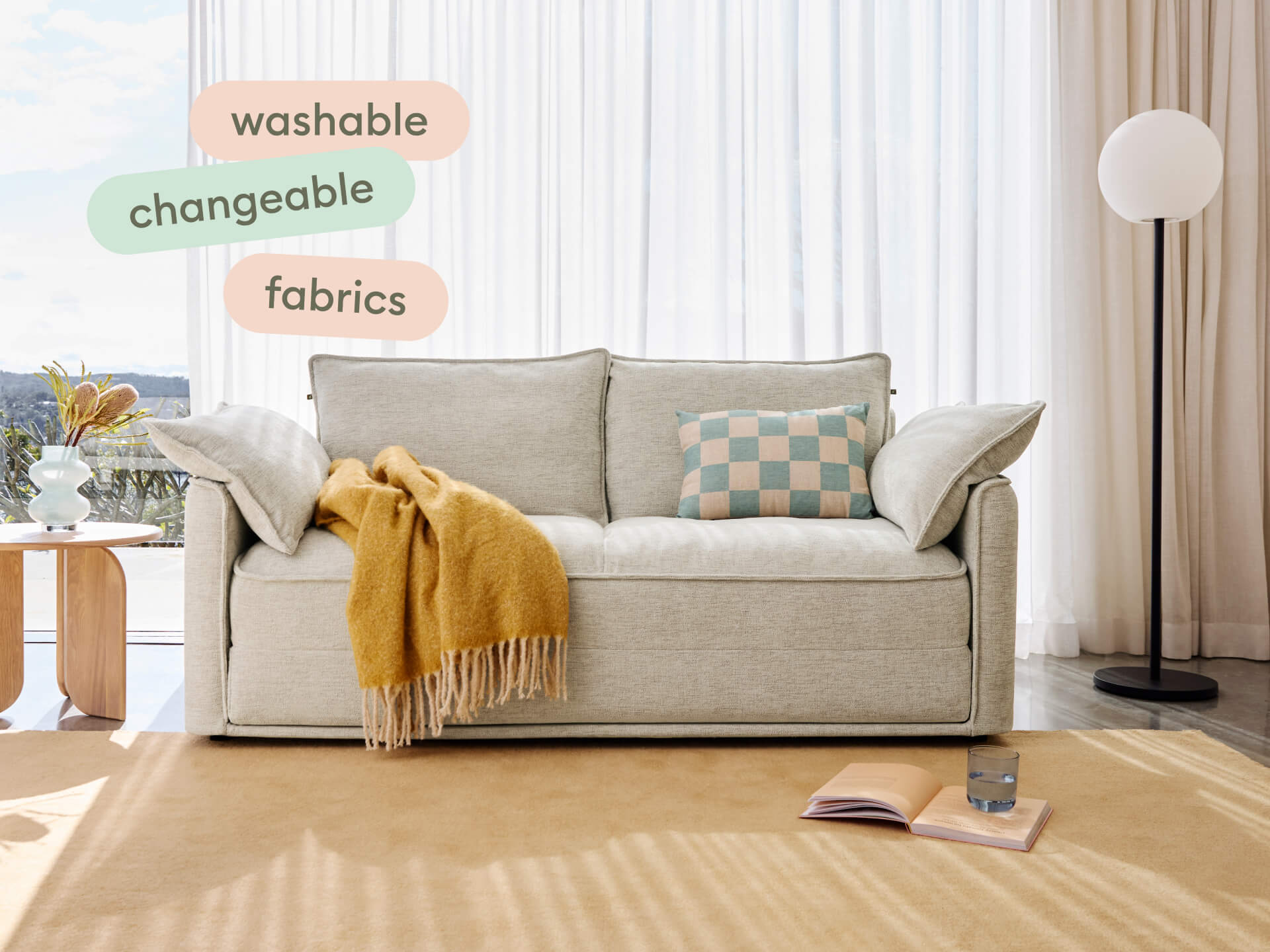
Pro Tip: Measure your sofa before choosing a sheet. Add at least 12 inches to each side to allow for tucking and draping.
Credit: us.koala.com
Preparing Your Sofa And Sheets
Before you begin, some simple preparation will help the cover stay neat and last longer. Start by vacuuming the sofa to remove dust, crumbs, and pet hair. If your sofa has removable cushions, take them off and set them aside.
Wash and dry the sheets to remove any wrinkles and odors. Ironing is optional, but a smooth sheet will look more polished on your sofa. If you have pets, consider using a lint roller on the sheet before placing it.
Check for sharp edges or staples on your sofa that could snag the fabric. If you find any, cover them with tape or felt pads. This small step prevents tears or holes in your sheet cover.
Step-by-step Guide: Covering Your Sofa
Covering a sofa with a bed sheet is simple, but doing it well requires attention to detail. Here are the steps to get the best results.
1. Position The Sheet
Lay the flat sheet over the sofa, centering it so that an equal amount hangs over the front and back. If your sofa has a high back, allow extra fabric there. For sectionals, you may need two or more sheets, one for each section.
Pro Tip: For a neater look, start with the sofa’s main body, then cover each cushion separately if possible.
2. Tuck The Sheet
Tuck the sheet tightly into the crevices between the seat, arms, and back. Use your hands or a wooden spatula to push the fabric deep into the gaps. This keeps the sheet from moving when people sit down.
If your sofa has loose cushions, wrap each one in a pillowcase or extra fabric and place them back on the sofa after tucking the main sheet. This adds a tailored look and prevents slippage.
3. Secure The Edges
To stop the sheet from slipping, secure the edges in one of several ways:
- Foam inserts: Use specially designed foam sticks or pool noodles, cut to size, and push them into the gaps. This holds the sheet in place and gives a fitted look.
- Twist ties or rubber bands: Gather extra fabric at the corners and tie them underneath, out of sight.
- Furniture pins: These are spiral-shaped pins that twist into the upholstery, holding the sheet firmly without causing damage.
If your sofa is leather or very smooth, use double-sided fabric tape on the sheet’s underside to help it grip the surface.
4. Smooth And Adjust
Once secured, smooth out wrinkles and adjust the drape as needed. Stand back and check the overall appearance. Make sure the sheet is evenly distributed and the corners are tidy.
If you want a more relaxed, casual look, let the sheet hang loosely. For a tailored look, tuck and pin the fabric tightly.
5. Style With Accessories
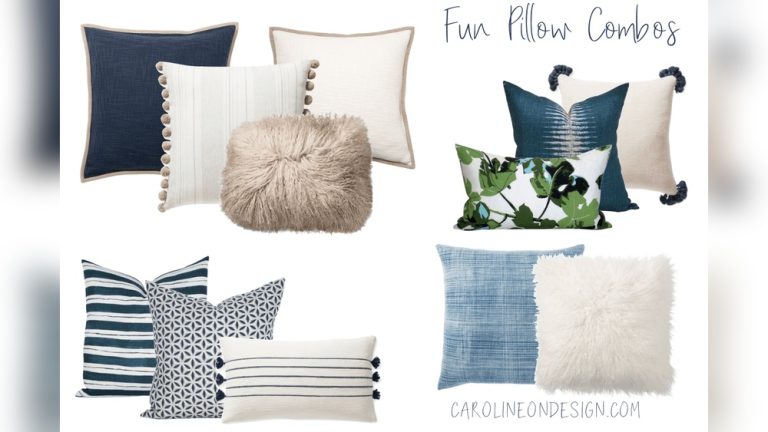
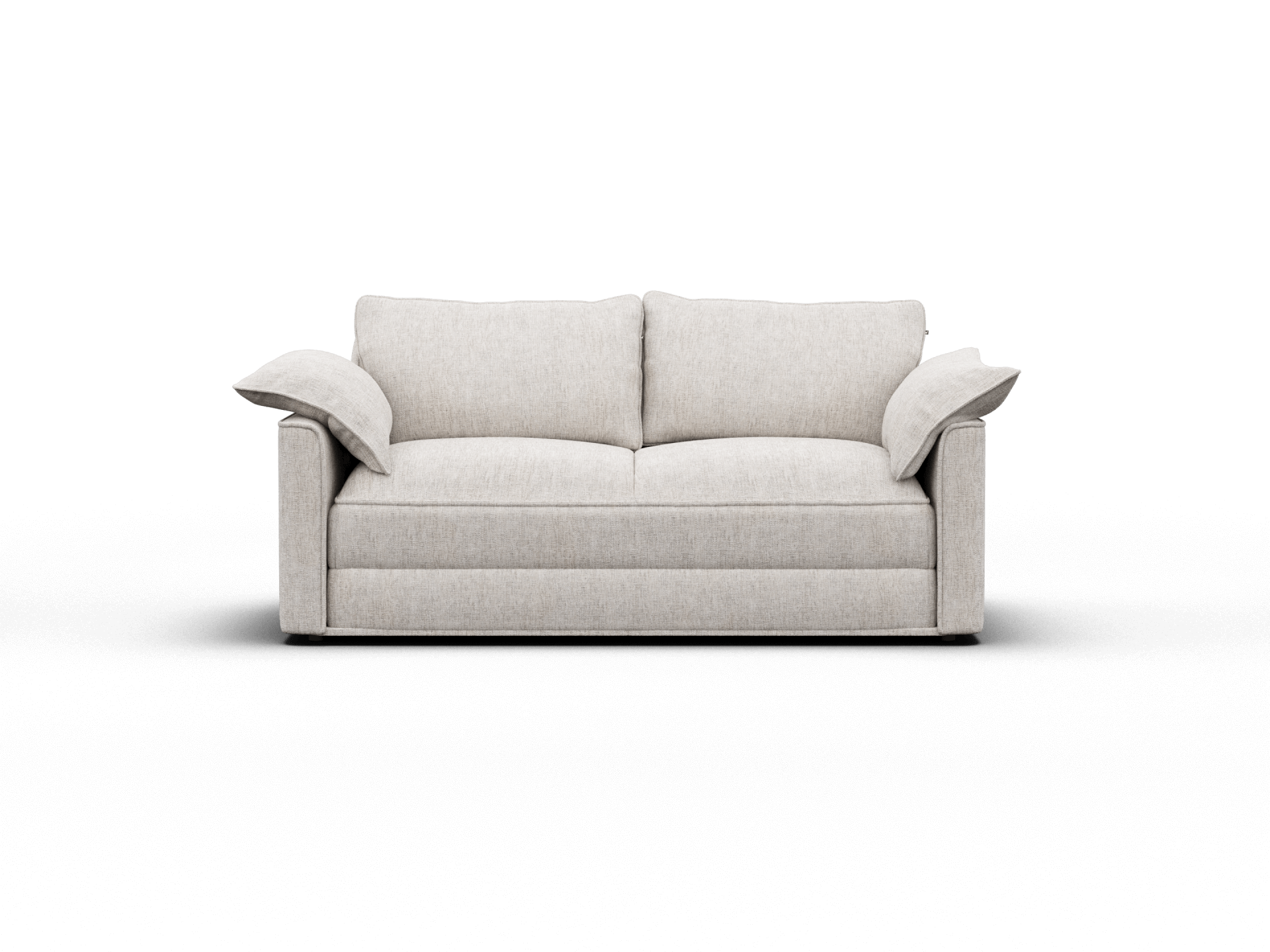
Add throw pillows or a blanket to enhance the look and further secure the sheet. Accessories help hide any uneven areas and add color or texture.
When I first tried this, I found that large pillows at the arms not only improved comfort but also helped keep the sheet in place.
Credit: us.koala.com
Comparison: Bed Sheets Vs. Ready-made Slipcovers
Many people wonder whether it’s better to use bed sheets or buy a slipcover. The answer depends on your needs and budget.
Here’s a side-by-side comparison to help you decide:
| Feature | Bed Sheet Cover | Ready-Made Slipcover |
|---|---|---|
| Cost | Low or free | Moderate to high |
| Fit | Loose, adjustable | Tailored, snug |
| Style Options | Endless (any sheet) | Limited to models/colors available |
| Cleaning | Easy (machine wash) | Varies (some machine washable) |
| Durability | Depends on sheet quality | Usually more durable |
| Installation | Quick DIY | May require effort/adjustment |
If you want a temporary, changeable solution, bed sheets are the clear winner. If you want a custom fit that looks like new upholstery, a slipcover might be worth the investment.
Tips To Keep The Sheet In Place
A common challenge is keeping the sheet from slipping. Sofas are used daily, and children or pets can quickly pull a loose cover out of place. Here are some ways to help:
- Use foam grippers: These are inexpensive and easy to cut to size.
- Choose thicker sheets: Heavier sheets tend to stay put better than thin ones.
- Secure with pins or ties: Furniture pins work well, but always check for sharp points if you have kids.
- Layer with throws: A throw blanket over the main seating area adds weight and style.
- Rotate and adjust regularly: Quick daily adjustments keep the cover looking neat.
Example: I once used a thin, slippery sheet on a leather sofa, and it slipped every time someone sat down. Switching to a heavier cotton sheet and adding foam inserts made a big difference.
Styling Ideas For Sofa Sheet Covers
A sheet cover doesn’t have to look plain or temporary. With a few styling tricks, you can create a designer look.
Color Blocking
Use sheets in contrasting colors for the seat, back, and arms. For example, a white sheet for the main body and navy pillowcases for the cushions creates a modern, custom look.
Layered Textures
Combine different fabrics for visual interest. Drape a velvet throw over a cotton sheet for a touch of luxury, or add a textured blanket over one arm.
Pattern Play
Mix solid sheets with patterned pillowcases or throws. Stripes, florals, and geometric prints can all work together if you keep the color palette simple.
Seasonal Changes
Switch sheets for different seasons, light pastels in spring, warm tones in autumn. This keeps your living room feeling fresh all year.
Pro Tip: Use matching or coordinating pillowcases on throw pillows to tie the look together.
Caring For Your Sheet-covered Sofa
One of the main benefits of using bed sheets is how easy they are to clean. Most sheets can go straight into the washing machine, making it simple to keep your sofa fresh.
- Wash weekly if you have pets or allergies.
- Use gentle detergent to preserve color and fabric.
- Remove and re-tuck the sheet after washing to keep the fit neat.
- Spot-clean stains right away to prevent setting.
If your sheet starts to wear thin or fade, simply swap it for another. This flexibility is a big advantage over permanent covers or upholstery.
Common Mistakes To Avoid
Some pitfalls can ruin your sofa’s new look or shorten the life of your cover. Here’s what to watch out for:
- Choosing the wrong size: Too-small sheets will constantly come loose; too-large sheets look messy.
- Ignoring the material: Slippery fabrics won’t stay put on leather. Heavy fabrics can be hot in summer.
- Skipping the prep: Dirty or wrinkled sheets don’t look good, no matter how well they’re tucked.
- Not securing properly: Without foam inserts, pins, or ties, the sheet will slip every time you sit down.
- Using old, worn sheets: Thin or torn sheets will not last and may make your sofa look worse.
Pro Tip: Always check the care label before washing sheets, especially if they have special finishes or colors.
When Not To Use Bed Sheets
While sheets are a practical solution for many, they’re not right for every situation. If your sofa is a valuable antique, has delicate fabric, or needs a custom fit for medical reasons, use a professional slipcover or consult an expert.
Sheets also may not be ideal for very large sectionals, sofas with attached cushions, or if you want a truly “fitted” look for a formal space. In these cases, a fitted slipcover or reupholstering may be better.
Environmental And Budget Benefits
Using bed sheets instead of buying new covers or reupholstering is both eco-friendly and budget-smart. Reusing what you already own reduces waste and saves money. If you buy secondhand sheets, you can give new life to old fabric and reduce your carbon footprint.
According to the U. S. Environmental Protection Agency, over 11 million tons of textiles are thrown away annually in the U. S. alone. Repurposing bed sheets helps lower that number and is a step toward a more sustainable home.
If you’re interested in learning more about textile recycling, visit the EPA’s official data page.
Creative Alternatives For Special Needs
Sometimes a standard bed sheet isn’t enough. For extra durability, try using a quilted mattress pad as a cover, especially for pets or high-traffic areas. For waterproof protection, a vinyl-backed picnic blanket works well and is easy to wipe clean.
If you need to cover a sectional or oddly shaped sofa, sew two or more sheets together for a custom fit. This takes more effort but offers a better result for unique furniture.
For kids’ playrooms, consider using bright, washable sheets and let children help “decorate” by adding fabric markers or iron-on patches.
Troubleshooting Common Problems
Even with careful planning, you may face some challenges. Here’s how to solve the most frequent issues:
- Sheet slips off easily: Use more foam inserts, heavier sheets, or add double-sided tape.
- Wrinkles won’t go away: Iron the sheet before use or lightly mist with water and smooth by hand.
- Sheet looks lumpy: Remove and retuck, making sure the fabric is pulled tight before securing.
- Pet hair sticks to the sheet: Use a lint roller or choose a sheet in a color close to your pet’s fur.
If all else fails, consider upgrading to a fitted slipcover for a more permanent solution.
Frequently Asked Questions
How Do I Keep Bed Sheets From Slipping Off My Leather Sofa?
Leather and faux leather are naturally slippery. Use heavier sheets, foam inserts, and double-sided fabric tape under the sheet. You can also choose sheets with a slight texture
Related pick: Check today's price on Amazon
Products related to this article
Sponsored / affiliate links. As an Amazon Associate I earn from qualifying purchases. I may earn additional commission from eligible campaigns.