How to Waterproof an Outdoor Sofa: Step-by-Step
To waterproof an outdoor sofa, clean the fabric with the care method the label allows, let it dry all the way through, then apply a water-repellent spray or seam sealer in about two light coats. Protect foam with inner liners, and store the sofa under a fitted cover when rain is expected. Skipping seams, foam, or storage leaves water trapped inside, which can cause mildew, odor, rust, and premature cushion failure. This guide shows how to waterproof the fabric, seal vulnerable stitching, protect cushion inserts, and set up storage that keeps moisture out.
Waterproof an outdoor sofa system


Waterproofing works best as a system, not a single spray. The outer textile may repel dew, but seams can still leak, foam can still hold water, and a cover can trap condensation if it fits poorly or stays on wet cushions. Start by finding the weak point first.
What waterproofing can and cannot fix
Waterproofing can help shed rain, spills, and dew from the exposed surface. It cannot repair torn fabric, failed stitching, soaked foam, or a frame that rusts when water reaches hidden joints. If the sofa already smells musty or dries slowly after rain, the problem may be inside the cushion, not on top of it.
Solution-dyed acrylic, olefin, and PVC-coated polyester each answer a different problem. Solution-dyed acrylic is a good choice when you want UV resistance, comfort, and breathability. Olefin suits abrasion resistance and fast drying. PVC-coated polyester is the harder, more wipeable option, especially where cleanability matters more than softness.
Which parts need treatment first?
Treat the parts where water enters and lingers: seams, zipper tape, exposed stitching, cushion covers, and any frame-adjacent edge where runoff pools. Foam needs protection before it gets wet, while the outer fabric needs repellency. A waterproof sofa cover is the last line, not the first fix.
Use quick-dry foam whenever possible. It sheds water faster, which lowers odor risk after rain. Add UV stabilizers where you can preserve them, because sun damage weakens outdoor textiles over time. In humid climates, a mildew-resistant coating matters more than a purely water-shedding finish.
When a cover is better than a coating
A fitted cover is the better answer when you expect full rain exposure, seasonal storage, or long gaps between use. A coating helps daily protection, but it cannot stop standing rain, splashback from a balcony floor, or moisture from creeping into seams. If the sofa sits outdoors year-round, use both fabric protection and a cover.
Easy Going waterproof covers use a dual waterproof construction, combining a top fabric coating with TPU backing. Easy Going says installation takes around ten minutes for one person, and its waterproof models are machine washable at cold or low temperature. The same source recommends hang drying waterproof models.
Waterproof sofa cover matrix
Match the cover or treatment to the sofa’s material, exposure level, and cushion fill. A low-exposure balcony setup does not need the same barrier as a coastal patio with wind-driven rain. The safest route is the one that protects the weakest material in the system.
| Sofa material or cushion fill | Exposure level | Safest treatment route | What to avoid |
|---|---|---|---|
| Solution-dyed acrylic with quick-dry foam | Light dew or occasional spill | Water-repellent fabric treatment, seam sealing, breathable fitted cover for overnight use | Heavy impermeable cover left on during hot, damp days |
| Olefin with quick-dry foam | Frequent use, sun, and light rain | Keep the outer fabric clean, re-treat after washing, use a waterproof sofa cover during storms | Leaving cushions on a wet deck or unzipped under a loose cover |
| PVC-coated polyester with synthetic foam | High splash risk or exposed balcony | Focus on seam integrity, zipper protection, and drainage under the sofa | Sharp folds, punctures, and heat-heavy storage in direct sun |
| Indoor fabric with standard foam | Any regular outdoor exposure | Use only as a temporary shield under a fitted waterproof cover; replace inserts or upholstery for real outdoor use | Relying on spray alone to make it weather-safe |
Water-resistant outdoor fabric repels light spills and dew, and it usually includes dirt resistance, UV resistance, breathability, and quicker drying. Waterproof fabric usually blocks liquid more fully, but it can also trap more heat and condensation if the design does not vent well. Water-resistant is often enough for mild weather. Waterproof is better for storms and storage.
Too much barrier on a hot, humid balcony can backfire by trapping moisture under the cover.
Match cushion fill to moisture risk
Quick-dry foam is the preferred fill for outdoor use because it sheds water faster and reduces odor risk. Standard indoor foam can stay damp inside even when the cover feels dry outside. If the fill is not quick-dry, the upholstery layer may look protected while the core remains wet.
TPU film backing is a useful barrier layer behind top fabric because it helps prevent seep-through. It also changes care requirements. Harsh washing, high heat, or aggressive scrubbing can damage the backing and weaken the waterproof path.
What fabric is best for outdoor sofa cushions?
Solution-dyed acrylic is often considered a strong all-around choice for outdoor sofa cushions when you want fade resistance, UV resistance, comfort, and breathability. Olefin is a strong second option for abrasion resistance, easy-clean handling, and fast drying. PVC-coated polyester makes sense when cleanability and liquid resistance matter more than softness.
Solution-dyed acrylic
Solution-dyed acrylic is an outdoor fabric type that holds color well because the pigment is built into the fiber. That helps with fade resistance and UV resistance. It also stays comfortable in use, so it works well for cushions you sit on often in sunny climates.
Olefin fabric
Olefin is an outdoor-grade textile known for abrasion resistance and an easy-clean surface. It dries quickly and handles frequent use well. For family seating, it is often a practical middle ground because it tolerates wear without becoming overly stiff.
PVC-coated polyester
PVC-coated polyester is a waterproof or water-resistant option often used in outdoor upholstery. It cleans easily and handles humidity better than many indoor fabrics. It is useful where splash protection matters, but it may feel warmer and less breathable than acrylic or olefin.
April Furniture says its sofas use a highly water-repellent, dirt-resistant fabric, and that spills like wine or coffee are not a problem. April Furniture also says its outdoor sofas can remain outside all year round. Those claims depend on the full design, including seams, cushions, and storage habits.
How do you waterproof outdoor sofa cushions?
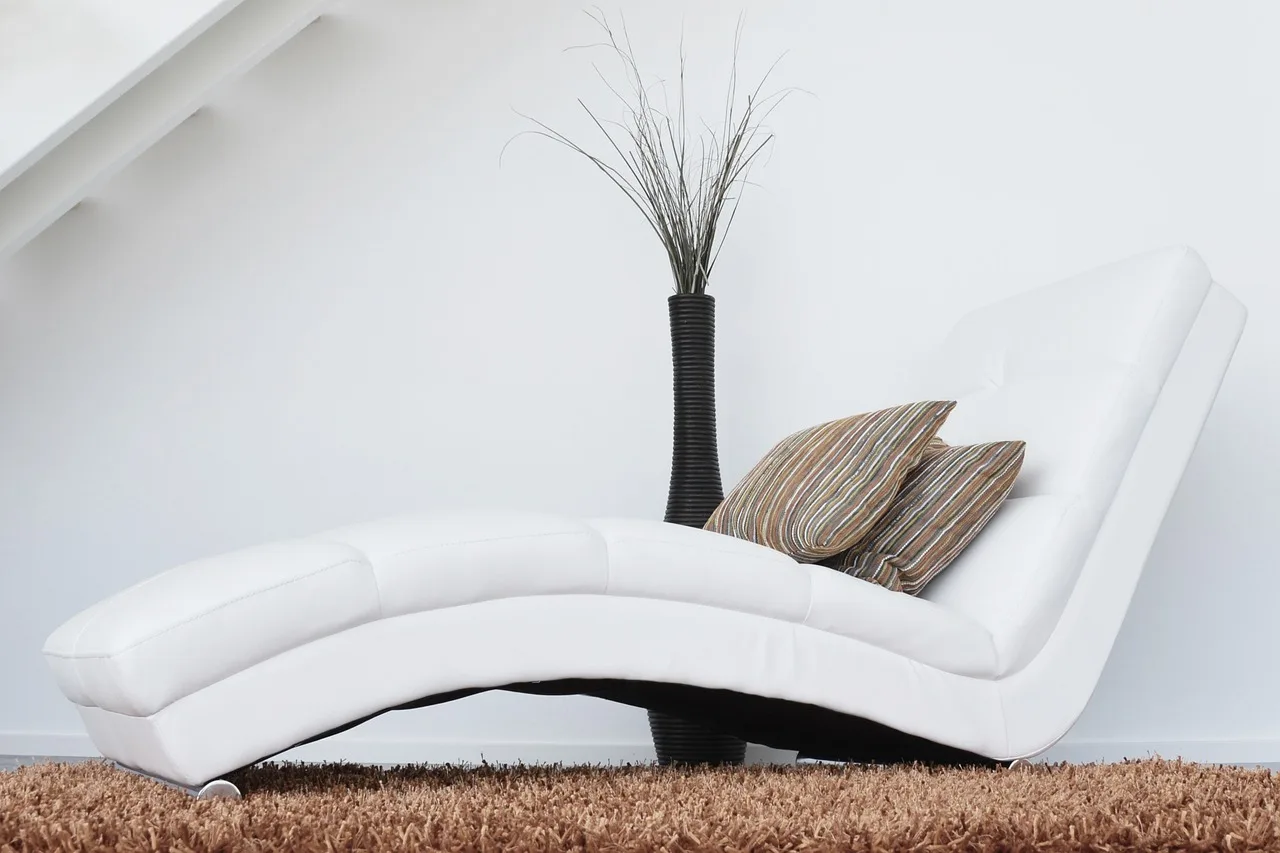
To waterproof outdoor sofa cushions, clean the cover first, dry it completely, apply a compatible fabric protectant in light coats, and seal exposed seams if the product allows it. Then let the coating cure before use. If the cushion is zippered, protect the zipper area and confirm the fill is quick-dry or otherwise suitable outdoors.
- Vacuum loose dirt and debris from the cushion surface and seams.
- Wash the cover according to the fabric type, then let it dry fully.
- Inspect stitching, zipper tape, and worn corners before applying any treatment.
- Apply a water-repellent spray in two light coats rather than one heavy coat.
- Focus extra attention on seams and high-touch areas, but do not saturate the fabric.
- Let the cushion cure for the full label time before putting it back outdoors.
- Test a small hidden area first if the fabric is blended, coated, or backed with TPU film.
Do not skip the drying time between cleaning and coating. Moisture under a water-repellent finish can trap odor and slow curing. If the cushion has a TPU film backing, treat it gently during washing because the backing can be more care-sensitive than the face fabric.
Picture a 3-seat sofa on a shaded balcony where morning dew settles every day. If the cushions are sprayed while still cool and damp, the surface may look protected, but the inner layers can hold moisture and smell stale within a week. Drying fully changes the result more than adding extra product.
Clean and dry the cushions fully
Cleaning removes soil that blocks a treatment from bonding evenly. Drying matters just as much. A fabric that feels dry at the surface can still hold moisture in seams, foam edges, or zipper tape. Leave enough time for the entire cushion to dry through before you spray or seal anything.
Treat the outer fabric and seams
Apply the fabric treatment in thin, even passes. Then address seams with a seam sealer made for the fabric type. Seams are where water often enters first, especially on cushions with piping, topstitching, or zipper tracks. A coating on the face fabric alone leaves those openings exposed.
Let the coating cure before use
Give the treatment enough cure time before any rain exposure or sit-down use. That waiting period lets the protective layer bond properly and reduces tackiness. If the label calls for a longer cure in cool or humid weather, follow that longer time.
Can you make indoor sofa cushions safe for outdoor use?
Only partly. You can improve an indoor cushion with a waterproof cover, a protective liner, and careful storage, but you usually cannot make indoor foam, staple points, or decorative seams fully outdoor-safe. If the cushion will face real rain or daily humidity, replacement is often safer than treatment.
What can be salvaged?
An indoor cushion can sometimes work for occasional patio use under a fitted waterproof cover, especially in a covered seating area. The outer fabric may accept a water-repellent treatment, and the cushion can be protected from light spills. That still leaves the fill vulnerable if water reaches the core.
Why indoor foam is a weak point
Indoor foam usually absorbs and retains water more readily than quick-dry foam. Once wet, it can stay damp inside even after the outer layer dries. That is when mildew and odor appear. If the foam has already been soaked more than once, the safest fix is often replacement.
When to replace instead of treat
Replace instead of treat if the cushion has old staining, broken seams, persistent odor, or foam that dries slowly after a storm. A coating cannot rebuild lost structure. It can only add surface resistance, and that is not enough for regular outdoor exposure.
How do you keep outdoor sofa cushions from molding?
Prevent mold by keeping water out, keeping air moving, and drying the cushions all the way through after every rain or wash. Use quick-dry foam, breathable outdoor fabric, and a cover only when the sofa is dry. If moisture gets trapped, mildew-resistant coating helps, but it cannot fix poor drying habits.
Use quick-dry foam and breathable fabric
Quick-dry foam reduces the time water stays inside the cushion. Pair it with a breathable outdoor fabric so moisture can move out instead of staying sealed in. That combination matters most in humid or rainy climates, where dampness lingers longer than many owners expect.
Avoid trapped moisture under covers
Do not cover wet cushions with a waterproof cover and assume the problem is solved. That often creates condensation underneath. If rain has already soaked the cushions, remove the cover, open the zippers if the design allows it, and let everything dry before sealing it back up.
Suppose a sofa sits beside an open garden wall in a coastal area. A heavy rain passes, then humidity stays high overnight. If the cushions are covered while still damp, the trapped air can hold onto moisture, and the next morning may bring a musty smell even though the cover looks intact.
Store cushions dry and off the ground
Store cushions on a rack, shelf, or bench instead of directly on concrete. Air can move around them, and runoff has somewhere to go. If storage space is limited, choose a waterproof sofa cover with enough room for the cushions to stay dry, not compressed and sealed against the frame.
Care for waterproof covers and coatings
Maintenance is part of waterproofing. Wash the cover gently, dry it the way the maker recommends, inspect the seams and zipper area, and reapply treatments after cleaning or long sun exposure. That schedule matters more than one heavy treatment at the start of the season.
Wash and dry without damaging the barrier
Easy Going waterproof covers are machine washable at cold or low temperature, and Easy Going recommends hang drying waterproof models. That is a useful pattern for many similar covers: low heat, gentle wash, and no harsh dryer cycle unless the label allows it. Heat can damage coatings and shrink fit.
Check seams, zippers, and backing
After washing or heavy rain, inspect the seam line, zipper ends, and any backing layer for peeling, cracking, or leak points. A TPU film backing can stop seep-through, but only if it stays intact. If the backing starts to delaminate, the cover may still look fine while water finds its way through.
Set a reapplication schedule
Reapply after any full wash if the fabric treatment has been removed or weakened. Reapply sooner after strong sun exposure, repeated heavy rain, or a season of frequent use. A common rule of thumb is to check repellency when water stops beading and begins soaking in unevenly.
For full-rain exposure, inspect before the first storm season and again after storage. For a covered balcony, check after washing or every few months of sun exposure. For humid coastal areas, inspect more often because salt air and moisture stress both fabric and seams.
| Condition | Check interval | Action |
|---|---|---|
| After washing | Before the next outdoor use | Reapply fabric protection if the product is washable-safe and the label allows retreatment |
| Heavy rain or storm season | After each prolonged weather event | Inspect seams, zipper ends, and cover fit; dry fully before re-covering |
| Strong sun exposure | Every few months | Check for fading, stiffness, and loss of beading; retreat if needed |
| Seasonal storage | At storage-in and storage-out | Clean, dry, and cover the sofa only after moisture is gone |
Frequently asked questions
Is waterproof or water-resistant better for outdoor sofas?
Water-resistant is usually better for everyday comfort in light rain, dew, and spills because it breathes more easily and tends to feel less sealed. Waterproof is better when the sofa faces storms, splashback, or storage outdoors. The best choice depends on how often moisture actually reaches the sofa.
Do waterproof covers trap heat on outdoor sofas?
They can. A waterproof cover reduces water entry, but it can also trap warm air and condensation if it fits too tightly or stays on while the cushions are damp. Choose the best fit for the sofa size, remove the cover when weather clears, and let the sofa dry fully before re-covering it.
Products related to this article
Sponsored / affiliate links. As an Amazon Associate I earn from qualifying purchases. I may earn additional commission from eligible campaigns.