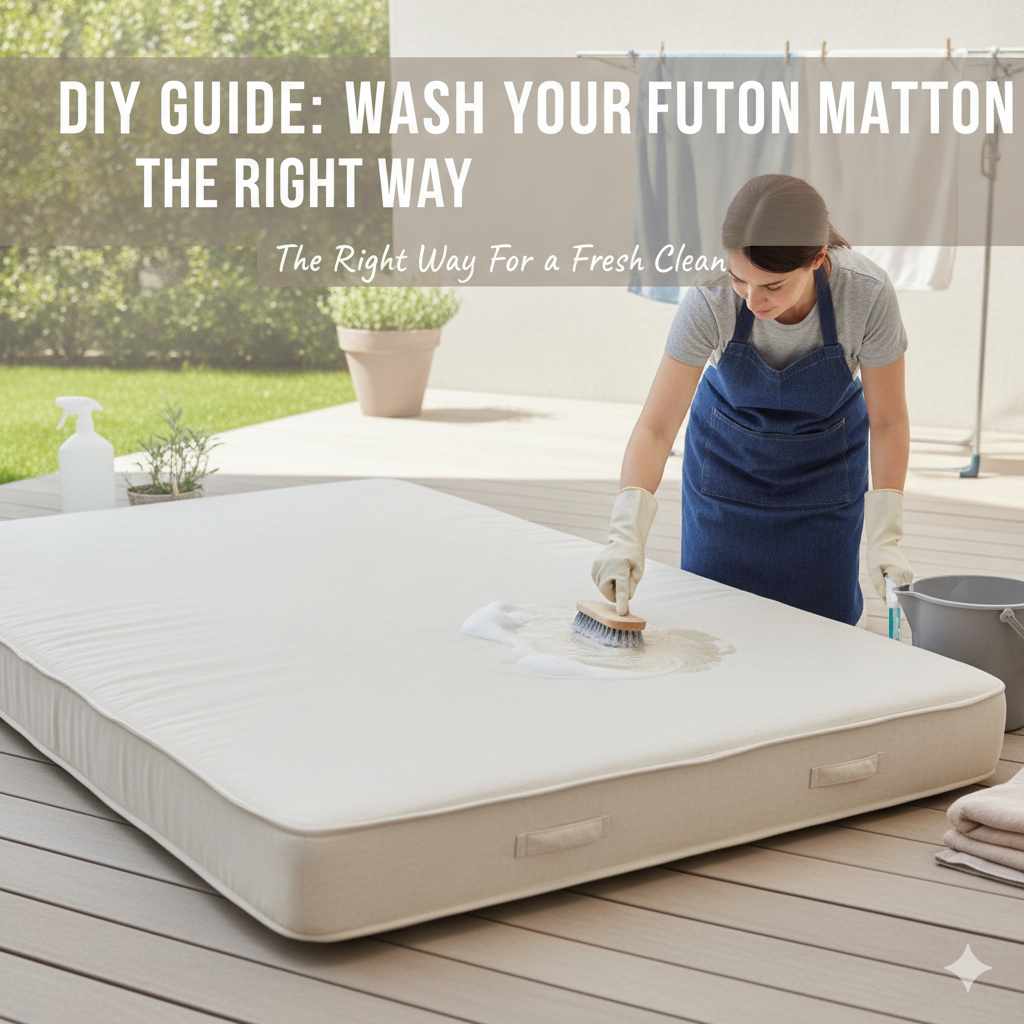
How To Wash A Futon Mattress The Right Way
Washing a futon mattress involves spot cleaning for most stains, deep cleaning with a mild detergent and minimal water, proper drying, and regular maintenance like vacuuming and airing it out. Avoid soaking the mattress to prevent mold and damage.
For a closely related home or decor topic, How To Cancel Car Wash Subscription: The Ultimate gives readers a useful next step.
For a related kitchen decision, Endy Mattress Vs Casper: Proven Showdown adds another practical detail to check.
For a closely related home or decor topic, Daybed Vs Futon: Key Differences gives readers a useful next step.
Understanding Your Futon Mattress
A futon mattress is special. It’s not like a regular bed mattress. Futon mattresses are often made of cotton.
They might have foam or polyester too. These materials absorb water. That’s why you must be careful.
Too much water can cause big problems. Mold can grow. The filling can clump up.
This makes the mattress lumpy and uncomfortable.
The frame is also part of the futon. It folds and unfolds. This means the mattress needs to be flexible.
It can’t be too wet or heavy. Knowing what your futon is made of helps a lot. Check the tag.
It usually tells you the materials. This guide will help you clean it. You’ll keep it in great shape.

The Importance of Cleaning
Why bother cleaning your futon? It’s more than just looks. A clean futon means a healthier space.
Think about what happens on a futon. People eat. People drink.
Pets might sleep there. Dust and dirt gather. Sweat can soak in.
All these things can lead to smells. They can also attract bugs. Allergens like dust mites can build up.
This is bad for people with allergies or asthma. Regular cleaning makes your home feel better. It helps you breathe easier.
It also makes your futon last longer. Taking care of it means it won’t wear out fast. You won’t need to buy a new one as often.
This saves you money. So, cleaning is a win-win. It’s good for you and your futon.
Can You Really Wash a Futon Mattress?
This is the big question. Can you put it in a washing machine? Almost never.
Most futon mattresses are too big. They won’t fit. Even if they did, the weight of the water would be too much.
The machine could break. The mattress would get ruined.
So, machine washing is usually out. What about taking the cover off? Some futon mattresses have removable covers.
This is great! If yours does, you can likely wash the cover. Check the tag for washing instructions for the cover.
This is the easiest way to get a truly clean surface.
If the cover isn’t removable, you’ll do spot cleaning and light washing. Don’t worry. It’s still possible to get it clean.
It just takes a bit more care. We’ll go through that step by step.
Before You Start: Gather Your Supplies
Getting ready makes the job easier. You don’t want to stop halfway. Grab these things first:
- Vacuum cleaner with an upholstery attachment: This is for dust and crumbs.
- Mild detergent: Like dish soap or a gentle laundry soap.
- Clean cloths or sponges: White is best. Colors might bleed.
- Spray bottle: For mixing water and soap.
- Bucket: For clean water.
- Fan: To help with drying.
- Baking soda: Great for smells.
- Optional: A gentle upholstery cleaner: If you have tough stains.
Having everything ready means you can focus on the cleaning. It makes the whole process smoother. Now you’re prepared.
Step 1: Vacuum Thoroughly
This is the first and most important step. You need to get all the loose stuff off. Dust, dirt, pet hair, crumbs – it all sits on the surface.
If you try to clean with water first, you’ll just push this dirt into the mattress. That makes stains worse.
Use your vacuum’s upholstery attachment. Go over the entire surface of the futon mattress. Pay attention to seams and corners.
That’s where dust likes to hide. Flip the mattress over. Vacuum the other side too.
Do the edges. This simple step removes a lot of what makes your futon look and feel dirty.
I remember one time. I spilled some coffee on my futon. I grabbed a wet cloth right away.
Big mistake. The stain spread. It looked much worse.
I learned then to always vacuum first. It removes the dry debris. Then you can tackle wet stains.
It’s a lesson learned the hard way!
Step 2: Spot Clean Stains
Now for the actual stain fighting. This is where you’ll use your cloths and cleaning mix. For most stains, a simple mix works best.
Mix a little bit of mild detergent with water. Put it in your spray bottle. You want a very light soap solution.
Too much soap is hard to rinse out. Lightly spray the stained area. Don’t soak it.
You just want the cloth to be damp.
Use a clean cloth. Gently blot the stain. Work from the outside of the stain inward.
This stops it from spreading. Don’t scrub hard. Scrubbing can damage the fabric.
It can also push the stain deeper.
Keep blotting with a clean part of the cloth. Or use a fresh cloth. See if the stain is lifting.
You might need to repeat this a few times. If the stain is tough, you can try a bit more of the soap solution. Always blot, never rub.
After the stain is gone, you need to rinse. Dampen a new clean cloth with plain water. Blot the area again.
This removes any soap residue. If you leave soap, it can attract more dirt later. Take your time here.
This is key to good results.
Tackling Tough Stains: Special Tips
For greasy stains: Try a small amount of baking soda paste. Mix baking soda with a little water to make a paste. Apply it to the grease stain.
Let it sit for 15-20 minutes. Then brush it off gently. Vacuum up any powder.
Then spot clean as usual.
For pet accidents: Enzyme cleaners are your friend here. These cleaners break down the odor-causing molecules. Follow the product’s instructions carefully.
Always test in an unseen spot first. Then blot and rinse.
For general dinginess: A slightly stronger soap-to-water ratio might work. But still, use very little water. Blot, rinse, and dry well.
Step 3: Freshen the Entire Mattress
Sometimes the whole mattress needs a refresh. Not just spot cleaning. This is where baking soda is amazing.
Baking soda is a natural deodorizer. It absorbs odors. It’s also dry, so it won’t make your mattress wet.
Sprinkle a light, even layer of baking soda over the entire surface of the futon mattress. Don’t dump it all in one spot. You want a nice, thin coating.
Let it sit for a few hours. The longer it sits, the more odor it can absorb. A few hours is usually good.
Overnight is even better if you can.
After the baking soda has done its job, vacuum it up. Use your upholstery attachment again. Vacuum the entire mattress thoroughly.
Make sure all the baking soda is gone. You’ll notice a fresher smell. This step really makes a difference.
It’s like a reset for your futon.
Quick Fix: Deodorizing in a Pinch
No time for a long baking soda treatment? Open windows wide. Let fresh air circulate.
Turn on a fan. Airing out the futon is the simplest way to reduce light smells.
Step 4: Drying is CRUCIAL
This is the most critical step for preventing problems. Futon mattresses hold moisture. If they don’t dry completely, mold and mildew can start to grow.
This is bad for your health and your mattress. You must ensure it’s bone dry.
After spot cleaning, you’ve blotted with a damp cloth and then a dry cloth. Now you need to help it along. Open windows.
Turn on fans. Aim the fans directly at the mattress surface. If possible, take the futon mattress outside on a sunny, breezy day.
Sunshine is a natural disinfectant and helps dry things out faster.
Make sure to flip the mattress. Let each side dry completely. This can take a long time.
Sometimes 24 hours or even more, depending on how much moisture it absorbed and the weather. Don’t put bedding back on until it’s totally dry. Feel it with your hand.
It should feel dry all the way through, not just on the surface. Patience here saves you a lot of future trouble.
I made this mistake once. I spot cleaned a spill. It looked dry on top.
I put my sheets back on. A few days later, I noticed a musty smell. I had to pull everything apart again.
That’s when I learned how important deep drying really is. Never rush this part.
When NOT to Spot Clean
Water-based stains: Most common spills like juice or soda can be spot cleaned. Be sure to blot and rinse well.
Dirt and dust: These are best handled by vacuuming first.
Minor odors: Baking soda and air circulation are usually enough.
Major liquid spills: If a lot of liquid soaked in, like a whole pitcher of water, you have a bigger problem. You might need professional cleaning or it could be too far gone.
Deep Cleaning Your Futon Mattress (Use Sparingly!)
When is deep cleaning needed? This is for when the whole mattress feels a bit dingy or has an overall stale smell. It’s more involved.
And it uses more water. So, only do this if you absolutely need to. And make sure you have plenty of time for drying.
First, vacuum well. Then, mix a very mild soap solution. Think 1 tablespoon of mild detergent to a gallon of water.
You want it barely sudsy. Dip a clean cloth or sponge into the solution. Wring it out very well.
You want it damp, not wet.
Wipe down the entire surface of the futon mattress. Go section by section. Use a gentle, wiping motion.
Again, avoid soaking. The goal is to lift surface dirt and odors. Don’t press hard.
After you’ve wiped the whole mattress, it’s time to rinse. Use a separate clean cloth. Dampen it with plain water.
Wring it out very well. Wipe down the entire mattress again. This removes the soap.
Soap residue is bad. It can make the fabric sticky.
Now comes the drying. This is the most important part of deep cleaning. You need to dry it completely.
Set up fans. Open windows. If possible, take it outside.
It needs to dry for at least 24-48 hours. Make sure it’s bone dry before you use it again. This process takes patience.
It’s a commitment to getting it clean.
Quick-Scan Table: When to Choose Cleaning Method
| Issue | Best Method | Key Steps |
|---|---|---|
| Dust, crumbs, pet hair | Vacuuming | Use upholstery attachment, both sides. |
| Small, fresh stain (juice, dirt) | Spot Cleaning | Blot with mild soap solution, rinse. |
| Grease stain | Baking Soda Paste | Apply paste, let sit, brush off, vacuum. |
| Pet accident odor | Enzyme Cleaner | Apply, blot, rinse (test first). |
| General dinginess, mild odors | Baking Soda Freshening | Sprinkle, let sit, vacuum up. |
| Overall stale mattress, mild dirt | Deep Cleaning (Sparse Use) | Damp wipe with mild soap, rinse, dry fully. |
Dealing with Odors
Odors are a common problem. Sweat, spills, and just general use can make a futon smell. The baking soda method is your best friend here.
Sprinkle it liberally. Let it sit for hours, or even overnight. Then vacuum it up thoroughly.
This absorbs many common smells.
What if baking soda isn’t enough? Sometimes, smells are deeper. If the smell is from a pet accident, an enzyme cleaner is needed.
These cleaners break down the organic matter causing the smell. Follow the product instructions exactly. Always test in a hidden spot first.
Then blot the affected area. Rinse well with a damp cloth. Then dry completely.
Air circulation is also key. Open windows whenever you can. Use fans to move air around the mattress.
Fresh air helps dissipate odors naturally. If the smell is really bad, like mold or mildew, the mattress might be beyond saving. That’s a sign it absorbed too much moisture.
Maintaining Your Futon Mattress
Cleaning is one thing. Keeping it clean is another. Good maintenance makes cleaning easier.
And it makes your futon last longer. Here are some tips.
Regular Vacuuming: Do this weekly, or at least every other week. It prevents dust and dirt from settling in deep. It’s a quick job.
Just a few minutes.
Airing Out: Whenever you change your sheets, or just have a chance, let your futon mattress air out. Open windows. Let the sun hit it if possible.
This helps keep it fresh and dry. It prevents moisture buildup.
Use a Mattress Protector: This is a game-changer. A waterproof or water-resistant mattress protector can save your mattress from spills. It also protects against dust mites and allergens.
If you spill something, you just wash the protector. The mattress stays clean. Look for one specifically for futon mattresses if you can find it.
Rotate and Flip: If your futon frame allows, rotate your mattress every few months. Some futons can be flipped too. This helps with even wear.
It prevents one side from getting all the pressure. Check your futon’s manual to see if this is recommended.
Deal with Spills Immediately: The faster you act, the easier it is to clean. Blot spills as soon as they happen. Don’t let them soak in.
Futon Mattress Care: Do’s and Don’ts
- DO: Vacuum regularly.
- DO: Air out your futon often.
- DO: Use a mattress protector.
- DO: Blot spills immediately.
- DO: Test cleaning solutions in a hidden spot.
- DO: Dry the mattress thoroughly after any cleaning.
- DON’T: Soak the mattress with water or cleaning solutions.
- DON’T: Put the futon mattress in a washing machine or dryer.
- DON’T: Use harsh chemicals or bleach unless absolutely necessary and tested.
- DON’T: Rush the drying process.
When to Consider Professional Cleaning
Sometimes, your futon might need more help than you can give it at home. If you have very stubborn, widespread stains, or a strong odor that won’t go away, a professional cleaner might be an option.
Look for professionals who specialize in upholstery or mattress cleaning. Ask them if they have experience with futon mattresses. They have special equipment.
This equipment can extract moisture better. It can also clean deeply without over-wetting.
However, this can be expensive. And there’s still a risk. Always ask about their process.
Make sure they understand the delicate nature of futon mattresses. For many people, regular home care is enough. Professional cleaning is usually a last resort.
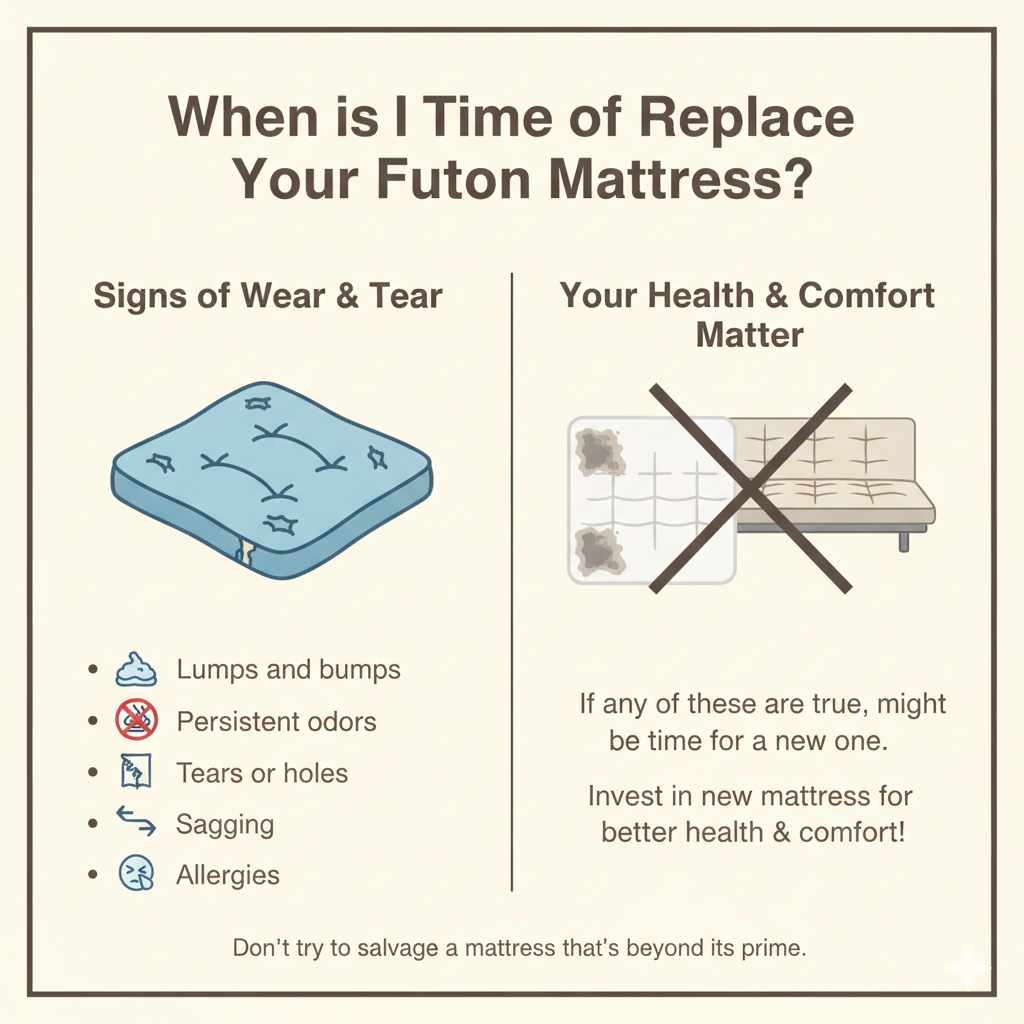
When is it Time to Replace Your Futon Mattress?
Even with the best care, futon mattresses don’t last forever. They are made of materials that wear down. If you notice:
- Lumps and bumps: The filling has shifted and clumped. It’s uncomfortable.
- Persistent odors: Even after deep cleaning and airing, it smells bad. This could mean mold or mildew has set in deep.
- Tears or holes: The fabric is ripped, or there are worn-out spots.
- Sagging: The mattress has lost its shape and doesn’t provide support.
- Allergies: You are having more allergy or asthma issues. Even after cleaning, it might be full of hidden allergens.
If any of these are true, it might be time for a new one. A comfortable and healthy place to rest is important. Don’t try to salvage a mattress that’s beyond its prime.
Investing in a new one is often the best choice for your health and comfort.
Frequently Asked Questions
Can I use a steam cleaner on my futon mattress?
Using a steam cleaner is generally not recommended for most futon mattresses. The heat and moisture from steam can penetrate deep into the filling. This can lead to mold, mildew, and clumping of the materials.
It’s safer to stick to spot cleaning and air drying.
How often should I clean my futon mattress?
You should vacuum your futon mattress at least once a month, or more often if you have pets or allergies. For a more thorough cleaning (spot cleaning or freshening with baking soda), aim for every 3-6 months, or as needed for spills and stains.
What if my futon mattress has a strong mildew smell?
A strong mildew smell usually means the mattress has absorbed too much moisture and mold or mildew has started to grow. Try airing it out thoroughly in direct sunlight for a full day. If the smell persists, the mattress may be compromised and could require replacement.
You can also try a specialized upholstery mildew cleaner, but test it in an inconspicuous area first.
Can I just spray my futon mattress with Febreze?
Spraying with air fresheners like Febreze can mask odors temporarily. However, it doesn’t clean the mattress. Some people are sensitive to the chemicals in air fresheners.
It’s better to tackle the source of the odor with methods like baking soda or enzyme cleaners and to ensure the mattress is clean and dry.
My futon mattress feels damp even after drying. What should I do?
If it still feels damp, it’s not dry enough. Continue to use fans and open windows. Try moving it to a warmer, drier location if possible.
Ensure good air circulation around all sides. Do not put bedding back on until it feels completely dry to the touch, all the way through. Patience is key to prevent mold.
What is the best way to get ink stains out of a futon mattress?
Ink stains can be tricky. First, try blotting with rubbing alcohol on a clean cloth. Dab gently, don’t rub.
Work from the outside in. You may need to use a fresh part of the cloth many times. After blotting, dampen a clean cloth with plain water and blot to rinse.
Then dry thoroughly. Always test rubbing alcohol in a hidden spot first.
Final Thoughts on Futon Cleaning
Cleaning a futon mattress is totally doable. It just requires a bit of know-how and care. Remember to always start with a good vacuum.
Tackle stains gently. Use minimal water. And dry it completely.
Baking soda is your secret weapon for freshness. A mattress protector is your best defense.
By following these steps, you can keep your futon mattress clean and comfortable. It’s about treating it right. Enjoy your fresh, cozy futon!
Products related to this article
Sponsored / affiliate links. As an Amazon Associate I earn from qualifying purchases. I may earn additional commission from eligible campaigns.