How to Make Bookcase: Proven Essential Designs
Make a bookcase with ease! Proven essential designs offer stylish, functional storage solutions for any home. This guide breaks down simple DIY steps and classic bookcase styles perfect for beginners, transforming your space affordably and beautifully.
For a related kitchen decision, How To Hide Box Spring On Platform Bed adds another practical detail to check.
For a related storage or furniture fix, Raised Panel Vs Flat Panel Cabinet Doors: Choice helps readers compare the next practical option.
Feeling like your books are staging a rebellion, scattered across tables and piling up on the floor? You’re not alone! Creating a dedicated, stylish home for your beloved reads can feel like a daunting design challenge, especially if you’re new to DIY. But what if I told you that building a beautiful and practical bookcase is more achievable than you think? Forget expensive furniture stores; we’re going to explore some of the most essential, beginner-friendly bookcase designs that will not only house your collection but also add charm to your living space. Get ready to build confidence and a fantastic new feature for your home!
Why Build Your Own Bookcase? The Magic of DIY
Embarking on a DIY project like building a bookcase can seem intimidating, but the rewards are truly fantastic. Beyond the obvious cost savings compared to buying a pre-made unit, there’s a unique sense of accomplishment that comes from creating something with your own hands. You get to customize the size, style, and finish to perfectly match your existing decor. Plus, it’s a wonderful way to gain new skills and discover your inner craftsperson. For beginners, starting with a simple bookcase design is a brilliant way to build foundational woodworking knowledge without getting overwhelmed. Ready to explore some of the best and most manageable designs?

Essential Bookcase Designs for Beginners: Style & Simplicity
When it comes to building a bookcase, especially for your first time, simplicity is key. We want designs that are straightforward to construct, require minimal specialized tools, and yield impressive results. Let’s look at a few of the most popular and successful styles that fit the bill.
1. The Classic Freestanding Bookcase
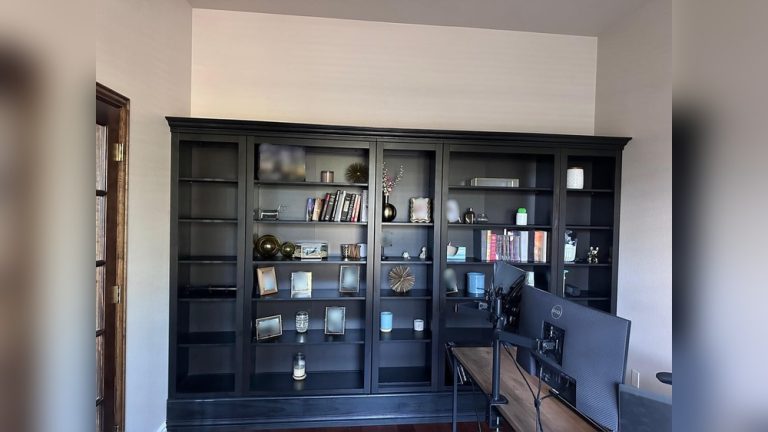
This is the quintessential bookcase: a sturdy, rectangular unit that stands on its own. It’s incredibly versatile and can be adapted in size to fit almost any space. Its straightforward construction makes it a perfect starting point for DIYers.
Key Features:
- Rectangular frame with adjustable or fixed shelves.
- Can be built to various heights and widths.
- Often includes a back panel for added stability.
- Great for holding books, decorative items, and storage bins.
Pros:
- Very Beginner-Friendly: Simple cuts and assembly.
- Highly Customizable: Easy to adjust dimensions and shelf spacing.
- Versatile: Fits in living rooms, bedrooms, offices, and studies.
Cons:
- Can be heavy when fully loaded.
- May require anchoring to a wall for safety, especially if tall.
2. The Floating Shelf Bookcase (Wall-Mounted)
For a modern, minimalist look, floating shelves are a fantastic choice. These shelves appear to be unsupported, emanating directly from the wall. While it sounds complex, the magic is in the hidden mounting hardware.
Key Features:
- Shelves that attach directly to the wall with hidden brackets.
- Creates a clean, uncluttered aesthetic.
- Ideal for showcasing books and lighter decorative objects.
Pros:
- Space-Saving: Excellent for smaller rooms or bare walls.
- Modern Appeal: Adds a sleek, contemporary touch.
- Customizable Layout: Arrange shelves in unique patterns.
Cons:
- Weight Limit: Cannot support as much weight as freestanding units.
- Installation Requires Precision: Must be securely mounted into wall studs.
- Not ideal for heavy, large book collections.
3. The Corner Bookcase
Corner spaces are often underutilized. A corner bookcase is designed to fit snugly into a room’s corner, making efficient use of otherwise wasted area. These can be a bit more challenging than a simple rectangle but offer a unique storage solution.
Key Features:
- Triangular or L-shaped design to fit into corners.
- Can be freestanding or sometimes wall-mounted.
- Maximizes vertical space in often-neglected areas.
Pros:
- Space Efficiency: Utilizes awkward corner real estate.
- Unique Design: Adds a distinctive architectural element.
Cons:
- Slightly More Complex to Build: Angles can be trickier.
- Limited Visibility: Deeper shelves in corners can be harder to access.
Choosing Your First Bookcase Project: What to Consider
Before you grab your tools, take a moment to think about what will make your DIY bookcase project successful and enjoyable.
Space and Size
Measure the area where your bookcase will live. Consider both the height and width, and also how deep the shelves need to be for your books (standard paperbacks need less depth than large art books or textbooks).
Your Skill Level
Be honest about your comfort with tools and woodworking. Starting with a basic, rectangular design is usually the best bet for a first-time builder. Floating shelves require precise wall mounting, while freestanding units allow for more forgiveness.
Materials and Budget
Commonly, bookcases are made from lumber like pine, which is affordable and easy to work with. Plywood is another excellent, cost-effective option. Consider the cost of wood, screws, glue, and any finishing materials like paint or stain. For resources on lumber types and their uses, the Woodworking Trade website offers great guidance.
Esthetic
What’s your style? Modern, rustic, traditional? This will influence your choice of wood, finishes, and even the overall design. A simple design can be dressed up with decorative trim or the right paint color.
How to Make a Simple Freestanding Bookcase: A Beginner’s Guide
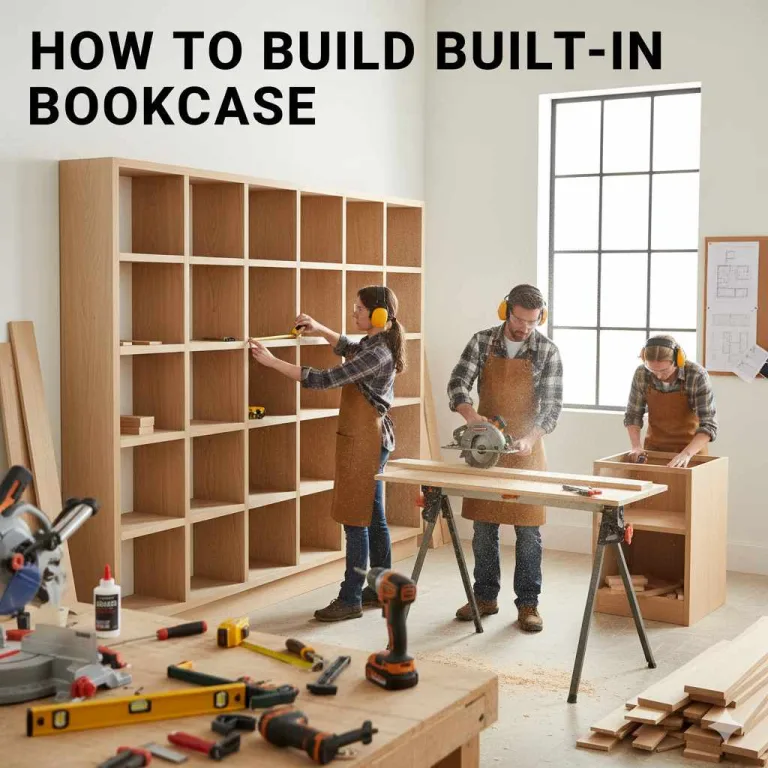
Let’s walk through the process of building a classic, freestanding bookcase. This is a project designed for success, even if you’ve never built anything before!
Tools and Materials You’ll Need:
Tools:
- Tape Measure
- Pencil
- Safety Glasses
- Work Gloves
- Saw (Hand saw, circular saw, or miter saw)
- Drill/Driver with drill bits and driver bits
- Screws (wood screws appropriate for your wood thickness)
- Wood Glue
- Sandpaper (medium and fine grit) or Orbital Sander
- Clamps (optional but very helpful)
- Level
- Square (combination square or speed square)
- Stud Finder (if anchoring to wall)
Materials:
- Lumber for sides, top, bottom, shelves, and back panel. Common choices for beginners include:
- 1×10 or 1×12 pine boards (for shelves and horizontal pieces)
- 1/4 inch plywood or hardboard (for the back panel)
- Wood screws (e.g., 1 1/4 inch and 2 inch)
- Wood glue
- Sandpaper
- Finish (paint, stain, sealant)
- Wall anchors or screws (if securing to wall)
Step-by-Step Building Process:
Plan Your Dimensions
Decide on the height, width, and depth of your bookcase. For a basic structure, let’s assume:- Height: 60 inches
- Width: 30 inches
- Depth: 10 inches (using 1×10 lumber)
- Number of Shelves: 4 (including the bottom). Space them evenly.
Assemble the Outer Frame
Lay one of the side pieces flat. Apply wood glue to the ends of the top and bottom pieces. Position them flush with the top and bottom edges of the side piece. Use a square to ensure they are at a perfect 90-degree angle. Pre-drill pilot holes and then secure them with wood screws (2-3 screws per joint). Repeat this process for the other side, creating a strong, rectangular box. Using clamps can help hold pieces steady.Install the Shelves
Decide on your shelf spacing. You can mark lines on the inside of the side panels where each shelf will go. Apply wood glue to the ends of a shelf, position it on your marked lines, and ensure it’s level. Pre-drill and screw into the side panels from the outside. Repeat for all shelves. If you want adjustable shelves, you would install shelf pins instead of permanently attaching them.Attach the Back Panel
Lay the assembled frame face down on a flat surface. Position the back panel (plywood or hardboard) onto the frame, ensuring it’s square. This panel significantly adds to the bookcase’s stability. Secure it using wood glue and small nails or screws, spacing them every 6-8 inches around the perimeter and along the back edge of each shelf. A well-attached back panel prevents the bookcase from racking (leaning sideways).Sand and Finish
Once the glue is dry, it’s time for sanding. Start with medium-grit sandpaper to smooth out any rough edges or imperfections. Follow up with fine-grit sandpaper for a silky-smooth finish. Wipe away all dust with a tack cloth or damp rag. Now, apply your chosen finish: paint, stain, or clear sealant. Follow the manufacturer’s instructions for application and drying times. Multiple thin coats are usually better than one thick one.Optional: Wall Anchoring
For safety, especially in homes with children or pets, or if the bookcase is tall, it’s highly recommended to anchor it to the wall. Locate wall studs using a stud finder. Mark the wall through the back panel of the bookcase. Pre-drill holes in the bookcase and the wall stud. Secure the bookcase using appropriate screws or L-brackets. This is a crucial safety step recommended by organizations like the U.S. Consumer Product Safety Commission (CPSC) to prevent tip-overs.
Designing for Style: Enhancing Your Basic Bookcase
Once you’ve mastered the basic build, you can elevate your bookcase from functional to fabulous. Here are some simple ways to add personal flair:
Shelf Spacing and Variety
Don’t make all your shelves the same height. Varying shelf heights can accommodate different sizes of books and decorative items, creating visual interest. You might have taller spaces for larger books or artwork and shorter spaces for paperbacks.
Back Panel Options
Instead of plain plywood, consider using beadboard, a patterned wallpaper, or even a contrasting paint color for the back panel. This adds a pop of personality and depth to your bookcase.
Decorative Trim
Add thin decorative molding or trim to the edges of the bookcase to give it a more finished, custom look. Simple quarter-round or a decorative profile can make a big difference.
Hardware
For bookcases with doors or drawers (a more advanced project!), consider stylish knobs or pulls that match your decor.
Finishing Touches
Paint or stain isn’t just about color; it’s about style. A crisp modern white, a deep classic walnut stain, or even a bold accent color can completely transform the feel of your bookcase.
Tips for Successful Bookcase Styling
Building the bookcase is only half the fun! Styling it allows you to express your personality. Here are some pro tips:
- Think in Threes: Group decorative items in odd numbers (groups of three are most visually appealing).
- Mix Textures and Heights: Combine books with plants, framed photos, vases, and sculptures. Varying heights and textures adds depth and interest.
- Don’t Overcrowd: Leave some “breathing room” on shelves. Empty space is just as important as displayed items.
- Color Coordinate: Arrange books by color for a striking visual impact, or mix them for a more eclectic feel.
- Balance is Key: Distribute heavier items and visual weight evenly across the shelves.
- Personalize It: Let your personality shine through with items that are meaningful to you.

Frequently Asked Questions About Building a Bookcase
What is the easiest type of bookcase to build for a beginner?
The classic freestanding rectangular bookcase with fixed shelves is generally the easiest. It involves mostly straight cuts and straightforward assembly, with fewer complex angles or fitting challenges.
What kind of wood is best for a beginner bookcase?
Pine is a fantastic choice for beginners. It’s relatively inexpensive, widely available, lightweight, and easy to cut and drill. Plywood is also a great option, especially for the back panel, as it’s stable and less prone to warping.
How do I ensure my bookcase is sturdy?
Use good quality wood glue at all joints in addition to screws. Attaching a solid back panel is crucial for preventing the bookcase from racking. For taller units, always anchor them to a wall stud for safety.
What tools are absolutely essential for building a simple bookcase?
You’ll need a tape measure, pencil, safety glasses, a saw, a drill/driver, wood screws, wood glue, and sandpaper. A level and square are also highly recommended for accuracy.
How can I make my DIY bookcase look more professional?
Pay attention to detail: ensure all cuts are square and accurate, sand surfaces thoroughly before finishing, and apply the finish evenly. Pre-drilling pilot holes before screwing prevents wood splitting, leading to a cleaner build.
What’s the benefit of a wall-mounted or floating bookcase?
Floating bookcases offer a modern, minimalist look and are excellent space-savers as they don’t have visible legs or a base. They create a clean visual line and can make a room feel larger.
Can I build a really tall bookcase safely?
Yes, but safety is paramount. For tall bookcases, it is essential to anchor them securely to wall studs. Consider making them slightly deeper or using heavier materials for added stability. Always follow manufacturer recommendations for furniture anchoring, such as those provided by CPSC.
Conclusion: Your Bookcase Journey Begins!
See? Building a bookcase is an incredibly rewarding and achievable DIY project for any aspiring decorator or homeowner. You’ve explored essential designs, from the classic freestanding unit to sleek floating shelves, and learned the practical steps involved in bringing one to life. Remember, the beauty of DIY lies in its adaptability. You can tailor these core designs to your specific needs, style, and space, creating a functional piece of art for your home. So gather your materials, embrace the process, and get ready to display your treasured books and decor with pride. Happy building!
Products related to this article
Sponsored / affiliate links. As an Amazon Associate I earn from qualifying purchases. I may earn additional commission from eligible campaigns.
 Acovy 30 Inch Floating Shelves, 9.3" Deep Floating Shelf Wall Mounted, 30" Wall Shelves, Rustic Deep Bookshelf, Large Display Shelves & Storage Shelves for Bedroom, Living Room, Brown, Set of 2
 Acovy 40 Inch Floating Shelves, 12" Deep Floating Shelf Wall Mounted, 40" Wall Shelves, Rustic Deep Bookshelf, Extra Deeper & Thicker Display Shelves for Bedroom, Living Room, Oak, Set of 2