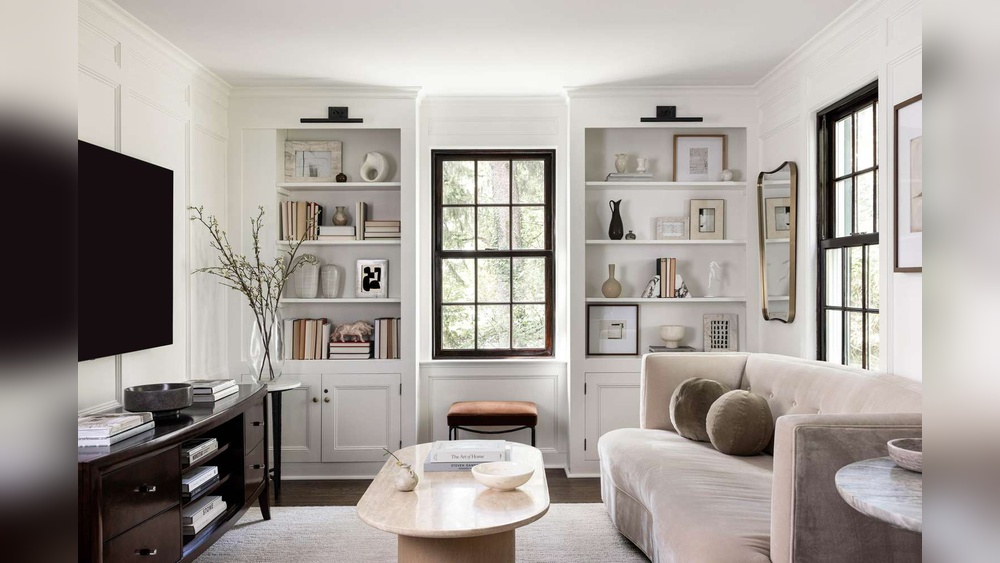
How To Style Bookshelf
A beautifully styled bookshelf can transform any room, elevating it from functional to a curated reflection of your personality and aesthetic. Whether you’re an avid reader, a collector of artful trinkets, or someone seeking a harmonious blend of form and function, your bookshelf deserves thoughtful attention.
Styling a bookshelf is more than simply stacking books; it’s about creating visual interest, telling your story, and complementing your home’s overall design.
Many people find bookshelf styling intimidating, often defaulting to overcrowded shelves or leaving them sparse and utilitarian. However, with the right approach, anyone can create a balanced, dynamic, and inviting display. This comprehensive guide draws on expert interior design principles, practical strategies, and real-world examples to help you master the art of bookshelf styling, no matter your space or budget.
Key Takeaways
- Bookshelf styling blends aesthetics and practicality; it’s about both visual appeal and accessibility.
- Layering different objects and arranging books creatively adds depth and prevents monotony.
- Color, balance, and negative space are critical for a cohesive, uncluttered look.
- Incorporate personal items and art for shelves that tell your unique story.
- Adapt styling strategies for small spaces, children’s rooms, and open-concept living areas.
The Foundations Of Bookshelf Styling
A well-styled bookshelf starts with understanding a few foundational design concepts. These will inform all your decisions, from book placement to accessory selection.
The Role Of Balance And Symmetry
Achieving visual balance is crucial. This doesn’t require perfect symmetry but rather an intentional distribution of visual weight. For example, if you place a large, dark vase on one shelf, consider balancing it with a cluster of smaller, lighter objects elsewhere. Symmetry can create a sense of order, but asymmetrical arrangements often feel more dynamic and modern.
Layering And Depth
Styling isn’t just about what sits on the shelf, but also how items relate to each other in space. Layering, placing objects in front of or behind one another, adds depth and makes shelves feel lived-in rather than staged. For instance, lean a framed photo behind a stack of books, or place a small sculpture in front of a row of standing volumes.
Color Coordination
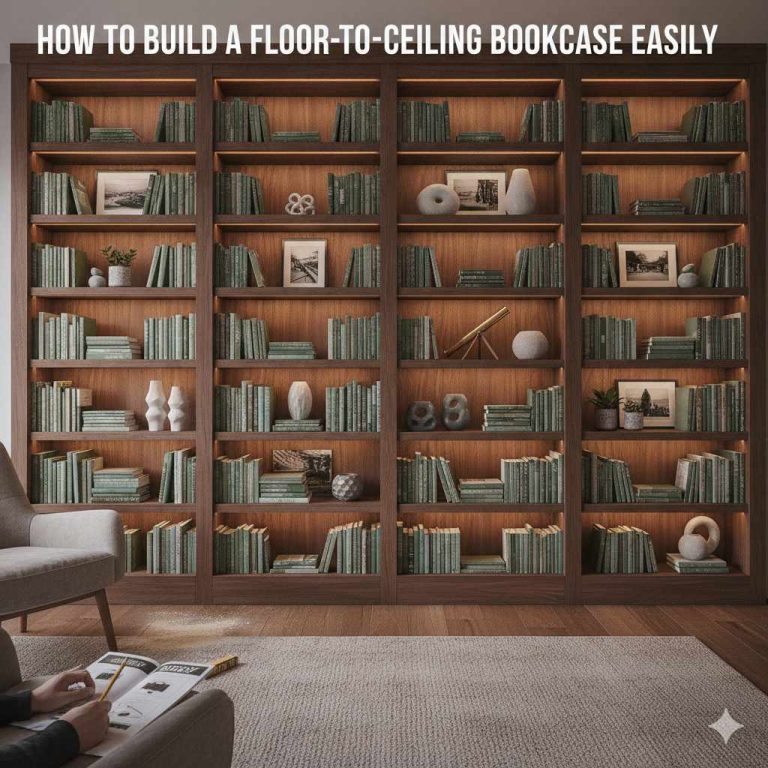
Color plays a significant role in bookshelf styling. Some choose to arrange books by color for a striking, graphic effect, while others prefer a more eclectic, organic mix. Consider your room’s palette: neutral shelves suit a minimalist space, while bold arrangements can energize a traditional room.
The Importance Of Negative Space
Negative space, the empty space around objects, is just as important as the objects themselves. Overstuffed shelves look cluttered and overwhelming. Leaving some gaps allows the eye to rest and highlights your most beautiful pieces.
Arranging Books: Creative Approaches
Books are the stars of any bookshelf, but how you display them can dramatically change the mood and function of your space.
Traditional Vs. Alternative Arrangements
The classic approach is to line books vertically, spines facing outward. However, mixing in horizontal stacks breaks up the monotony and serves as pedestals for decorative objects.
Example: In my experience, alternating between vertical rows and horizontal stacks keeps the eye moving and makes the shelf more interesting.
Sorting By Color, Size, Or Genre
- Color: Arranging books by color (the “rainbow method”) creates a vibrant focal point.
- Size: Grouping books by height creates a tidy, uniform look.
- Genre/Subject: For practical use, organize by topic, making it easy to find what you need.
| Arrangement Method | Best For | Potential Drawback |
|---|---|---|
| Color | Visual impact | Harder to find specific books |
| Size | Orderly appearance | Less colorful |
| Genre | Functionality | Less aesthetic focus |
| Mixed | Balanced look | Requires more planning |
Using Book Orientation
- Vertical (Spine Out): Maximizes capacity and readability.
- Horizontal Stacks: Provide variety and can support small decor items.
- Backward Books: Some style books with the pages facing out for a uniform, neutral look, best for display, not for finding titles.
Incorporating Bookends And Dividers
Bookends are both practical and decorative. Choose sculptural or meaningful bookends to add personality, or use natural objects like geodes, plants, or ceramics.
Decorative Objects: Adding Layers And Personality
The right accessories transform a functional shelf into a curated display. The key is to select objects that reflect your taste and tell your story.
Plants: Bringing Life To Your Shelves
Plants soften the look of bookshelves and add vibrant color. Consider:
- Small succulents for lower maintenance
- Trailing vines (like pothos or string of pearls) for higher shelves
- Air plants for tight spaces
Pro Tip: Use planters that complement your room’s color scheme and bookshelf material.
Art And Photographs
Leaning or hanging artwork on shelves adds instant sophistication. Mix framed art with unframed prints for variety. Family photos or travel snapshots personalize your display.
Sculptures And Collectibles
Integrate sculptures, ceramics, or unique collectibles to show off your interests. Odd numbers (groups of 3 or 5) often look most natural.
Baskets And Decorative Boxes
Baskets and boxes are ideal for corralling small items and reducing visual clutter. They’re especially useful for open shelving in living rooms or offices.
Candles And Lighting
Add ambiance with candles, LED fairy lights, or small lamps. Lighting draws attention to your arrangement and makes it feel intentional.
Achieving Visual Harmony: Composition And Spacing
Once you’ve selected your items, the next step is arranging them for maximum impact and usability.
Rule Of Thirds And Visual Triangles
Borrow from photography: divide shelves into thirds both horizontally and vertically. Place the most significant object off-center to create movement. Forming visual triangles with objects draws the eye naturally across the shelf.
Varying Heights And Shapes
Mix tall, medium, and short objects for a dynamic look. Combine round, square, and irregular shapes to avoid monotony.
| Object Type | Best Placement | Styling Tip |
|---|---|---|
| Tall Vase | Ends or center of shelf | Pair with shorter items |
| Stacked Books | Base for small items | Vary stack heights |
| Plants | Scattered, trailing from top | Mix leaf shapes |
| Artwork | Leaned at back | Layer with objects in front |
Leaving Negative Space
Don’t fill every inch. Empty spaces keep your arrangement from looking crowded and give each piece room to stand out.
Rotating Decor Seasonally
Refresh your shelves by updating decor with the seasons, swap in autumnal foliage, holiday accents, or spring florals as appropriate.
Case Studies: Real-world Bookshelf Styling
Seeing principles in action makes them easier to apply. Here are three real-world examples with actionable takeaways.
Example 1: Small Apartment Living Room
Challenge: Maximize style and function in a 4-foot-wide bookshelf.
- Mix vertical rows of books with horizontal stacks for interest.
- Add two small plants, a framed photo, and a ceramic bowl for keys.
- Use a woven basket on the bottom shelf for remotes and chargers.
Result: The bookshelf serves as both a focal point and a storage solution without overwhelming the space.
Example 2: Home Office Professional Display
Challenge: Create a background for video calls that looks polished and not distracting.
- Arrange reference books by color for a unified appearance.
- Add one large, leafy plant and two pieces of artwork at eye level.
- Keep the middle shelf mostly clear, using negative space to avoid visual clutter.
Result: The backdrop is attractive but not busy, projecting professionalism.
Example 3: Family Room With Kids
Challenge: Style shelves that are both beautiful and kid-friendly.
- Use lower shelves for children’s books, organized in baskets for easy access.
- Display a few favorite toys alongside art prints and small potted plants on higher shelves.
- Secure heavy objects on upper shelves for safety.
Result: The shelves are accessible for children, aesthetically pleasing for adults, and easy to keep organized.
Personalizing Your Bookshelf
The most compelling shelves reflect their owner’s interests and experiences. Here’s how to infuse your personality into your bookshelf styling.
Showcasing Hobbies And Interests
Display items that represent your passions, musical instruments, vintage cameras, travel souvenirs, or handmade pottery. These tell your story and serve as conversation starters.
Integrating Sentimental Items
Heirlooms, family photos, or childhood artifacts add emotional resonance. Group these with care, using coordinating frames or display stands.
Mixing Old And New
Contrast vintage books or antiques with modern decor for eclectic charm. This juxtaposition adds depth and avoids a one-note look.
Curating Rotating Displays
Change up your arrangement periodically to showcase different books or treasures. This keeps your shelves feeling fresh and allows you to enjoy more of your collection over time.
Styling Bookshelves For Different Spaces
Bookshelf styling isn’t one-size-fits-all. Tailor your approach to the room, shelf type, and specific needs.
Living Room Bookshelves
These shelves are often highly visible and double as display space. Incorporate art, plants, and decorative objects alongside books. Use larger statement pieces on top or at the ends.
Bedroom Bookshelves
Keep it calm and uncluttered. Focus on books you’re currently reading, a few favorite photos, and a scented candle or small lamp.
Home Office And Study Shelves
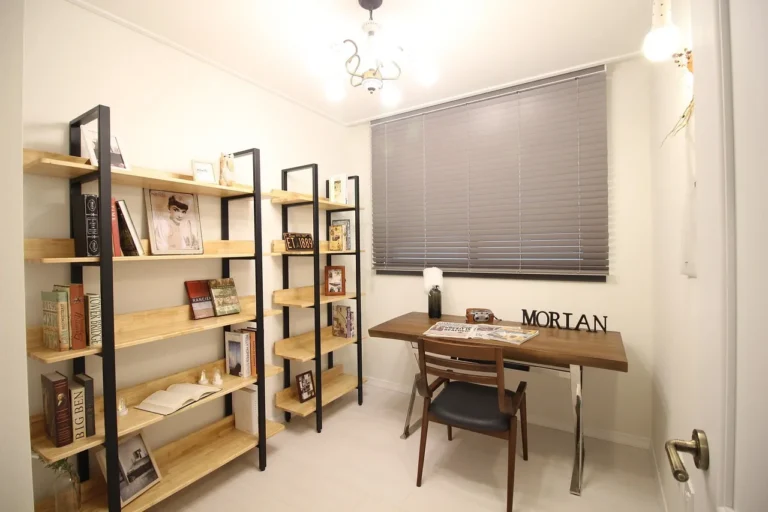
Prioritize function. Organize reference materials for easy access, and use baskets or boxes to contain supplies. Add a personal touch with art or memorabilia.
Children’s Room Shelves
Safety and accessibility are key. Use bins and baskets for toys and books, and ensure heavier items are out of reach. Choose cheerful colors and playful accessories.
Small Space Solutions
For tiny apartments or narrow nooks, floating shelves or wall-mounted book ledges maximize storage without bulk. Use mirrors or metallic objects to reflect light and visually expand the area.
Pro Tip: In small spaces, keep the color palette tight and limit the number of objects on display to avoid a crowded feel.
Bookshelf Styling Mistakes To Avoid
Even seasoned decorators can fall prey to common mistakes. Avoid these pitfalls for a polished look.
Overcrowding
Too many items make shelves feel chaotic. Edit ruthlessly, sometimes less is more.
Neglecting Practicality
Shelves should be both beautiful and usable. Don’t hide books you reach for often, and make sure baskets are accessible.
Ignoring Scale
Tiny objects get lost, while oversized items can dominate. Use a mix of sizes, but ensure each object is proportionate to the shelf.
Lack Of Cohesion
A random assortment of colors, styles, and materials can look messy. Stick to a consistent color palette or material theme.
Forgetting To Clean And Maintain
Dust and clutter accumulate easily. Regularly tidy up, and rotate objects to keep the display feeling fresh.
Data-driven Design: What Experts Say
Interior designers and stylists have long debated the best strategies for bookshelf styling. Here’s a look at professional advice and survey data.
Designer Recommendations
According to a survey by the American Society of Interior Designers, 83% of professionals recommend mixing books with decor objects, and 74% suggest leaving at least 15% of each shelf empty for negative space (ASID Research).
Popular Shelf Styling Trends
A 2026 trend report by Houzz found that:
- Color-blocked bookshelves increased in popularity by 27% year-over-year.
- Natural materials (wood, clay, stone) are favored for baskets and decor.
- Integrated lighting (LED strips or shelf spotlights) is a rising trend, especially in new built-in installations.
Table: Popular Shelf Styling Elements
| Element | 2026 Usage (%) | 2026 Usage (%) | Change (%) |
|---|---|---|---|
| Books Only | 46 | 38 | -8 |
| Books + Decorative Objects | 54 | 62 | +8 |
| Integrated Lighting | 11 | 19 | +8 |
| Plants | 39 | 47 | +8 |
The Impact Of Bookshelf Styling
A survey by the National Association of Home Builders reported that well-styled shelves increase perceived property value in staged homes by up to 3%. This underscores the importance of thoughtful display, not just for your enjoyment, but for resale potential.
Frequently Asked Questions
How Do I Style A Bookshelf On A Tight Budget?
Start by using what you already own. Rearrange your books in new ways, and repurpose household items like mugs, bowls, or framed greeting cards as decor. Thrift stores often have affordable vases and baskets. For greenery, propagate cuttings from existing houseplants or use faux options.
Should I Remove Dust Jackets From My Books For A Cleaner Look?
Removing dust jackets can create a more uniform, less busy appearance, especially if the books underneath have coordinating colors. However, dust jackets protect books from wear and sunlight. Consider removing them only for display, and store them safely if you want to preserve their condition.
How Can I Style Bookshelves In A Rental Without Making Permanent Changes?
Opt for removable wallpaper or peel-and-stick contact paper to add color or pattern to the back of shelves. Use adhesive hooks for lightweight art or string lights. Freestanding baskets and organizers won’t damage shelves and can be taken with you when you move.
What Are Some Ways To Child-proof Styled Shelves?
Secure bookshelves to the wall with anti-tip brackets. Place heavier or breakable items on higher shelves. Use baskets on lower shelves for toys and board books, and avoid small objects that could be choking hazards. Choose rounded decor items to minimize bumps and bruises.
Is It Okay To Mix Hardcover And Paperback Books?
Absolutely. Mixing formats adds texture and interest. Use horizontal stacks to group smaller paperbacks together, or intersperse them with hardcovers for a casual, lived-in look. Just be sure to support delicate paperbacks with sturdy bookends or other books.
A thoughtfully styled bookshelf does more than organize your books, it reflects your tastes, tells your story, and enhances your living space. By combining core design principles with personal touches and expert advice, you can create a shelf that is both beautiful and functional. Remember, bookshelf styling is an evolving process; don’t be afraid to experiment, rotate your displays, and let your shelves grow with you over time. For more inspiration on home organization and decor, check out Real Homes and explore related topics like choosing the right canning jar and freeze-drying vs canning for storage. Your bookshelf, after all, is more than just a place for books, it’s a showcase for your life.
Products related to this article
Sponsored / affiliate links. As an Amazon Associate I earn from qualifying purchases. I may earn additional commission from eligible campaigns.