Bookshelf vs Wall Shelves: Which Fits Your Room Best?
Choose wall shelves for light display pieces and a few books. Use a bookshelf for real collections, especially once the load gets moderately heavy per shelf or you need fast, steady access. Pick the wrong one, and shelves sag, anchors give way, or floor area gets wasted. This guide compares load limits, layout, and room use so you can choose the safer, smarter option.
This guide is part of our Bookshelf guide: build, style, and organize series.
Bookshelf vs wall shelves: the real trade-off



The choice starts with load and layout, not style. Wall shelves use less space and fit smaller, modern houses well, while a bookshelf gives you more room for books and very large objects. The right answer depends on what the wall can support, how much floor area the room can spare, and how much weight the storage must carry.
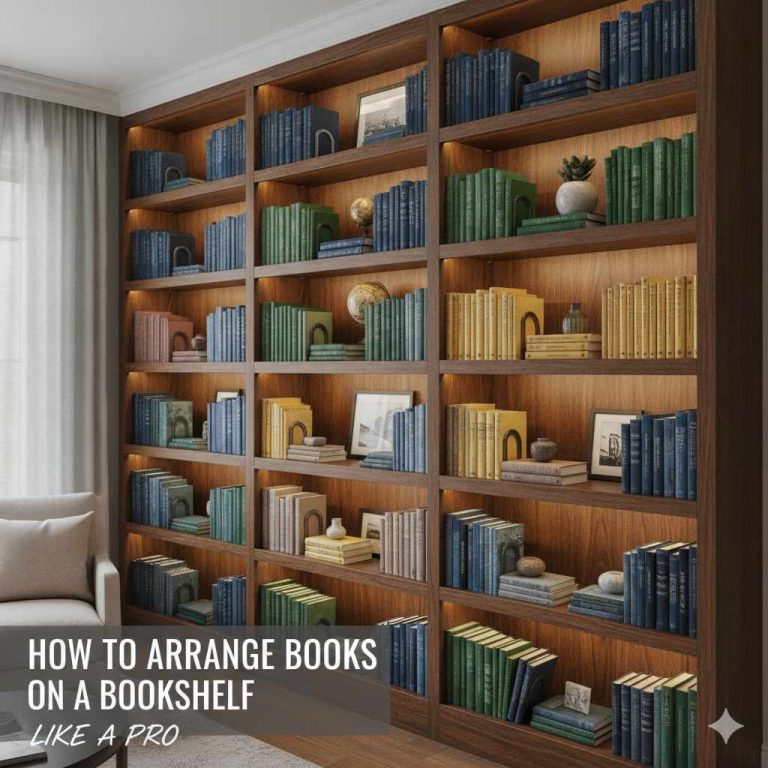
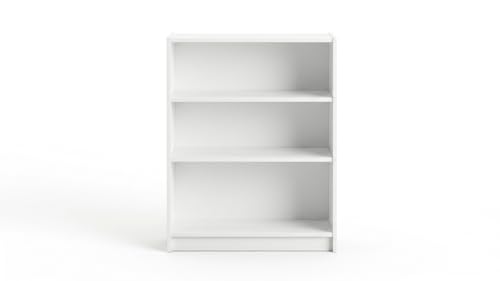
Wall shelves attach to the wall and leave the floor clear. Bookshelves are freestanding or built-in units mainly used to store books. That difference matters because a shelf that looks clean can still be the wrong tool if it is loaded like a bookcase.
| Decision factor | Bookshelf | Wall Shelves | Winner |
|---|---|---|---|
| Load and weight capacity | Handles moderate to high storage; better for heavier books and larger objects | Best for light to moderate loads; capacity depends on wall support | Bookshelf |
| Floor space and room footprint | Uses floor area | Saves floor space and fits tight layouts | Wall Shelves |
| Install complexity | Usually simpler to place; no wall attachment for freestanding units | Needs wall fixing, brackets, and anchors | Bookshelf |
| Renter-friendliness | Often easier to remove with less wall repair | Can leave holes, patching, and permission issues | Bookshelf |
| Book capacity | Better for larger collections and mixed storage | Better for a small set of books, décor, or paperbacks | Bookshelf |
| Styling flexibility | Works for books, plants, images, and decorations | Useful for books, plants, and photos; especially good for a minimal look | Tie |
Load and weight capacity
Bookshelves win because they spread weight across a base, and many are built for heavier books, files, and larger objects. Wall shelves can hold books, but only when the shelf design, wall type, and fasteners all match the load. If any one of those is weak, the shelf becomes the problem.
Floor space and room footprint
Wall shelves win here because they conserve floor space and fit modern settings. That matters in narrow hallways, small apartments, and rooms that need open walking paths. A bookshelf takes more room, but that floor footprint is what gives it storage depth and stability.
Install complexity and wall support
Bookshelves are easier when you want a ready-made storage unit with no wall attachment. Wall shelves need appropriate brackets and wall support, so studs, anchors, and the right hardware matter. On drywall, plaster, brick, and concrete, the fastener choice changes, and the wrong match can lead to sagging or detachment.
Renter-friendliness and damage risk
Bookshelves are usually friendlier for renters because they do not require wall fixing. Wall shelves can be acceptable, but they may leave holes and might need patching on move-out. In rental units, permission matters too, because even a small shelf can become a repair issue if anchors are mismatched or the wall is damaged.
Book capacity and mixed-use storage
Bookshelves are the better pick when books are the main load. They also work well for files, textbooks, and boxed items in a home office or home library. Wall shelves are better when the mix leans toward décor, a few paperbacks, and smaller objects that do not need deep bins or full-height compartments.
Styling flexibility
This is the closest category. Bookshelves can show plants, images, and decorations, and wall shelves can do the same with a lighter visual footprint. Floating shelves, a wall-mounted variant, lean into a minimal, modern look, but they should not be confused with true bookcases when the load gets serious.
Can wall shelves hold books?

Yes, wall shelves can hold books when the load is light and the mounting is done correctly. They work well for paperbacks, a few hardbacks, and display-heavy setups, but the wall structure, brackets, and anchors decide the safe limit. Heavy book runs are a different problem.
When wall shelves are fine for books
Wall shelves work well for a small stack of paperbacks, a short row of hardbacks, or books mixed with décor items. They also suit times when the goal is open sightlines rather than bulk storage. In small rooms, that trade can make the wall feel less crowded.
Why studs, anchors, and wall type decide the limit
Wall studs are the preferred mounting point for heavy shelves because they increase load support. If studs are missed, the shelf may rely too much on drywall or plaster, which is where failure often starts. Wall anchors are critical in drywall, plaster, brick, and concrete situations, but the weight rating must match the actual load.
Warning signs the shelf is carrying too much
Sagging front edges, pulled screws, tilted brackets, and cracked wall material are warning signs. If the shelf flexes when books are placed on it, the load is already too high. A floating shelf with a minimal bracket profile should be treated as décor storage first, not as a substitute for a bookcase.
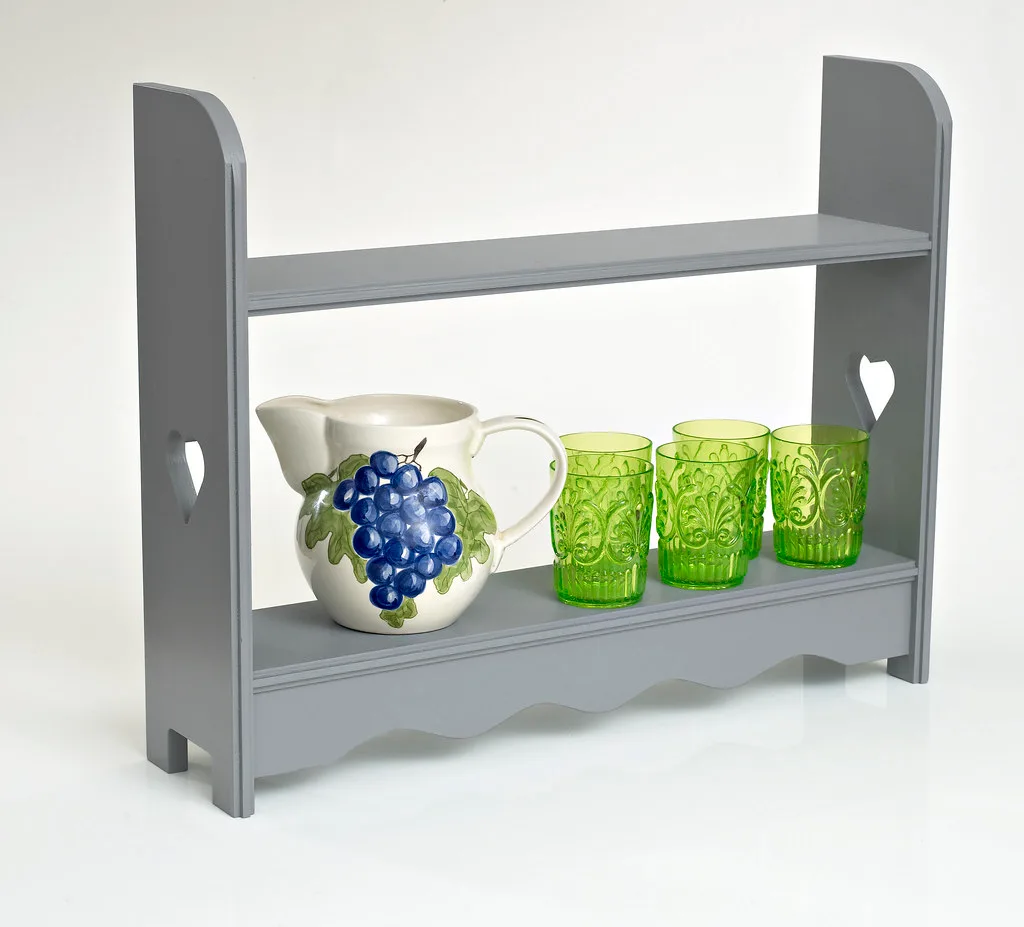
Are bookshelves better for heavy books and larger collections?
Yes. Bookshelves are usually better for heavy books and larger collections because they are built for real storage capacity and steadier support. Freestanding and built-in bookshelves can hold more weight than most wall-mounted shelving, and that makes them the safer choice for dense stacks, files, and oversized books.
Why freestanding and built-in bookshelves carry more
A bookcase is a cabinet with shelving used to store books, and that cabinet form gives it better load distribution. Freestanding bookshelves do not need wall attachment, while built-in units can be tied into the room structure. Either way, the load is not hanging from fasteners alone.
Anti-tip needs for tall units
Tall bookshelves should be considered with anti-tip protection, especially in homes with children or uneven floors. This matters because a heavy unit can shift even when the shelves themselves are strong. The risk is not just shelf failure; it is the entire unit tipping forward.
When the floor-space trade-off is worth making
If the room needs true storage more than open floor area, the trade is worth it. That is common in home libraries, file-heavy offices, and larger rooms where a deeper unit improves organization. A bookshelf is the better tool when a shelf would become overloaded before the collection does.
Which is better for a small room, home office, or apartment?
Small spaces usually favor wall shelves, but only when the load stays light. A home office often needs a mixed answer, with a bookshelf for files and textbooks and wall shelves for supplies or display. A home library usually favors bookshelves because the collection, not the wall, is the main load.
Small apartment storage
Small apartment storage usually benefits from vertical storage that leaves open floor area. Wall-mounted units work well in small living rooms and narrow hallways, and wall mount bookshelves can make a room feel larger by freeing the floor. That said, apartment renters still need to weigh wall damage and permission.
Home office storage
A home office is often a mixed-use space. A bookshelf works well for files, textbooks, binders, and printer paper, while wall shelves are better for a few reference books, supplies, or framed items. The best setup keeps the work surface clear without forcing all storage onto the wall.
Home library storage
Home library storage typically favors bookshelves because it needs more space and better capacity. Bookshelves are ideal for a home library because they offer more space and handle larger collections more efficiently. Wall shelves can still fill gaps or hold décor, but they should not be the main storage plan.
Decision matrix: score each option before you buy

Score each option from 1 to 5 on each factor, then total the results. Use the higher score as the better fit for your room and load. If two categories tie, let the wall type, renter status, and collection size break the tie.
- Load: Give the higher score to the option that safely handles the actual weight of books and objects.
- Floor space: Give the higher score to the option that leaves the room more usable.
- Install complexity: Score the option that is easier to place and secure in your wall type.
- Renter-friendliness: Score the option that is easier to remove and repair at move-out.
- Book capacity: Score the option that better matches the size of the collection.
- Styling flexibility: Score the option that fits books, décor, and room layout without crowding the space.
| Factor | Bookshelf score | Wall Shelves score | Why it matters |
|---|---|---|---|
| Load | 5 | 3 | Heavy books need stronger support |
| Floor space | 2 | 5 | Small rooms need open circulation |
| Install complexity | 4 | 2 | Wall fixing adds steps and hardware checks |
| Renter-friendliness | 4 | 2 | Wall repair risk is lower with freestanding units |
| Book capacity | 5 | 2 | Larger collections need more shelf depth and count |
| Styling flexibility | 4 | 4 | Both can hold décor; the look just differs |
How to read the scores in mixed-use spaces
If the score gap is small, pick by risk, not by appearance. A room with files, textbooks, and décor usually needs a bookshelf near the work zone and wall shelves above it for lighter items. That setup keeps heavy storage low and decorative storage up high.
Room-by-room recommendation chart
| Room type | Best fit | Why |
|---|---|---|
| Small apartment | Wall Shelves | Prioritizes vertical storage and open floor area |
| Home office | Bookshelf, with wall shelves for light items | Files and textbooks need stronger storage |
| Home library | Bookshelf | Needs larger capacity for a consolidated collection |
| Narrow hallway | Wall Shelves | Freestanding furniture would block circulation |
| Large living room | Bookshelf | The room can absorb the floor footprint |
Choose bookshelf if… / Choose wall shelves if…
Choose a bookshelf if you need higher capacity, heavier storage, or a safer place for books, files, and larger objects. Choose wall shelves if your priority is open floor area, light-to-moderate loads, or a display-focused setup in a small room. The wall type, your renter status, and the collection size should decide the final call.
Choose bookshelf if…
Choose a bookshelf if the load is heavy, the collection is large, or the room needs real storage more than open sightlines. It is the better choice for home libraries, file-heavy home offices, and taller collections that would strain wall fasteners. It is also the better default when you want less worry about wall anchors.
Choose wall shelves if…
Choose wall shelves if the items are light, the room is tight, or the goal is to keep the floor clear. They work especially well for small apartments, narrow hallways, and display zones with books, plants, and photos. Use studs or rated anchors, and keep the load within the shelf’s actual support range.
Frequently asked questions
what is the difference between a bookshelf and a wall shelf?
A bookshelf is a freestanding or built-in storage unit, while a wall shelf is fixed to the wall and leaves the floor clear. The main difference is load behavior: bookshelves are built for larger storage, and wall shelves are better for lighter items and display.
can wall shelves hold books?
Yes, wall shelves can hold books, but usually for lighter loads such as paperbacks or a small number of hardbacks. The safe limit depends on the wall type, the brackets, and whether the shelf is fastened into studs or properly rated anchors.
are bookshelves better than floating shelves for heavy books?
Yes. Bookshelves are better for heavy books because they sit on the floor and spread the load through the unit itself. Floating shelves can look clean, but they depend more on wall support and are better suited to décor and small objects.
which option is better for a home office, bookshelf or wall shelves?
For most home offices, a bookshelf is better for files, textbooks, and supplies that add weight quickly. Wall shelves are useful above the desk for light items, reference books, or décor, but they should not carry the full storage job if the office has a substantial paper load.
which is better for small rooms: bookshelf or wall shelves?
Wall shelves are usually better for small rooms because they save floor space and keep circulation open. That said, if the room stores many books or heavy items, a compact bookshelf may work better than forcing too much weight onto the wall.
do wall shelves save more space than bookshelves?
They save more floor space, yes. That is different from saving total storage space. Wall shelves open up the floor and can make a room feel larger, while bookshelves usually provide more usable storage per unit when the goal is holding many books or bulky items.
Products related to this article
Sponsored / affiliate links. As an Amazon Associate I earn from qualifying purchases. I may earn additional commission from eligible campaigns.
 Acovy 40 Inch Floating Shelves, 12" Deep Floating Shelf Wall Mounted, 40" Wall Shelves, Rustic Deep Bookshelf, Extra Deeper & Thicker Display Shelves for Bedroom, Living Room, Oak, Set of 2
 Acovy 24 Inch Floating Shelves, 12" Deep Floating Shelf Wall Mounted, 24" Wall Shelves, Rustic Deep Bookshelf, Extra Deeper & Thicker Display Shelves for Bedroom, Living Room, Brown, Set of 2