4 Best Bookshelf Ideas for Home Offices: based on specs and reviews
For many home offices, a vertical bookshelf around 60 to 72 inches tall with adjustable shelves and roughly 12- to 14-inch depth is a practical setup, with frequently used items kept at eye level. Poor shelving eats desk space, piles up visual noise, and slows daily work. This roundup covers layouts, reach zones, room-fit choices, and shelf styles that keep the office calm and useful.
This guide is part of our Bookshelf guide: build, style, and organize series.
Quick comparison
| Product | Badge | Best for | Price | ||
|---|---|---|---|---|---|
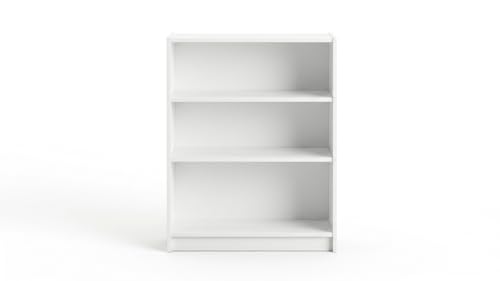 |
Ikea BILLY Bookcase, white 80x28x106 cmIKEA | Our pick | white · 80×106 cm · Wall-mount required | $159.99
Price as of 27 Sep 2026
|
View |
 |
VECELO Bookshelf,Small Bookcase,3-Tier StorageVECELO | Budget pick | Brown · 30"H · 3-tier · 60 lb capacity | $53.92
Price as of 27 Sep 2026
|
View |
 |
Furinno Basic Book Shelf, 4-Tier Bookcase with Open Shelf,Furinno | Pair with it | Espresso · 7×17×35 · 4-tier · 15–30 lb | $30.37
Price as of 27 Sep 2026
|
View |
 |
Homedawn 3-Tier Bookshelf, Ladder Shelf, Stand up Shelves,Homedawn | Also great | Greige & Black · 3-tier · 60 lb · Anti-tip | $32.29
Price as of 27 Sep 2026
|
View |
This quick comparison is about fit, not just appearance. The right choice depends on desk width, book volume, and how much shelf activity stays in your screen view while you work.
How we chose
We compared bookshelf types by wall use, reach distance, and how well each one supports real office storage. The strongest options also had sensible depth for books and files, plus a layout that would not crowd a desk, printer, or task light.
We also weighed visual calm. In a workroom, open shelving can help, but only when it does not turn the wall behind your monitor into a distraction.
Finally, we looked at budget and installation effort. Some rooms need ready-made shelving. Others call for built-in or made-to-measure work because the wall space is awkward or the book load is high.
Built-in shelving: best for tight floor plans
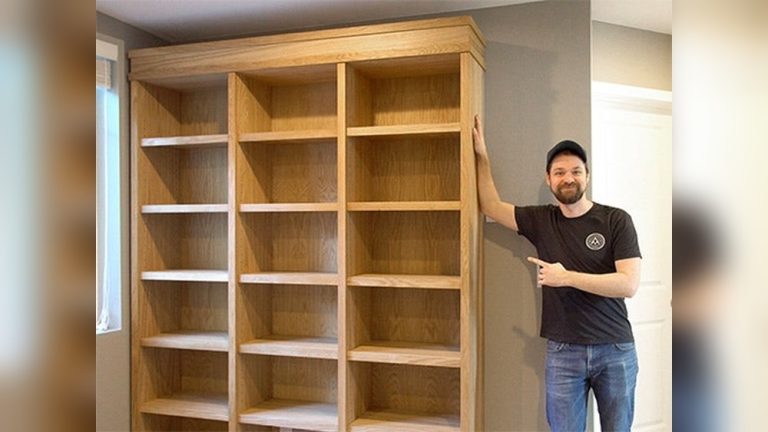
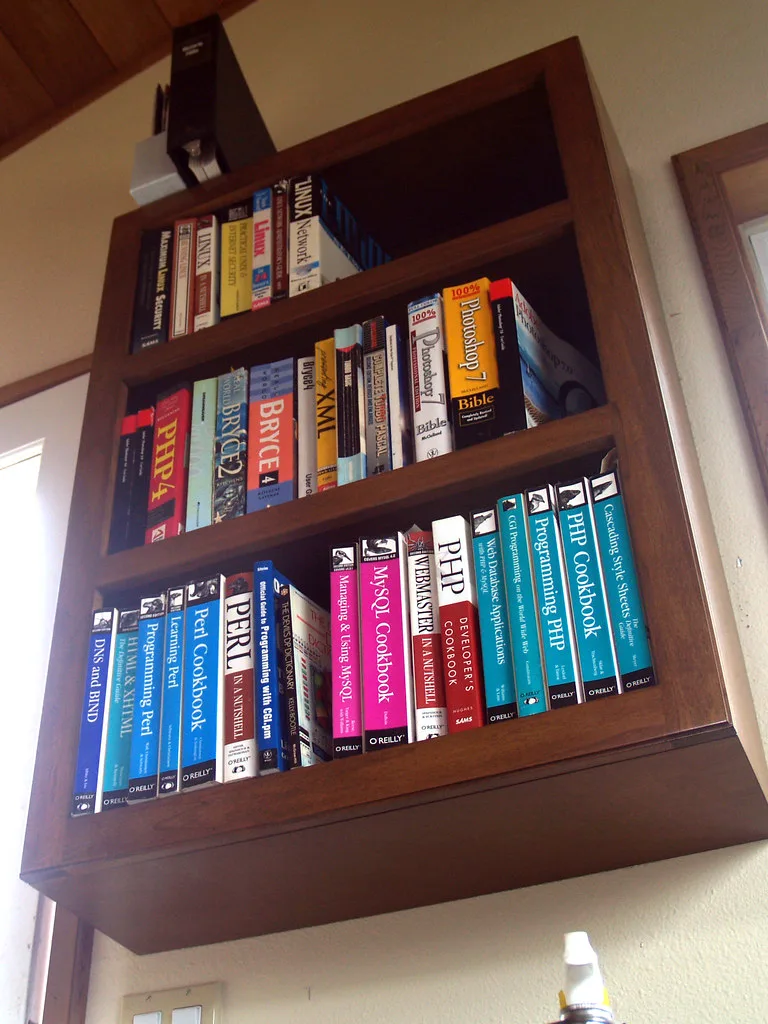
Built-in shelving is often a strong option for home offices because it uses wall space efficiently and keeps the floor more open. It suits people who want books, files, and office tools in one place without adding another bulky piece of furniture.
This is especially useful in narrow wall sections, because built-ins can fit into spaces that would otherwise go unused. They also work well beside a desk or printer, where daily access matters more than display.
The drawback is cost and commitment. Built-ins usually need made-to-measure work, wall fixing, and a cleaner installation plan than a freestanding bookcase.
Why it wins for mixed work storage
Built-ins handle the messier parts of home office life better than a display-focused shelf. They can hold reference books at arm’s reach, hide files lower down, and keep printer supplies in a stable spot that does not eat into desk depth.
For hybrid workspaces, that mix matters. A shelf can store books, binders, labels, and charging gear in one vertical run instead of scattering them across the room.
When a floor-to-ceiling run makes more sense
Choose a floor-to-ceiling run when the collection is large or the room already feels short on storage. This approach uses vertical storage well and can create a home-library look without needing more floor area.
A painted-to-match finish helps the run blend into the wall, which keeps the room quieter visually. That matters most when the desk faces the shelving.
When to skip built-ins and choose a freestanding unit
Skip built-ins when you rent, expect the layout to change, or need a lower-cost setup now. Freestanding shelving makes more sense when wall fixing is not allowed or when the office may later become another room.
In those cases, a bookcase with adjustable shelves is the safer buy. It can move with the desk and still handle active work materials.
Floor-to-ceiling bookshelves: best for large collections
Floor-to-ceiling bookshelves can work well for larger collections and for rooms that can handle a more visually dominant piece. They use vertical space and can turn a spare room into a more library-like office.
This style works well when the desk sits in the center or below a lower run, because it keeps the upper wall working. It also suits rooms where the owner wants books out in the open instead of boxed away.
The drawback is visual weight. If the shelves are dark or packed too tightly, they can make the room feel busier than a work zone should.
Making the upper shelves useful
Upper shelves should not become dead storage. Keep lesser-used reference books, archival files, or spare supplies there, and reserve the lowest and middle levels for things you touch during the week.
Anything above easy reach should earn its place. If it will sit untouched for months, it may be better stored elsewhere.
When a painted-to-match finish helps the room feel quieter
A finish matched to the wall color helps a tall bookcase recede visually. That is useful in small rooms, rooms with a lot of screen time, and offices that already carry other visual load from a monitor, printer, or pinboard.
Matching curtains and soft furnishings can also cut distraction. The room feels more settled when the shelf is part of the envelope, not a hard contrast.
What to avoid with tall shelving
Avoid overfilling every shelf edge with decor. Too many visual distractions can make a room feel chaotic, especially when the monitor is on the same wall.
Also avoid placing the tallest shelves where they block light or create a head-bump risk near a desk chair.
Desk-adjacent shelves: best for daily work materials
Desk-adjacent shelves are best when books, notebooks, and files need to stay within arm’s reach. They reduce desk clutter and can act like a side-storage swap in compact office setups where there is no room for a separate cabinet.
This format works well for daily-use storage. It keeps active items close, while leaving the desktop open for a laptop, keyboard, and task lamp.
The drawback is that open shelves show everything. If the contents are messy or the shelf sits in a direct sightline, the office can feel busy fast.
When they replace a side table-style setup
Use desk-adjacent shelves when a side table would otherwise collect piles. A slim shelf beside the desk can hold notebooks, chargers, and a printer tray without taking the same footprint as a chest or cabinet.
That makes them a good fit for small apartments and hybrid workstations where every inch matters.
Best contents for the reach zone
Keep current project books, active files, sticky notes, and charging gear on the most reachable shelf levels. If you use a printer daily, store paper or ink nearby, but not on the same level as your elbow where it can crowd the work zone.
Reserve the top or lower shelf for backup supplies, not the things you grab every hour.
What to watch with open side storage
Open shelving near a desk can become a distraction during long screen sessions. If the shelf holds mixed papers, bright objects, or tangled cables, you may spend more attention on the shelf than on the work.
That is the point where baskets, boxes, or closed lower sections become more useful than display.
What should you put on a home office bookshelf?
Keep active books, notebooks, files, and chargers within easy reach. Keep decor, reference books, and light storage above eye level. Remove anything noisy, awkward, or unrelated from the main sightline so the shelf supports work instead of competing with it.
Arm’s-reach items
Put the items you use most often between desk height and the first easy shelf above it. That usually means current project books, a notebook stack, folders, and charging gear.
If a printer sits nearby, add paper, spare ink, or labeled file holders within a single pivot from the chair.
Above eye level
Above eye level is the right place for lighter decor, less-used reference books, and backup supplies. These items can stay visible without demanding attention every time you look up from the monitor.
That upper area is also good for matching boxes or baskets when you need order without a fully closed cabinet.
What to keep out of the main sightline
Keep loose cables, overflow paperwork, and bright object clusters out of the direct monitor view. These are the pieces that create the most visual noise while you work.
If the shelf faces the desk, use the center zone for calmer items and leave the most chaotic storage lower down or behind doors.
How should you size and place a bookshelf around a desk?
A desk-area bookshelf should be shallow enough to avoid crowding the chair path and deep enough to hold books and office files without tipping. Keep the most-used shelf within arm’s reach, and place taller units where they do not block light or headroom.
Shelf depth and safe reach distance
For many office setups, a depth in the roughly 12- to 14-inch range is practical for books, binders, and other desktop storage items. Shallower shelves can work for slim paperbacks or display, but they limit flexibility.
Reach matters too. If you need to lean forward or twist to grab the item, the shelf is too far from the seated working zone.
How high to place shelves above a desk
Shelves above a desk need enough clearance to avoid head bumps and to keep the monitor wall from feeling heavy. The safest placement is high enough that a seated user can move without brushing the shelf edge or blocking task light.
Keep the lower shelf line above the tallest point of your monitor, lamp, and any raised laptop stand.
Where windows, alcoves, and open corners fit best
Wall space around windows can hold slim shelving and help use awkward areas while keeping floor space open. That is one of the strongest choices in compact rooms.
Awkward alcoves can be converted into discreet bookshelf storage, and narrow wall sections are ideal for built-ins when you want more storage without a larger footprint.
Placement rules for a working office
- Keep active books and files within arm’s reach of the chair.
- Place printer supplies beside, not behind, the printer.
- Keep cords routed down the side or rear of the shelf.
- Leave the line above the desk open enough for task lighting.
- Use upper levels for less-used items and calmer decor.
How do I style a bookshelf in a home office?
Style a home office bookshelf with restraint. Match the shelf color to the wall, then echo that tone in curtains or soft furnishings so the storage reads as part of the room instead of a separate object.
Color coordination that calms the room
Bookshelves can be matched to wall color, curtains, and soft furnishings to cut visual distraction. This is one of the easiest ways to make a workroom feel calmer without hiding the storage entirely.
When the shelf and wall are close in tone, the books become the main visual activity instead of the furniture.
Simple styling that still looks professional
Use a small number of repeated containers, a few upright books, and one or two objects with a clear purpose. That keeps the shelf from drifting into decorative clutter.
Professional-looking shelves usually feel edited, not empty.
What not to do
Do not fill every open square. Too many small objects create noise, especially on shelves that sit beside a monitor.
Skip oversized decor in a workroom. It competes with the desk instead of supporting it.
What bookshelf ideas work in a small home office?
In a small home office, the best ideas are vertical, shallow, and wall-aware. Slim built-ins, low-level shelving, and units around windows or in alcoves keep the floor open while still giving you enough storage for daily work.
Low-level shelving
Low-level shelving is easier to access from seated positions and works well in compact spaces. It also keeps the upper wall visually lighter, which helps a small room feel less boxed in.
This is especially useful in multi-use rooms where the office needs to share space with another function.
Wall space around windows
Window-adjacent shelving can make awkward wall areas useful without blocking the room. Slim shelves beside a window keep the center of the room open for a desk and chair.
That approach is one of the cleanest ways to handle a small apartment office with limited wall sections.
Awkward alcoves
Awkward alcoves can be turned into discreet storage instead of wasted space. They work well for files, books, and baskets because they keep the shelf recessed rather than pushing into the room.
When the alcove sits beside a central desk, it supports a tailored layout without crowding the working zone.
How do I add storage above a desk without cluttering the room?
Add storage above a desk by using shallow shelves, closed upper cabinets, or a short run that stops before the ceiling line becomes oppressive. The goal is to keep the desk clear while avoiding a wall that feels packed with objects.
Safe placement above a desk
Keep the lowest shelf high enough to clear your head when seated and high enough not to block task lighting. If the shelf starts too low, it will interfere with posture and make the desk area feel compressed.
Shorter runs are often better than one huge wall of storage when the room is already busy.
Open versus closed above the desk
Open shelves work well above a desk only when the contents are calm and minimal. Closed storage is better when you need to hide paper stacks, supplies, or spare tech.
If the shelf faces your monitor, closed sections or lidded boxes help cut down on visual noise.
Cable management, lighting, and printer space
Route cables along the side or back of the shelving so they do not hang in the work zone. Leave room for a task light that can shine across the desk without casting shadows from the shelf edge.
If a printer sits beneath the storage, keep enough open area for the lid to lift and the paper path to stay clear.
Should a home office bookshelf be open or closed?
Open shelving works best when the collection is tidy, the room is small, and you want quick access to active books. Closed shelving is better when the office holds files, cables, or mixed supplies that would create visual clutter during work.
When open shelving makes sense
Open shelving is useful for current books, planners, and office objects you use every day. It also suits rooms where the shelves sit away from the main monitor view.
The drawback is that it exposes everything, including things that look untidy from a seated position.
When closed shelving is the better fit
Closed storage works better for hybrid rooms and family spaces where the office must share the wall with other uses. It also helps when you need to hide printer supplies, cables, or paper stock.
If the room already has a lot happening visually, closed sections can keep the work zone calmer.
Mixed storage often works best
A mix of open and closed storage usually solves the most problems. Keep open shelves for active items and closed sections for the things that create visual noise.
That split is often the most practical choice for a real office, not just a styled shelf.
How can I make a bookshelf look professional in a workspace?
Make a bookshelf look professional by limiting visual clutter, matching the shelf to the room, and giving every section a job. A professional shelf does not need to look empty. It needs to look ordered, quiet, and easy to work beside.
Keep the palette controlled
Use a small set of colors across books, boxes, and decor. When the shelf tone matches the wall and soft furnishings, the room feels more settled and the shelf reads as part of the office plan.
This works especially well in rooms where video calls happen often.
Use the shelf like a tool, not a display case
Store the things you use most often in the easiest spots, then keep the display pieces light and limited. That makes the shelf look intentional rather than decorative for its own sake.
A workroom looks more professional when storage supports workflow first.
Budget, DIY, and custom choices
Ready-made shelving is the best low-budget route when the wall is simple and the storage needs are modest. It is also the easiest choice for renters and temporary setups.
DIY or made-to-measure becomes worth it when the room has a narrow wall section, a tricky alcove, or a collection large enough to justify a more exact fit.
Which one should you buy
Choose built-in shelving if your desk sits in a narrow room, your wall has awkward sections, or you want the strongest floor-plan efficiency. It is the best long-term answer when the office needs to store books, files, and equipment together.
Choose a floor-to-ceiling unit if the book collection is large and you want the room to feel more like a library. Choose a desk-adjacent shelf if the main need is daily access to books, notebooks, and files with minimal clutter.
For small apartments and rentals, a freestanding unit is usually the safer move. For a low budget, a ready-made open bookcase is the fastest solution, while custom work makes sense only when the fit problem is real and ongoing.
The IKEA BILLY Bookcase is the best all-around starting point for a straightforward office wall. The VECELO 3-Tier Shelf and Homedawn Ladder Shelf fit better when the goal is a compact, lower-cost side unit, while the Furinno 4-Tier Book Shelf suits the smallest budgets and light storage needs.
Frequently asked questions
What is the best bookshelf for a home office?
The best bookshelf for a home office is usually a vertical unit with adjustable shelves and enough depth for books, files, and a few tools. Built-ins are best when the room is tight or the storage load is high. For renters or flexible layouts, a freestanding unit is easier to move and adjust.
How wide should a bookshelf be for a desk area?
Width depends on the desk and the chair path, not just the wall. A shelf should stay narrow enough that it does not crowd movement or block a printer. For desk-side use, slim units often work better than wide ones because they leave more usable floor space.
Products related to this article
Sponsored / affiliate links. As an Amazon Associate I earn from qualifying purchases. I may earn additional commission from eligible campaigns.