Best Bookshelf Ideas for Kids’ Rooms: we compared
A practical bookshelf approach for a kids’ room is age-based: floor bins or forward-facing cube shelves for toddlers, a low open bookcase for early readers, and a taller anchored unit once kids can reach it safely. Bad height and weak anchoring cause tipped furniture, broken spines, and books that sit unused. This guide covers safe placement, room-size fit, and which storage type works best for board books, picture books, and chapter books.
This guide is part of our Bookshelf guide: build, style, and organize series.
Quick comparison
| Product | Badge | Best for | Price | ||
|---|---|---|---|---|---|
 |
Homes: Inside + Out Apexa 4-Cube Storage Organizer Shelves,HOMES: INSIDE + OUT | Also great | 4-cube · stackable · fits standard bins | $44.13
Price as of 26 Sep 2026
|
View |
 |
Delta Children MySize Bookshelf – Greenguard GoldDelta Children | Our pick | Greenguard Gold · 3 open shelves · 33 in H | $32.81
Price as of 26 Sep 2026
|
View |
 |
32" Kids Bookshelf and Toy Storage Organizer, MontessoriLGTHSR | Budget pick | 32-inch wide · front-facing display · sturdy frame | $29.98
Price as of 26 Sep 2026
|
View |
Use this as the fast filter: reach height first, then book format, then how likely the shelf is to stay organized. In tight rooms, a few well-placed shelves may do the job; in book-heavy rooms, built-in or anchored storage usually wins.
How we chose
Age fit and reach height came first. If a child cannot reach books safely, the storage fails before style matters.
Book format came next. Board books need shallow, easy-access storage; chapter books tolerate deeper shelving and tighter stacking.
Room size and wall space mattered too. Low-profile storage works better in tight bedrooms, while built-in options make more sense when the collection keeps growing.
Safety and anchoring risk were non-negotiable. Any freestanding bookcase needs anti-tip protection, and wall-mounted pieces need proper fixing.
Finally, the shelf had to stay orderly. Some storage types invite toy dumping faster than others.
Low bookshelf: best for toddlers and early readers
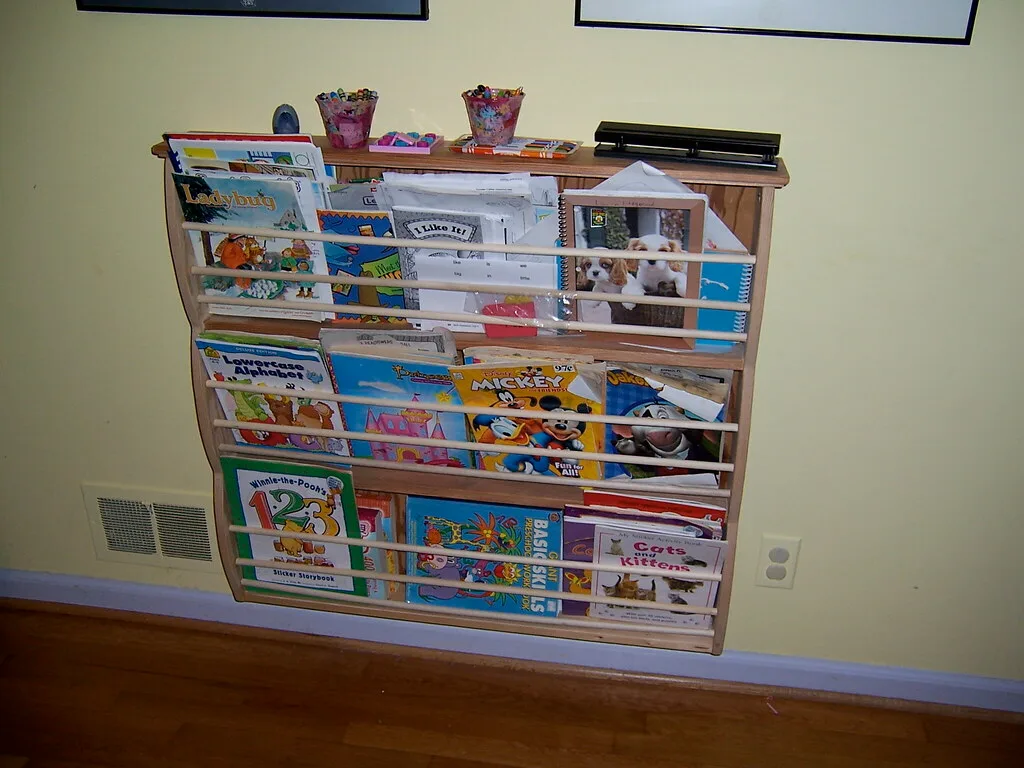
Low bookshelves are the best default for toddlers and many early readers because they keep books within reach without asking a child to climb. They work well beside beds or play areas, and they support independence when little hands can choose and return books on their own.
Best use cases
This style fits board books, sturdy picture books, and a small rotating set of favorites. Low shelves also work well when adults want quick bedtime access from the floor or beside a reading rug.
F1 and F9 line up here: bedroom bookshelf ideas can be used at a low-level height in children’s rooms, and low shelves make books easily accessible for young readers.
What to watch for
The main risk is not style. It is overfilling. When a low shelf is packed too tightly, children stop using it because books are hard to pull out and harder to return.
Keep shelf spacing matched to the format. Board books can sit upright in shallow rows, while picture books need a little more depth and clearance. If the unit feels tippy or light, anchor it even if it looks low.
Where it works in a room
Low shelving fits beside a bed, near a play corner, or under a window where a child can sit and sort books. It is often the cleanest answer for toddlers because it does not dominate the room.
Floating shelves: best for small rooms
Floating shelves suit small rooms where floor space is already claimed by a crib, bed, or toy storage. They are best for families who want books visible but do not need a full book tower. Based on the spec sheet, owner feedback and range experience, the stackable cube format also gives this style more flexibility than a single narrow wall shelf.
The downside is plain: secure wall fixing matters, and wall-mounted storage is only as safe as the install. A shelf that is poorly anchored can become a hazard fast, especially in a child’s room where pulling, climbing, and rough play are routine.
This option works best for a few display books, lightweight reads, and rooms where the goal is to keep the floor open. It is less useful for heavy chapter-book collections or for children who like to haul everything down at once.
Best use cases
Floating shelves are good above a dresser, between wall studs, or in a narrow wall strip that cannot hold a bookcase. They can also help keep older children’s favorites visible without adding bulk.
F8 is the reason people choose them: floating shelves are described as making the most of small-room wall space.
Why secure wall fixing matters
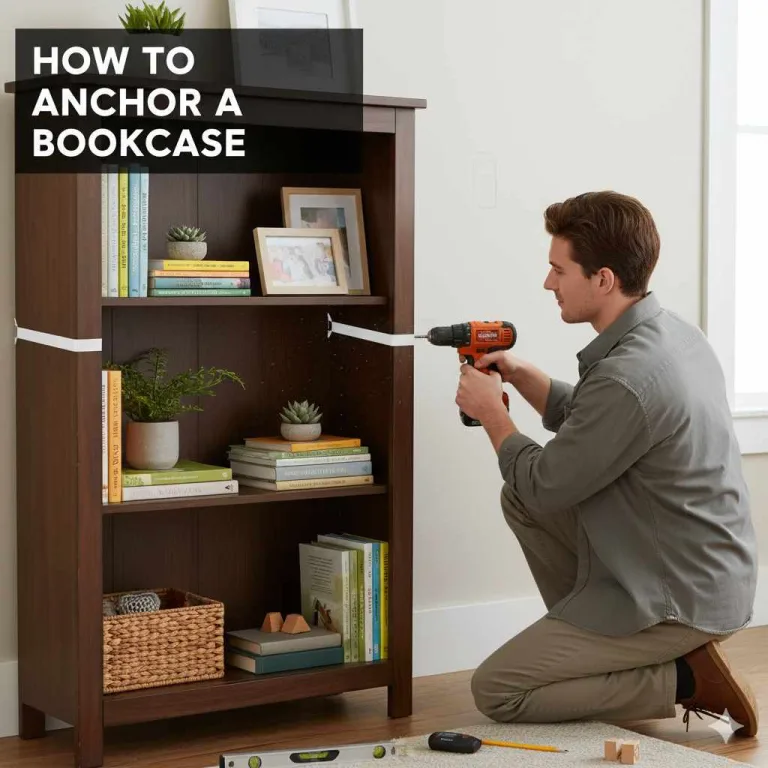
Wall-mounted shelves need proper fixing into the wall structure or a suitable anchor system for the wall type. The load is not just the books; it is the pull from a child reaching up or tugging sideways.
Because they sit off the floor, they also invite the wrong kind of use less often than low open shelving does. That can be an advantage in tight rooms.
When floating shelves beat floor furniture
Choose them when the room already has enough floor storage and the main need is a clean place for a small rotating book set. Skip them when the child has a large collection or when there is any doubt about proper fixing.
Picture ledge: best for bedtime cover display
Picture ledges are the best fit when the goal is bedtime browsing, not bulk storage. The Delta Children MySize Bookshelf gives a more traditional open-shelf feel, but the logic is the same: keep the front-facing titles easy to see and easy to reach. Based on the spec sheet and owner feedback, this kind of open setup is useful when children need clear access and adults want a simple read-and-return system.
The drawback is that open shelves can become clutter faster than closed storage. They also need anchoring, because any open bookcase in a child’s room should be treated as tip-prone furniture.
For a true ledge, the shelf is shallower than full shelving, which keeps the display neat but limits volume. That is good for a bedtime stack, not for a deep collection.
Best use cases
Picture ledges work well above a bed, beside a reading chair, or over a desk where a few covers should stay in view. They are especially useful for rotating picture books and early chapter books that need to be seen from across the room.
F10 fits this layout well: picture ledges are used to display book covers.
Spine-out versus cover-out storage
Cover-out storage works best for young children who choose by image. Spine-out storage is better for bigger collections, where the goal is efficient sorting and easier cleanup.
A practical rule: use cover-out for bedtime favorites and picture books; use spine-out for long-term storage, duplicates, and books that are not part of the current rotation.
Where to place ledges
Put them where a child can reach a title without standing on furniture. Above a bed, a ledge should sit low enough for bedtime access but high enough to stay clear of pillows and hands that pull everything off at once.
Bookcase: best for mixed books and toys
A bookcase is the strongest all-around answer when books and toys share the same room. The LGTHSR 32-inch kids bookshelf and toy storage organizer is built around front-facing access, which helps younger children see what belongs where. Based on the spec sheet and owner feedback, it is a good fit for families who want a book zone that does not feel heavy or closed in.
The honest drawback is the same one that affects most open bookcases: it can become a toy dumping zone if the family does not define what goes where. Open shelves invite everything from stuffed animals to crayons unless the layout stays disciplined.
It also needs clear anchoring if it stands on the floor. A tall or broad open bookcase can shift from helpful storage to a safety issue if a child pulls on the front.
Open versus closed storage
Open bookcases keep books visible and easy to grab, which helps children use them. Closed storage hides clutter better, but it also hides the books that should be in rotation.
When the collection is small, open shelving usually works better. When the room has mixed storage needs and the books are not the only thing being stored, a closed section or cabinet-style bookcase can help reduce visual noise.
Anchoring and anti-tip basics
Any freestanding bookcase in a child’s room should be anchored. Anti-tip hardware is not optional in a room where drawers get climbed, shelves get tugged, and toy trucks become improvised steps.
Heavy books should sit low. The highest shelves should hold the lightest items, not the heaviest ones.
When a bookcase becomes a toy dump
That usually happens when the shelf is too deep, the bins are too open, or the child cannot tell where books end and toys begin. The fix is a more specific layout, not more shelf space.
Reserve one section for books, one for bins, and one for display. If everything shares the same shelf face, the room gets messy quickly.
How do I keep kids’ bookshelves safe?
Keep kids’ bookshelves safe by anchoring freestanding units, fixing wall shelves properly, and placing the heaviest books low. Safety problems usually come from tipping, climbing, or poor wall attachment, not from the bookshelf style itself. In children’s rooms, the install matters as much as the design.
Anchoring and wall-fixing checks
Every bookcase that stands on the floor should be anchored to the wall. Every floating shelf or ledge should be fixed into the wall type with the right hardware. If the shelf wobbles when pulled, the install is not finished.
Also check the wall itself. Drywall, plaster, and masonry all need different fixing methods.
Reach height and load placement
Low shelves are safer because children can reach them without climbing. Still, safe reach is only part of the picture. If the shelf is overloaded at the top, it can still tip or become awkward to use.
Keep the most frequently used books at the child’s chest-to-hand level and the heaviest books near the floor.
Common safety mistakes to avoid
Do not place a tall bookcase where it can be used as a step. Do not rely on a single hook or light-duty fastener for wall storage. Do not put a shelf within easy climbing range of a bed unless the installation is secure and the layout leaves no foothold.
How do I store books in a small kids’ room?
In a small kids’ room, use wall space, corners, and low-profile storage before adding another floor unit. A few well-placed shelves may be enough for a small amount of books, while floating shelves and slim ledges work well when the room is tight and the collection is modest.
Use height without crowding the floor
Wall-mounted shelves help when floor area is already taken. Low-profile bookshelves that do not overcrowd the room are essential in tight bedrooms, especially when a bed and toy storage already compete for space.
Place books where the child actually stands
Near the bed, by the reading chair, or next to a play mat usually beats the far corner. If the child has to cross the room for every book, the shelf will be ignored.
Let the collection size decide the format
Small collections do well with ledges or a few shelves. Bigger collections usually need built-in or anchored storage, not more scattered display pieces.
How low should bookshelves be for children?
Bookshelves for children should be low enough that the child can reach the middle shelf without climbing or stretching badly. For toddlers and early readers, low shelves are the safest and most usable option because they support independence and reduce the chance of tipping from overreach.
Age-based height logic
Toddlers do best with floor bins, cube shelves, and short bookcases. Early readers can handle low open shelves with clear front access. Older children may use taller shelving, but only when the unit is anchored and the room layout prevents climbing.
What low means in practice
Low does not mean cramped. It means the child can see, reach, and return the book without assistance. If a shelf looks pretty but the child cannot use it alone, it is the wrong height.
Should kids’ books be stored spine-out or cover-out?
Use cover-out for toddlers, picture books, and bedtime favorites because children choose by image. Use spine-out for chapter books, larger collections, and long-term storage. The best system is often mixed: cover-out for active rotation, spine-out for the rest.
When cover-out works best
Cover-out works best when the room needs visual cues and easy pickup. Picture ledges and low front-facing shelves are ideal for this because they make the book look like part of the room while still keeping it useful.
When spine-out works best
Spine-out storage is better for dense collections and books that need a stable place rather than display. It uses less front space and makes it easier to line up many books in a smaller footprint.
A practical mixed setup
Keep a small cover-out display near the bed or reading area, then store the rest spine-out in a bookcase or cube unit. That gives children a visual hook without turning the whole room into a display shelf.
Which one should you buy?
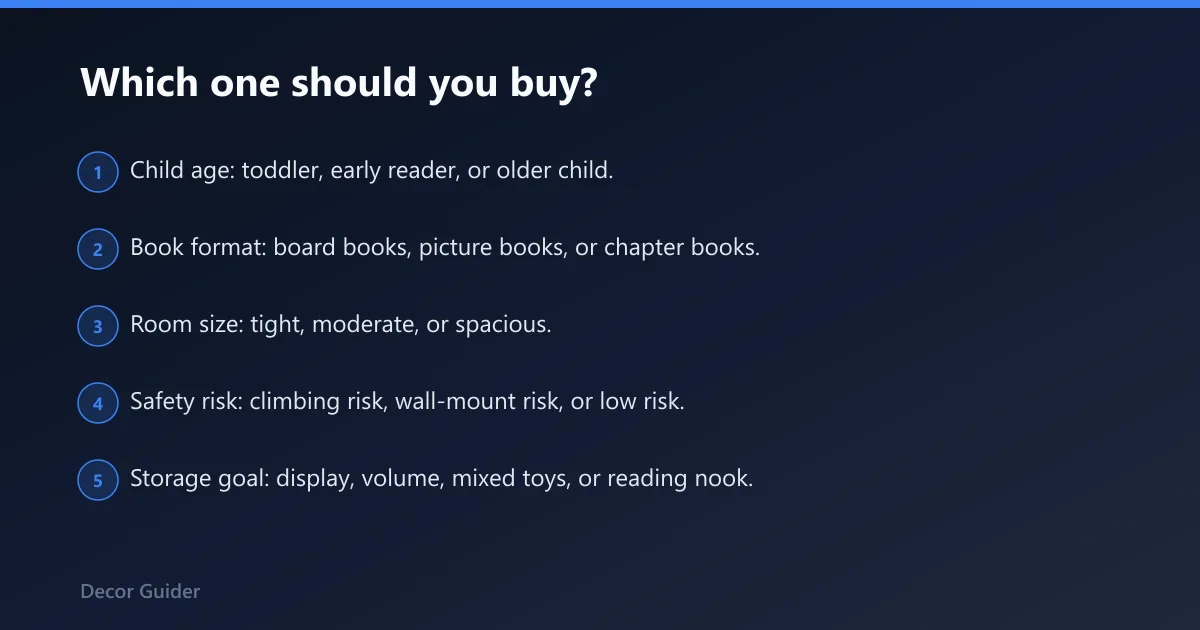
Choose the shelf that matches the child’s age first, then the room size, then the book format. For toddlers, a low bookshelf or cube unit is usually the safest bet. For small rooms, floating shelves or a narrow ledge make more sense. For mixed books and toys, a bookcase with anchoring wins.
Best pick by child age
Toddlers: low bookshelf or cube storage. Early readers: low open bookcase or picture-ledge display with easy reach. Older children: anchored bookcase, ladder-style shelf, or a taller unit if the room is low-traffic.
Best pick by room size
Small room: floating shelves, picture ledge, corner shelf, or a window seat with storage. Medium room: low bookcase or mixed open shelving. Larger room: built-in shelving or a full anchored bookcase.
Best pick by book format
Board books: basket storage or low cubes. Picture books: picture ledge, low shelf, or front-facing cubbies. Chapter books: bookcase with deeper shelves and stronger weight support.
Best pick if you need storage for toys too
Choose a bookcase with mixed open space and bins, or a cube organizer that can separate books from toys. If everything must live in one place, bins cut visual clutter and make cleanup faster.
When to choose a window seat, corner shelf, ladder shelf, or basket storage
A window seat with storage works best in a sunny reading nook and combines comfort with practicality. Corner shelf units are useful in awkward spots and compact rooms. Ladder or leaning bookcases suit older kids or low-traffic areas when an airy profile is wanted. Baskets are the fastest fix for board books and mixed toys.
Room-by-room decision checklist
- Child age: toddler, early reader, or older child.
- Book format: board books, picture books, or chapter books.
- Room size: tight, moderate, or spacious.
- Safety risk: climbing risk, wall-mount risk, or low risk.
- Storage goal: display, volume, mixed toys, or reading nook.
- Wall plan: can it be anchored, fixed, or built in?
- Organizing style: cover-out rotation, spine-out archive, or basket catch-all.
Simple comparison table
| Storage type | Best age | Reach height | Capacity | Visibility | Anti-tip need |
|---|---|---|---|---|---|
| Low bookshelf | Toddlers and early readers | Very easy | Small to medium | Good | High if freestanding |
| Floating shelves | Older toddlers and up | Easy if placed low | Small | Very good | Wall fixing required |
| Picture ledge | Toddlers and early readers | Very easy | Small | Excellent | Wall fixing required |
| Bookcase | Early readers and older children | Easy to moderate | Medium to high | Good | High |
| Corner shelf | Any age with proper placement | Depends on layout | Small to medium | Moderate | Depends on form |
| Ladder or leaning bookcase | Older kids | Moderate | Medium | Good | Needs secure fixing |
| Basket storage | Toddlers | Very easy | Small to medium | Low | Low, but can tip if overfilled |
| Window seat with storage | Any age with adult supervision | Easy | Medium | Good | Depends on build |
How do I organize books and toys together in a child’s room?
Separate books by reading stage and keep toys from taking over the shelf. The easiest method is to give books one zone, toys another, and display items a third space. Without that division, open shelving turns into a catch-all and the books disappear behind the toys.
Use baskets for the loose stuff
Baskets are a flexible book storage solution and work well for board books, stuffed animals, and mixed toys. They are also useful under shelves or tables where rigid furniture would block movement.
Reserve open shelves for visible rotation
Only keep the books the child is actually using on the open shelf. Everything else can live in baskets, bins, or a separate bookcase section.
Keep the room calm
Calm, tied-together colors help the bedroom feel relaxed, and the storage looks better when it does not fight the rest of the room. This is especially true in small bedrooms where every object is visible.
Frequently asked questions
What is the best bookshelf for a kid’s room?
The best choice for most toddlers and early readers is a low bookshelf or low cube shelf that keeps books within easy reach. For larger collections, an anchored bookcase works better. The right answer depends on age, book size, and how much floor space the room can spare.
How do I keep bookshelves safe in a child’s bedroom?
Anchor every freestanding bookcase, fix wall shelves properly, and keep heavy books low. Avoid placing shelves where they can be climbed, and make sure the wall hardware matches the wall type. Safety failures usually come from tipping or weak fixing, not from the shelf style itself.
Are floating shelves good for kids’ rooms?
Yes, if the room is small and the shelves are securely fixed to the wall. Floating shelves are good for a few display books and for keeping the floor open. They are less useful for heavy collections or for children who pull everything off at once.
Products related to this article
Sponsored / affiliate links. As an Amazon Associate I earn from qualifying purchases. I may earn additional commission from eligible campaigns.