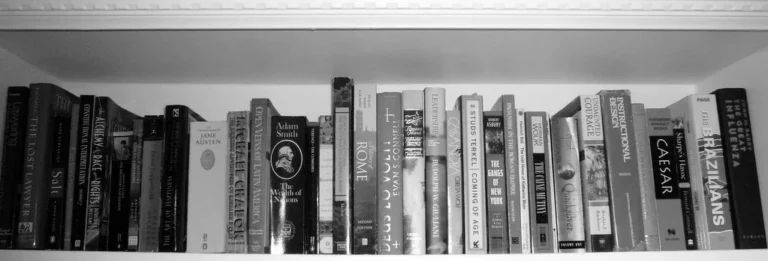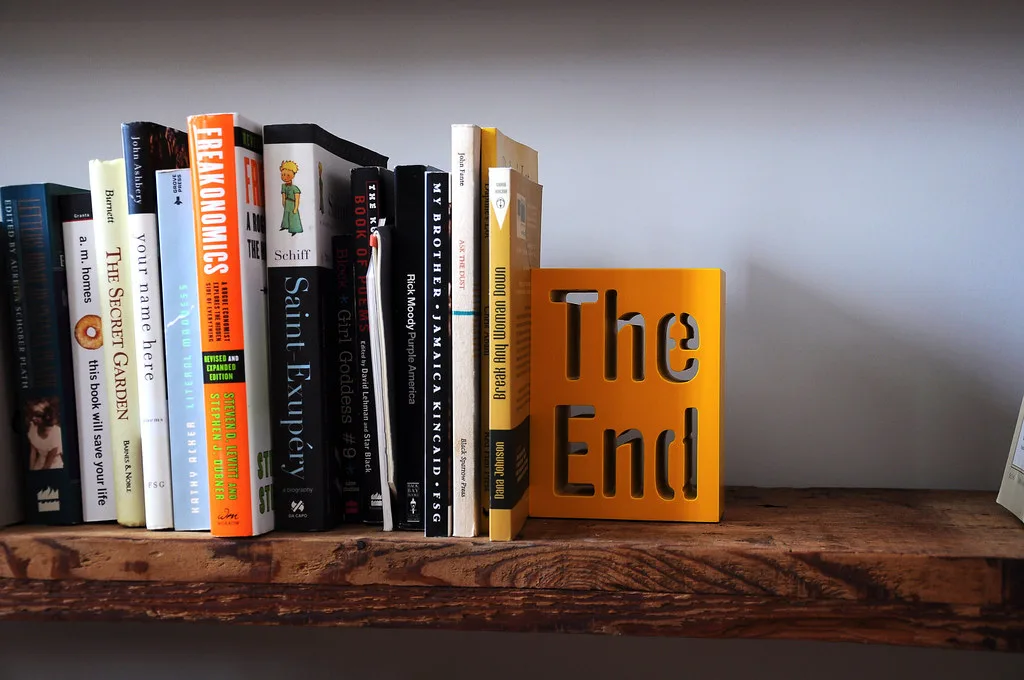
5 Best Bookshelf Ideas for Modern Spaces (2026): research shows
Many bookshelf styling guides use a 60/30/10 approach: about 60% books, 30% storage or decor, and 10% open breathing room, with floating, built-in, or ladder shelves chosen to suit the room’s proportions. I see poor shelf choice make a room feel heavier, cluttered, and harder to use. This guide compares shelf types, finishes, and styling ratios for small apartments, open plans, and statement walls.
This guide is part of our Bookshelf guide: build, style, and organize series.
Quick comparison
| Product | Badge | Best for | Price | ||
|---|---|---|---|---|---|
 |
Bush Business Furniture Series C 36W Tall 5 Shelf BookcaseBush Furniture | Upgrade pick | 5 Shelf · Adjustable · Cherry | $305.26
Price as of 3 Oct 2026
|
View |
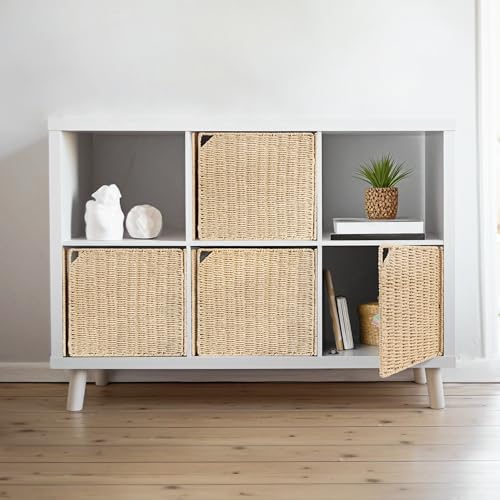 |
AELS 13" Handwoven Natural Fibre Doors for Cube Storage –AELS | Pair with it | 13" Set of 4 · Woven | $36.99
Price as of 3 Oct 2026
|
View |
 |
Axeman Floating Shelves for Wall, 72in Reclaimed Elm WoodAxeman | Also great | 72in · 8" Deep · Reclaimed Elm | $170.99
Price as of 3 Oct 2026
|
View |
 |
HDDFER Industrial Pipe Wall Wood Shelves,Real WoodenHDDFER | Budget pick | 48" · Industrial Pipe · Wood | $179.00
Price as of 3 Oct 2026
|
View |
 |
5-Tier Industrial Style Solid Wood Bookcase and BookAY-AOYUAN | Our pick | 5-Tier · Solid Wood · Metal Frame | $237.00
Price as of 3 Oct 2026
|
View |
Use this as the fast planning step before you buy. I always start with wall width, ceiling height, and the real number of books the shelf must hold, because style labels tell you far less than those three numbers.
Homes & Gardens recommends exploiting unused space for bookshelf ideas, and that advice matters most when the wall looks awkward, narrow, or too blank for art alone.
How we chose the best modern bookshelf ideas
These choices were compared on room fit, storage volume, finish weight, maintenance, and how well they keep a modern interior from feeling busy. I wanted a shelf plan that works in the room, not one that only photographs well.
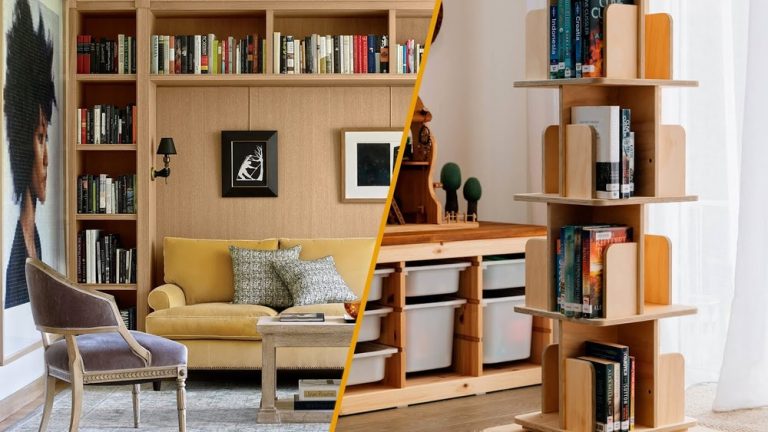
Built-ins suit permanent plans. Freestanding pieces suit changing layouts. Open units and ladder shelves need tighter styling, but they can handle narrow walls and display-heavy rooms without adding much visual mass.
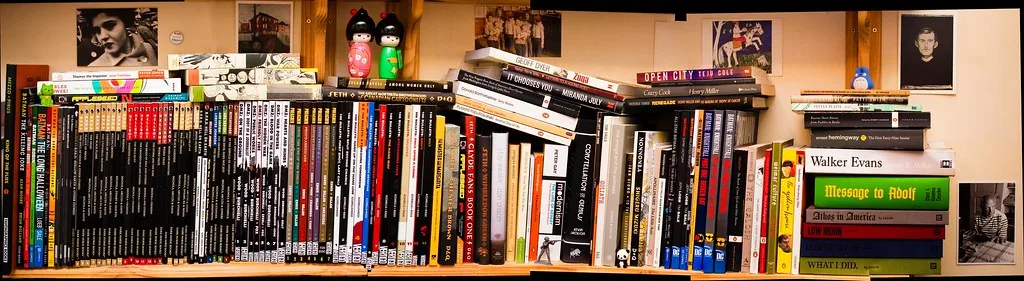
Built-in bookshelf: best for architectural focal points
This is the strongest fit for homeowners who want the shelving to read like part of the room architecture. The Bush Furniture Series C 36W Tall 5 Shelf Bookcase is a practical example of the built-in look adapted to a tall, structured bookcase form, with adjustable shelves and a finish that works in a formal office or a more polished living room.
It suits alcoves, narrow wall sections, and wall-to-wall runs where the shelving should feel permanent and tailored. Painted backs and sides, floor-to-ceiling treatment, or a wall color close to the case all help it read as a deliberate focal point rather than a loose storage unit.
The drawback is weight, visually and physically. Based on the spec sheet and owner feedback patterns, this type is less flexible if the room changes, and a tall, solid case can feel heavy in a small space unless the surrounding wall treatment stays calm.
Freestanding bookcase: best for renters and changing layouts
This is the safer choice when the room may be rearranged, the lease is temporary, or the budget needs to stay controlled. The AY-AOYUAN 5-Tier Industrial Style Solid Wood Bookcase gives a freestanding open frame that can sit in a living room, office, or dining edge without requiring a permanent installation.
Off-the-peg sizing is the advantage here. It can move between walls, work beside a sofa, or shift into a bedroom when the floor plan changes, which is useful in modern homes that need furniture to do more than one job.
The drawback is that freestanding units can look temporary if the styling is weak or if the height-to-width proportion is wrong for the wall. Open sides help the room feel lighter, but they also expose clutter, so the shelves need tighter editing than a closed cabinet would.
Open shelving unit: best for display-first modern rooms
This is the best route for rooms that want a lighter, more curated look. The Axeman Floating Shelves for Wall use a minimal frame and a long horizontal run, which makes them useful for modern and Scandinavian interiors where books, ceramics, and framed art need to feel intentional.
Open shelving works best when the shelf depth and object count stay disciplined. I keep books grouped, leave visible gaps between clusters, and use baskets or closed boxes for the pieces that would otherwise create visual noise.
The drawback is maintenance. Dust settles faster on open storage, and an overloaded shelf looks busy very quickly. When the wall is small or the object mix is too varied, the shelf stops reading as calm and starts reading as unfinished.
Ladder shelf: best for narrow walls and apartments
This is the best fit for a slim wall, a rental apartment, or a corner that needs storage without a wide footprint. The HDDFER Industrial Pipe Wall Wood Shelves use a narrow vertical profile and an industrial mix of black metal and wood that works well when the wall cannot handle a full bookcase.
It is strongest when the styling load stays light. A few books, one plant, a ceramic piece, and a framed print are usually enough. That keeps the ladder-like structure readable and prevents the shelves from looking top-heavy or crowded.
The drawback is obvious: it is not built for large book volumes. Once the shelf starts carrying too many hardbacks or large decor objects, the slim frame loses its elegance and the whole composition can feel cramped.
Shelf-planning matrix: room size, ceiling height, and book volume

This matrix turns bookshelf choice into a room-planning decision. A shelf that works in a tall living room can fail in a low-ceiling apartment, and a display-first unit can look fine with thirty books but collapse visually when it has to hold a full library.
| Shelf type | Best room size | Ceiling height fit | Storage capacity | Visual weight | Maintenance needs |
|---|---|---|---|---|---|
| Built-in bookshelf | Medium to large rooms; alcoves and wall-to-wall runs | Best with medium to tall ceilings | High; best for large book collections | Strong, architectural, more permanent | Moderate; dust on upper zones and open shelves |
| Freestanding bookcase | Small to large rooms; flexible across layouts | Works with most ceiling heights | Medium to high, depending on width and tiers | Medium; depends on finish and frame thickness | Moderate; easy to move, easy to re-style |
| Open shelving unit | Small reading corners to modern living rooms | Best when wall length matters more than height | Low to medium; best for edited collections | Light if spacing stays open | Higher; dust and styling upkeep are constant |
| Ladder shelf | Small rooms, narrow walls, apartments | Best on vertical walls without wide spans | Low; display-led rather than library-led | Lightest of the four | Lower dust load, but more frequent editing |
Small rooms versus larger living rooms
Small rooms need a shelf that stays visually quiet. Ladder shelves, shallow freestanding bookcases, or slim floating runs work better than deep cabinetry because they leave floor area readable.
Larger living rooms can handle built-ins, wall-to-wall bookcases, or a broader freestanding unit. The key is to avoid a single blocky mass; long runs should be broken with doors, glazed sections, or open pockets so the wall does not feel compressed.
Low ceilings versus tall walls
Low ceilings dislike thick top rails and bulky crown lines. A shelf that stops short of the ceiling can work, but it should keep clean edges and a lighter color so the room does not feel shortened.
Tall walls need vertical confidence. Floor-to-ceiling built-ins or an open run that goes high can balance the room, while a short unit floating low on the wall often feels undersized and temporary.
High book counts versus display-first styling
Large collections need more closed storage, tighter shelf spacing, and a clear reading of repetition. If the collection is real and growing, a display-first shelf will look thin and underused.
Display-first styling suits edited collections, decorative objects, and mixed media. I treat it like a composition, not a storage dump, which means keeping some shelves full and some shelves partially open.
Maintenance and cleaning by shelf type
Built-ins and open shelving collect dust along the upper edges and on any exposed object. Freestanding cases are easier to rearrange and wipe down, while ladder shelves are simpler to clean but need more frequent editing because every item is visible.
Metal, glass, and polished wood can read modern, as the decor guidance notes, but each material changes the maintenance profile. Glass shows fingerprints, black metal shows dust, and light wood shows less grime but can look bland if the styling is weak.
How do you style a bookshelf in a modern home?
Style modern shelves with a controlled mix of books, storage, and open space. The cleanest result usually comes from grouping books by height or color family, adding a few plants or ceramics, and leaving enough negative space for the eye to rest.
Use a simple styling ratio
The quickest method is to keep shelves close to a 60/30/10 split. In practice, that means mostly books, a smaller share of decor or concealed storage, and a visible amount of empty space so the shelf never looks packed edge to edge.
That ratio is a guide, not a rule for every shelf. A wall of hardbacks may need more storage and less decor, while a living room shelf near the sofa can lean more decorative and less library-like.
Build visual rhythm, not random display
Repeat one material, then change the scale. For example, a row of books can sit beside a ceramic bowl, then a framed print, then a basket, so the eye moves across the shelf without stopping at a cluttered cluster.
Symmetry works in formal rooms. Off-center groupings work better in casual modern interiors. Both need enough empty shelf surface to keep the arrangement from looking accidental.
What colors and materials work best for modern bookshelf styling?
Light wood, black metal, walnut, white paint, and stone or timber stains work best because they sit comfortably in modern rooms without forcing the shelf to be the loudest object. The right finish depends on whether the room needs warmth, contrast, or a calm background.
Match the finish to the room type
Minimalist and Japandi rooms usually respond well to light wood, white paint, and soft stone-like finishes. These keep the shelf visually quiet and let books and a few objects do the talking.
Industrial interiors suit black metal and darker timber stains. High-contrast modern rooms can handle walnut or black frames, but the rest of the room needs enough light surface area to stop the shelf from feeling heavy.
When to paint shelves the wall color
Homes & Gardens recommends painting bookshelves the same color as the walls, and that works best when the shelf should disappear into the room rather than anchor it. It is especially useful in smaller rooms, calm bedrooms, and narrow alcoves.
The tradeoff is obvious. Matching the wall can reduce visual clutter, but it also removes contrast. If the room already feels flat, a deeper timber tone or black frame may do a better job of giving the wall definition.
How do you decorate open shelves without making them look messy?
Open shelves stay tidy when the styling load stays light and the objects are grouped with purpose. Use fewer pieces per shelf, vary heights, and mix closed storage like baskets with a few open items such as books, ceramics, or framed art.
What belongs on open shelves
Books, plants, ceramics, vases, baskets, framed art, and bookends are the safest mix. The shelves should feel edited, not full of miscellaneous objects that compete with each other.
Open storage becomes easier to manage when heavier visual items sit low and lighter decorative pieces sit higher. That keeps the shelf stable in appearance and prevents the top from feeling crowded.
How much open area to leave
Each shelf needs some breathing room, especially in a modern room. A shelf that is completely filled from edge to edge usually reads as storage overflow, while a shelf with intentional gaps reads as planned composition.
When in doubt, leave one section per unit visually quiet. That blank area matters. It stops the eye from tiring and gives the shelf a more deliberate, less stacked appearance.
Should I choose built-in or freestanding bookshelves for a modern interior?
Choose built-in shelving when the wall is permanent, the collection is large, and the goal is an architectural focal point. Choose freestanding shelving when the room may change, the budget is tighter, or the house needs flexibility more than permanence.
Built-ins: when they earn their keep
Built-in bookshelf ideas work best in alcoves, around doorways, in reading corners, and in wall-to-wall runs where the shelf can feel part of the architecture. The bedroom guide also notes that built-in shelving can fit in narrow wall sections and can sit either side of windows.
That said, built-ins are a commitment. They cost more in joinery, take more planning, and can overpower small rooms if the proportions are too deep or the finish is too dark.
Freestanding: when flexibility matters more
Freestanding bookcases work best for renters and for homes where the layout changes often. They are easier to swap as the room evolves, and off-the-peg sizing makes them a lower-cost route than custom joinery.
The main drawback is that they need styling discipline to avoid a temporary look. Matching the case color to the wall, or choosing a frame that echoes nearby furniture, helps it feel chosen rather than borrowed.
What are the best bookshelf ideas for modern interiors?
The best bookshelf ideas for modern interiors are built-ins for permanent architecture, freestanding bookcases for flexibility, open shelving for display-led rooms, and ladder shelves for narrow walls. The right answer depends on room width, ceiling height, and how much storage the collection actually needs.
Floor-to-ceiling runs, alcove shelving, and units around doorways work well because they use space that often goes unused. Wall-to-wall shelving can also work in a family room when the goal is serious storage with a strong architectural line.
Best idea for a modern living room
A contemporary living room usually looks best with a wall-to-wall run, a long floating shelf, or a balanced freestanding case paired with negative space around it. The shelf should support the room, not dominate it.
For larger walls, a mix of open and closed sections keeps the room from feeling visually noisy. For smaller rooms, a slimmer bookcase with calm finishes usually reads better than an oversized showpiece.
Best idea for a reading corner
A reading corner works best when the shelf and chair feel linked. A narrow freestanding case or ladder shelf beside a compact chair creates a useful nook without taking over the floor.
The decorative load should stay light here. A lamp, a stack of books, and one plant are usually enough, because the corner’s job is to feel quiet and usable.
What bookshelf styles work best in small modern spaces?
Small modern spaces usually do best with ladder shelves, shallow freestanding bookcases, and slim floating shelves. These styles keep the floor visible, reduce visual weight, and avoid the boxed-in feeling that deep cabinetry can create in a compact room.
The best small-space shelf is often the one that can disappear into the wall when not fully styled. Light wood, white paint, and wall-matched finishes help the unit stay calm.
What to avoid in compact rooms
A deep, dark, oversized shelf can make a small room feel lower and narrower. Heavy visual frames and crowded decor do the same thing.
Closed storage can still work, but it should be broken into sections. Solid doors or glazed sections reduce the blocky effect and keep the room from looking overfurnished.
How do I make a bookshelf look less cluttered and more modern?
Reduce the number of objects, repeat materials, and leave open space on purpose. A modern shelf looks calmer when books are grouped, objects are limited, and the finish has enough simplicity to let the contents breathe.
Use one restraint tactic at a time
Start by removing duplicate decor. Then group books by height or tone. Then add only one or two object families, such as ceramics and baskets, rather than mixing every decorative category at once.
If the shelf still feels busy, break the run with a closed section or a glazed front. That gives the eye a pause and makes the unit read as composed rather than overfilled.
Watch for common failure cases
Dust, overload, and uneven stacking are the biggest reasons modern shelves go wrong. A shelf that is too full turns the room into storage first and design second.
Another failure case is finish mismatch. A bold shelf in a small room can be too much, while an almost invisible shelf in a large room can look underplanned.
Frequently asked questions
What is the best bookshelf layout for a contemporary living room?
A wall-to-wall run, a built-in alcove, or a long freestanding case usually works best, depending on room width and ceiling height. Homes & Gardens recommends wall-to-wall bookshelves in a family room, and it also notes that bookshelves can be an architectural feature when they are planned as part of the wall.
Products related to this article
Sponsored / affiliate links. As an Amazon Associate I earn from qualifying purchases. I may earn additional commission from eligible campaigns.