Built-In Bookshelf vs Freestanding Bookshelf: Which Fits?
Choose a built-in bookshelf if you expect to stay for several years, need a wall-to-wall fit, or plan to store heavier books; choose a freestanding bookshelf if you rent, may move soon, or want lower cost and flexibility. Poorly matched shelving wastes space, drives up cost, and can tip under load. This guide compares fit, permanence, safety, and price so you can pick the right type.
This guide is part of our Bookshelf guide: build, style, and organize series.
Built-in bookshelf vs freestanding bookshelf: the core trade-off
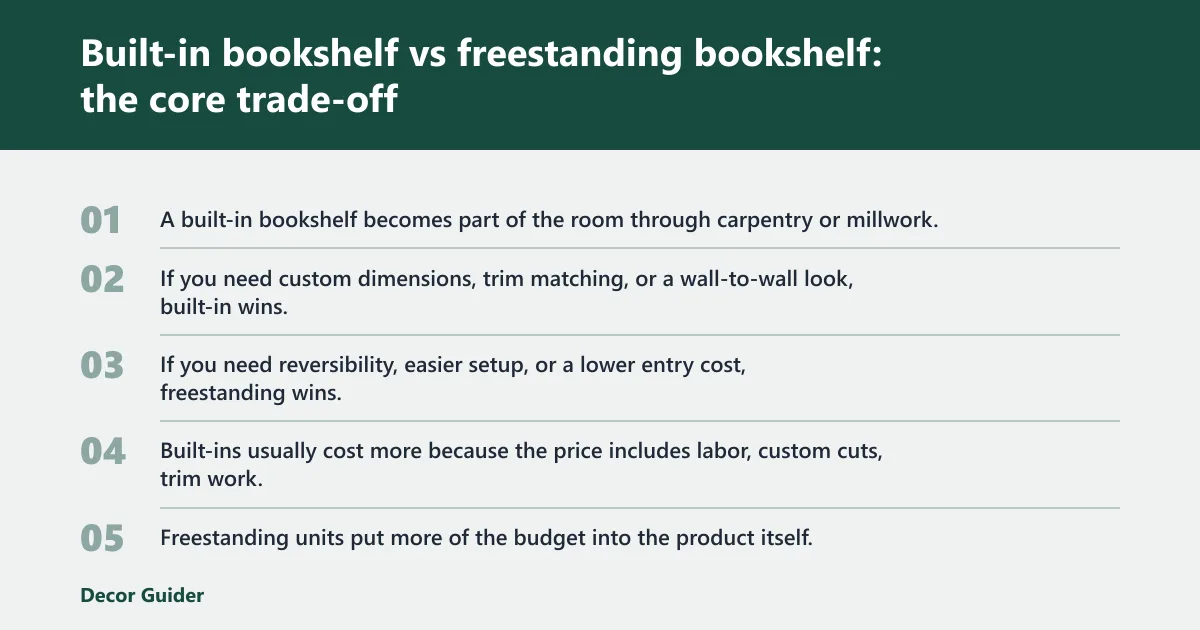
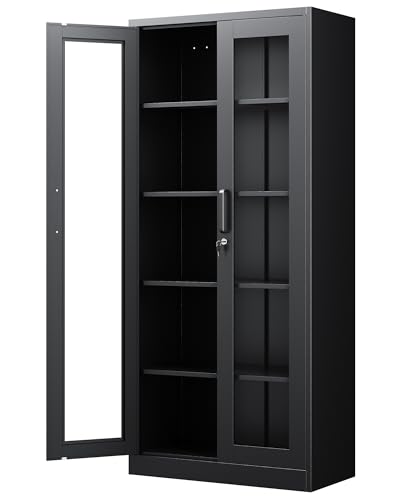


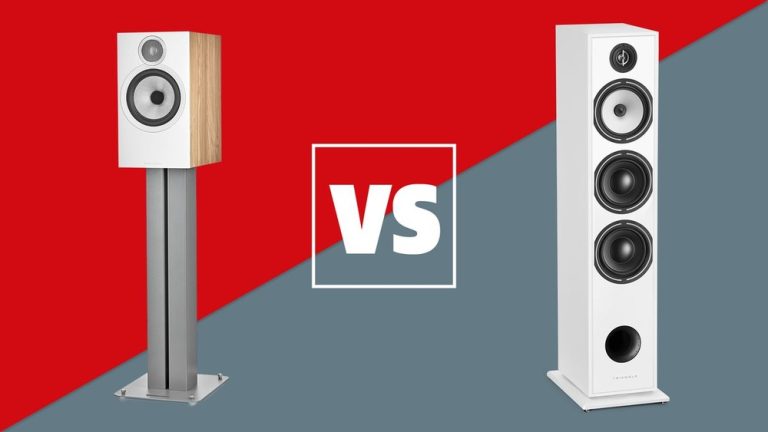
One main difference is permanence. A built-in bookshelf becomes part of the room through carpentry or millwork, while a freestanding bookshelf is movable furniture in standard sizes. If you need custom dimensions, trim matching, or a wall-to-wall look, built-in wins. If you need reversibility, easier setup, or a lower entry cost, freestanding wins.
| Decision factor | Built-In Bookshelf | Freestanding Bookshelf | Winner |
|---|---|---|---|
| Cost | Higher upfront cost from carpentry, finishing, and possible trim or paint work | Lower product cost, with optional assembly and anchoring | Freestanding Bookshelf |
| Permanence | Permanent installation tied to the wall and room layout | Movable furniture that can be relocated or replaced | Freestanding Bookshelf |
| Load handling | Better potential for custom shelf spans, thicker materials, and wall support | Depends on frame strength, shelf material, and whether it is anchored | Built-In Bookshelf |
| Room integration | Can match ceiling height, baseboards, trim, and wall width closely | Standard sizes may leave gaps or awkward clearances | Built-In Bookshelf |
| Relocation | Not practical to move without demolition and repair | Easier to move, sell, or repurpose | Freestanding Bookshelf |
Cost, labor, and finishing
Built-ins usually cost more because the price includes labor, custom cuts, trim work, and finish matching. Freestanding units put more of the budget into the product itself, with assembly and anchoring often the main extra steps. If the room needs paint blending or wall patching, built-ins also bring finishing costs that freestanding shelves usually avoid.
Permanence, repair, and relocation
Built-ins are meant to stay put. Removing one may mean wall repair, touch-up paint, and possible trim replacement. Freestanding bookcases are easier to replace if the style changes or if you move, which matters if you do not want a fixed commitment to one room.
Load capacity and shelf span
Books are heavy, and long shelves can sag if the material or span is wrong. Built-ins can be designed with shorter spans, thicker shelves, and more support, which helps with heavy reference books, media, or archive storage. Freestanding units vary widely, so you have to check the listed shelf rating, material, and whether the frame needs wall anchoring.
Appearance and room integration
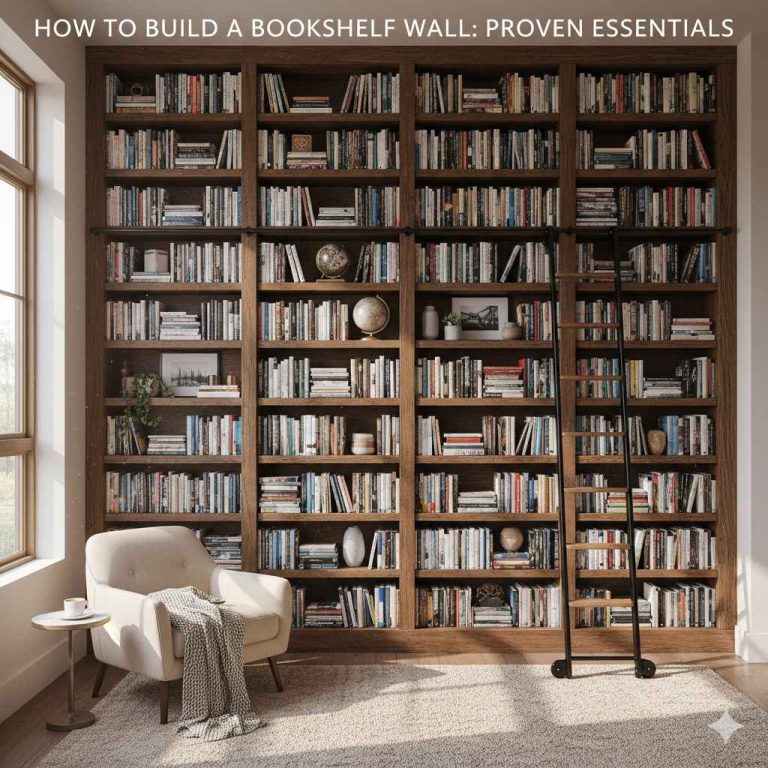
Built-ins can be made to follow ceiling height, wall width, baseboard profiles, and trim lines, so they can read as part of the architecture. Freestanding bookcases can still look tailored if you choose the right height, finish, and proportions, but they rarely disappear into the room the way a true built-in can. That difference matters most in formal living rooms, home offices, and narrow walls where every inch counts.
Which bookshelf type fits your room best?
Room geometry often decides the winner before style does. Choose a built-in if you need a tight fit around wall width, ceiling height, or awkward features, and choose a freestanding unit if you need a fast, reversible solution that fits standard dimensions. Measure before you buy.
Ceiling height, wall width, and baseboard clearance
Built-ins can be built to the exact ceiling height, including taller wall sections or sloped ceilings. Freestanding bookshelves come in standard heights, so they may leave unused space above them. Baseboards also matter: a deep baseboard can push a unit away from the wall unless the back is cut to fit or the shelf is designed with a recessed toe-kick.
Doors, windows, vents, and outlets
Built-ins can work around windows, outlets, vents, and trim, but that adds complexity. Freestanding shelves are easier to place, yet they still need clearance for door swings, window trim, and HVAC vents. A common first-timer mistake is buying a bookcase that blocks a return vent or leaves a door handle scraping the side panel.
Depth and walking clearance
Deep shelves can crowd a room fast. Most bookshelves need enough depth for books plus a little clearance, but you also need room to stand in front of them and open nearby doors. In tight rooms, a built-in that uses the full wall height without eating floor space can be smarter than a bulky freestanding case.
How do cost and install effort compare?
Built-ins cost more and take more work because they involve carpentry, finish work, and sometimes electrical changes. Freestanding bookcases are cheaper and simpler to place, but the final bill can rise if you add delivery, assembly, anti-tip anchoring, or touch-up repairs. The cleaner option is not always the cheaper one.
Built-ins: carpentry, trim, paint, and possible electrical changes
A built-in project usually includes material cost, labor, trim matching, and paint or stain work. If the wall has outlets, switches, or wiring that need to be moved, the scope can grow quickly. The more the shelf fits the room, the more time and trades it may need.
Freestanding: unit price, assembly, and optional wall anchoring
Freestanding shelves are often sold as finished furniture, sometimes in flat-pack form. Assembly can be straightforward, but anchoring to wall studs is still wise, especially in homes with children or pets. That anchor is not decorative; it reduces tip risk.
Hidden costs: delivery, tools, repairs, and finish touch-ups
Freestanding buyers often overlook delivery fees, basic tools, and wall repair if the unit needs anchoring. Built-in buyers often overlook paint, caulk, filler, and touch-up work. Those extras are why a low sticker price can be misleading in either direction.
Which option is safer for kids, pets, and heavy books?
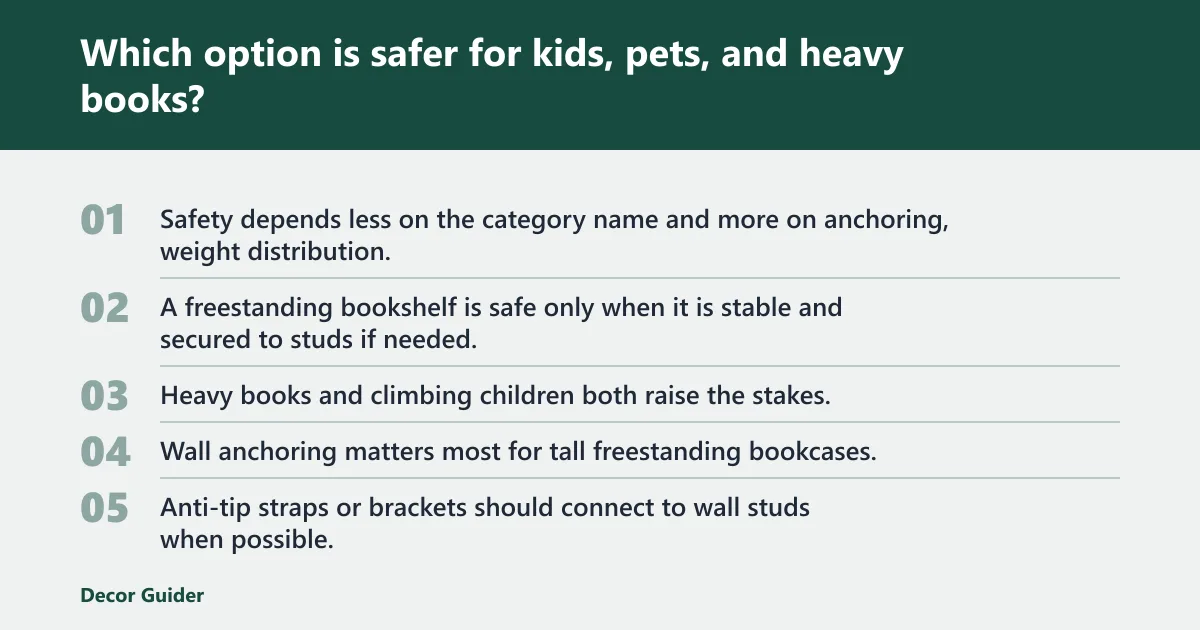
Safety depends less on the category name and more on anchoring, weight distribution, and shelf quality. A freestanding bookshelf is safe only when it is stable and secured to studs if needed; a built-in can be safer because it is fixed to the room, but only if it is properly installed. Heavy books and climbing children both raise the stakes.
Anti-tip anchoring and stud mounting
Wall anchoring matters most for tall freestanding bookcases. Anti-tip straps or brackets should connect to wall studs when possible, since drywall alone may not provide enough restraint. In rentals, landlord approval and wall-damage rules can limit what you can do, so you may need a lower case or a model with minimal wall impact.
Shelf sag, weight capacity, and book load
Book weight adds up quickly, especially with hardcovers and art books. Shelf span and material determine how much sag you may see over time, so plywood or thicker solid wood usually handles load better than thin, unsupported panels. Adjustable shelves help you place the heaviest books lower and keep the span shorter where it matters.
Earthquake concerns and wider bases
In an earthquake-prone area, a fixed built-in has less chance of toppling, but the wall attachment must be solid. Freestanding shelves need a wide base, low center of gravity, and secure anchoring to reduce movement. For kids’ rooms, lower shelves, anchored frames, and closed storage are safer than tall, unstable cases loaded high.
Built-in bookshelf vs freestanding bookshelf by buyer scenario

This matrix turns the decision into use cases. Scores are relative on a 1-5 scale, where 1 is lower and 5 is higher for that scenario. The winning score reflects the better fit for that buyer, not a universal ranking.
| Buyer scenario | Built-In Bookshelf | Freestanding Bookshelf | Winner |
|---|---|---|---|
| Renter | 1 for reversibility, 2 for cost, 2 for flexibility | 5 for reversibility, 4 for cost, 5 for flexibility | Freestanding Bookshelf |
| Homeowner | 5 for permanence, 4 for integration, 4 for value potential | 3 for permanence, 3 for integration, 4 for portability | Built-In Bookshelf |
| Small room | 5 for custom fit, 4 for vertical use, 3 for build complexity | 3 for fit, 3 for vertical use, 4 for easy replacement | Built-In Bookshelf |
| Heavy books | 5 for shelf support, 5 for custom spans, 4 for stability | 3 for capacity, 3 for span, 4 for portability | Built-In Bookshelf |
| Kids’ room | 4 for stability, 5 for fixed install, 3 for changeability | 4 for flexibility, 2 for tip risk unless anchored, 4 for replacement | Built-In Bookshelf |
| DIY beginner | 2 for install difficulty, 2 for finish work, 2 for tools | 5 for setup ease, 4 for tool lightness, 4 for replacement | Freestanding Bookshelf |
| Premium design | 5 for custom look, 5 for trim matching, 4 for room integration | 3 for finish options, 3 for standard sizing, 4 for upgrade ease | Built-In Bookshelf |
| Future move | 1 for relocation, 2 for reuse, 2 for repair burden | 5 for moving, 5 for resale or reuse, 4 for low disruption | Freestanding Bookshelf |
Renter
Freestanding wins because it is movable, easier to approve with a landlord, and simpler to reverse. Built-ins are usually a poor fit when wall damage, lease rules, and moving plans matter. If you need more stability, choose an anchored freestanding case with a smaller footprint.
Homeowner
Built-in wins when the room is yours long-term and the shelf should act like part of the architecture. A well-made built-in can fit the wall exactly and support heavier storage with less visual clutter. The more permanent the plan, the more the custom option makes sense.
Small room
Built-in wins when you need to use every inch of wall height and width. Custom depth, taller upper sections, and trim that fits the room can make a narrow space work harder. Freestanding shelves can still help, but standard sizes often waste either width or vertical space.
Heavy books
Built-in wins because the shelf span, material thickness, and support can be designed around load. Reference books, cookbooks, and media collections can overload thin, long shelves quickly. A freestanding case can work, but only if the listed capacity and shelf construction are strong enough.
Kids’ room
Built-in wins when fixed stability matters most. A tall freestanding unit can be safe if it is anchored, but a wall-integrated shelf reduces the chance of tipping and can handle daily wear better. Lower shelves and closed bins also help keep heavy items within easy reach.
DIY beginner
Freestanding wins because it needs less skill, fewer tools, and less finish work. Built-ins usually require carpentry, careful leveling, and trim or paint matching, which can be difficult without experience. If the goal is a weekend project, the freestanding route is far more practical.
Premium design
Built-in wins when the bookshelf should look intentional and tailored. Matching paint, trim, and proportions to the room makes a bigger design statement than a stock case placed against the wall. Freestanding shelves can look custom only if the finish, scale, and placement are carefully chosen.
Future move
Freestanding wins because it can travel with you. A built-in is tied to the room, so moving it means demolition, patching, and possible waste. If relocation is likely, a movable bookcase is the safer investment.
Can freestanding bookshelves look custom?
Yes, if you choose the right size, finish, and placement. Freestanding bookcases can look more tailored when they fit wall width closely and avoid awkward gaps above or beside the unit. They still do not equal a true built-in, but careful sizing can get close.
Ways to make a freestanding unit read as built-in
Use a shelf with proportions that match the wall, add bookends or closed bins to reduce visual clutter, and paint or finish it to coordinate with trim. If the unit allows it, you can also anchor it and add a simple top trim piece where local rules allow. The goal is visual alignment, not pretending it is something it is not.
Where freestanding still falls short
Standard heights and depths can leave dead space or awkward gaps, especially with high ceilings or wide walls. Baseboards, vents, and uneven floors can also reveal that the unit is furniture rather than architecture. That gap becomes obvious in formal rooms with careful trim and millwork.
Are built-in bookshelves worth the cost?
Built-ins can be worth the cost when you need long-term use, an exact room fit, or a design that feels attached to the home. They are less compelling if you may move soon or only need basic storage. The value is in permanence and fit, not in a lower price tag.
When the expense makes sense
If the wall is awkward, the collection is heavy, or the room needs custom integration, the extra cost can pay off in function and appearance. Built-ins can also reduce the need for separate cabinets or extra furniture. That makes sense in offices, living rooms, and library-style walls.
When a cheaper freestanding shelf is smarter
If you just need storage and may change homes or layouts, a freestanding case is the safer budget choice. You avoid paying for millwork, finishing, and possible repair work later. For many buyers, that lower commitment is worth more than a fixed custom solution.
Do built-in bookshelves add home value?
Sometimes, but not automatically. Built-ins can raise perceived value when they fit the room well, match the home’s style, and feel like quality millwork; poorly designed built-ins can limit furniture placement or look dated. Resale impact depends on workmanship, scale, and local buyer expectations.
What tends to help
Good trim, paint matching, and balanced proportions usually help built-ins feel intentional. Durable materials and clean installation also matter because buyers notice sloppy seams and uneven lines fast. Storage that feels permanent and useful can be a selling point.
What can hurt
Oversized built-ins can crowd a room, and overly specific layouts may not suit future owners. If the design blocks vents, narrows traffic paths, or makes the room less flexible, the value case weakens. Home value is not guaranteed just because the shelf is custom.
How hard is it to install a built-in bookshelf?
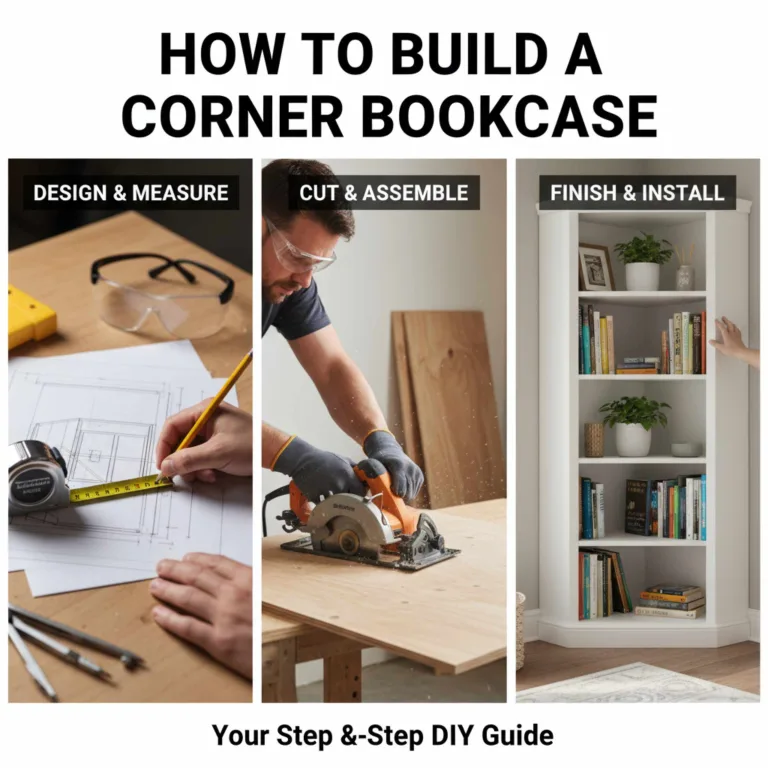
A built-in bookshelf is usually a moderate-to-complex project, not a simple furniture setup. Installation can involve framing, leveling, anchoring, trim work, patching, and painting, and some projects need electrical changes or wall repairs. The more exact the fit, the more skill it requires.
What makes it harder
Uneven walls, baseboards, sloped ceilings, and hidden wiring all add difficulty. Custom shelves also need careful planning for depth, shelf span, and access around outlets or vents. That is why a built-in is often a job for carpentry or millwork rather than a quick assembly project.
What can simplify it
Pre-planned dimensions, simple wall runs, and paintable finishes reduce the amount of finish work. If the room has straight walls and few obstacles, the project is more straightforward. Even then, measuring twice matters because small errors become obvious in a fixed installation.
Choose Built-In Bookshelf if… / Choose Freestanding Bookshelf if…
Choose a built-in bookshelf if permanence, custom fit, or a tailored look matters most. Choose a freestanding bookshelf if flexibility, lower upfront cost, or easier relocation matters most. The right choice depends on how long you will stay, how much weight you need to store, and how closely the shelf needs to fit the room.
Choose built-in bookshelf if…
- You expect to stay in the home for 5 years or more.
- You need wall-to-wall, floor-to-ceiling, or around-obstacle fitting.
- You will store heavy books, media, or mixed archive loads.
- You want the shelving to read like part of the room, not separate furniture.
Choose freestanding bookshelf if…
- You rent or may move soon.
- You want the lower-cost, lower-commitment option.
- You need a setup you can assemble, anchor, and replace easily.
- You want a unit that can move to another room or another home.
Frequently asked questions
Built-in bookshelf vs freestanding bookshelf: which is better?
Neither is better in every case. Built-ins are better for permanence, exact fit, and heavy storage; freestanding bookcases are better for renters, future moves, and lower upfront cost. The better choice is the one that matches your timeline, room constraints, and load needs.
Which bookshelf type is better for renters?
Freestanding bookshelves are usually better for renters because they are movable and easier to remove without major wall repair. Built-ins often require landlord approval and may be hard to reverse cleanly. If you need safety, choose a freestanding model that can be anchored with minimal wall impact.
Which option is safer in an earthquake or for kids?
A properly installed built-in is often safer because it is fixed to the room. A freestanding bookshelf can still be safe, but only if it is anchored to studs and built with a stable base. For kids’ rooms, tip resistance matters as much as shelf strength.
Which bookshelf type is easiest to move if I relocate?
Freestanding bookshelves are much easier to move because they are furniture, not part of the wall. Built-ins usually stay behind and may require demolition and patching if removed. If relocation is even a possibility, freestanding is the practical choice.
Products related to this article
Sponsored / affiliate links. As an Amazon Associate I earn from qualifying purchases. I may earn additional commission from eligible campaigns.