How Much Does a DIY Bookshelf Cost?
A simple DIY freestanding bookshelf usually costs about $60 to $200 in materials, or more if hardwood, plywood edging, or a finish is added. Skip the budget math, and the project can cost more than a ready-made shelf. This guide breaks down material, tool, and upgrade costs so you can price a basic build before you buy.
Typical cost range
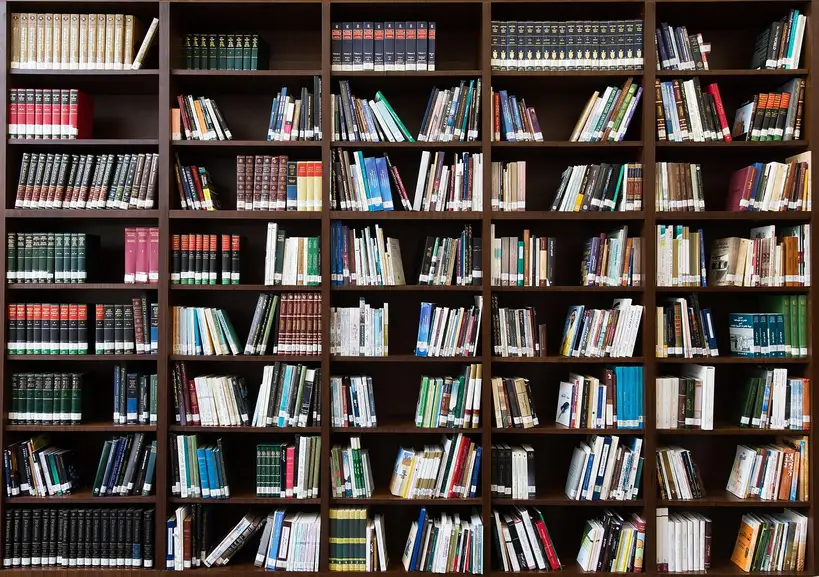


For a simple freestanding plywood bookcase, a realistic material budget is commonly about $60 to $200. A bare-bones build can stay near the low end if you keep the size modest, use 3/4-inch plywood for the case, and avoid decorative trim. Add finish, shelf hardware, and better joinery, and the total rises quickly.
What drives the price up or down
The biggest cost drivers are sheet count, thickness, finish, and hardware. A 3/4-inch sheet stock build uses fewer panels and usually carries more load, while a 1/4-inch back panel adds cost but helps square the case. Hardwood like oak or maple costs more than pine or plywood, and built-in-style trim pushes the budget much higher.
Hidden costs matter too. Shelf pins, edge banding, anti-tip hardware, primer, paint or stain, and a waste allowance can add up fast. A circular saw with a straight guide is often the key tool for sheet goods, and if you buy it for one project, tool cost can exceed the lumber bill.
What you’ll need
- 3/4-inch plywood for the sides, top, bottom, and shelves
- 1/4-inch plywood for the back panel
- Wood screws
- Wood glue
- Shelf pins and a shelf-pin jig for adjustable shelves
- Edge banding or trim for exposed edges
- Primer and paint or stain
- Anti-tip hardware or wall anchors for a tall freestanding unit
- Circular saw with a straight guide
- Drill/driver, tape measure, square, sandpaper, clamps
Optional items that affect the budget
Adjustable shelves need shelf pins, and accurate spacing is easier with a jig. Edge banding covers plywood edges and improves the finished look, but trim can cost more and take longer. If you want a painted bookcase, budget for primer plus paint; if you want a stained look, plan for stain, sealer, and extra prep time.
DIY bookshelf cost breakdown
This table shows three common budget levels for a simple freestanding bookcase. The numbers are practical estimates for a small to medium build, not fixed prices. A 30-inch-wide, 72-inch-tall plywood bookcase falls near the middle unless you change the material grade, finish, or joinery.
| Scenario | Lumber | Back panel | Screws and glue | Shelf pins | Edge banding | Finish | Anchors | Waste allowance | Total range | What changes the total |
|---|---|---|---|---|---|---|---|---|---|---|
| Bare-bones plywood bookshelf | $35 to $70 | $15 to $30 | $8 to $15 | $0 to $8 | $0 to $10 | $0 to $20 | $0 to $8 | $8 to $15 | $66 to $176 | Simple fixed shelves, minimal trim, no paint or stain, fewer accessories |
| Finished mid-range bookcase | $50 to $100 | $20 to $35 | $10 to $18 | $8 to $15 | $10 to $25 | $20 to $45 | $8 to $15 | $12 to $20 | $138 to $273 | Adjustable shelves, painted or stained finish, more edge treatment, better hardware |
| Upgraded built-in-style version | $90 to $180 | $25 to $45 | $12 to $25 | $10 to $20 | $20 to $50 | $35 to $80 | $15 to $30 | $20 to $35 | $227 to $465 | More sheet goods, trim or face frames, fuller finish work, stronger anchoring |
How much does a plywood bookshelf cost to build?
A plywood bookshelf usually costs less than hardwood and can be strong enough for books when you use the right thickness. For a freestanding case around 30 inches wide and 72 inches tall, the sheet count and panel thickness decide most of the price. Once you add a back panel, edge treatment, and finish, the budget moves fast.
Plywood thickness and sheet count
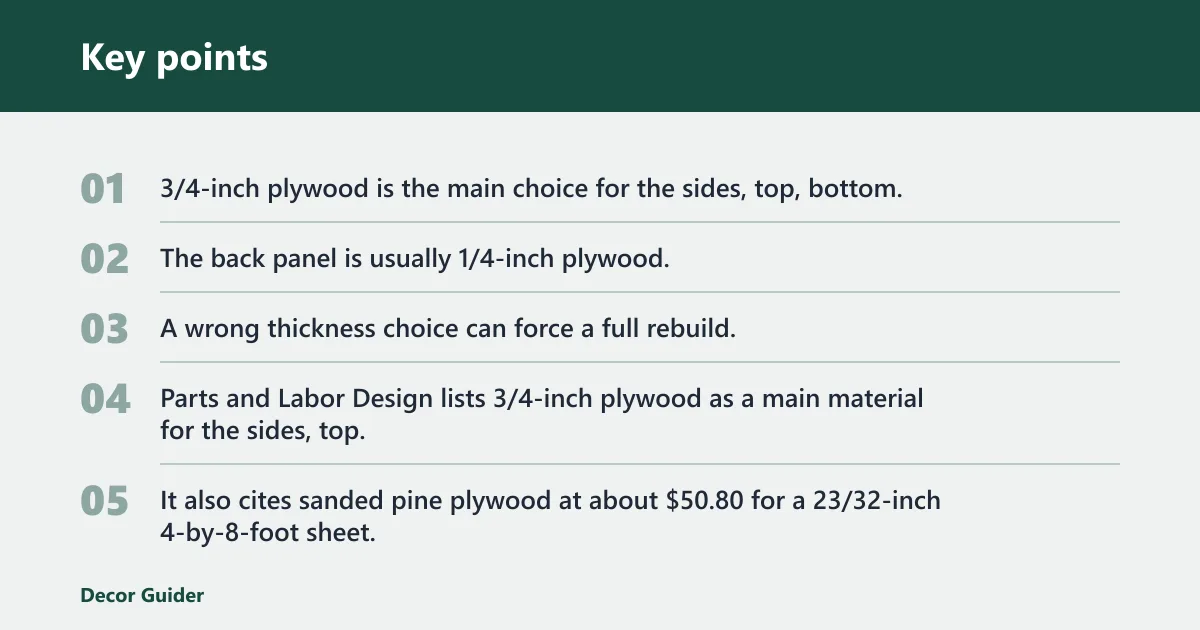
3/4-inch plywood is the main choice for the sides, top, bottom, and shelves because it holds weight better than thinner stock. The back panel is usually 1/4-inch plywood, which helps square the cabinet without adding much bulk. A wrong thickness choice can force a full rebuild, so buy the sheet size only after the cut list is set.
Parts and Labor Design lists 3/4-inch plywood as a main material for the sides, top, bottom, and shelves, and notes a 1/4-inch sheet at about $31.50. It also cites sanded pine plywood at about $50.80 for a 23/32-inch 4-by-8-foot sheet. That gap shows why material grade changes the final number quickly.
Where the money goes in a simple case
Screws and wood glue are low-cost items, but both matter. Wood glue helps permanent joints, while screws hold parts in position during assembly and add mechanical strength. Shelf pins are only needed if you want adjustable shelves, yet a jig for accurate hole spacing can be worth the cost because crooked rows look sloppy and limit shelf movement.
Edge banding is another small line item that changes the result. It covers exposed plywood edges and can be used instead of or alongside trim. If the bookcase will be painted, edge banding may be enough. If you want a furniture-like look, trim or face frames cost more but can hide sheet stock edges better.
How to build a simple bookshelf
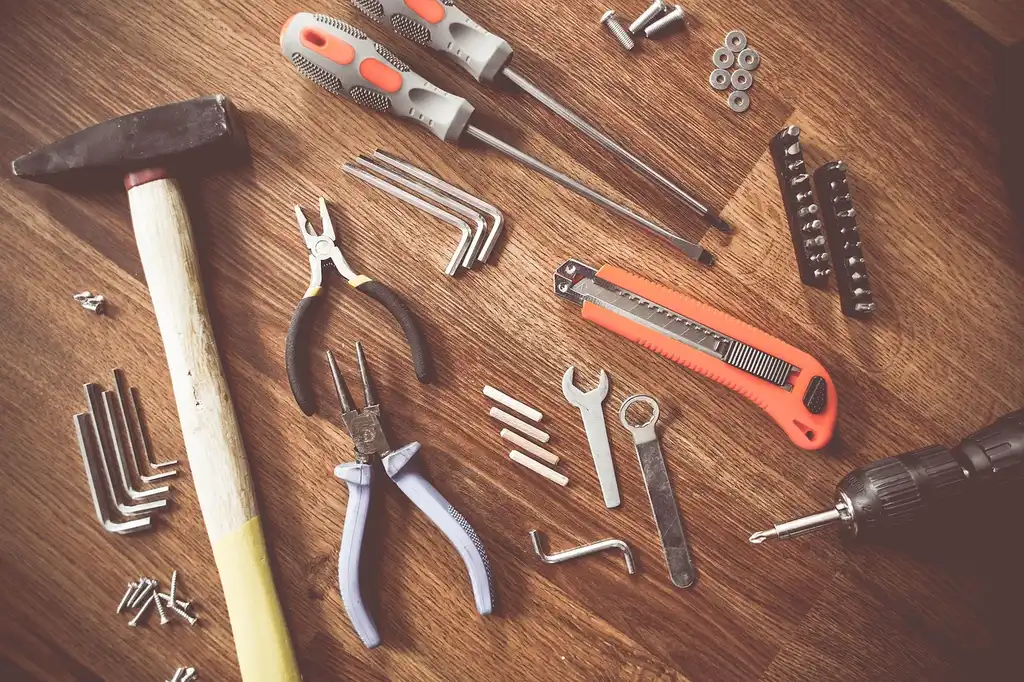
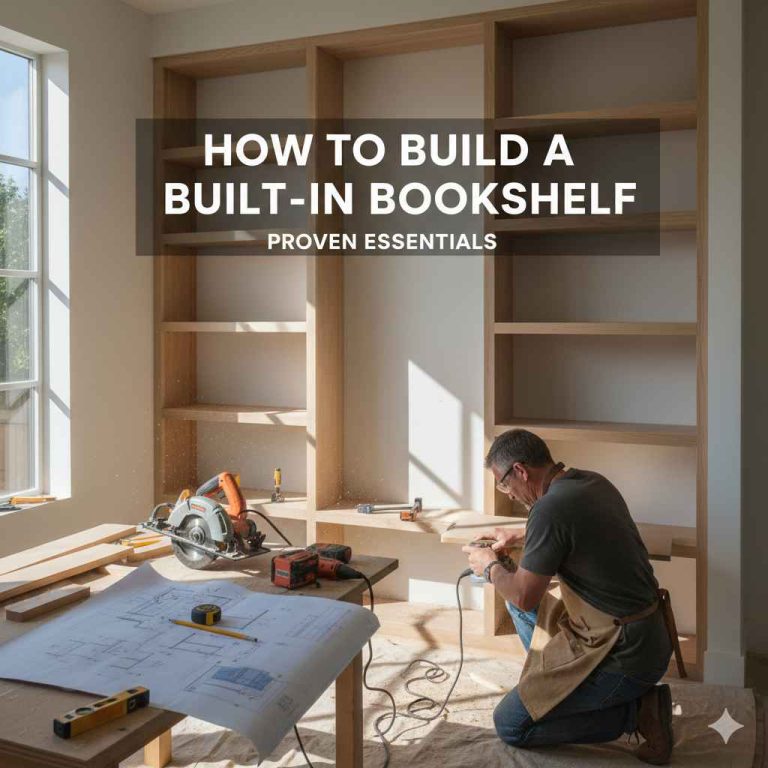
Start with a cut list, then build the case from the sheet goods. A circular saw with a straight guide is the most useful cutting tool for this type of project because it keeps long panel cuts square and repeatable. For a beginner-friendly build, keep the design simple: two sides, a top, a bottom, a back panel, and a few shelves.
- Measure the opening and set the final width, height, and shelf spacing.
- Cut the plywood panels with a circular saw and straight guide.
- Dry-fit the case so you can check square before fastening.
- Apply wood glue to the joints, then drive wood screws to lock the case together.
- Install the back panel to keep the bookcase square and stiff.
- Add shelf pins if you want adjustable shelf heights.
- Apply edge banding or trim to the exposed edges.
- Sand, prime, and paint or stain the bookcase.
- Anchor a tall freestanding unit to the wall with anti-tip hardware.
Say your shelf will sit in a small office and hold paperbacks and baskets. A 30-inch-wide, 72-inch-tall plywood case with fixed shelves can stay near the lower-middle budget if you skip trim and choose paint instead of a multi-step stain finish. Add adjustable shelves and edge banding, and the total rises before you buy extra lumber.
What makes built-in bookshelves cost more?
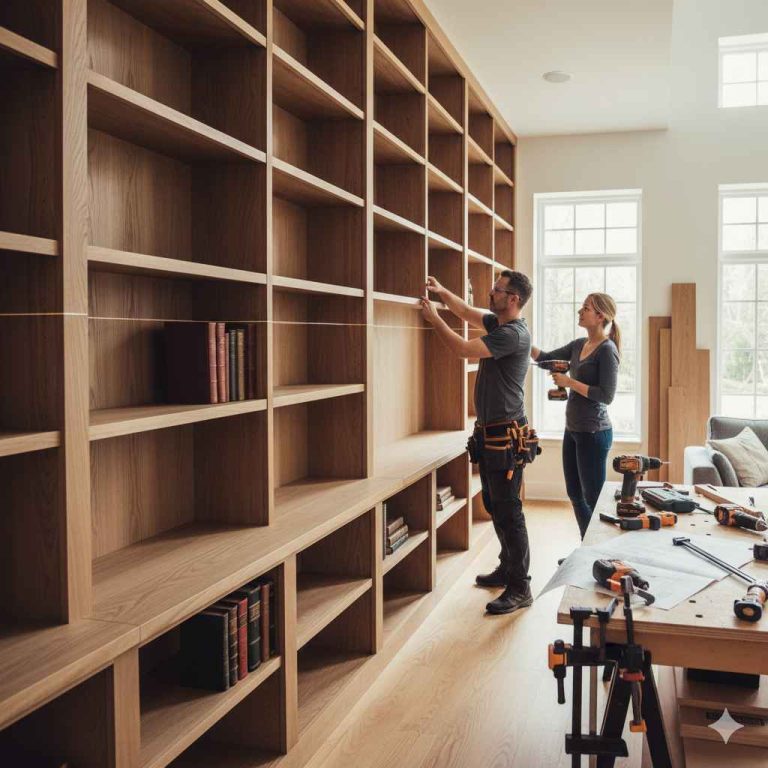
Built-in-style bookshelves usually cost more because they use more material, more trim work, and more labor. Even if the cabinet boxes are simple, the visible finish has to look cleaner than a freestanding unit. That means more sheet goods, more filler and sanding, better anchoring, and usually more paint or stain.
More material and labor
Built-in-style units often need face frames, side panels, crown or base trim, and more precise scribing to fit walls that are not perfectly square. That extra fit work adds time and waste. A freestanding bookcase can tolerate small gaps; a built-in look cannot, so the budget climbs with every custom cut.
Trim, paint, and anchoring costs
Painted built-ins are rarely cheap because primer, caulk, filler, and multiple coats add both material and labor cost. Anchoring is also more demanding. For tall shelving, anti-tip hardware is not optional, and a wall-fixed built-in-style unit may need stronger fastening than a basic freestanding case.
Parts and Labor Design estimates a basic bookshelf at roughly $150 to $250. That range fits the idea of a simple bookcase, but built-in-style work can move past it once trim, finish, and wall fastening are added. If you want the built-in look for less, keep the design shallow, simple, and square.
How to build a small bookshelf on a budget
The cheapest way to build a simple bookshelf is to keep the size small, use plywood, and avoid custom trim. Pre-cut boards, cubes, brackets, or wooden crates can also cut labor and tool needs. A compact open shelf is easier to build, lighter to move, and cheaper to finish than a tall cabinet.
How to make a small bookshelf without expensive tools
Use a tape measure, a drill, a square, sandpaper, and a circular saw with a straight guide. That list covers most needs for a plywood bookcase. If you do not own the saw, buy the cut list first so a lumber yard can make the rough cuts, then do the drilling, assembly, and finishing at home.
A common first-timer mistake is buying 3/4-inch plywood for every part and forgetting the back panel, which can throw off both cost and fit. Another is skipping a waste allowance. Sheet goods often need extra material for bad cuts, knots, or grain direction, so budget for a little more than the bare cut list.
Common mistakes to avoid
The most expensive mistakes are wrong measurements, the wrong sheet thickness, and weak support. They waste lumber and often force a rebuild. It is also easy to underbuy finish, glue, or hardware, then stop midway through the project and pay retail for missing pieces.
- Bad measurements: Measure the wall opening and shelf depth before buying any sheet goods.
- Wrong thickness: Use 3/4-inch sheet stock for sides and shelves, and 1/4-inch plywood for the back.
- Weak support: Use wood glue and screws together for the case, not screws alone.
- Missing safety hardware: Add anti-tip hardware for tall freestanding bookcases.
- Underpriced finish: Budget for primer, paint or stain, and sanding supplies before assembly.
Suppose a 72-inch-tall bookcase is built without anti-tip hardware and placed in a hallway. It may stand fine at first, but a full shelf load changes the risk. Anchors are a small line item compared with the cost of replacing damaged furniture or patching a wall.
Frequently asked questions
How much does a DIY bookshelf cost?
A simple DIY bookshelf usually lands between $60 and $200 in materials, with higher totals for hardwood, better finish work, and extra hardware. A bare-bones plywood build stays low if you keep the design simple, while a painted adjustable unit with trim moves toward the upper end quickly.
How much is a bookshelf if I build it myself?
If you build it yourself, price depends on size and finish more than the word “bookshelf” itself. A small open unit can stay under $100, while a fuller bookcase with back panel, shelf pins, edge banding, and paint often moves into the $150 to $250 range.
What materials make a DIY bookshelf more expensive?
Hardwood, thicker plywood, decorative trim, and premium finish products raise the bill fastest. Shelf pins, edge banding, primer, and anti-tip hardware are smaller line items individually, but they add up when you include waste. More shelves and a larger case also increase sheet count and cut time.
How much should built in bookshelves cost?
Built-in-style bookshelves usually cost more than a freestanding case because they need more trim, more precise fit work, and better anchoring. A simple built-in look often starts above a basic DIY bookcase and can rise fast once paint, caulk, filler, and wall fitting are included.
How much for built in bookshelves versus a freestanding DIY bookcase?
A freestanding plywood bookcase is usually the lower-cost option, often kept in the $60 to $200 material range. A built-in-style version can move into roughly the $227 to $465 range or more because of extra sheet goods, trim, finish, and installation time. The gap widens as the design gets taller or wider.
What is the cheapest way to build a simple bookshelf?
The cheapest route is a small plywood case with fixed shelves, minimal trim, and a simple painted finish. Pre-cut boards, cubes, brackets, or wooden crates can also reduce time and tool use. If you keep the shelf count low and skip decorative details, the material bill stays much lower.
Products related to this article
Sponsored / affiliate links. As an Amazon Associate I earn from qualifying purchases. I may earn additional commission from eligible campaigns.