What Size Bookshelf Do I Need? Measure It Right
Choose a bookshelf that is at least about 20% wider than your total books for growth, at least 1 inch deeper than your largest book, and tall enough to leave about 2 to 4 inches of clearance below the ceiling or wall trim. Too-small shelves waste space, tip under load, or leave oversized books sticking out. Measure the books you own, check the room, and match the shelf to both before you buy.
How do you size a bookshelf?


Start with the books you own, then match shelf depth, width, height, and spacing to the largest items in that group. A good fit leaves room for future growth, helps prevent shelf sag, and avoids shelves so deep that small books disappear at the back.
Measure your book mix first
Sort your books into three groups: paperbacks, hardcovers, and oversized art books. Paperbacks usually fit shallower shelves, hardcovers need more depth, and oversized books need the deepest shelves of the three. That mix is the main driver behind the final size.
- Count each format. Write down how many paperbacks, hardcovers, and oversized art books you need to store. The largest book in the group sets the minimum shelf depth.
- Pick the deepest item. Use that item to choose shelf depth, then add a little clearance so covers do not rub the back panel or stop the shelf from closing against trim.
- Add growth room. Plan for about 20% extra width across the unit if you expect the collection to grow. That keeps you from buying a second shelf too soon.
Convert book height into shelf spacing
Shelf spacing matters as much as shelf depth. A common setup is about 10-12 inches of spacing, paperbacks often work better at about 8-10 inches, and larger books or collectibles usually need about 12-14 inches. Adjustable pegs or tracks in 1-inch increments give you more control.
Match shelf size to room clearance
Room clearance controls how the bookshelf functions day to day. Small rooms are commonly set up with about 24-30 inches in front, medium rooms about 30-36 inches, and large rooms about 36-48 inches. Side clearance usually falls between 6 and 24 inches, and you should leave enough space for trim, outlets, or nearby furniture.
| Book type mix | Wall clearance | Desired shelf count | Recommended width | Recommended depth | Recommended height | Shelf spacing | Center support or anchoring |
|---|---|---|---|---|---|---|---|
| Mostly paperbacks | 24-30 inches in a small room | 5 shelves | 24-36 inches | 6-8 inches | 48-72 inches | 8-10 inches | Anchoring recommended if tall; center support not usually needed under 36 inches |
| Mixed paperbacks and hardcovers | 30-36 inches in a medium room | 5-6 shelves | 30-42 inches | 10-12 inches | 72 inches | 10-12 inches | Center support recommended above 36 inches; anchor tall units |
| Mostly hardcovers and a few art books | 36-48 inches in a large room | 6 shelves | 36-48 inches | 12-14 inches | 72 inches or taller | 12-14 inches | Center support needed on wider spans; anchor if tall or top-heavy |
How deep does a bookshelf need to be?
Most books need 10-12 inches of depth, which fits standard hardcovers and many trade books without wasted space. Paperbacks can work on shallower shelves, while oversized art books need more depth. Depth that is too shallow leaves books hanging over the edge, and depth that is too large wastes room.
Depth for paperbacks and hardcovers
Shallower shelves of 6-8 inches suit paperbacks and decorative displays. Standard shelves of 10-12 inches fit most books. If the shelf will hold mixed formats, choose the deeper end of the standard range so hardcovers sit flush and paperbacks do not tilt forward.
Depth for oversized art books
Oversized art books require 12-14 inches of depth. That extra room helps keep large covers flat and prevents the front edge from catching. If the book block is especially large or heavy, shallow shelving is the wrong choice because it forces overhang and raises the risk of tipping or wear at the shelf edge.
When shallow shelves make sense
Use 6-8 inch shelves when the goal is display, not bulk storage. They work well for paperbacks, small collectibles, or a few favorite titles on a wall-mounted shelf. They are a poor fit for heavy hardcover runs or oversized books, which need more support from front to back.
How wide should a bookshelf be?
Standard bookshelf width is 24-48 inches wide. For heavy books, a common rule of thumb is to keep spans under about 36 inches unless the shelf has center support. Wider shelves hold more books, but they also raise sag risk if the material is light or the shelf is loaded with dense hardcovers.
Width ranges for common units
Use 24-36 inches for compact storage, 36-42 inches for a balanced all-purpose unit, and 42-48 inches when you need more total capacity. Width should still match the wall and leave enough side clearance for trim, outlets, or adjacent furniture.
When wide shelves need center support
Once a shelf gets wider than 36 inches, center support becomes more important for heavy books. A middle divider or brace reduces sag and keeps the shelf from bowing over time. This matters most for solid rows of hardcovers, reference books, or art books.
How width changes with heavy books
Heavy books concentrate load fast. A wider shelf can look efficient, but if the span is too long, the middle will carry the most stress. That can lead to visible deflection, binding doors or drawers below, and a shelf that feels unstable when loaded unevenly.
Say your books are mostly hardcovers and the unit is 42 inches wide. Without a center support, the shelf has more span to manage than a 30-inch unit, so the safer choice is either a braced shelf or a narrower case.
How tall should a bookshelf be?
Common tall-unit height is 6-8 feet, and that range works well when you want more vertical storage without using more floor space. A 72-inch bookshelf typically has 5-6 shelves, while a 48-inch unit typically has 3-4 shelves. Leave 12-18 inches below the ceiling when possible.
Choose height for ceiling clearance
A bookshelf should not press into the ceiling or wall trim. Leaving 12-18 inches of clearance makes the unit easier to place, prevents a cramped look, and gives you room to lift the bookshelf into position if it needs to be assembled on site.
Shelf count for 48-inch and 72-inch units
A 48-inch bookshelf usually gives you 3-4 shelves, which works for low-profile storage, toys, or a few rows of books. A 72-inch bookshelf typically gives you 5-6 shelves, which is better for mixed book collections and offices where vertical storage matters.
Tall units for small rooms
Tall bookshelves are useful in small rooms because they use vertical space instead of floor space. They still need front clearance, and they usually need wall anchoring to stay stable. In a tight room, a tall narrow unit often works better than a short wide one.
What shelf spacing works best?
Standard shelf spacing is 10-12 inches, but the right gap depends on what you store. Paperbacks usually fit 8-10 inches, while larger books and collectibles often need 12-14 inches. Adjustable systems in 1-inch increments give you the most control over mixed collections.
Spacing for paperbacks
Paperbacks are the easiest to stack tightly. A spacing of 8-10 inches usually leaves enough room for removal without wasting vertical space. If the shelf also holds a few magazine-size items, go closer to 10 inches.
Spacing for hardcovers and collectibles
Hardcovers fit well in 10-12 inches, which is the standard working range for most books. If you store large editions, decorative objects, or bookends, 12-14 inches keeps the shelf usable instead of cramped.
Adjustable shelf systems
Adjustable pegs or tracks in 1-inch increments are useful when your collection changes. They let you move shelves to match new books without rebuilding the whole unit. That matters in offices, kids’ rooms, and mixed-use storage where the contents change often.
Which bookshelf type fits your room?
The right bookshelf type depends on where it will go and how it will be used. Freestanding units are flexible, wall-mounted shelves save floor space, ladder-style shelves lean toward display, modular units adapt as your needs change, and built-ins give the cleanest permanent fit.
Freestanding and modular units
Freestanding shelves are the simplest choice when you may move the unit later. Modular systems work well when you want to add sections over time or adjust the shape of the storage wall. Both are practical for renters if you want fewer changes to the room.
Wall-mounted and built-in options
Wall-mounted shelving works best for lighter loads, display items, or shallow book runs. Built-ins fit tightly to the room and can handle a planned layout, but they are less flexible if your collection or room use changes. Both need careful planning around wall studs and clearances.
Ladder-style shelves for display-first spaces
Ladder-style shelves are better for display than for dense book storage. The back lean and narrower shelves make them useful for a few books, framed objects, or decorative storage. They are not the best choice for heavy hardcovers or very wide collections.
A common first-timer mistake is buying a ladder shelf for a growing hardcover collection. It looks light and open, but the shallower shelves and angled frame often leave little room for deep books and can waste usable storage above the lowest shelf.
How much weight can a bookshelf hold?
Weight capacity depends on the shelf material, thickness, and span. Solid wood is the gold standard for bookshelves, while plywood, MDF, particleboard, and metal each carry different practical limits. Heavy books need stronger material and shorter spans to reduce sag.
Material limits by shelf type
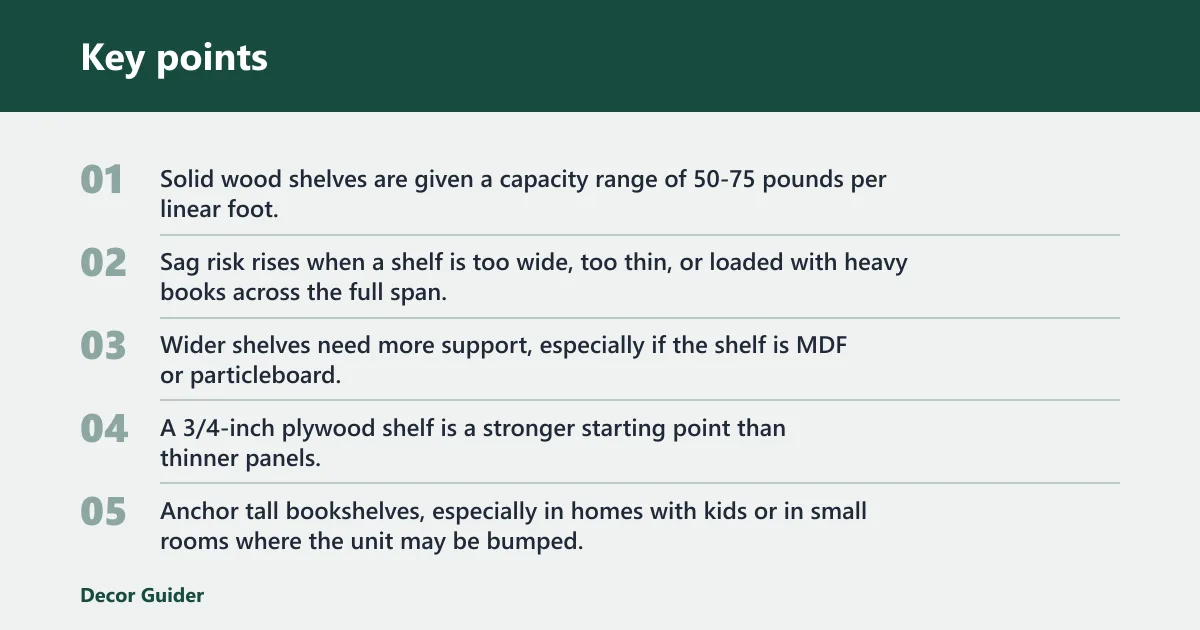
Solid wood shelves are given a capacity range of 50-75 pounds per linear foot. Quality plywood is typically 40-60 pounds per linear foot, MDF is 25-35 pounds per linear foot, particleboard is 15-25 pounds per linear foot, and metal is 75-100+ pounds per linear foot.
| Material | Practical capacity | Best use | Notes |
|---|---|---|---|
| Solid wood | 50-75 pounds per linear foot | Dense books, long-term storage | Strong choice for wide shelves and heavier loads |
| Plywood | 40-60 pounds per linear foot | General book storage | 3/4-inch minimum thickness is the common plywood guidance |
| MDF | 25-35 pounds per linear foot | Light to moderate loads | Works better with shorter spans and careful loading |
| Particleboard | 15-25 pounds per linear foot | Light storage only | Least forgiving under heavy book weight |
| Metal | 75-100+ pounds per linear foot | Heavy books and utility storage | Strongest option for high load capacity |
Sag risk and support needs
Sag risk rises when a shelf is too wide, too thin, or loaded with heavy books across the full span. Wider shelves need more support, especially if the shelf is MDF or particleboard. A 3/4-inch plywood shelf is a stronger starting point than thinner panels.
When to anchor a bookshelf
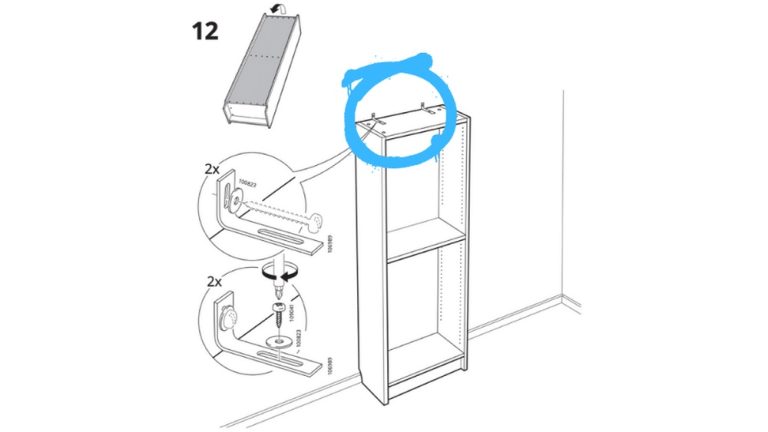
Anchor tall bookshelves, especially in homes with kids or in small rooms where the unit may be bumped. Wall anchoring helps reduce tip risk when the bookshelf is tall, narrow, or top-heavy. It is also a smart choice for any unit that stores dense hardcovers on upper shelves.
How much bookshelf space do I need for my books?
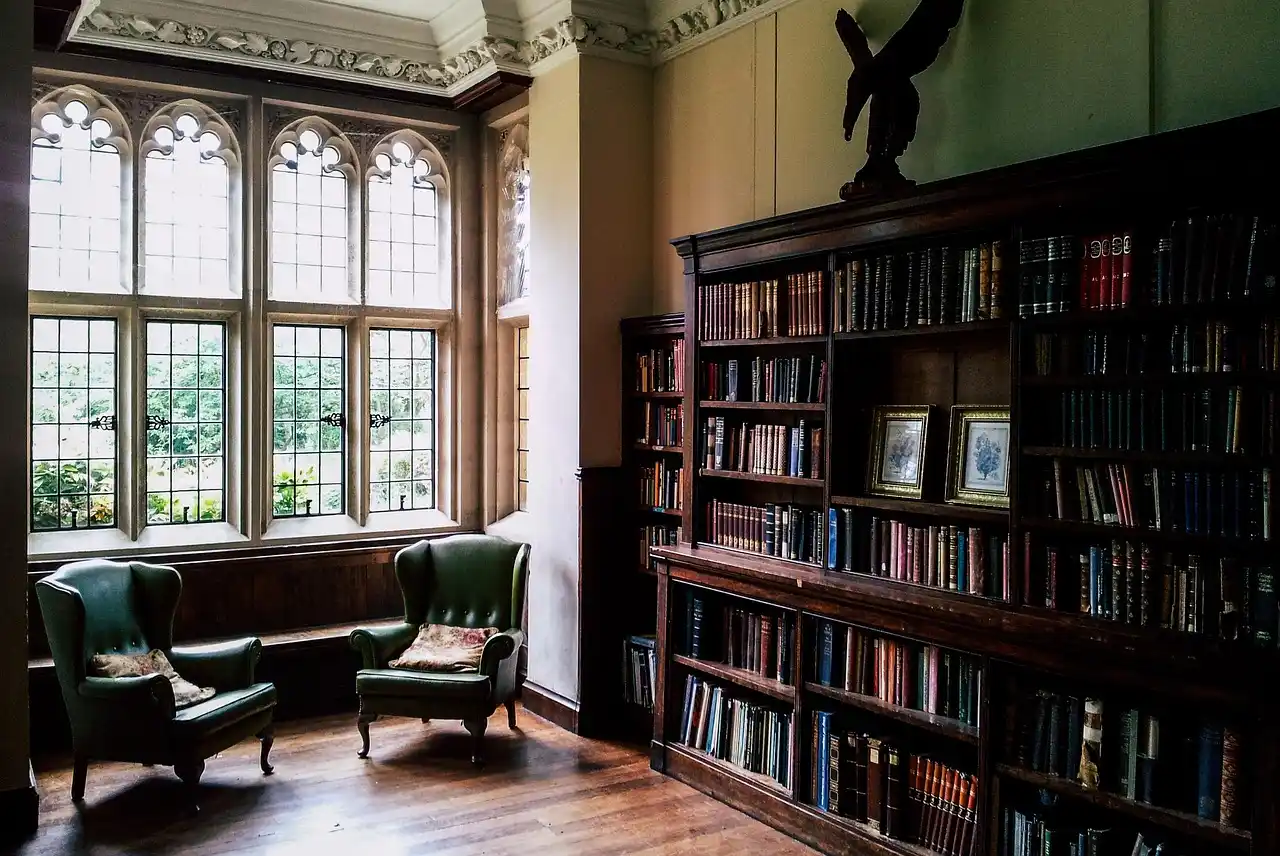
You need enough width for the full book run, enough depth for the largest book, and enough height to keep shelves usable without wasted space. A good starting point is to size for the present collection, then add room for growth and for the shelf thickness itself.
- Measure the longest run. Line up the books that will sit on one shelf and measure the total length. That tells you the minimum usable width before growth room.
- Check the tallest book. Measure the tallest item in the group and use it to set shelf spacing and depth. This prevents overhang and wasted vertical space.
- Add growth room. Increase the width target by about 20% so the shelf does not fill immediately. This is especially useful for children’s books, office reference books, and expanding hobbies.
How do I choose a bookshelf size for a small room?
In a small room, choose a narrow or medium-width unit with tall vertical storage, front clearance of 24-30 inches, and enough depth for the largest book you plan to store. A wall-mounted shelf can save floor space, but a freestanding unit gives more book capacity.
Renters, kids’ rooms, offices, and display-first spaces
Renters often need moveable freestanding or modular units that do not require permanent changes. Kids’ rooms need anchoring, rounded edges where possible, and shelves that keep frequently used books low. Offices usually need stronger shelves for binders and reference books. Display-first spaces can use shallower shelves and wider gaps because access matters less than appearance.
Frequently asked questions
What shelf spacing works for hardcovers and paperbacks?
Paperbacks usually fit best with 8-10 inches of spacing, while hardcovers and standard books fit well at 10-12 inches. Larger books or collectibles often need 12-14 inches. Adjustable shelf systems in 1-inch increments are the easiest way to cover both formats.
What size shelving brackets do I need?
Choose brackets that match the shelf depth and the load you plan to place on them. Deeper shelves and heavier books need stronger brackets with enough projection and wall attachment strength. For wide or heavy runs, use brackets that are rated for the full load and spaced closely enough to prevent sag.
How much clearance should a bookshelf have around it?
Small rooms usually need 24-30 inches in front of the bookshelf, medium rooms 30-36 inches, and large rooms 36-48 inches. Side clearance often falls between 6 and 24 inches. Enough clearance keeps doors, drawers, and walk paths usable.
Products related to this article
Sponsored / affiliate links. As an Amazon Associate I earn from qualifying purchases. I may earn additional commission from eligible campaigns.
 Yarssihha 10 Inch Decorative Shelf Brackets, 2 Pack Wall Mounted Metal Shelving Brackets, Heavy Duty Shelf Supports, Rustic L Shape Brackets for Floating Shelves DIY Home Kitchen, with Screws
 Gold Heavy Duty Shelf Brackets 12 Inch, Extra Thick L Shelving Brackets, Rustic Gold Iron Floating Shelves Wall Mounted with Hardware for DIY Open Shelving, 4 Pack