Bookshelf Brackets Problems / Not Working / Troubleshooting
If a bookshelf bracket is loose, bent, or pulling out, fix the wall anchor, stud bite, or load rating first; if the bracket still moves after re-tightening, replace the fastener or mount type instead of remounting in the same holes. Ignoring it can warp shelves, rip drywall, and drop books or decor. This guide shows how to match the failure to drywall, plaster, masonry, or stud mounting, then correct the exact mistake.
What you’ll need

- Bubble level or laser level
- Stud finder
- Drill and driver
- Wood drill bits for studs and shelf boards
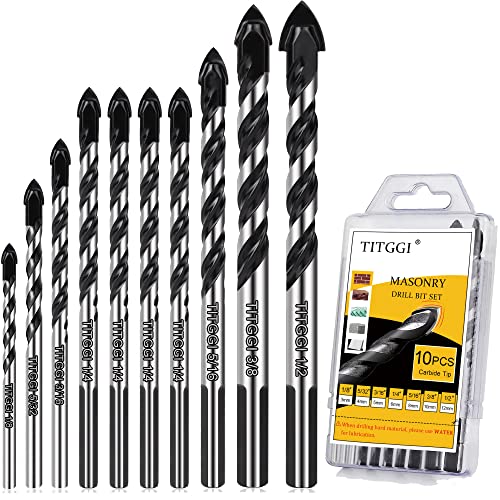
- Masonry bits for brick, block, or concrete
- Pilot-hole bit sized to the screw or anchor
- Replacement screws in the correct length and diameter
- Lag screws and washers for stud mounting, if specified by the bracket
- Drywall anchors: toggle anchor, molly bolt, or self-drilling anchor
- Wall plugs or expansion anchors for masonry
- Mounting plate or anti-tip strap, if the shelf system uses one
- Replacement shelf board if the board is bowed, split, or too thin
Basic tools and bits
Match the bit to the fastener or anchor, not the other way around. A pilot hole that is too small can split wood or bend hardware; one that is too large can leave the screw with no grip. Keep a level close by for every adjustment.
Replacement hardware to have on hand
Keep a few anchor types ready before you open the wall for repair. Toggle anchors and molly bolts are often reported to hold better than lightweight self-drilling anchors in drywall repairs, while masonry typically needs an expansion anchor or wall plug sized to the hole and fastener.
Safety checks before you start
Empty the shelf before loosening anything. If the bracket is carrying a shelf board with books or glass, unload it first so the wall does not fail while you inspect it. If the shelf is high, support the board from below before removing screws.
Step 1: Identify the failure mode
Start with the visible symptom. A loose bracket, a sagging shelf, a wobble, a tilt, or a pull-out usually points to a different mistake, and each one calls for a different repair. Level the shelf before blaming the wall, then inspect the fastener path and the board itself.
- Check whether the bracket arm is bent, the shelf board is warped, or the wall fastener is moving.
- Use a bubble level or laser level to confirm the shelf is level left to right and front to back.
- Press down on the front edge lightly; if the shelf rocks, note whether the movement comes from the wall, the bracket arm, or the board.
- Mark the exact points where the hardware shifts so you can repair the right part only.
Say your 36-inch shelf is level at the left bracket but dips at the center. That pattern usually points to spacing, board thickness, or span length, not to the wall itself. A common first-timer mistake is tightening the wall screw again while the real problem is a thin MDF board between brackets.
Why are my bookshelf brackets pulling out of the wall?
Pull-out usually means the fastener does not match the wall material, the screw is too short or too small, or the shelf load exceeds what that spot can hold. In drywall, missed studs and light-duty anchors are the most common causes. In masonry, a wrong plug or an oversized hole often fails first.
Missed studs or wrong anchor type
For drywall, locate studs at about 16-inch on-center spacing and confirm with a second check before drilling. If no stud is available, use a toggle anchor or molly bolt rather than a small self-drilling anchor for heavier shelves. For masonry, use an expansion anchor or wall plug sized to the bit and screw.
Fastener length and diameter mismatch
A screw that is too short may not bite deeply enough into wood or a stud. A screw that is too narrow can strip the hole under load. For stud mounting, use the bracket manufacturer’s specified screw or lag screw size, and use a washer where the bracket slot needs a broader bearing surface.
Overload and weak wall material
Drywall alone is generally a weak mounting base for heavier shelf loads. If the shelf carries dense books, use studs whenever possible. If the wall must stay untouched, reduce the load and move heavy items lower or to a different support.
How do I fix sagging bookshelf brackets?
Sagging usually comes from too much span, a bracket arm that is too short for the load, or a shelf board that is too thin or too flexible. Check the bracket spacing first, then the board material and thickness. A bowed board can make a level bracket look like a wall problem.
Check bracket spacing and arm length
Longer spans need more support points. Space brackets evenly and keep the shelf supported close enough to the ends to limit flex. A short bracket arm can hold a light display shelf, but it may not control sag on a deep board loaded with books.
Inspect shelf thickness and board material
Solid wood, plywood, and MDF do not behave the same way. Plywood usually resists sag better than thin MDF at the same size, but any board can fail if the span is too long. If the shelf board is thin or already bowed, replace the board before reusing the same brackets.
Look for bowed boards and uneven loading
If one side carries heavier books or decor, the shelf can tilt even when the brackets are level. Move the heaviest items closer to the brackets and keep the load centered. If the board still droops in the middle, add another support point or choose a thicker shelf board.
Suppose a 24-inch shelf uses two brackets and the center sags after books are added. If the board is thin MDF, the fix is usually a thicker board or a shorter span between supports, not another wall anchor. The wall may be fine while the board is the weak part.
Bookshelf bracket troubleshooting matrix
This matrix separates drywall, stud, and masonry installs so you can match the symptom to the wall, then repair the exact weak point. Use the confirmatory check before drilling new holes. Replace the bracket, anchor, or board if the damage is structural or repeated.
| Wall type | Symptom | Likely cause | Confirmatory check | Recommended repair | Replace bracket, anchor, or board? |
|---|---|---|---|---|---|
| Drywall | Bracket pulls forward | Wrong anchor type, missed stud, or overloading | Anchor spins or hole has broken gypsum around it | Move to a stud or install a toggle anchor or molly bolt in sound drywall | Replace the anchor; replace the bracket if bent |
| Drywall | Bracket holes are stripped | Oversized pilot hole or reused fastener | Screw turns without tightening | Fill the hole only if the new anchor calls for it; otherwise shift to a new spot | Replace the fastener; replace the board if the mounting holes are torn out |
| Stud | Bracket wobbles after tightening | Screw too short, wrong diameter, or bracket slot not fully seated | Screw heads do not clamp firmly; bracket moves under hand pressure | Use the correct lag screw or wood screw with washer and recheck plumb | Replace the screw; replace the bracket if the mounting slot is deformed |
| Stud | Shelf sags in the middle | Bracket spacing too wide or board too thin | Board bows between supports with the load removed | Add support points or move to a thicker board | Replace the board if the sag is permanent |
| Masonry | Anchor loosens or crumbles | Wrong bit size, hole too shallow, or wrong anchor for the wall | Anchor does not grip after setting | Drill with the correct masonry bit and install the proper expansion anchor or wall plug | Replace the anchor; replace the bracket if it bent during failure |
Step 2: Reinstall by wall type
Use the mounting method that matches the wall, not the one that is easiest to reuse. Drywall needs a different anchor strategy than wood studs or masonry, and each one needs the right hole size, screw length, and level alignment before the shelf is loaded again.
- For drywall, confirm whether the bracket can hit a stud; if not, choose a toggle anchor or molly bolt sized to the shelf load.
- For wood studs, drill a pilot hole with a wood bit and use the specified screw or lag screw with a washer if needed.
- For metal studs, use fasteners rated for metal stud mounting and verify the bracket is supported by the stud flange, not just drywall.
- For masonry, drill with the correct masonry bit, clear dust from the hole, and set the expansion anchor or wall plug fully before tightening.
- Set the bracket plumb and level, then tighten in small increments and recheck alignment after each one.
Drywall with anchors
Drywall generally works best when anchored into a stud. If no stud is available, choose an anchor with a weight limit that fits the shelf load, and keep the load lower than the anchor’s listed capacity. A toggle anchor is usually stronger than a self-drilling anchor for heavier brackets.
Wood studs and metal studs
Wood studs accept standard wood screws or lag screws when the hole is pre-drilled correctly. Metal studs need fasteners meant for thin steel framing; a wood screw can strip or deform the metal. A stud finder helps, but a second check avoids drilling into a missed bay.
Masonry with the right bit and anchor
Masonry repairs can fail when the hole size does not match the anchor. Use a masonry bit that matches the anchor’s listed diameter, then install the expansion anchor or wall plug fully before loading the shelf. Do not force a wood screw into a masonry hole without the right anchor.
Common mistakes
Most repeat failures come from using the wrong fastener, skipping pilot holes, or reusing damaged parts. If the wall, bracket, or board is already compromised, tightening harder does not solve it. It usually strips the hole further or bends the hardware enough to fail again.
- Using a self-drilling anchor where a toggle anchor or stud mount is needed
- Choosing a screw that is too short, too narrow, or wrong for the wall type
- Skipping pilot holes in wood studs or shelf boards
- Reusing bent brackets or stripped screws
- Mounting on a bowed shelf board and blaming the wall
- Loading heavy books far from the brackets instead of near them
If that didn’t work
- Move the shelf to a different stud, or shift the mounting point to sound drywall or masonry.
- Replace the anchor with a higher-capacity type that matches the wall and hole size.
- Replace the bracket if the arm is bent, the slot is stretched, or the fastener hole is ovaled.
- Replace the shelf board if it remains bowed, split, or too thin for the span.
Prevention
Before reloading the shelf, check bracket spacing, confirm level, and keep the heaviest items closest to the supports. If the shelf will hold books or dense decor, a thicker board and stud-mounted brackets reduce repeat failures better than repeated anchor swaps.
Frequently asked questions
What size screws should bookshelf brackets use?
Use the screw size specified for the bracket or anchor, because hole diameter and thread type vary by model. For stud mounting, a lag screw or wood screw long enough to bite solid wood is typical. If the bracket slot is wide, add a washer so the head clamps the metal firmly.
Do bookshelf brackets need wall anchors or studs?
Studs are the first choice for drywall because they give the most dependable bite. If a stud is unavailable, use a drywall anchor rated for the load, such as a toggle anchor or molly bolt. For masonry, use a masonry anchor instead of a drywall anchor.
Can I use bookshelf brackets on drywall?
Yes, but drywall alone is not the support. Use a stud whenever possible. If you cannot hit one, choose a drywall anchor sized for the load and wall thickness, and reduce the shelf load if the bracket or shelf board is long.
How much weight can bookshelf brackets hold?
That depends on the bracket load rating, the wall type, the fastener, and the shelf board. A bracket rated for one setup may hold far less in drywall than in a stud. Check the manufacturer’s listing for your model and use the lower-rated part as the limit.
What do I do if the bracket holes are stripped?
Move the bracket to fresh material if possible. If the hole is in the shelf board, replace the board or relocate the bracket. If the wall hole is stripped, switch to the correct anchor type for that wall, or move to a new stud or masonry spot.
Why do shelves tilt even when the brackets are level?
A level bracket can still hold a tilted shelf if the board is bowed, the load is uneven, or one fastener is loose. Recheck the board thickness, bracket spacing, and load placement first. If the board is warped, the wall hardware is not the main problem.
Products related to this article
Sponsored / affiliate links. As an Amazon Associate I earn from qualifying purchases. I may earn additional commission from eligible campaigns.