How Much Does a Wall Bookshelf Cost? Price by Type
A wall bookshelf typically costs about $80 to $400 for a simple mounted unit, about $300 to $1,500 for modular wall systems, and about $3,000 to $15,000+ for true built-ins. Skip mounting details, span limits, and wall condition, and a low quote can turn into repair work, sagging shelves, or a larger install bill. This guide breaks down costs for simple wall-mounted units, modular systems, and built-ins, plus the labor and material factors that move the total.
Wall bookshelf costs by type
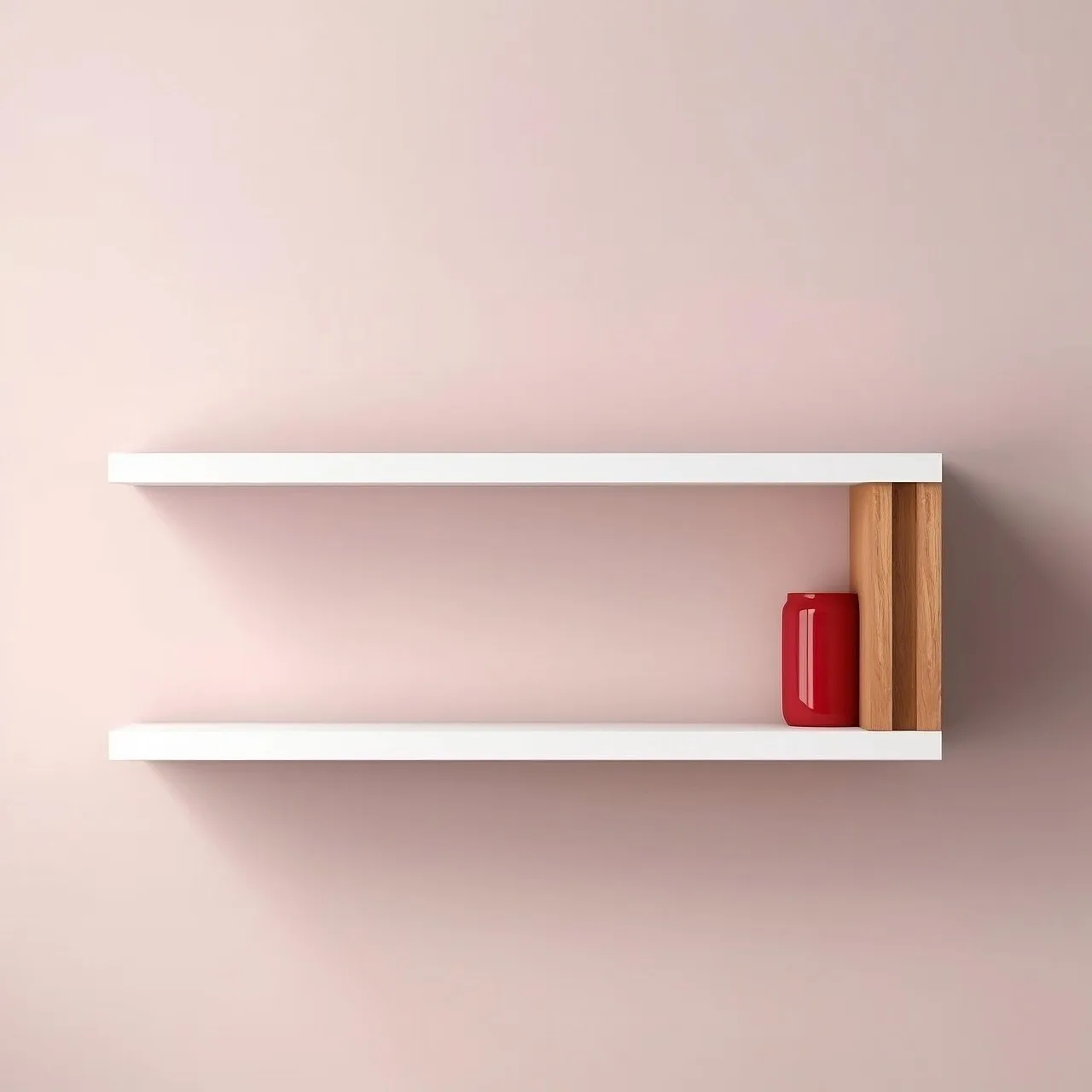


The price changes fastest when you move from a single wall-mounted unit to a full wall system. Wall-mounted units add anchoring and installation, modular wall units add span and layout choices, and built-ins add trim, finish work, and professional labor.
Wall-mounted shelf units
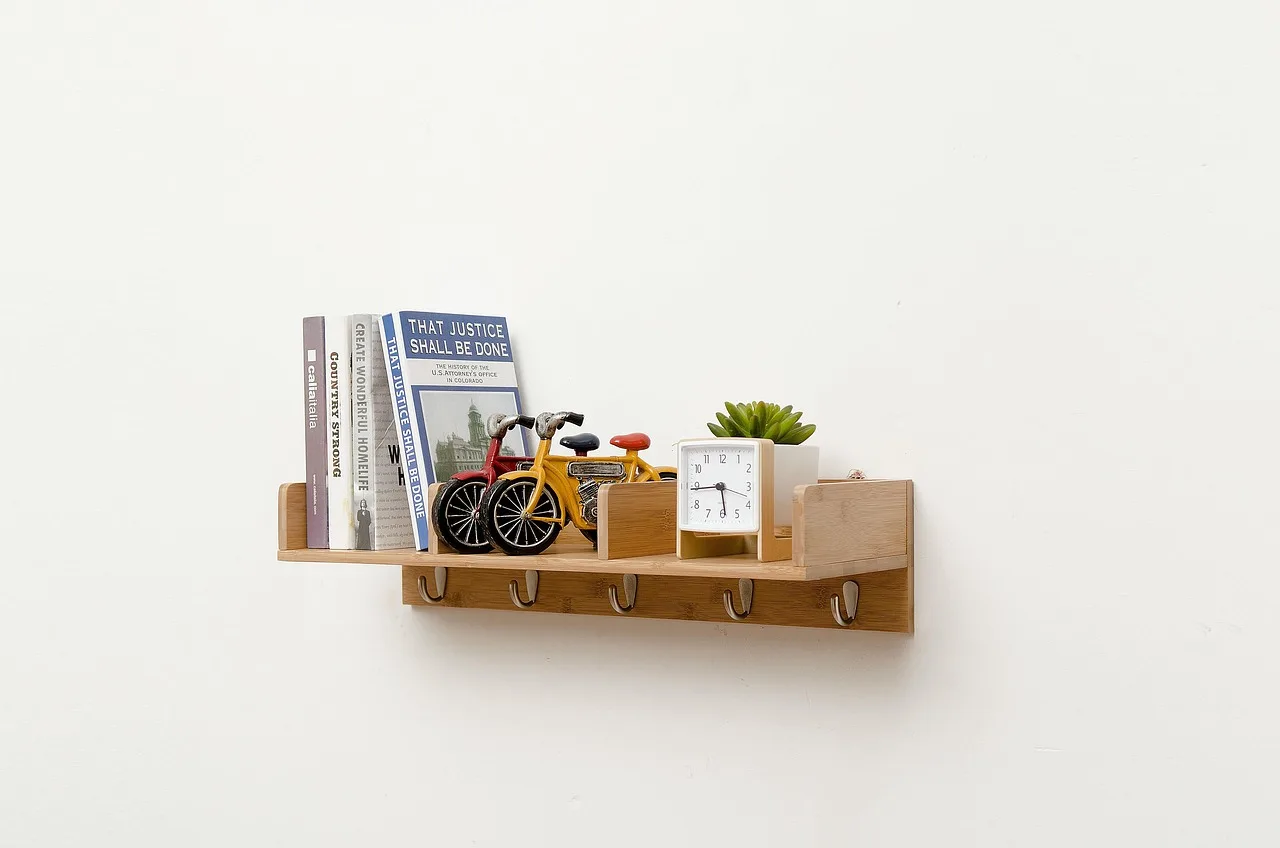
Simple wall-mounted shelves and compact units usually sit in the lowest price band because they use less material and less finish work. Basic or simple bookshelf units often cost about $40 to $150, and a simple wall-mounted shelf may take 30 to 60 minutes to install. That low entry price can rise quickly if the wall needs better anchors or hidden supports.
These units fit narrow walls, rental rooms, and small reading corners. Shelf depth, load capacity, and span matter more than many buyers expect. Wider shelves need stiffer material or tighter support spacing, especially if you plan to store hardcovers.
Modular wall bookcases
Modular wall systems usually cost more because they combine multiple cabinets, shelves, and connectors into one installed run. A typical range is $300 to $1,500, but the total depends on width, height, depth, shelf count, hardware, and whether the system needs wall fastening at several points. Delivery and assembly are often part of the math.
This category works well when you want a cleaner wall-wide look without paying for full millwork. It can also be a middle ground for homeowners who want a built-in appearance but need a more controlled budget.
Custom built-ins
Custom built-in bookshelves are the highest-cost option because they are sized to the wall, anchored to the structure, and finished to match the room. A professional custom bookshelf typically costs between $3,000 and $15,000+, and custom built-in bookshelves are listed at $4,000 to $12,000. Luxury floor-to-ceiling libraries can push the project to the top of the range.
Built-ins are priced by linear foot more often than by shelf count alone. Painted shelves are often around $300 to $350 per linear foot, stain-grade built-ins are around $400 per linear foot, and a standard ten-foot wall runs about $3,500 painted. Oak veneer with elaborate detailing can reach $5,200 to $6,000, and premium installations can exceed $10,000.
What affects the price?
Width, height, depth, shelf count, finish grade, and wall condition all change the total. A shallow four-shelf unit on a solid stud wall is a very different job from a floor-to-ceiling run with doors, trim, and hidden support. Once the bookshelf becomes a wall system, price follows structure and finish, not just size.
Width, height, depth, and shelf count
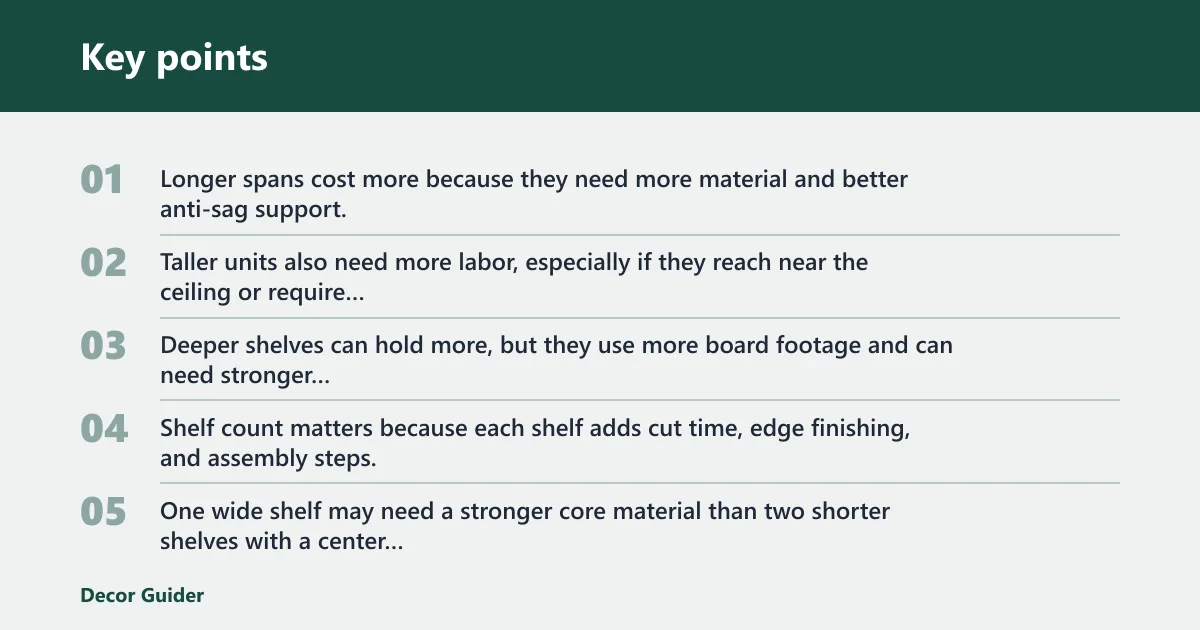
Longer spans cost more because they need more material and better anti-sag support. Taller units also need more labor, especially if they reach near the ceiling or require a scribe to fit uneven floors and walls. Deeper shelves can hold more, but they use more board footage and can need stronger brackets.
Shelf count matters because each shelf adds cut time, edge finishing, and assembly steps. One wide shelf may need a stronger core material than two shorter shelves with a center support. That is why a wall bookshelf is better priced as a system than as a single shelf.
Materials and finish grade
Furniture-grade MDF is a common choice for paint-grade built-ins because it stays flat and has minimal expansion and contraction. It is a practical substrate for smooth painted faces. Cabinet-grade plywood is often chosen for structurally demanding spans because it is strong, light enough to handle, and holds screws well. Veneer banding is common on exposed edges.
Solid hardwoods such as oak, walnut, and maple cost more and suit stained or natural-grain finishes. They give a premium look, but they also need better environmental control to limit warping. Pine sits below oak and other hardwoods on price, but finish grade and visible grain still affect the final bill.
Wall conditions and anchoring method
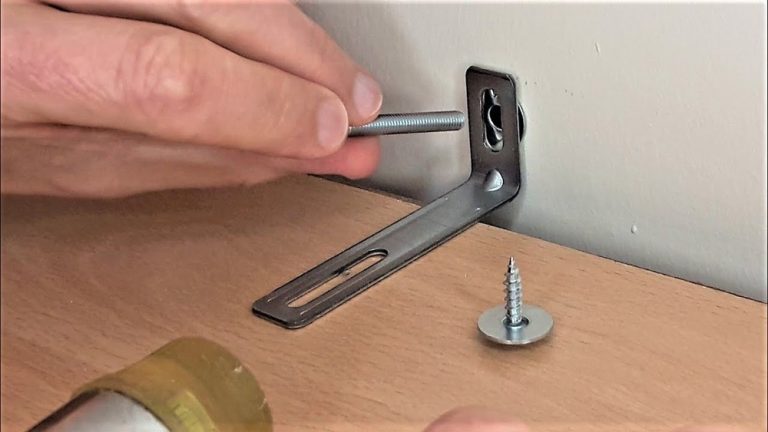
Stud attachment is the cleanest route when the wall layout allows it. Brackets and hidden steel supports help distribute weight, especially on wider runs or floating styles. Anti-tip safety is not optional when the unit is tall or freestanding near a wall. Drywall-only mounting is the riskiest setup for heavy loads.
Trim and baseboard conflicts can change the install method. A wall bookshelf may need a cutout, a scribed back, or baseboard removal so the unit sits flush. Those small adjustments add time and can turn a simple mounted unit into a more involved carpentry job.
Wall bookshelf cost estimator
This table shows how the same wall bookshelf can land in very different budget bands once you separate materials, hardware, labor, finish, and add-ons. Treat it as a planning tool, not a quote. Wall length, shelf span, and wall condition drive the spread.
| Tier | Materials | Hardware | Delivery | Labor | Finish | Add-ons | Estimated total |
|---|---|---|---|---|---|---|---|
| Budget wall-mounted | $40 to $150 | $20 to $60 | $20 to $80 | $40 to $120 | $0 to $75 | $0 to $100 | $80 to $400 |
| Mid-range modular wall unit | $250 to $900 | $50 to $150 | $20 to $80 | $120 to $500 | $75 to $250 | $50 to $250 | $300 to $1,500 |
| Custom built-in | $1,200 to $5,000+ | $150 to $500 | $80 to $300 | $1,500 to $7,000+ | $300 to $2,500+ | $500 to $4,000+ | $3,000 to $15,000+ |
For a 10-foot wall, a painted run often starts near $3,500, while detailed oak veneer can climb to $5,200 to $6,000.
Quick rule by shelf count: start with a base frame, then add a material allowance for each shelf, plus hardware and finish. A simple three-shelf wall unit can stay near the low end, while a six- or eight-shelf run usually needs more support, more labor, and a stronger substrate.
How much do built-in bookshelves cost?
Built-in bookshelves usually cost $3,000 to $15,000+ because they are built to the room, not bought off the shelf. Simple MDF systems sit near the low end, mixed-material or plywood builds land in the middle, and premium hardwood libraries with lighting and trim can move well past $10,000. Price rises with wall length, ceiling height, finish, and carpentry detail.
Simple MDF built-ins
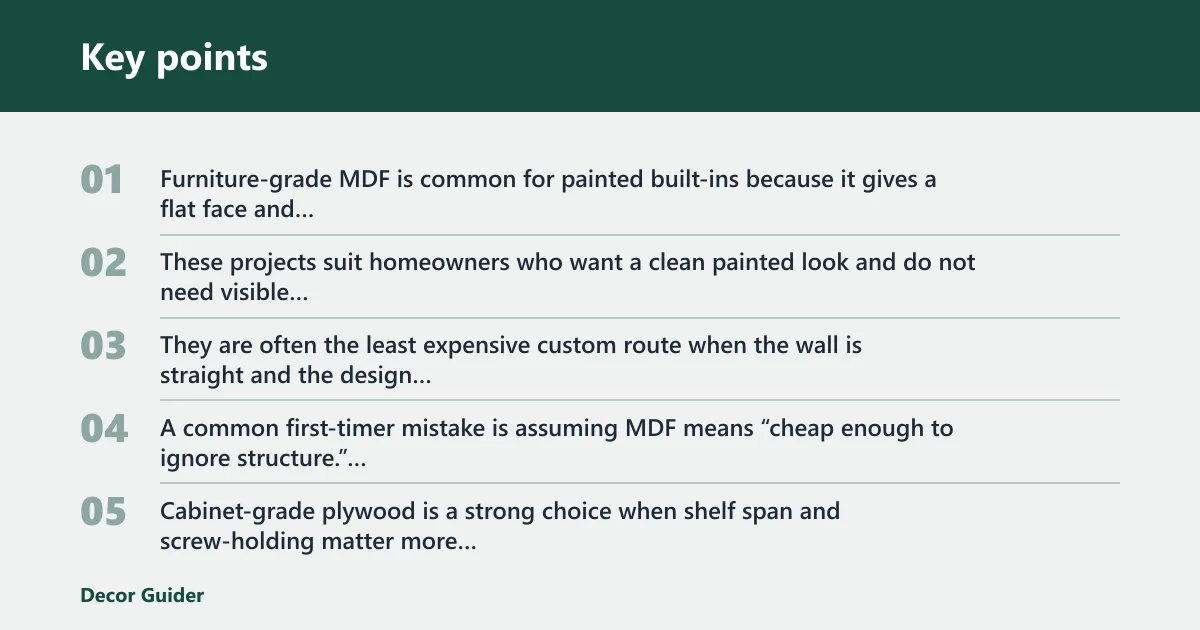
Furniture-grade MDF is common for painted built-ins because it gives a flat face and handles paint well. These projects suit homeowners who want a clean painted look and do not need visible wood grain. They are often the least expensive custom route when the wall is straight and the design stays simple.
A common first-timer mistake is assuming MDF means “cheap enough to ignore structure.” It still needs correct fastening, especially on tall sections and long shelves.
Plywood and mixed-material builds
Cabinet-grade plywood is a strong choice when shelf span and screw-holding matter more than the paint surface. Many builders use plywood for the box structure and a different face material for appearance. That approach can keep the system light enough to install while still resisting sag on wider spans.
Mixed-material builds often cost more than simple MDF because they combine different sheet goods, edge treatment, and a more careful finish schedule. They are a common fit for rooms that need both strength and a cleaner look.
Premium hardwood libraries
Solid hardwood libraries sit at the top of the price range because the material cost is higher and the finish work is more demanding. Oak, walnut, and maple are common premium choices. These projects often include floor-to-ceiling panels, doors, integrated lighting, and custom trim that matches the room.
Suppose a 12-foot wall needs a floor-to-ceiling library with stained oak faces, crown molding, and interior lights. The project can move into the premium range quickly because the quote now includes millwork, finish carpentry, and electrical coordination, not just shelves.
Materials and hardware that change the total
Material choice changes both the look and the structure. Hardware changes how much weight the unit can safely carry. The lowest quote is not always the best value if the shelves will sag or the wall cannot support the load.
Furniture-grade MDF
Furniture-grade MDF is stable, flat, and widely used for paint-grade finish work. It is useful when you want crisp painted surfaces and a lower material cost than hardwood. It does not provide the same natural-grain appearance as wood, so it is usually chosen for a painted room rather than a stained one.
Cabinet-grade plywood
Cabinet-grade plywood is a practical choice for shelving that must stay strong over longer spans. It is lighter than many solid wood assemblies and handles screws well. Veneer banding helps finish the exposed edges cleanly, which matters on open shelving where the edge remains visible.
Solid hardwoods
Hardwoods such as oak, walnut, and maple bring a stained or natural appearance that many homeowners want in visible living spaces. The material cost is higher, and the install needs more care because wood moves with changes in humidity. That makes the project more sensitive to the room environment and the joinery details.
Studs, brackets, and hidden steel supports
Stud attachment is the baseline for safe wall mounting. Brackets and hidden steel supports help distribute weight across the frame, which matters when books are dense or shelves are wide. Anti-tip safety is especially important for tall bookcases, whether the unit is freestanding or wall-mounted.
How to secure a bookshelf to wall? Fasten it to studs whenever possible, use approved anchors only where the design allows them, and add anti-tip hardware for tall units. How to fix bookcase to wall? The same answer applies: locate studs, match the fastener to the load, and do not rely on drywall alone for heavy storage.
How to budget for installation and add-ons
Delivery and assembly are often separate from the shelf price. Delivery and assembly are estimated at $20 to $80 for smaller purchases, but built-in work can require much more labor. Estimated labor rates commonly range from $40 to $120 per hour, so the total climbs fast when fitment or finish work gets detailed.
Delivery and assembly
How much is a bookshelf? Prices vary widely depending on size, material, and whether it is freestanding or part of a wall system. Flat-pack assembly can save money, but only when the unit is designed for it.
Trim, molding, and baseboard changes
Trim work changes the look and the bill. Crown molding, base shoe, scribe pieces, and new side panels are common in built-ins because they hide gaps and help the unit meet the wall cleanly. Baseboard changes add time when the shelf run needs to sit flush or span uneven surfaces.
Lighting, doors, and paint or stain
Integrated lighting adds wiring or battery planning and more finish coordination. Doors add hinges, pulls, and more fitting time. Paint-grade work usually costs less than stained work because the latter needs better material selection and more careful surface preparation. That is one reason stain-grade built-ins often land around $400 per linear foot.
Picture a 9-foot modular wall unit in a family room with an uneven baseboard and two closed cabinet doors below. The unit itself may fit a middle budget, but the baseboard changes, hardware, and extra finish work can lift the quote beyond the first estimate.
Frequently asked questions
How much does a wall bookshelf cost?
The biggest swing comes from mounting method, wall conditions, shelf span, and finish grade, not from size alone.
How much is a bookshelf?
How much is a bookshelf? Prices vary widely depending on size, material, and whether it is freestanding or part of a wall system.
How much should built in bookshelves cost?
How much should built in bookshelves cost? A fair budget depends on linear footage, finish, and trim. Add more for lighting, doors, and difficult wall conditions.
Is a DIY bookshelf wall cheaper than custom built-ins?
Yes, a DIY bookshelf wall is usually cheaper if you keep the design simple and use standard materials. The savings shrink when you need precise scribing, trim, doors, or hidden supports. Once the project becomes floor-to-ceiling millwork, professional labor often makes more sense than trial and error.
Products related to this article
Sponsored / affiliate links. As an Amazon Associate I earn from qualifying purchases. I may earn additional commission from eligible campaigns.