Metal Bookshelf vs Wood Bookshelf: How to Choose Right
Choose metal if you need a lighter, usually lower-cost bookshelf that handles heavy storage and frequent moves. Choose wood if you want a warmer room fit and usually better long-term value with less wobble under mixed loads. Pick the wrong one and you get sagging shelves, chipped finishes, or a unit that is awkward to move and costly to replace. This guide compares load capacity, durability, maintenance, room fit, and cost of ownership so you can choose the right bookshelf material for the way you will use it.
Metal bookshelf vs wood bookshelf: the real trade-off


What each material usually does well
Metal bookshelf frames often read as practical and open, which keeps a room from feeling crowded. Wood bookshelf construction usually feels more finished and grounded, especially when it uses side panels and a back panel. Those differences matter more than the label alone.
How construction matters as much as material
A bookcase is usually a freestanding storage unit with side panels and often a back panel, while a bookshelf is described as a more open shelving structure. A bookcase usually has full side panels and a stronger cabinet-like body; an open bookshelf may skip the back panel. That structure changes stability, load behavior, and visual weight.
What this guide compares
This comparison focuses on shelf span, shelf thickness, wobble risk, moisture and scratch behavior, moveability, wall anchoring, and room scale. It also separates dense books from files, decor, and mixed display, because those loads do not stress a shelf in the same way.
| Decision factor | Metal Bookshelf | Wood Bookshelf | Winner |
|---|---|---|---|
| Load type | Good for dense books and files when the frame and shelves are stiff | Good for books, decor, and mixed loads when shelves are thick and well supported | Tie |
| Shelf span | Long spans can still sag if the shelf is thin | Long spans also need thickness and support to resist bending | Tie |
| Thickness | Thin shelves can flex under concentrated weight | Thicker shelves usually resist deflection better under heavy items | Wood Bookshelf |
| Wobble risk | Better with welded frames, rear bracing, and closed backs | Better when side panels and a back panel create a cabinet-like body | Wood Bookshelf |
| Moisture exposure | Often handles damp cleaning better, but rust can be an issue if coating fails | Finish can be damaged by water; swelling is a risk if the panel material absorbs moisture | Metal Bookshelf |
| Scratch visibility | Scratches may show as chipped paint or exposed metal | Scratches can break through stain or paint and stay visible | Tie |
| Assembly difficulty | Often simpler and faster if it uses bolt-together frame parts | Can take longer because panels, screws, and cam hardware need alignment | Metal Bookshelf |
| Moving frequency | Usually easier to move, restyle, and reposition | Bulkier and less forgiving when moved often | Metal Bookshelf |
| Style fit | Best for industrial and modern rooms | Best for traditional, warm, and formal rooms | Tie |
| Lifetime upkeep | Lower day-to-day care if the finish stays intact | More upkeep if you plan to repair, touch up, or refinish over time | Metal Bookshelf |
Why the table resolves this way
Metal wins when mobility, damp-room tolerance, and easy assembly matter more than a warm look. Wood wins when you want thicker shelf support, a more finished body, and less visual wobble in a permanent room layout.
How do they compare on load and sagging?
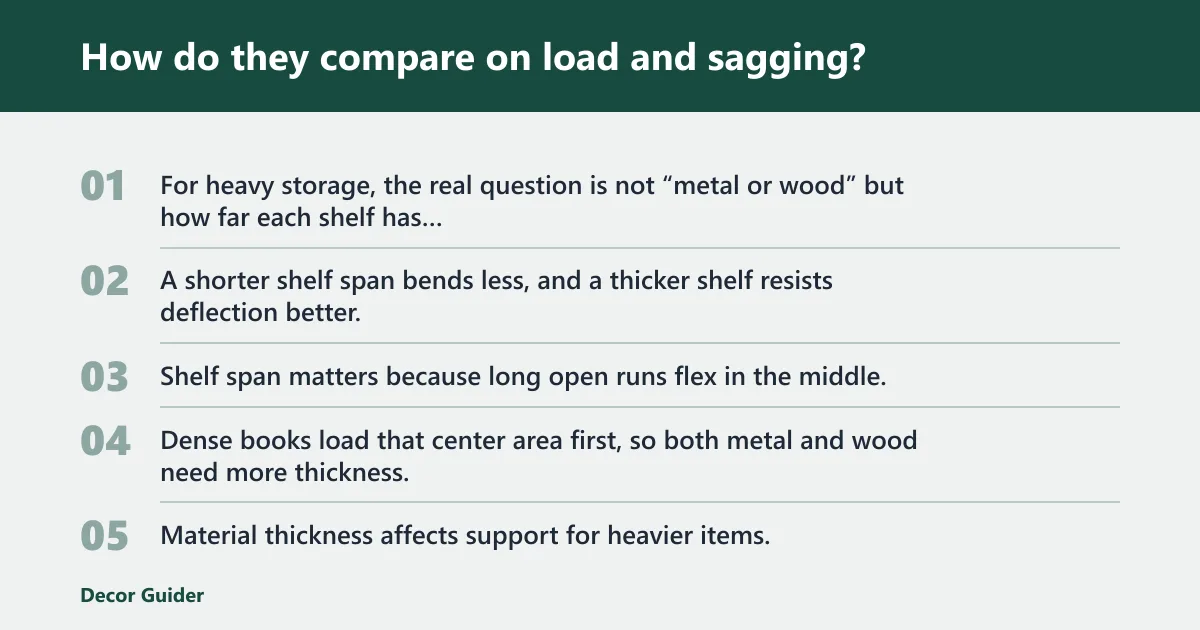
For heavy storage, the real question is not “metal or wood” but how far each shelf has to span and how thick it is. A shorter shelf span bends less, and a thicker shelf resists deflection better, no matter the material.
Shelf span and why longer shelves bend more
Shelf span matters because long open runs flex in the middle. Dense books load that center area first, so both metal and wood need more thickness, a center support, or a shorter span to stay flat.
Shelf thickness and deflection resistance
Material thickness affects support for heavier items. Thin metal shelves can still flex if the span is long, and thin wood shelves can sag the same way. Thicker shelves, or shelves with a stiff front edge, handle concentrated weight better.
Dense books, files, decor, and mixed loads
Heavy books and files tend to put the most demanding load on shelves, because the weight adds up quickly and stays concentrated. Decor-heavy shelves usually need less load capacity, but mixed display benefits from a shelf that can hold books without bowing while still leaving room for objects that stand out visually.
Say your 36-inch shelf holds textbooks, binders, and a printer on the same level. If the span is long and the shelf is thin, bending will show before the unit looks overloaded. That is a structure problem, not a style problem.

Which structure is more stable?
Stability depends on side panels, back construction, and frame stiffness. A bookcase with full side panels and a back panel usually feels more planted than a wide-open bookshelf, while an open frame can be lighter and easier to move.
Side panels, frame stiffness, and wobble risk
Side panels and a stronger cabinet-like body help resist side-to-side sway. Metal units with cross bracing can also perform well, but a light open frame without rear support can wobble more when loaded unevenly or pushed from the side.
Open back vs closed back
An open bookshelf may skip the back panel, which keeps it lighter visually and physically. A closed back usually improves stiffness and gives the unit a more finished look, especially in a living room or office where the shelf sits in place long term.
When wall anchoring matters
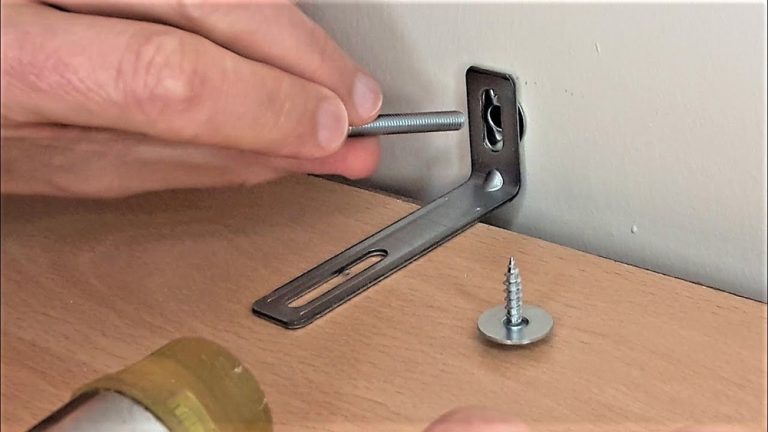
Tall or narrow bookshelves often need wall anchoring for safer use. That matters in homes with children, pets, or uneven floors, and it matters in rentals too because an anti-tip strap can reduce the risk without changing the shelf’s footprint much.
Which material is easier to care for?
Metal is usually simpler to wipe down, but it can show rust or coating damage if moisture reaches bare areas. Wood asks for more finish care, especially where scratches, water rings, and swollen edges can stay visible after cleaning.
Scratches, dents, and finish visibility
On metal, scratches may show as chipped paint, powder coating loss, or shiny exposed spots. On wood, scratches can cut through paint or stain and reveal a mark that is harder to disguise. In both cases, darker finishes tend to make wear more visible than light, textured finishes.
Moisture exposure, rust, and swelling risk
Metal bookshelf frames can be a practical choice for laundry rooms, basements, or entry areas where damp cleaning is more common, as long as the finish stays intact. Wood bookshelf parts can swell, stain, or soften if water gets into joints or edges, especially if the surface is not well sealed.
Cleaning, repair, and long-term upkeep
Metal usually needs basic dusting and a damp cloth. Wood may need gentler cleaning, finish touch-up, or eventual refinishing if the surface takes repeated wear. A wood unit can age well, but upkeep is more involved when the finish is part of the look.
Which is better for moving and assembly?
Metal is usually easier to move, restyle, and reposition. Wood often takes more effort because the panels are bulkier, the unit is heavier, and the hardware depends on tighter alignment to stay square.
Weight, portability, and reconfiguration
Metal bookshelves are often easier to move, restyle, and reposition. That makes metal a strong pick for renters, shared rooms, or any space you expect to change often. Wood is better when the shelf will stay put and carry a more permanent visual role.
Assembly difficulty and hardware differences
Metal frames often use a simpler bolt-together pattern. Wood units may use more screws, cam locks, or panel joins, and the result can be more sensitive to missed alignment. If the unit is tall, wall anchoring still matters regardless of material.
Rental homes and frequent moves
Renters usually benefit from lighter pieces that can be moved without scraping floors or stressing doorways. A metal bookshelf can suit that brief well, while a wood bookshelf can still work if it is not oversized and if the layout is likely to stay in place for a long time.
How do they fit different rooms?
Small rooms usually benefit from visual openness, while living rooms and home offices often need a more finished anchor piece. Metal tends to keep the room feeling lighter, and wood tends to give the room a more grounded, built-in feel.
Small rooms and visual openness
A bookshelf keeps the room feeling lighter in small or narrow spaces. Open metal framing can help a compact bedroom, hallway, or studio feel less crowded, especially when you are storing a few rows of books and decor rather than a full archive.
Living rooms, bedrooms, and home offices
Wood is often the better fit when the shelf sits in a living room as a main furniture piece. In an office, either material works, but wood suits a formal setup and metal suits a more practical, open-layout setup with files and tech gear.
Style fit: industrial, modern, and traditional spaces
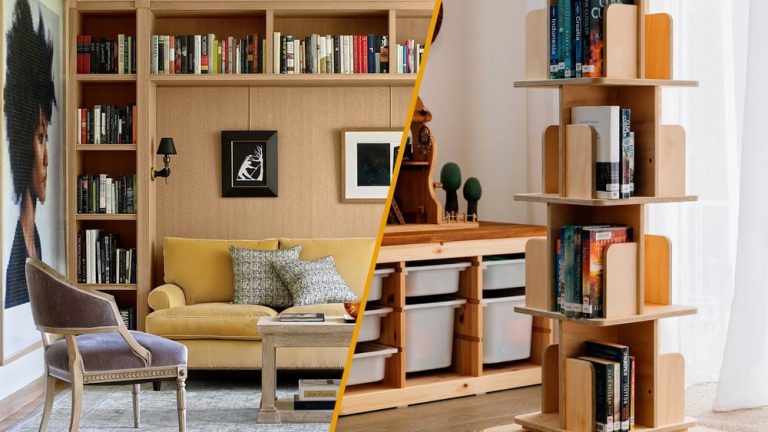
Metal usually reads as industrial or modern. Wood reads as traditional or warm. A bookcase gives the room a more finished and anchored look, while open shelves are easier for styling plants, decor, and mixed items.
Suppose a narrow apartment living room needs storage without blocking light from a window. An open metal shelf can keep the room visually lighter. In a den with a sofa, a wood bookcase can make the wall feel complete rather than temporary.
Decision table: metal bookshelf vs wood bookshelf

Use the table below when you are choosing for a specific room and storage load. The best pick changes with load type, span, and upkeep, so the winner is not the same on every row.
| Decision point | Metal Bookshelf | Wood Bookshelf | Winner |
|---|---|---|---|
| Load type | Better for dense books when the frame is stiff | Better for mixed display and heavier decor when shelves are thick | Tie |
| Shelf span | Needs support on long spans to avoid flex | Also needs support, but thick boards help resist sagging | Wood Bookshelf |
| Thickness | Thin shelves can flex under focused weight | Thicker boards usually resist bending better | Wood Bookshelf |
| Wobble risk | Depends on frame stiffness and rear bracing | Usually steadier when side panels and a back panel are in place | Wood Bookshelf |
| Moisture exposure | Better for damp cleaning and utility spaces | More sensitive to swelling and finish damage | Metal Bookshelf |
| Scratch visibility | Chipped coating and exposed metal can stand out | Scratches can remain visible in stain or paint | Tie |
| Assembly difficulty | Often quicker to assemble | Often more parts and more alignment | Metal Bookshelf |
| Moving frequency | Easier to carry, reposition, and restyle | Better for fixed layouts than repeated moves | Metal Bookshelf |
| Style fit | Works well in industrial and modern rooms | Works well in traditional and formal rooms | Tie |
| Lifetime upkeep | Usually lower if the coating stays intact | Usually higher because finish repair matters more | Metal Bookshelf |
Best scenario for metal
Choose metal for a rental, a laundry room, a home office that changes layout, or any tall narrow unit that needs easier moving and simpler care. It also makes sense when you want open display and the shelves will not carry long spans of very heavy books without support.
Best scenario for wood
Choose wood for a living room, bedroom, or study where the shelf stays in place and the room benefits from a more anchored look. It is also the better pick when thick shelves, a closed back, and a more finished cabinet body matter more than portability.
Choose metal bookshelf if… / Choose wood bookshelf if…
Choose metal if you need frequent moves, damp-room tolerance, or a lighter visual profile in a small space. Choose wood if you want thicker shelf support, less visual wobble, and a more finished look in a room that will keep the same layout for years.
Choose metal bookshelf if…
- You move often or expect to reconfigure the room.
- You are placing it in a utility area, rental, or office that needs easy cleaning.
- The room is small and you want a lighter, more open feel.
- The unit is a frame-first design with good bracing and reasonable shelf support.
Choose wood bookshelf if…
- You need a more finished look in a living room or bedroom.
- You plan to store heavy books, files, or mixed loads on thicker shelves.
- You prefer a cabinet-like body with side panels and a back panel.
- You want a piece that stays put and fits a formal or traditional room.
Frequently asked questions
Is a metal bookshelf better than a wood bookshelf?
Metal is better when you want easier moving, simpler care, or a more open look in a small room. Wood is better when you want a more finished appearance, thicker shelf support, and a steadier feel for mixed loads. The better choice depends on room use, not the material name alone.
Which lasts longer, a metal bookshelf or a wood bookshelf?
Neither material wins automatically. A well-built wood bookshelf can last a long time if the finish is maintained, and a well-coated metal bookshelf can also age well. Longevity depends on thickness, span, moisture exposure, and whether the unit is anchored and not overloaded.
Which bookshelf is better for heavy books: metal or wood?
For heavy books, the safer choice is the bookshelf with shorter shelf spans, thicker shelves, and a stiff frame. Wood often has the edge when the shelves are thick and the body is cabinet-like, but a well-designed metal unit can also hold heavy books safely if the structure is strong.
Which looks better in a living room, metal or wood bookshelves?
Wood usually looks better in a living room because it gives the room a more anchored, finished feel. Metal works well if you want a modern or industrial look, or if the room is small and you want the shelving to feel lighter. The right look depends on the room’s scale and style.
Is a metal bookshelf easier to move than a wood bookshelf?
Yes, metal bookshelves are usually easier to move, restyle, and reposition. They often weigh less and break down into simpler parts. That matters in rentals, upper-floor rooms, and layouts that change often. A wood bookshelf is usually better kept in one place.
What is the difference between a bookcase and a bookshelf?
A bookcase is usually a freestanding storage unit with side panels and often a back panel. A bookshelf is described as a more open shelving structure. In practice, a bookcase suits heavier storage and a more formal look, while a bookshelf works better for lighter display and flexible layouts.
is a bookshelf considered furniture
Yes. A bookshelf is furniture because it is a freestanding household storage piece used to hold books and other items. It affects room layout, storage capacity, and movement through the space, which are all furniture functions rather than simple fixtures.
Products related to this article
Sponsored / affiliate links. As an Amazon Associate I earn from qualifying purchases. I may earn additional commission from eligible campaigns.