Can a Bookshelf Hold a TV?
Yes, if the top shelf is wide and deep enough for the TV base, the shelf’s listed load rating covers the TV’s weight, and the unit can resist tipping. A poor fit can crack shelves, tip the bookcase, and damage the TV or wall. This guide gives you a pass/fail check for width, weight, depth, anchoring, load limits, floor conditions, and placement.
Matching TV weight and base size to shelf capacity

A bookshelf is generally suitable for a TV only when the shelf is built for static load, the TV base sits fully on the surface, and the unit does not wobble or lean. Match the TV’s actual weight from the manual or product listing to the bookshelf’s shelf rating, depth, and stability. Anchoring can help with tip resistance, but it does not increase shelf capacity.
What you’ll need
- TV model label or manual with the TV’s weight and stand base dimensions
- Bookshelf manual or product page with shelf load rating and unit load rating
- Measuring tape
- Level
- Flashlight for checking back panels, joints, and fasteners
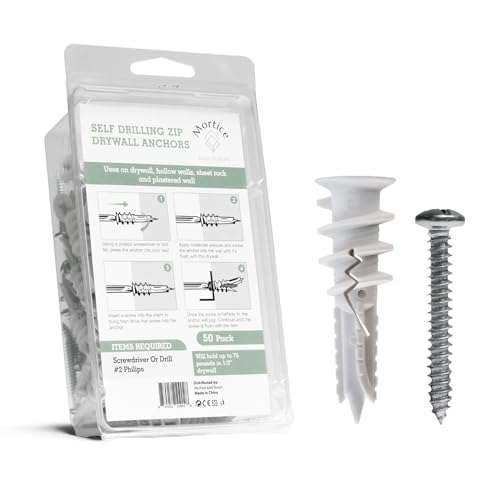
- Anti-tip anchoring kit if the unit is tall or top-heavy
- Stud finder or masonry anchors, depending on the wall type
- Small notepad or phone for recording measurements
Bookshelf TV decision table
| Bookshelf type | Shelf depth range | TV base footprint fit | Anchoring requirement | Common failure signs | Verdict |
|---|---|---|---|---|---|
| Solid wood bookcase | Deep, stiff top shelf with solid back or bracing | Base fits fully with no overhang and the TV sits centered | Recommended if the unit is tall or narrow | Sagging, rocking, loose joints, or edge splitting | Safe if the shelf rating exceeds the TV’s weight and the unit is stable |
| Engineered wood / particleboard bookcase | Moderate depth, long spans, or thin shelf panels | Base fits fully, but the shelf shows no sag and the TV is light | Safe only with anchoring | Bowed shelf, loose cam locks, or weak rear bracing | Safe only with anchoring and only if the shelf rating clearly covers the TV |
| MDF bookcase | Stiff-looking but prone to edge damage and screw pull-out | Base fits fully, with room for cables and no front-edge overhang | Required if the unit is tall or top-heavy | Cracked edges, split holes, or soft screw hold | Safe only with anchoring if the manufacturer rates it for the load |
| Metal frame bookcase | Rigid frame with a solid top deck or shelf panel | Base sits flat on the deck and does not bridge gaps | Recommended if the frame is light or narrow | Racking, uneven feet, or a flexing top panel | Safe if the shelf panel and unit ratings support the TV |
| Floating shelf | Wall-mounted shelf with concealed supports | Usually too shallow and too uncertain for a TV base | Not enough by itself; the shelf must be specifically rated for the load | Pulling from the wall, visible sag, or hidden bracket movement | Do not use unless the shelf is specifically rated for the TV’s weight and footprint |
| Flat-pack bookcase with thin back panel | Common in budget units, with weak back panels and cam locks | Base may fit, but the unit often lacks tip resistance | Usually required | Wobble, bowed back panel, loose fasteners, or shelf deflection | Safe only with anchoring if the rating is clear; otherwise do not use |
How to check your bookshelf and TV fit
-
Check the TV’s weight.
Find the TV’s actual weight in the manual or product listing, then compare it with the bookshelf’s stated shelf load rating. Use the shelf rating, not a guess based on the unit’s size. -
Measure the stand base.
Measure the TV stand’s outer width and front-to-back depth from the furthest support points. The entire base should sit on the shelf surface with no overhang at the front, back, or sides. -
Measure usable shelf depth.
Use the inside surface that actually supports the TV, not the outside depth of the whole bookcase. The usable depth stops where the front edge and any rear lip, panel, or cable cutout begin to reduce support. -
Check the footprint step by step.
Place the base dimensions next to the usable shelf depth and width. If the feet sit fully on the shelf, the TV is centered, and the front edge still has support left behind it, the fit passes. If the feet bridge the edge or crowd the back panel, the fit fails. -
Inspect the structure.
Look for sagging, loose cam locks, cracked edges, split holes, or a bowed back panel. A shelf that already deflects under books is a poor TV platform. -
Check deflection before use.
Press down gently on the top shelf and look across it from the side. If the shelf already shows a clear dip, bounce, or twist, treat it as a fail even if the rating seems adequate on paper. -
Judge stability.
Push gently at the top front corner. If the unit rocks, leans, or shifts, it needs anchoring before use. Tall, shallow, or top-heavy bookcases are higher tip risks, especially the kind often described as a narrow bookshelf. -
Check placement and flooring.
Set the unit on a level surface whenever possible. Carpet can let the feet sink unevenly, and uneven floors can turn a stable-looking bookcase into a leaner. Also leave wall clearance so the TV, cords, and back panel do not press hard against the wall. -
Place and recheck.
Set the TV centered over the shelf and recheck for level on tile, carpet, or uneven floors. If the unit leans after placement, stop and correct the floor or the furniture before using it.
Say your TV has a wide pedestal base and the bookcase shelf is only slightly deeper than the feet. Even if the weight rating is fine, the fit fails because the base sits too close to the edge. That overhang raises tipping risk and can stress the shelf front.
When should you anchor it?
Anchor the bookshelf whenever the unit is tall, narrow, light, or top-heavy, and especially when a TV adds mass near the top. Anchoring improves tip resistance, but it does not make a weak shelf stronger. If the shelf rating is too low, or the base footprint does not fit, anchoring does not fix that.
-
Anchor before loading.
Install the anti-tip kit to a stud or masonry anchor before placing the TV on top. Follow the furniture manual and the anchor kit instructions for your wall type. -
Keep weight low.
Put the heaviest books and devices on the bottom shelves so the center of gravity stays lower. Place the TV on the top only if the shelf is rated for it. -
Route cables cleanly.
Leave clearance for the power cord, HDMI cable, and any streaming box or soundbar. Cables that pull on the TV can shift the load or tug the unit off-center.
Suppose a 43-inch TV fits the shelf width, but the bookcase sits on thick carpet and the rear feet sink more than the front. The unit can lean forward even though the shelf rating is adequate, so the floor condition becomes part of the pass/fail check.
Common mistakes

Most failures come from fit errors, not from the TV being “too big” in the abstract. Check these points before you set the TV down, and stop if any one of them fails.
- Overhang: If any part of the TV base hangs over the shelf edge, do not use the bookcase for that TV.
- Sagging: If the shelf bows downward, the shelf panel is already under stress and can worsen under a TV.
- Wobble: If the unit rocks when touched, anchor it or choose another stand.
- Top-heaviness: If the TV makes the bookcase feel front-heavy or tippy, move the TV lower or use a TV stand.
- Weak back panel: Thin fiberboard backs help prevent racking, but they do not make a flimsy unit safe for a TV by themselves.
- Wrong rating assumption: Do not divide one total unit rating by the number of shelves. Check the rating for the exact shelf you plan to use.
A common first-timer mistake is placing a large flat-screen on a narrow bookshelf that was designed to hold paperbacks, not heavy electronics. A bookcase may hold the weight for books, but a TV changes the load pattern, raises the center of gravity, and puts more stress on the top shelf and fasteners.
What should you do if your bookshelf starts bowing under a TV?
Remove the TV right away. Bowing means the shelf is already past a comfortable load margin, even if it has not failed yet. After that, check for cracked cams, loose screws, split shelf edges, and a bowed back panel before deciding whether the unit can be reused for lighter items only.
If the shelf has visible deflection, stop using it for a TV and move to a dedicated TV stand or wall mount. A VESA mount is the wall-mount standard for the TV itself; it is not a tabletop base and does not change how the bookshelf supports weight.
Can a Billy bookcase hold a TV?
Some Billy bookcases can hold a TV, but not all Billy sizes and setups are equal. You need the exact model’s shelf depth, shelf rating, and overall stability. A narrow Billy with a shallow top shelf is different from a wider, deeper configuration, so check the specific product label and manual before deciding.
For Billy-style units, the same pass/fail rule applies: the TV base must sit fully on the top shelf, the shelf rating must cover the TV’s weight, and the bookcase must be anchored if it is tall or light enough to tip. If the top shelf is shallow or the back panel feels weak, do not use it as a TV stand.
If your Billy model uses adjustable shelves, remember that the top panel and the shelf pins still carry the load through the side panels. That means shelf placement and fastener condition matter as much as the cabinet’s overall size.
Frequently asked questions
Can a bookshelf hold a TV?
Yes, if the shelf is rated for the TV’s weight, the TV base fits fully on the surface, and the unit is stable enough to resist tipping. If any of those checks fail, use a TV stand or wall mount instead.
Can you put a TV on a bookshelf?
Yes, but only on a bookshelf that is deep enough, strong enough, and anchored if needed. The TV should sit centered, with no overhang and enough space for cords and airflow behind it.
Can you put a TV on a shelf?
Only if the shelf is specifically built for that load and footprint. Floating shelves are usually a bad fit because they are often too shallow and their hidden supports may not be rated for a TV’s static load.
How do I know if my bookshelf is strong enough for a TV?
Compare the TV’s weight to the shelf’s listed load rating, then inspect for sagging, wobble, or loose fasteners. If the exact rating is missing, or the unit already flexes under books, treat it as unsuitable for a TV.
Do I need to anchor a bookshelf before placing a TV on it?
If the bookcase is tall, narrow, light, or top-heavy, it is a common rule of thumb to anchor it before placing a TV on it. Anchoring reduces tip risk, especially on carpet or uneven floors, but it does not raise the shelf’s weight limit.
What TV sizes are safe for a bookshelf?
Screen size alone does not decide safety. A smaller TV with a wide pedestal can be harder to fit than a larger TV with narrow feet, so the stand footprint and the shelf rating matter more than the diagonal size.
Can floating shelves hold a TV?
Usually no, unless the shelf is specifically rated for that exact TV’s weight and footprint. Floating shelves are often shallow, rely on concealed brackets, and can fail at the wall or in the shelf body if the load is too concentrated or the base does not sit fully supported.
What TV sizes are safe for a bookshelf?
There is no safe size by itself. The better rule is to match the TV’s actual base footprint and weight to the usable shelf depth, shelf rating, and tipping resistance. A smaller TV can still fail if the feet overhang, while a larger but narrower base may fit better.
How should I measure a bookshelf for a TV stand?
Measure the inside shelf width and the usable shelf depth, then compare those to the TV stand’s outer footprint. The base should sit fully on the shelf with room for cables, airflow, and a small buffer behind the TV so the unit does not press against the wall or overhang the edge.
Products related to this article
Sponsored / affiliate links. As an Amazon Associate I earn from qualifying purchases. I may earn additional commission from eligible campaigns.
 BATODA - 8" Floating Shelf Bracket Heavy Duty (16 pcs)–Solid Steel Blind Shelf Supports - Hidden Brackets for Floating Wood Shelves - Blind Shelf Support Shelving Mounting Hardware Included (Pack 16)
 4 Pack Shelf Brackets 12 Inch Floating Shelf Bracket 1/5 inch Thick Heavy Duty Hidden Shelf Brackets Iron Metal Brackets for Shelf Support with Screw Included