How To Make Doors For A Bookcase
A bookcase does more than just organize your favorite reads, it can define a room’s style and protect cherished books or collectibles from dust and light. Adding doors to a bookcase not only elevates its appearance but also serves a practical purpose, shielding contents and reducing cleaning.
Whether you’re aiming for a modern, glass-fronted showcase or classic wooden panels, learning how to make doors for a bookcase empowers you to customize your furniture and match your home’s decor. This project is within reach for DIYers with basic woodworking tools and a willingness to follow a step-by-step process, resulting in a functional upgrade that adds both value and personality to your space.
Many store-bought bookcases come open-faced, leaving your belongings exposed. Custom doors, on the other hand, help you control the look, feel, and protection level you want. By understanding material choices, door styles, hardware options, and the installation process, you can tailor the solution to your specific needs.
This comprehensive guide walks you through everything from planning and measuring to finishing touches, drawing on professional tips and real-world examples. By the end, you’ll be equipped to take on this rewarding project, no advanced carpentry skills required.
Key Takeaways
- Adding doors to a bookcase enhances both style and protection for your books and collectibles.
- Material selection and door style have a significant impact on durability, aesthetics, and cost.
- Accurate measurements and proper hardware are essential for smooth, professional results.
- DIY bookcase doors can be achieved with standard woodworking tools and thoughtful planning.
- Maintenance, troubleshooting, and customization ensure long-lasting satisfaction with your upgraded bookcase.
Credit: www.shadesofblueinteriors.com
Understanding Bookcase Door Types And Materials
The first step in any successful bookcase door project is choosing the right style and material. Your decision will impact appearance, usability, protection level, and cost.
Common Bookcase Door Styles
There are several popular door styles to consider, each with distinct advantages and design implications:
- Full-overlay doors: Cover the entire front of the bookcase, creating a sleek, modern appearance.
- Inset doors: Sit flush within the bookcase frame, delivering a classic, built-in look.
- Glass panel doors: Showcase the books or collectibles inside while protecting them from dust.
- Solid panel doors: Conceal the contents entirely, ideal for mixed storage or a minimalist feel.
- Framed doors with inserts: Combine a wood or metal frame with glass, mesh, or decorative panels for a custom touch.
Material Options: Pros And Cons
Material selection affects not only the door’s appearance but also its longevity and ease of construction. Here’s a comparison of common choices:
| Material | Appearance | Durability | Cost | Best For |
|---|---|---|---|---|
| Solid Wood | Classic, warm | High | $$$ | Long-term, high-end projects |
| Plywood | Versatile, can be painted/veneered | Moderate-High | $$ | Budget-friendly, paintable finishes |
| MDF | Smooth, paintable | Moderate | $ | Painted doors, low-moisture areas |
| Glass | Transparent, modern | Moderate (tempered is best) | $$$ | Display and protection |
| Metal Mesh | Industrial, decorative | High | $$ | Ventilated storage, style accents |
Pro Tip: When matching new doors to an existing bookcase, consider the original material and finish for a cohesive look.
Selecting Hardware For Function And Style
Hinges and handles are more than just functional, they contribute to the overall style. Options include:
- Concealed (European) hinges for a seamless modern look.
- Surface-mount or butt hinges for traditional or rustic designs.
- Soft-close hinges to prevent slamming and protect contents.
- Push-to-open latches for a handle-free, minimalist front.
Handles range from minimalist knobs to statement pulls. Ensure your hardware matches the bookcase material and door weight.
Real-world Example: Matching New Doors To A Vintage Bookcase
When restoring a 1950s oak bookcase, I chose solid wood inset doors with traditional brass butt hinges. By carefully matching the stain and selecting classic hardware, the new doors blended seamlessly, preserving the vintage charm while adding valuable dust protection.
Planning And Measuring For Perfect Fit
A flawless outcome depends on precise planning and measurement. Skipping or rushing this step can result in ill-fitting doors, misalignment, or operational issues.
Assessing Your Bookcase
Start by evaluating your bookcase’s construction:
- Is the frame sturdy and square? Reinforce wobbly frames before proceeding.
- Are the shelves adjustable or fixed? This affects hinge placement and door height.
- Is there a face frame? Inset doors require a frame; overlay doors can be added to frameless units.
Taking Accurate Measurements
Follow these steps for reliable measurements:
- Measure the opening’s height and width at multiple points. Use the smallest measurement to ensure the doors won’t bind.
- Determine door overlap or inset based on your chosen style. Overlay doors extend beyond the opening; inset doors fit within it.
- Allow for reveals and clearances. Typical gaps are 1/16″ to 1/8″ for smooth operation.
- Decide on the number of doors. Wider bookcases may need two or more doors for structural and aesthetic reasons.
Example: For a 36″ wide by 60″ tall bookcase, you might install two 18″ wide doors, each slightly less than 60″ tall to allow for hinge clearance.
Planning The Layout And Hinges
- Mark hinge positions: Spacing hinges 2-3 inches from the top and bottom, with a third hinge for taller doors, improves stability.
- Determine swing direction: Outward, left, right, or even bifold, choose what works best for your space.
Sketching And Visualizing
Create a simple sketch with all key measurements and notes on hardware placement. This blueprint will guide your cuts and assembly.
Pro Tip: Use painter’s tape on the bookcase front to mark out the door sizes visually before cutting any material.

Credit: www.youtube.com
Building The Bookcase Doors: Step-by-step Guide
With your plan and measurements in hand, it’s time to build. This section covers a basic wood frame with either solid or glass panels, adaptable to most bookcase types.
Tools And Materials Needed
Gather all supplies before starting:
- Materials: Chosen wood or paneling, glass (if desired), hinges, handles/pulls, screws, wood glue, finishing materials (paint, stain, varnish).
- Tools: Measuring tape, pencil, saw (table, circular, or miter), drill/driver, clamps, wood chisel, screwdriver, sanding block or sander, level.
Cutting And Preparing Door Parts
- Cut rails and stiles (the horizontal and vertical frame pieces) to length, accounting for overlaps or insets.
- Cut panel material (wood or glass) to fit inside the frames, leaving a small gap for expansion.
- Dry-fit the pieces to check for square corners and snug joints.
Assembling The Door Frames
- Join rails and stiles using pocket screws, dowels, or mortise-and-tenon joints for strength.
- Secure the panel: For glass or thin panels, use retaining clips or a rabbeted groove; for solid wood, use wood glue and clamps.
Example: I found that pocket screws were the fastest method for a painted MDF door, while dowels provided a cleaner look for stained wood frames.
Sanding And Pre-finishing
- Sand all surfaces smooth before assembly to avoid awkward corners.
- Apply primer or pre-stain conditioner as needed, especially on softwoods or MDF.
Attaching Hardware
- Mark and pre-drill holes for hinges and handles.
- Install hinges on the door first, then position them on the bookcase.
Warning: Test-fit the doors before final finishing to ensure perfect alignment. Adjust hinge positions as needed.
Optional: Installing Glass Or Mesh Panels
- Fit glass or mesh into grooves in the frame, securing with glazing points or silicone.
- For safety, use tempered glass for doors in high-traffic areas.
Finishing Touches
- Paint or stain as desired, applying multiple coats for durability.
- Let all finishes cure fully before installing doors to avoid sticking.

Credit: www.youtube.com
Installing Doors On The Bookcase
Proper installation ensures smooth operation and a polished look. Take your time with alignment and adjustments.
Attaching Hinges To The Bookcase
- Mark hinge locations on the bookcase using your earlier measurements.
- Pre-drill pilot holes to prevent splitting.
- Screw hinges into place, starting with the top hinge to support the door’s weight.
Hanging The Doors
- Hold the door in position (a helper or temporary support can assist).
- Attach each hinge, checking for clearance and smooth swing.
- Test the door: It should open and close easily without rubbing.
Adjusting For Perfect Alignment
- Use hinge screws to tweak the position for flush alignment.
- Check gaps: Even spacing around the door is key for a professional finish.
- Install handles or knobs after confirming the doors are fully operational.
Example: On a tall bookcase, I used a third hinge to prevent sagging over time, a crucial step for doors over 36″ in height.
Securing And Final Checks
- Install magnetic catches or soft-close mechanisms if desired.
- Test all hardware for secure attachment and smooth operation.
Pro Tip: Place a level on the door front to ensure vertical alignment. Minor tweaks can make a major difference in appearance.
Customization, Style Choices, And Real-world Inspirations
Bookcase doors offer a blank canvas for creativity. From rustic farmhouse to ultra-modern, your customization options are nearly endless.
Painting, Staining, And Decorative Finishes
- Paint: Bold colors can turn the bookcase into a statement piece, while white or neutrals blend seamlessly.
- Stain: Highlights natural wood grain for warmth and character.
- Distressing or antiquing: Achieve a vintage or shabby-chic look with sanding and specialty finishes.
Adding Glass, Mesh, Or Decorative Inserts
- Frosted or tinted glass: Offers privacy while diffusing light.
- Wire mesh or metal grilles: Combine ventilation with industrial flair.
- Decorative overlays or moldings: Add dimension and visual interest.
Example: Modern Farmhouse Bookcase Doors
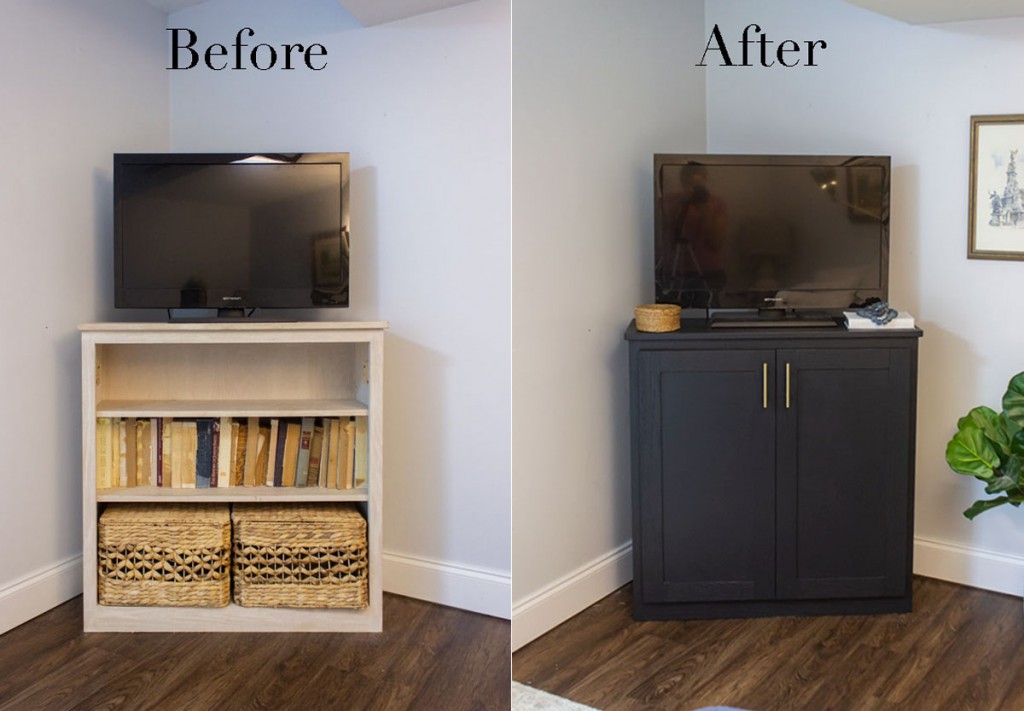
A homeowner wanted to update a plain IKEA bookcase. By building shaker-style doors from pine, painting them matte black, and adding simple brushed nickel pulls, the transformation delivered a custom, high-end look on a modest budget.
Integrating Lighting And Display Features
- Install LED strip lights inside for a dramatic display effect.
- Use glass shelves behind glass doors to amplify light and showcase collectibles.
Mixing Door Styles For Functionality
- Combine solid lower panels with glass uppers to conceal clutter and display prized items.
- Add chalkboard or cork inserts for a functional message center in family spaces.
Maintenance, Troubleshooting, And Longevity
Bookcase doors require minimal upkeep, but a few best practices will keep them operating smoothly for years.
Cleaning And Care
- Dust regularly with a microfiber cloth.
- Use appropriate cleaners for glass, wood, or painted surfaces.
- Inspect hinges and hardware every few months; tighten loose screws.
Fixing Common Issues
- Sticking doors: Sand edges lightly or adjust hinges.
- Sagging: Add a third hinge or check for loose screws.
- Misalignment: Loosen hinge screws, realign, and retighten.
Prolonging The Life Of Your Doors
- Avoid excessive weight on doors (e.g., hanging bags).
- Maintain a stable indoor environment to reduce wood warping.
- Touch up paint or finish at the first sign of wear.
Example: One reader shared that after adding doors to a basement bookcase, their rare book collection stayed dust-free and in better condition, with minimal ongoing maintenance.
Bookcase Door Costs: Diy Vs. Professional
Budget is a major consideration when deciding between DIY and professional installation. Here’s a side-by-side look at cost factors:
| Factor | DIY Approach | Professional Installation |
|---|---|---|
| Materials (wood, glass, hardware) | $50, $300 | $50, $300 |
| Labor | Free (your time) | $100, $400 |
| Tools (if not already owned) | $50, $200 | Included |
| Customization | High (your choices) | Varies (may be limited) |
| Total Cost (avg. for 2 doors) | $100, $500 | $200, $800 |
DIY is generally more cost-effective and offers full customization, while hiring a professional can save time and ensure expert results, especially for complex projects.
Pro Tip: If you’re new to woodworking, start with a small bookcase to build confidence before tackling larger, more expensive pieces.
Safety Considerations And Best Practices
While making and installing bookcase doors is a manageable DIY project, safety should never be overlooked.
Workshop Safety
- Wear safety glasses when cutting or sanding.
- Use hearing protection with power tools.
- Keep your workspace clear of obstructions and debris.
Handling Glass
- Wear gloves when working with glass panels.
- Order tempered glass for added safety, especially in homes with children or pets.
Lifting And Installation
- Get help when lifting large doors to prevent injury.
- Secure the bookcase to the wall if it will be top-heavy after doors are added.
Childproofing
- Install safety latches if you have young children.
- Choose soft-close hinges to prevent pinched fingers.
Warning: Never leave unfinished doors or sharp hardware where children or pets can access them.
Frequently Asked Questions
What Type Of Hinge Is Best For Heavy Bookcase Doors?
For heavier doors, European-style concealed hinges or three standard butt hinges offer superior support and adjustment capabilities. Soft-close models add protection for both the door and the bookcase frame.
Can I Add Doors To An Existing Ikea Or Prefabricated Bookcase?
Yes, most IKEA and flat-pack bookcases can be fitted with custom doors, though you may need to reinforce the sides or add a face frame for better hinge attachment. Pre-drilling and using appropriate hardware are key for particleboard units.
How Do I Ensure My Bookcase Doors Stay Aligned Over Time?
Regularly check and tighten hinge screws, especially in the first few months as the wood settles. Using three hinges on taller doors, and choosing quality hardware, minimizes sagging and misalignment.
Are Glass Doors Safe For Homes With Pets Or Children?
Tempered glass is recommended for safety, as it resists breakage and shatters into small, less dangerous pieces if broken. Consider acrylic panels as a lighter, shatter-resistant alternative.
What Finish Is Most Durable For Painted Bookcase Doors?
High-quality enamel or polyurethane finishes provide the best durability for painted doors. These finishes resist chips, stains, and moisture, ensuring your doors look great for years. Always follow manufacturer instructions for best results.
Resources And Further Reading
For more on woodworking and finishing techniques, see the Woodworking article on Wikipedia. For advanced hinge options and cabinet hardware, consult the Rockler Woodworking & Hardware site.
Adding doors to a bookcase is a practical and creative way to protect your collection and enhance your decor. With careful planning, the right materials, and attention to detail, this project is well within reach for most DIYers. As you consider your own bookcase transformation, remember that the best results come from patience and a willingness to learn. Whether you opt for minimalist glass doors or ornate paneled fronts, the satisfaction of a custom solution, crafted by your own hands, makes the effort worthwhile. If you’re interested in other home projects or want to explore kitchen storage solutions, check out related articles like Choosing the right canning jar makes preserving food easier or Canning salt and iodized salt differ in purity and use, making the right choice important for safe, quality food preservation.
Products related to this article
Sponsored / affiliate links. As an Amazon Associate I earn from qualifying purchases. I may earn additional commission from eligible campaigns.