In-Wall Vs Bookshelf Speakers: Which Sounds Better?
This article will help clear things up. We’ll look closely at how each type performs. You’ll learn about the sound quality, how easy they are to install, and what makes them stand out. By the end, you’ll have a much better idea of which speaker type will bring your music and movies to life the way you want them to.

Polk Audio
Polk Audio T15 100 Watt Home Theater…
- EXPERIENCE AMAZING HOME THEATER SOUND WITH RICH, IMMERSIVE AUDIO – Featuring a 0.75" tweeter and a 5.25" Dynamic Balance driver, t…
- Use these wall-mountable bookshelf speakers as front, left-right, or rear for a surround sound system in your home theater setup a…
- Start your home theater journey with these Polk audio speakers then expand to a full 5.1 setup by adding T50 towers, T30 center ch…
As an Amazon Associate I earn from qualifying purchases.
For another door or hardware repair, 20+ DIY Macramé Plant Hanger Ideas for Boho Home Decor & Indoor Gardens gives readers a closely related troubleshooting step.
For a related kitchen decision, How To Build A Bookshelf Wall adds another practical detail to check.
For a closely related home or decor topic, 67+ Living Room Paint Color Ideas to Transform Your Space gives readers a useful next step.
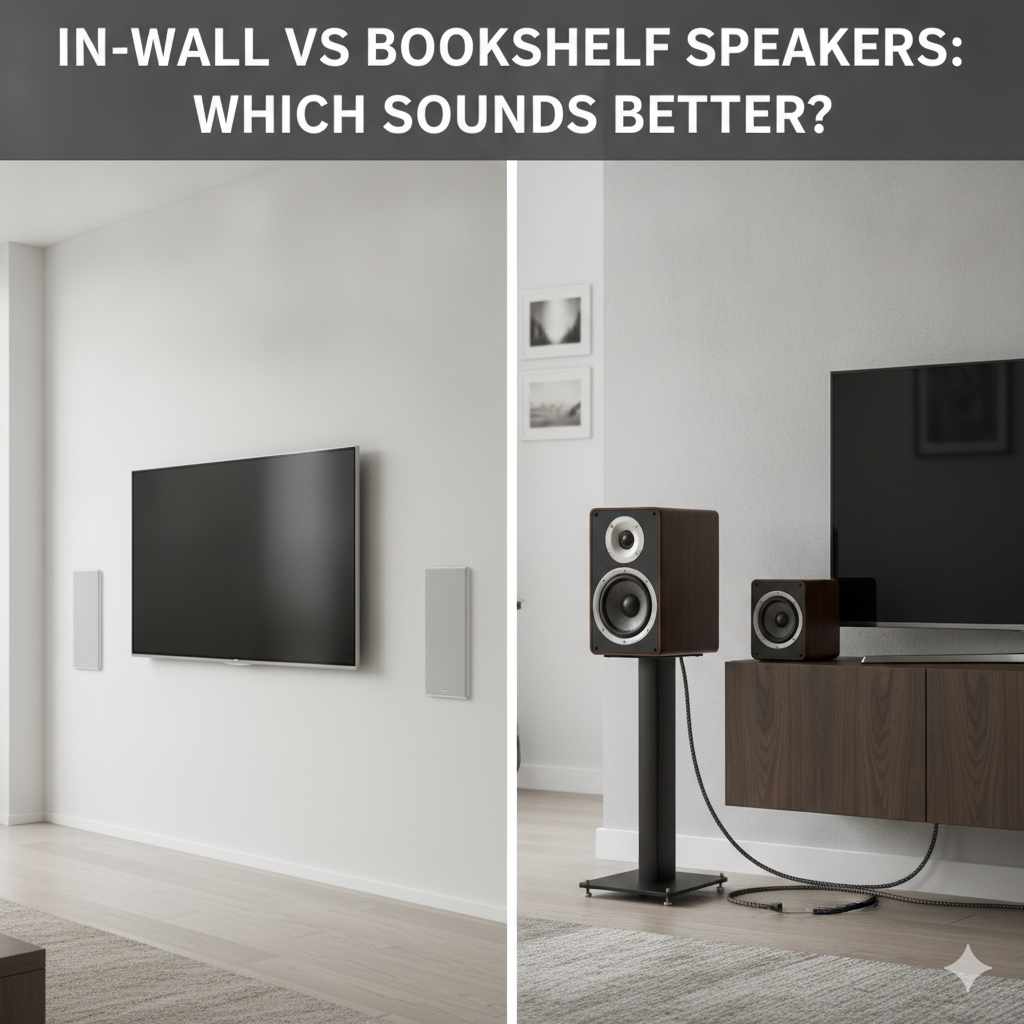
The main difference between in-wall and bookshelf speakers lies in their installation and how they interact with your room’s acoustics. Bookshelf speakers sit on furniture or stands, offering flexibility and often a more direct sound projection. In-wall speakers are mounted directly into walls, becoming a more permanent, integrated part of your home’s structure, which can affect sound in different ways.
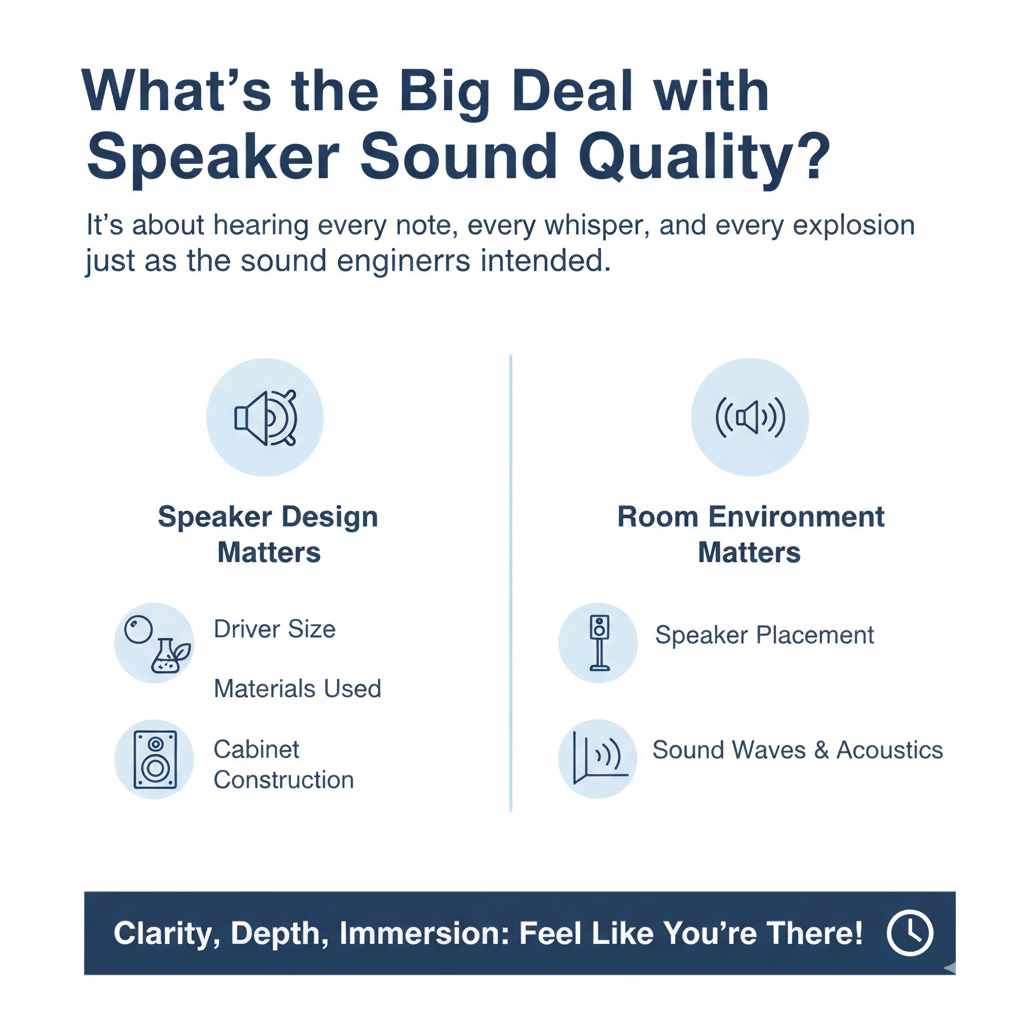
What’s the Big Deal with Speaker Sound Quality?
When we talk about sound quality, we’re really talking about how accurately a speaker can play music or movie audio. It’s about hearing every note, every whisper, and every explosion just as the sound engineers intended. Good sound means clarity. It means depth. It means feeling like you’re right there in the action.
Several things affect this. One is the speaker’s design. The size of its drivers (the parts that move to make sound) matters. The materials used also play a role. How the speaker cabinet is built is super important, too. This is where the box that holds everything comes in.
Another big factor is how the speaker fits into your room. Sound waves bounce off walls, floors, and ceilings. This can change how you hear the audio. A speaker’s placement and its environment are key to great sound. We need to think about where it will live.
The Bookshelf Speaker: A Versatile Sound Friend
Bookshelf speakers are what most people picture when they think of home audio. They are made to sit on shelves, tables, or special stands. Because they aren’t built into the wall, they have their own sturdy cabinet. This cabinet is designed to help the speaker sound its best.
These speakers come in many sizes. Some are small and fit easily on a desk. Others are larger and need a bit more space. The goal of their design is to keep the sound waves from interfering with each other. The cabinet is often sealed or has a port (a hole) to help with bass response.
Their biggest advantage is flexibility. You can move them around. You can try different spots to see what sounds best. This makes them great for smaller rooms or for people who like to rearrange their furniture often. They also tend to have a more direct sound output.
I remember setting up my first real sound system years ago. I bought a pair of decent bookshelf speakers. I put them on my TV stand. The sound was okay, but it felt a bit flat. I tried moving them forward, then back. I angled them in. Little changes made a big difference. It taught me how much placement matters.
Bookshelf Speaker Pros & Cons
- Pros:
- Very flexible placement options.
- Easy to move or upgrade.
- Often better bass response due to sealed cabinets.
- No permanent installation needed.
- Cons:
- Can take up shelf or floor space.
- Might not look as clean or integrated.
- Can be knocked over if not placed securely.
The In-Wall Speaker: Stealthy Sound
In-wall speakers are designed to disappear. They mount directly into your wall, often flush with the surface. This means they blend in with your decor. You see a small grille, but the speaker itself is hidden away. This is a big appeal for many people.
The sound from these speakers is different. Because they use the wall cavity behind them as their “cabinet,” their acoustic performance is tied to your home’s structure. This can be good, but it can also be a challenge. The space behind the speaker can affect bass and overall sound.
Installation is the big hurdle here. You need to cut holes in your walls. You have to run wires. This is not a DIY job for everyone. It often requires tools and some comfort with home repair. Once installed, they are there to stay.
The advantage is a cleaner look. Your room feels less cluttered. For surround sound, they can be placed perfectly to create an immersive experience without visible boxes. Many people choose them for home theaters or for background music where they don’t want speakers to be the focus.
I recall visiting a friend’s house that had a whole-house audio system. Every room had these small grilles in the ceiling or walls. You couldn’t see the speakers at all. The music just seemed to be everywhere. It was impressive for its stealth. But I wondered how the sound quality compared to my visible speakers.
In-Wall Speaker Pros & Cons
- Pros:
- Very clean, integrated look.
- Saves floor and shelf space.
- Can create a more immersive surround sound experience.
- Less likely to be accidentally bumped.
- Cons:
- Permanent installation required.
- More complex and costly installation.
- Sound quality can be affected by wall materials and cavity.
- Difficult to upgrade or move.
- May require professional installation.
Sound Clarity: Who Wins the Battle?
When we talk about clarity, we mean how well you can hear the distinct sounds within a piece of audio. Can you hear the singer’s breath? Can you tell the difference between instruments? Is dialogue sharp and easy to understand?
Bookshelf speakers often have an edge here. Why? Because their cabinets are specifically designed. A well-built cabinet stops vibrations. It prevents the front and back of the speaker cone from canceling each other out. This leads to a cleaner, more focused sound.
The sound from a bookshelf speaker is often more direct. It travels straight from the speaker to your ears. This is because they are usually placed forward of the wall. There’s less chance for early reflections. These reflections are sound waves bouncing off nearby surfaces too soon.
In-wall speakers can suffer from acoustic issues caused by the wall cavity. The air space behind the speaker isn’t always ideal. It can muddy the sound or reduce its crispness. Some higher-end in-wall models use special back boxes to control this. But the basic setup relies on your home’s structure.
Think of it like singing in a small, empty room versus singing in a padded studio. The studio is designed to control sound. Your wall cavity isn’t. So, for pure, uncolored clarity, bookshelf speakers often take the crown. They are built from the ground up to sound good.
Bass Response: Feeling the Rumble
Bass is what you feel. It’s the low rumble of a car chase or the deep thrum of a bass guitar. Getting good bass is crucial for many types of music and movies. It adds impact and realism.
Bookshelf speakers can produce great bass, especially larger ones. The key is their enclosure. A sealed cabinet can provide tight, accurate bass. A ported cabinet can enhance the output, making bass sound louder or go lower. The designer has a lot of control over this when building a standalone box.
However, even the best bookshelf speaker has limits. Most small to medium bookshelf speakers can’t produce the really deep, chest-thumping bass you might want. For that, you often need a subwoofer. But for general listening, they can be quite satisfying.
In-wall speakers have a different relationship with bass. The wall cavity behind them acts as a large enclosure. This can potentially allow for deeper bass. However, it’s also less controlled. The sound can be boomy or ill-defined if the wall isn’t treated well.
The quality of the wall material matters. Is it drywall? Plaster? Is there insulation? All these things affect how the sound waves behave. For true, punchy bass, in-wall speakers can sometimes struggle without expert installation and specific design choices.
In my experience, a good pair of bookshelf speakers paired with a small subwoofer often beats an in-wall system for overall bass impact. You have more control. You can place the subwoofer where it sounds best, separate from the main speakers.
Understanding Speaker Drivers
Speakers have different parts called drivers. These make the sound. A tweeter handles high notes. A mid-range driver handles voices and instruments in the middle. A woofer handles bass.
Bookshelf speakers usually have a tweeter and a woofer. Some larger ones might add a mid-range driver. In-wall speakers can also have these. The size of the woofer is key for bass. Larger woofers can move more air.
The number and size of drivers affect the sound. More drivers often mean more detail. Larger drivers can mean more powerful bass. The cabinet or wall cavity must be right for the drivers to work their best.
Installation and Aesthetics: The Visual Factor
This is where the two types really diverge. For many people, how a speaker looks in their home is just as important as how it sounds.
Bookshelf speakers are easy. You buy them, you place them. Done. They can be a design element. You can choose wood finishes, sleek black, or bright colors. They can add to the look of your room. However, they do take up space. They might clutter a desk or a shelf.
In-wall speakers are about invisibility. They blend in. This is fantastic for minimalist design. You can have great sound without seeing any equipment. This is a huge plus for home theaters or living rooms where you want the focus on the TV or artwork. But installation is a big job.
Cutting holes in walls is permanent. You need to consider where wires will run. You might need to go through studs or electrical wiring. If you have plaster walls, it’s even harder. You also need to make sure the wall material can support the speaker and won’t vibrate too much.
I helped a friend install some in-ceiling speakers for surround sound. We spent a whole weekend on it. We had to find joists, cut carefully, and fish wires through the attic. It was rewarding to see the finished product – no visible speakers! But it was a lot of work. And we couldn’t move them later if we didn’t like the placement.
For ease and flexibility, bookshelf speakers win. For a hidden, clean look, in-wall speakers are the champion. It’s a trade-off between convenience and aesthetics.
Installation Quick Guide (In-Wall)
1. Choose Location: Decide where the speaker will go. Check for wires or pipes behind the wall.
2. Trace Template: Use the speaker’s template to mark the wall.
3. Cut Hole: Carefully cut along the marked line.
4. Run Wire: Connect speaker wire from your receiver to the hole.
5. Install Speaker: Connect wires and mount the speaker in the wall. Many have clamps.
6. Attach Grille: Clip on the final grille cover.
Note: Always turn off power to the area before cutting. If unsure, hire a professional.
Room Acoustics: How Your Space Changes Sound
The room your speakers are in has a massive impact on sound. This is called room acoustics. Hard surfaces like glass and bare walls bounce sound. Soft surfaces like carpets and curtains absorb sound.
Bookshelf speakers, when placed correctly, can be positioned to minimize bad reflections. You can angle them. You can put them away from walls. You can add sound-absorbing materials to your room. You have control over the environment around them.
In-wall speakers become part of the room’s structure. Their sound interacts with the wall cavity and the room itself. If your walls are thin drywall with nothing behind them, the sound can be thin. If the wall cavity is large and open, it can act like a giant, uncontrolled speaker box.
This is why in-wall speaker performance can vary so much. A speaker that sounds amazing in one house might sound mediocre in another. The wall material, insulation, and the overall room size and shape all play a part. This is a significant difference from bookshelf speakers.
For example, a speaker placed in a corner might sound bass-heavy because the sound waves reinforce each other. With bookshelf speakers, you can often pull them out of the corner. With in-wall speakers, you are stuck with their position, and the wall cavity’s interaction with the corner is harder to fix.
Cost: What’s the Investment?
The cost can vary wildly for both types. You can find cheap bookshelf speakers and very expensive ones. The same is true for in-wall speakers.
However, when comparing similar performance levels, bookshelf speakers might seem cheaper upfront. This is because you don’t factor in the installation cost. For in-wall speakers, you have the speaker price plus the cost of wiring, tools, and potentially hiring an installer.
A basic pair of decent bookshelf speakers might cost $150-$300. A comparable quality in-wall speaker might be $200-$400. But then add $200-$1000+ for professional installation if you need it. This makes the total cost for in-wall systems higher.
Also, consider longevity. Bookshelf speakers are easier to replace if one breaks. In-wall speakers require cutting into the wall again. So, while the initial purchase price might be close, the total investment and future flexibility lean towards bookshelf speakers.
Cost Comparison Snapshot
Bookshelf Speakers:
- Speaker Cost: $100 – $2000+ per pair
- Installation Cost: $0 (DIY)
- Total Entry Cost: $100 – $2000+
In-Wall Speakers:
- Speaker Cost: $200 – $1000+ per pair
- Installation Cost: $200 – $1000+ (professional)
- Total Entry Cost: $400 – $2000+
This is a general guide. Prices vary greatly by brand and quality.
When Are In-Wall Speakers the Better Choice?
Despite the potential sound challenges, in-wall speakers have their place. They are ideal when aesthetics are paramount. If you want a home theater that looks like a cinema room, with no visible wires or boxes, in-wall is the way to go.
They are also great for surround sound. Placing in-wall speakers in the side or rear walls allows for a truly immersive bubble of sound. This can be difficult to achieve with freestanding bookshelf speakers without them being in the way.
For smaller rooms where floor or shelf space is limited, in-wall speakers can be a lifesaver. They get the speakers off the furniture and out of the walkway.
Consider a modern living room with minimal furniture. You have sleek lines and open spaces. Adding visible speakers might disrupt this clean look. In this case, in-wall speakers offer a perfect solution. They deliver sound without visual clutter.
When Do Bookshelf Speakers Shine?
Bookshelf speakers are the safe bet for most people seeking the best possible sound quality for their money. Their flexibility allows for fine-tuning placement. This is critical for achieving optimal audio. They are generally easier to integrate into an existing setup.
If you love music and want to hear every nuance, bookshelf speakers offer a clear advantage. You can try different positions. You can experiment with toe-in angles. You can even add acoustic treatments to your room to improve how the sound is perceived.
They are also ideal if you are not comfortable with home renovation. Installation is simple: place and connect. If you move homes often, you can easily take your speakers with you. This makes them a more versatile long-term investment for many.
For audiophiles who constantly tweak their systems, bookshelf speakers provide the freedom to experiment. This is a level of control that in-wall speakers simply don’t offer. You can swap them out easily if you find a better pair.
Key Differences at a Glance
| Feature | Bookshelf Speakers | In-Wall Speakers |
|---|---|---|
| Sound Quality (Clarity) | Often Superior (controlled cabinet) | Variable (depends on wall cavity) |
| Bass Response | Good (can be enhanced with sub) | Potentially Deep, but can be boomy |
| Installation | Easy (plug and play) | Complex (requires cutting) |
| Aesthetics | Visible, can be decorative | Hidden, clean integration |
| Flexibility | High (easy to move/upgrade) | Low (permanent) |
| Cost (Total) | Generally Lower | Generally Higher (incl. install) |
What This Means for Your Home Setup
The choice between in-wall and bookshelf speakers really comes down to your priorities. If you’re a music lover who craves the best possible sound detail and is willing to experiment with placement, bookshelf speakers are likely your best bet. They offer a controlled, clear sound that can be further optimized with room treatments.
If your main goal is a seamless, clean look and you’re willing to invest in professional installation for that aesthetic, then in-wall speakers are a strong contender. They are perfect for home theaters or for creating a minimalist living space where speakers must disappear.
Consider your existing setup. Do you have dedicated speaker stands? Do you have shelves available? Or do you have bare walls you’re looking to utilize without visual disruption?
It’s also worth thinking about your budget. Remember to include installation costs if you’re leaning towards in-wall. For bookshelf speakers, the cost is primarily the speakers themselves. Adding a subwoofer for better bass is a common upgrade for both types.
Quick Checks Before You Decide
Before making a final decision, ask yourself a few questions:
- What is your main goal? Is it absolute sound fidelity, or a clean, integrated look?
- How much DIY work are you comfortable with? Cutting holes in walls is a significant step.
- What is your room like? Are there hard surfaces? Is space limited?
- What kind of content will you listen to most? Music, movies, podcasts?
- What is your budget? Factor in all costs, including installation.
If possible, try to listen to both types of speakers in person. Visit an audio store. They often have listening rooms where you can compare different setups. This hands-on experience can be invaluable.

Frequently Asked Questions About Speakers
Can bookshelf speakers sound as good as in-wall speakers?
Often, yes. Bookshelf speakers have controlled enclosures designed for optimal sound. In-wall speakers rely on your wall cavity, which can be less predictable. For pure clarity and detail, many audiophiles prefer bookshelf speakers.
Is it hard to install in-wall speakers?
Yes, it can be. It involves cutting holes in your walls and running wires. It’s often recommended to have some home repair experience or hire a professional installer to ensure it’s done correctly and safely.
Do in-wall speakers need a subwoofer?
It depends on the in-wall speaker and your listening preferences. Many people find that adding a subwoofer enhances the low-frequency response for movies and music. Some high-end in-wall models have robust bass capabilities on their own.
Can I use bookshelf speakers for surround sound?
Absolutely. Bookshelf speakers are excellent for front left/right channels and can also be used for surround channels if space permits. They offer great sound and flexibility in positioning.
Will in-wall speakers damage my walls?
If installed improperly, yes. Cutting into walls can cause damage if you hit wires or pipes. Even with correct installation, you are creating permanent openings. It’s crucial to follow instructions or use a professional.
Which type offers better value for money?
Bookshelf speakers often offer better value. You get more control over sound quality for the price, and you avoid installation costs. In-wall speakers can be more expensive overall due to the complexity of installation.
Final Thoughts on Sound Choices
Choosing between in-wall and bookshelf speakers isn’t about one being universally better. It’s about finding the right fit for your home, your ears, and your lifestyle. Bookshelf speakers offer a path to excellent, flexible sound. In-wall speakers provide an elegant, hidden solution.
Consider what matters most: pure audio fidelity and ease of adjustment, or a clean, minimalist look. Either way, a well-chosen speaker system can transform your listening experience. Take your time, weigh the pros and cons, and enjoy the music.
Related pick: Check today's price on Amazon
Products related to this article
Sponsored / affiliate links. As an Amazon Associate I earn from qualifying purchases. I may earn additional commission from eligible campaigns.
 Acovy 40 Inch Floating Shelves, 12" Deep Floating Shelf Wall Mounted, 40" Wall Shelves, Rustic Deep Bookshelf, Extra Deeper & Thicker Display Shelves for Bedroom, Living Room, Oak, Set of 2
 Acovy 24 Inch Floating Shelves, 12" Deep Floating Shelf Wall Mounted, 24" Wall Shelves, Rustic Deep Bookshelf, Extra Deeper & Thicker Display Shelves for Bedroom, Living Room, Brown, Set of 2